About Japan
Japan seamlessly blends ancient traditions with cutting-edge modernity, offering travelers everything from serene temples and historic castles to neon-lit cities and world-class cuisine. From the snow-capped peaks of Hokkaido to the tropical beaches of Okinawa, this island nation captivates visitors with its rich culture, impeccable hospitality, and stunning natural beauty.
Quick Overview
Capital: Tokyo
Languages: Japanese
Currency: Japanese Yen (JPY)
Time Zone: UTC+9 (Japan Standard Time)
Explore Japan by Topic
Best Places to Visit in Japan
Discover the top 32 must-see destinations in Japan, from iconic landmarks to off-the-beaten-path treasures.
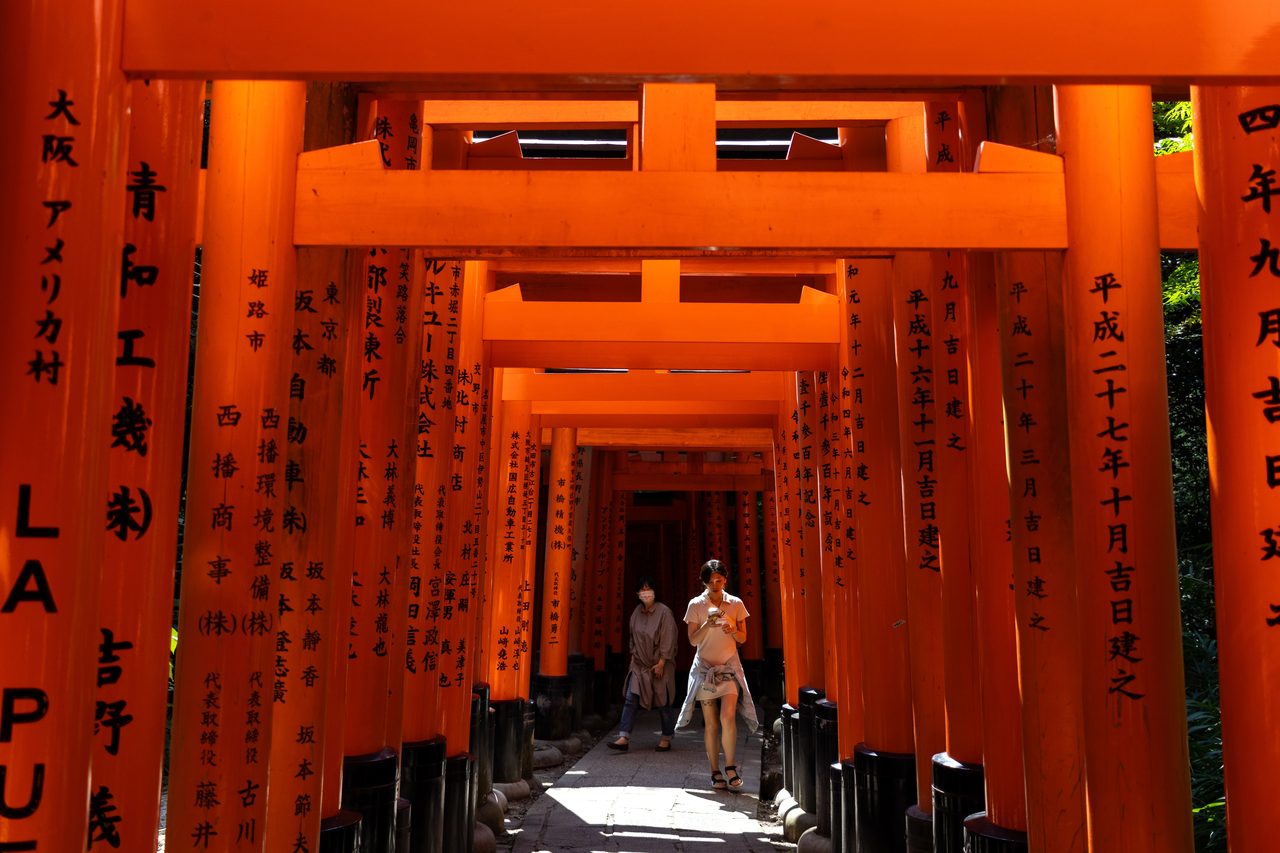
Fushimi Inari Taisha
Kyoto's most iconic shrine features thousands of vermillion torii gates that create tunnels up the sacred Mount Inari. The 4-kilometer trail winds through the forest with smaller shrines and fox statues along the way. Best visited early morning to avoid crowds and capture magical photos in the misty light.
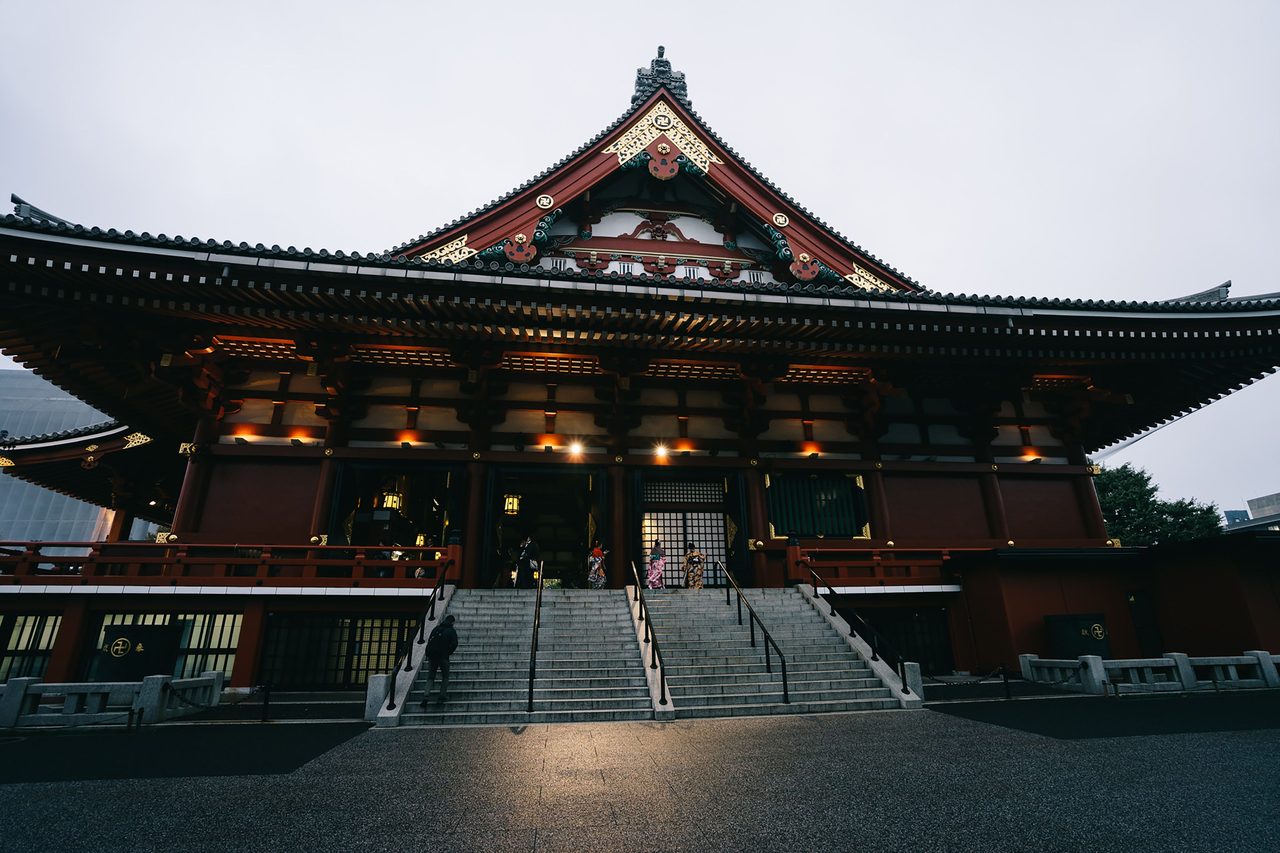
Senso-ji Temple
Tokyo's oldest and most significant Buddhist temple, founded in 628 AD, draws millions of visitors annually. The approach through Nakamise Shopping Street offers traditional snacks and souvenirs. The massive red lantern at Kaminarimon Gate is one of Tokyo's most photographed landmarks.
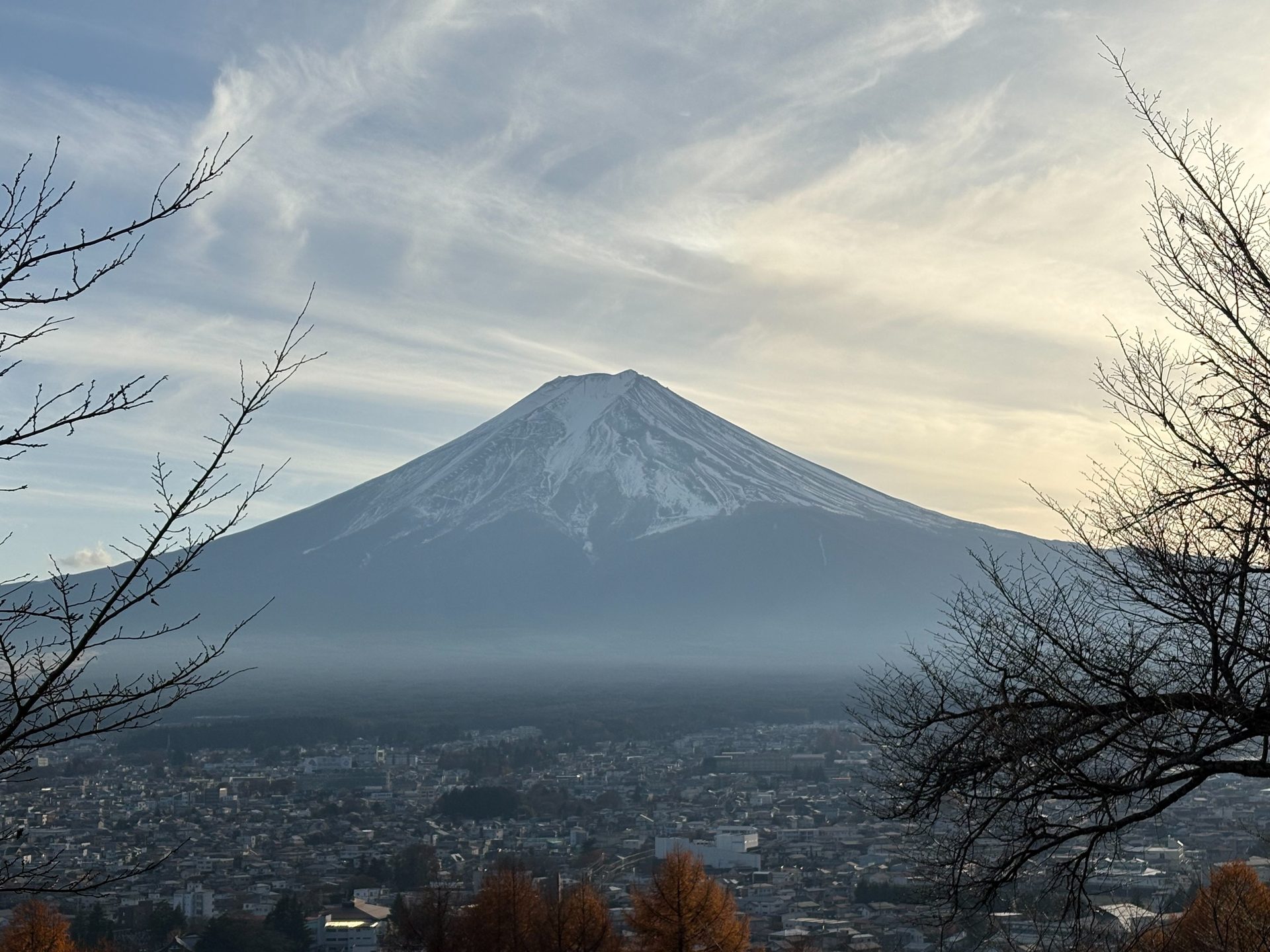
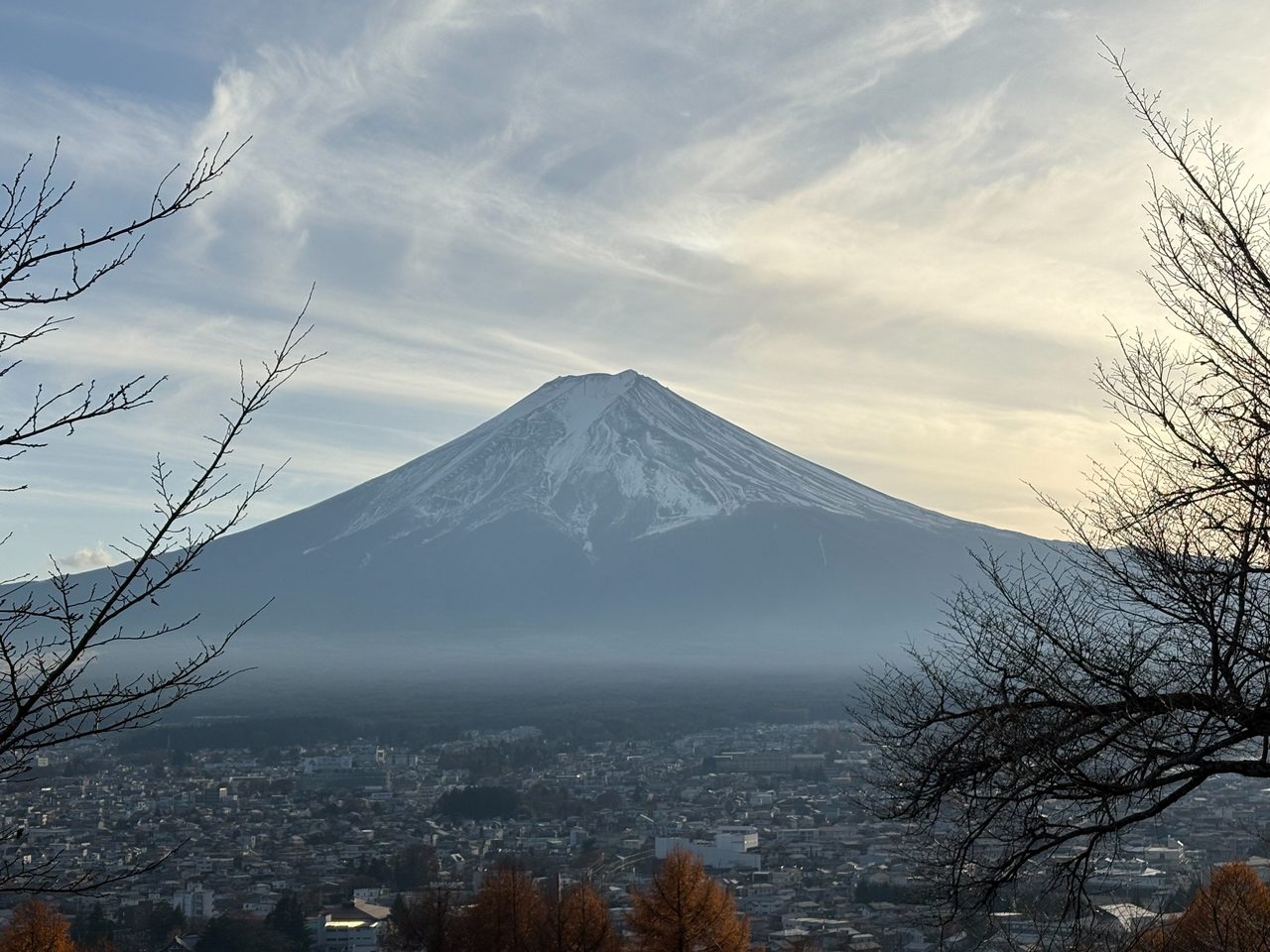
Mount Fuji
Japan's highest and most sacred mountain stands at 3,776 meters with its iconic symmetrical cone. Climbing season runs July-September, while the Fuji Five Lakes region offers year-round views and activities. UNESCO World Heritage Site representing Japan's natural beauty and spiritual significance.
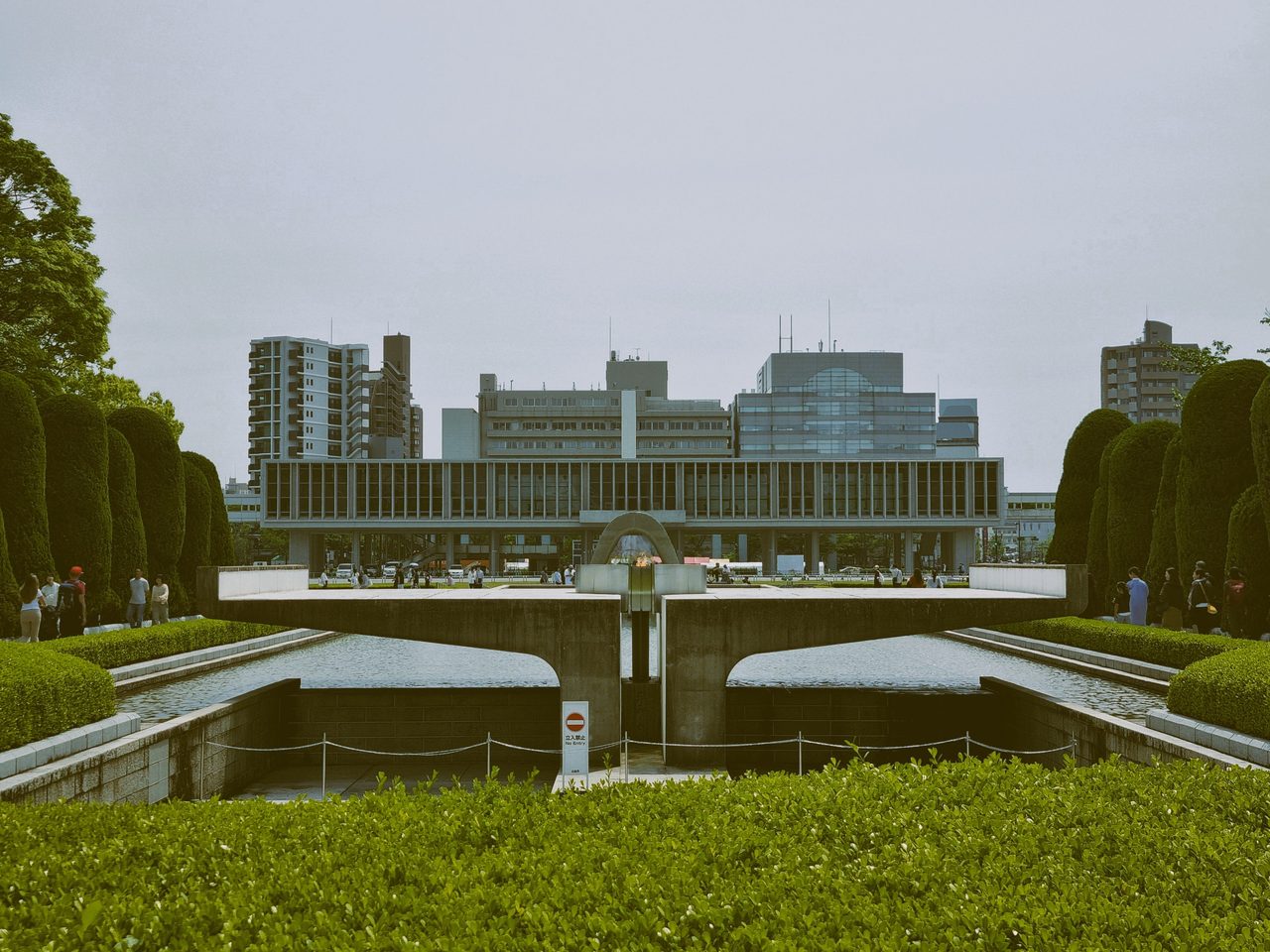
Hiroshima Peace Memorial Park
Dedicated to the victims of the 1945 atomic bombing, this powerful memorial park includes the iconic A-Bomb Dome, Peace Memorial Museum, and Cenotaph. The park serves as a poignant reminder of war's devastation and a symbol of hope for world peace. Essential visit for understanding modern Japanese history.
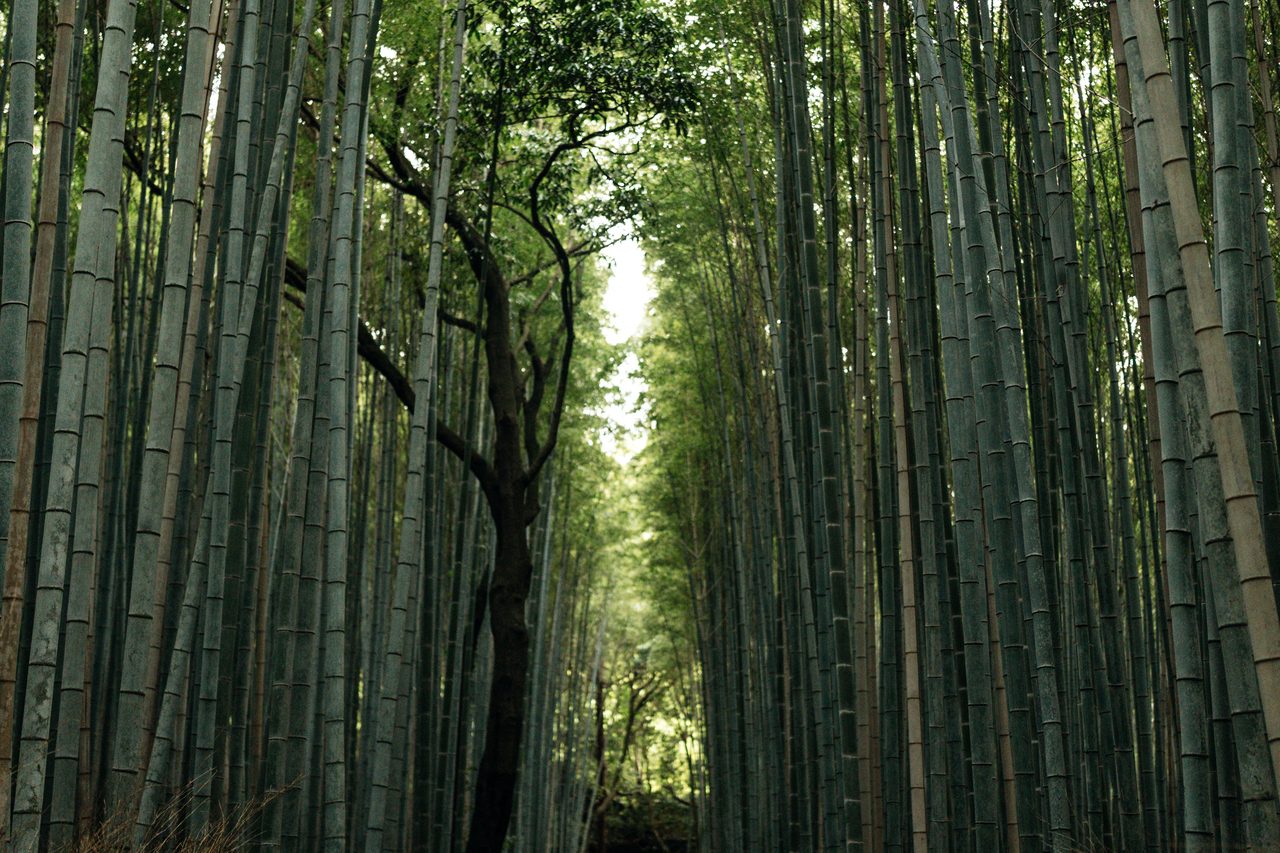
Arashiyama Bamboo Grove
Walk through towering bamboo stalks that create an otherworldly green tunnel with light filtering through the dense canopy. Located in western Kyoto, the grove is part of a larger scenic area with temples, gardens, and the Sagano Scenic Railway. The sound of bamboo rustling in the wind adds to the meditative atmosphere.
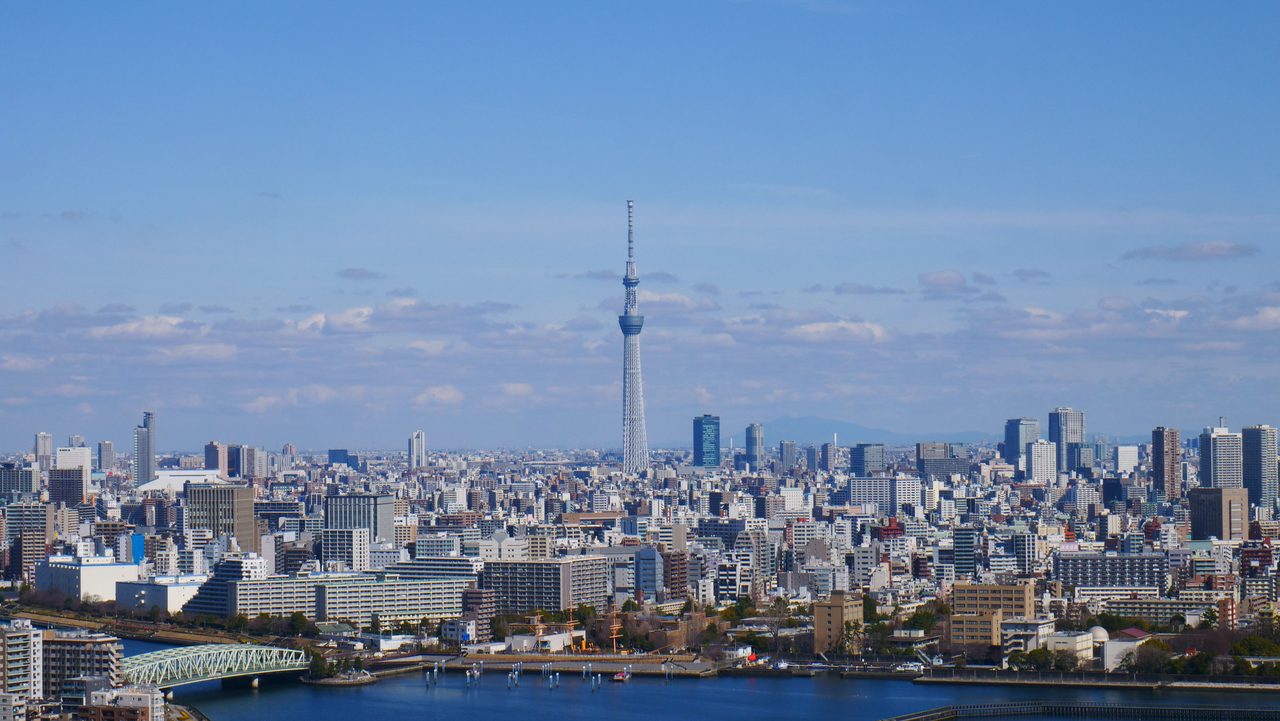
Tokyo Skytree
The world's tallest tower at 634 meters offers breathtaking 360-degree views of Tokyo and beyond. Two observation decks at 350m and 450m provide different perspectives, with clear days offering views of Mount Fuji. The base features shopping, aquarium, and planetarium.
Kinkaku-ji (Golden Pavilion)
Kyoto's most photographed temple features gold leaf-covered upper floors that reflect beautifully in the surrounding pond. Originally built in 1397 as a retirement villa, it was converted to a Zen temple. The carefully manicured gardens exemplify Japanese landscape design.
Nara Park
Home to over 1,200 free-roaming sacred deer that bow for treats and wander among ancient temples. The park encompasses Todai-ji Temple with its massive bronze Buddha, Kasuga Taisha shrine, and expansive green spaces. Deer are considered messengers of the gods in Shinto tradition.
Recommended Itineraries for Japan
Plan your perfect Japan trip with our expertly crafted itineraries for every travel style and duration.
5-Day Japan Explorer
- Day 1: Arrive in Japan, explore city center
- Day 2: Visit top attractions and museums
- Day 3: Day trip to nearby highlights
- Day 4: Local markets and hidden gems
- Day 5: Final sightseeing, departure
7-Day Classic Japan
- Days 1-2: Japan city highlights
- Days 3-4: Regional exploration
- Days 5-6: Cultural immersion and local experiences
- Day 7: Return and departure
14-Day Ultimate Japan
- Days 1-3: Japan comprehensive city tour
- Days 4-6: Northern region exploration
- Days 7-9: Eastern highlights
- Days 10-12: Southern attractions
- Days 13-14: Return to Japan, departure
Where to Stay in Japan
From luxury resorts to budget-friendly options, Japan offers accommodations for every traveler.
Budget Options ($50-80 per day)
Hostels, budget hotels, and guesthouses offer affordable stays without sacrificing experience.
Mid-Range ($150-250 per day)
Boutique hotels and well-located accommodations provide comfort and convenience at reasonable prices.
Luxury ($500-1,000+ per day)
World-class resorts and premium hotels deliver unforgettable experiences.
Aman Tokyo
Soaring above the financial district, this minimalist sanctuary offers floor-to-ceiling windows with city and Mount Fuji views. Spacious rooms blend traditional Japanese aesthetics with modern luxury, featuring deep soaking tubs and Italian marble. The spa and 30-meter pool provide urban oasis tranquility.
Check rates on Booking.comHotel Gracery Shinjuku
Famous for the massive Godzilla head emerging from the 8th floor, this hotel offers clean, modern rooms in the heart of Shinjuku entertainment district. Rooftop terrace provides photo opportunities with Godzilla, while the location near Kabukicho offers endless dining and nightlife options.
Check rates on Booking.comKhaosan Tokyo Kabuki
Social hostel in Asakusa combines traditional Japanese design elements with modern backpacker culture. Dorm beds and private rooms available, with communal kitchen, lounge, and rooftop terrace. Staff organize regular events and provide local recommendations. Walking distance to Senso-ji Temple and Skytree.
Check rates on Booking.comThe Ritz-Carlton Kyoto
Located along the Kamogawa River with views of Higashiyama mountains, this property seamlessly integrates into Kyoto's cultural landscape. Traditional kaiseki dining, onsen-style spa, and gardens designed by renowned landscape artist create authentic Kyoto luxury. Walking distance to Gion and temples.
Check rates on Booking.comWhere to Eat in Japan
Discover the culinary delights of Japan, from local street food to fine dining experiences.
Sukiyabashi Jiro
Three-Michelin-starred sushi temple run by legendary Jiro Ono, featured in 'Jiro Dreams of Sushi.' Omakase-only experience with 20 pieces of perfection showcasing traditional Edomae techniques. Reservations extremely difficult; requires Japanese speaker and advance booking.
Ichiran Ramen
Famous tonkotsu ramen chain with unique solo dining booths allowing complete focus on the perfect bowl. Customize your ramen with order form specifying richness, spice level, and noodle firmness. Open 24/7 at most locations. The original Shibuya location is iconic.
Coco Ichibanya Curry
Japan's largest curry chain offers customizable curry rice with choice of spice level, rice amount, and toppings. Katsu curry is most popular. Vegetarian options available. Consistent quality and English picture menus make it tourist-friendly. Over 1,400 locations nationwide.
Takoyaki Dotonbori Kukuru
Dotonbori's most famous takoyaki (octopus balls) stand draws constant crowds for fresh, crispy-outside, gooey-inside takoyaki. Watch chefs expertly flip balls in special pans. Various sauce and topping options. Perfect street food while exploring Dotonbori.
Blue Bottle Coffee
California-based specialty coffee roaster with multiple minimalist Tokyo cafes. Pour-over coffee prepared with precision by trained baristas. Clean, modern aesthetic fits perfectly in Tokyo's design-conscious neighborhoods. Popular among Tokyo's coffee aficionados.
Kikunoi Honten
Three-Michelin-starred kaiseki restaurant in Kyoto's Gion district showcases seasonal ingredients in artistic multi-course presentations. Traditional tatami rooms overlook serene gardens. Chef Yoshihiro Murata is renowned for preserving Kyoto culinary traditions while adding subtle innovations.
Getting Around Japan
Budget Breakdown for Japan
Plan your spending with our comprehensive cost guide. Currency: USD.
| Category | Budget | Mid-Range | Luxury |
|---|---|---|---|
| Accommodation | $20-35 (hostel dorm, capsule hotel) | $60-120 (business hotel, budget ryokan, private room in guesthouse) | $250-600+ (luxury hotels, premium ryokans with kaiseki meals) |
| Food (per day) | $15-25 (convenience stores, ramen, gyudon chains, street food) | $40-70 (mix of casual restaurants, izakayas, one nice meal per day, coffee shops) | $150-300 (fine dining, Michelin restaurants, premium sushi, kaiseki) |
| Transportation | $8-15 (local trains, buses with IC card; walking between nearby attractions) | $30-40 (trains, subway day passes, occasional taxis, JR Pass for intercity) | $80-120 (Green Car Shinkansen, taxis, private transfers) |
| Activities | $7-10 (free temples/shrines, budget attractions, parks) | $20-30 (paid temples, museums, one major activity per day) | $70-100+ (VIP tours, exclusive experiences, premium attractions) |
| Daily Total | $50-80 per day | $150-250 per day | $500-1,000+ per day |
Best Time to Visit Japan
Best Season: March-May (cherry blossom season), October-November (fall foliage)
Peak Season: March-May (cherry blossom season), October-November (fall foliage)
Avoid: July-August (hot and humid, typhoon season)
Essential Travel Tips for Japan
- Research visa requirements before your trip
- Learn a few basic phrases in the local language
- Carry cash as cards may not be accepted everywhere
- Respect local customs and dress codes
- Purchase travel insurance before departure
Safety Information
Travel Advisory
Japan is generally safe for all types of travelers. Standard travel advisories recommend awareness of natural disaster risks including earthquakes (common and generally minor), typhoons July-October, and volcanic activity in certain regions. No significant security threats for tourists.
Japan has very low crime rates; violent crime against tourists is extremely rare
Keep emergency apps downloaded for earthquake and tsunami alerts
Be aware of natural disasters: earthquakes, typhoons (summer-fall), and volcanic activity
Respect local customs and rules; public behavior is highly regulated
Cash is still widely used; not all places accept credit cards
Purchase travel insurance that covers natural disasters and medical emergencies
Register with your embassy or consulate upon arrival; Japan experiences frequent earthquakes and having emergency contacts is essential
Carry a copy of your passport; the original must be on your person at all times by law as a foreign visitor
Avoid drinking alcohol excessively in public โ while not illegal, it attracts attention and can lead to unsafe situations late at night
Be cautious of taxi scams at airports; use official taxi stands or pre-book through your hotel โ unlicensed taxis (known as white taxis) are illegal
Learn basic Japanese phrases and download a translation app; English proficiency is limited outside tourist areas, especially in emergencies
Follow strict garbage disposal rules in Japan; public trash cans are rare โ carry a small bag for your waste to avoid fines or confrontation
Frequently Asked Questions
Is Japan safe to visit in 2026?
Japan consistently ranks as one of the world's safest countries for travelers. Violent crime against tourists is extremely rare, cities are clean and well-organized, and public infrastructure is reliable and safe. The primary risks are natural disasters (earthquakes, typhoons, occasional volcanic activity) and minor urban scams in entertainment districts. Emergency services: police at 110, medical at 119.
What is the best time to visit Japan?
The best time to visit Japan is March-May (cherry blossom season), October-November (fall foliage). Japan's climate varies dramatically across its 3,000-kilometer length from sub-Arctic Hokkaido in the north to subtropical Okinawa in the south. The main islands of Honshu, Kyushu, and Shikoku experie
Do I need a visa to visit Japan?
Visa-free entry for up to 90 days for tourism and business purposes. Passport must be valid for entire stay. Requirements vary by nationality, so check with your nearest embassy or the official immigration website before traveling.
What currency is used in Japan?
The currency in Japan is the Japanese Yen (JPY) (JPY). ATMs are widely available in cities and tourist areas. Credit cards are accepted at most hotels and restaurants, but carry cash for markets and smaller establishments.
What language is spoken in Japan?
The main language(s) spoken in Japan: Japanese. In tourist areas, English is generally understood. Learning a few basic phrases in the local language is appreciated by locals.
What are the top attractions in Japan?
The top attractions in Japan include Fushimi Inari Taisha, Senso-ji Temple, Mount Fuji, Hiroshima Peace Memorial Park, and Arashiyama Bamboo Grove. Each offers a unique experience, from historic landmarks to natural wonders.
Explore Japan by Region
Hokkaido
Hokkaido is Japan's northernmost and second-largest island, renowned for its pristine wilderness, world-class powder snow, and vibrant seasonal beauty. From the lavender-carpeted fields of Furano to the UNESCO-listed Shiretoko Peninsula, Hokkaido offers Japan's most dramatic natural landscapes alongside excellent seafood and dairy cuisine.
Kanagawa
Kanagawa Prefecture is a diverse region south of Tokyo offering everything from the cosmopolitan port city of Yokohama to the ancient temples of Kamakura and the volcanic hot springs of Hakone. It combines urban sophistication with natural beauty, including stunning views of Mount Fuji and the rugged Shonan coastline.
Kyoto
Kyoto is Japan's ancient imperial capital, home to over 1,600 Buddhist temples, 400 Shinto shrines, and 17 UNESCO World Heritage Sites. Once the seat of the Japanese emperor for over a millennium, the city preserves traditional culture, geisha districts, and stunning gardens that contrast beautifully with modern urban life.
Okinawa
Okinawa is Japan's southernmost prefecture, an archipelago of over 160 islands scattered across the East China Sea with a subtropical climate and unique Ryukyuan cultural heritage. Known for its crystal-clear turquoise waters, white sand beaches, and ancient castle ruins, Okinawa offers a distinctly different experience from mainland Japan. The islands are also celebrated worldwide for the extraordinary longevity of their residents and a laid-back lifestyle shaped by centuries of trade and cultural exchange.
Osaka
Osaka is Japan's third-largest city and the economic powerhouse of western Japan, renowned for its bold cuisine, vibrant nightlife, and warm, outgoing locals. From the neon-lit streets of Dotonbori to the ancient Osaka Castle, the prefecture blends modern urban energy with deep historical roots.
Tokyo
Tokyo is Japan's capital and one of the world's most dynamic megacities, where ancient temples and shrines coexist alongside gleaming skyscrapers and neon-lit streets. As the cultural, economic, and political heart of Japan, Tokyo offers an unmatched blend of tradition and cutting-edge modernity across its diverse 23 special wards and surrounding cities.