Aichi · 21 Places · Best March–May and October–November
Aichi
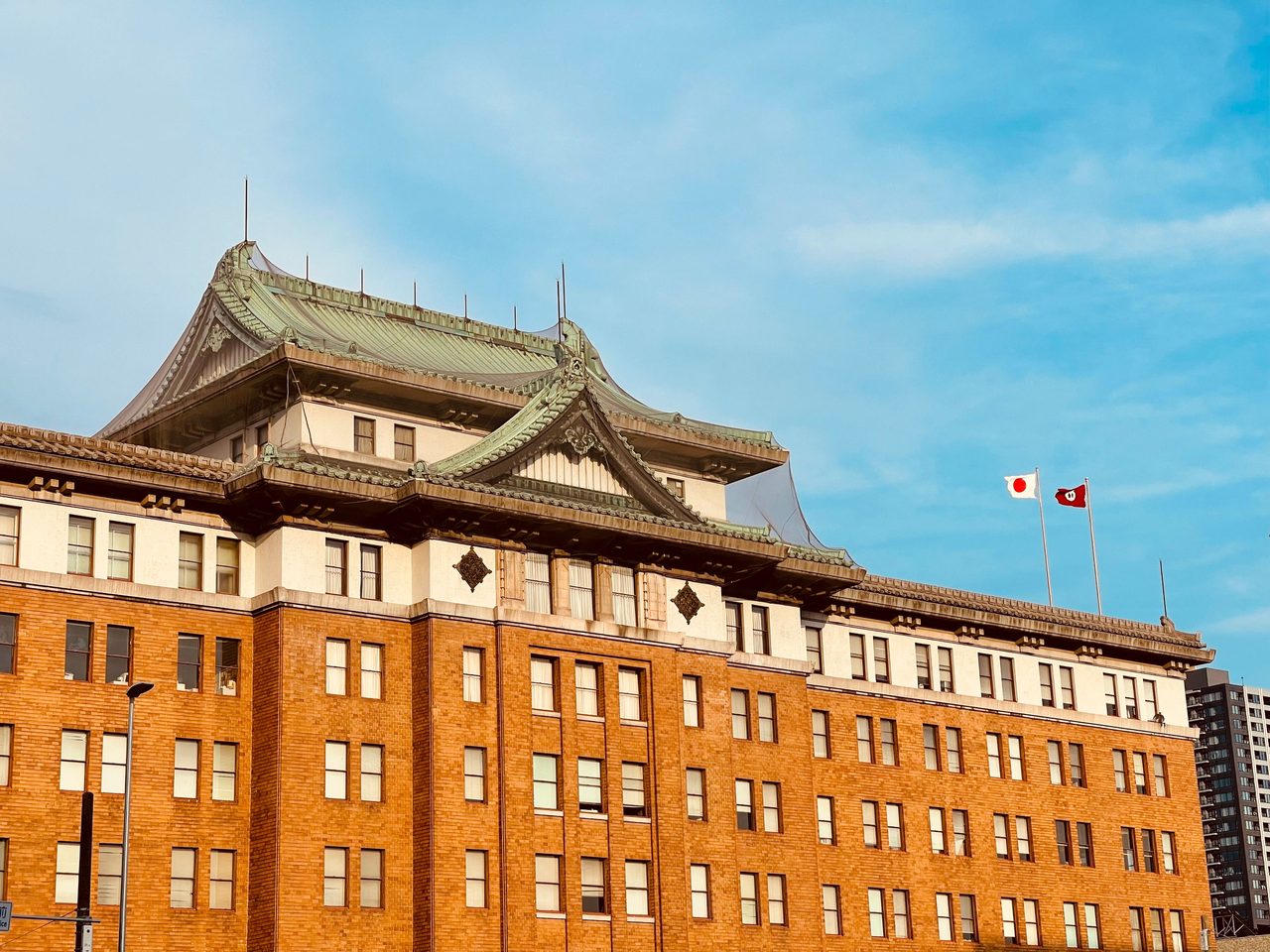
Aichi Prefecture is Japan's industrial and cultural heartland, anchored by Nagoya — the country's fourth-largest city. Home to the Toyota Motor Corporation, one of Japan's most important Shinto shrines, a national-treasure castle, and a distinctly proud local food culture known as Nagoya Meshi, Aichi blends industrial might with ancient heritage across 5,173 square kilometres of the Chubu region.
Aichi Prefecture occupies the eastern edge of Japan's fertile Nobi Plain, opening onto Ise Bay to the south. Nagoya, the prefectural capital, serves as the hub of the Chubu region and Japan's manufacturing spine: Toyota City, just east of Nagoya, is the birthplace of the world's largest automaker. Yet the prefecture wears its industrial identity lightly. Nagoya Castle's extraordinary Hommaru Palace — reconstructed in traditional wood using pre-Edo techniques — ranks among Japan's finest castle interiors. Atsuta Shrine, founded according to legend over 1,900 years ago, houses the Kusanagi-no-Tsurugi sword, one of the three Imperial Treasures of Japan. The Inuyama area to the north preserves one of Japan's twelve original castles and the remarkable Meiji Mura open-air architectural museum. Eastward, the ceramics city of Seto and the historic textile town of Arimatsu complete a cultural landscape that reaches far beyond car factories. Aichi's greatest cultural export may be its food: Nagoya Meshi, the city's collection of intensely flavoured, often miso-based dishes — miso katsu, hitsumabushi eel, miso nikomi udon, tebasaki chicken wings — forms one of Japan's most distinctive regional cuisines.
The 21 destinations our editors recommend — from iconic landmarks to under-the-radar finds.
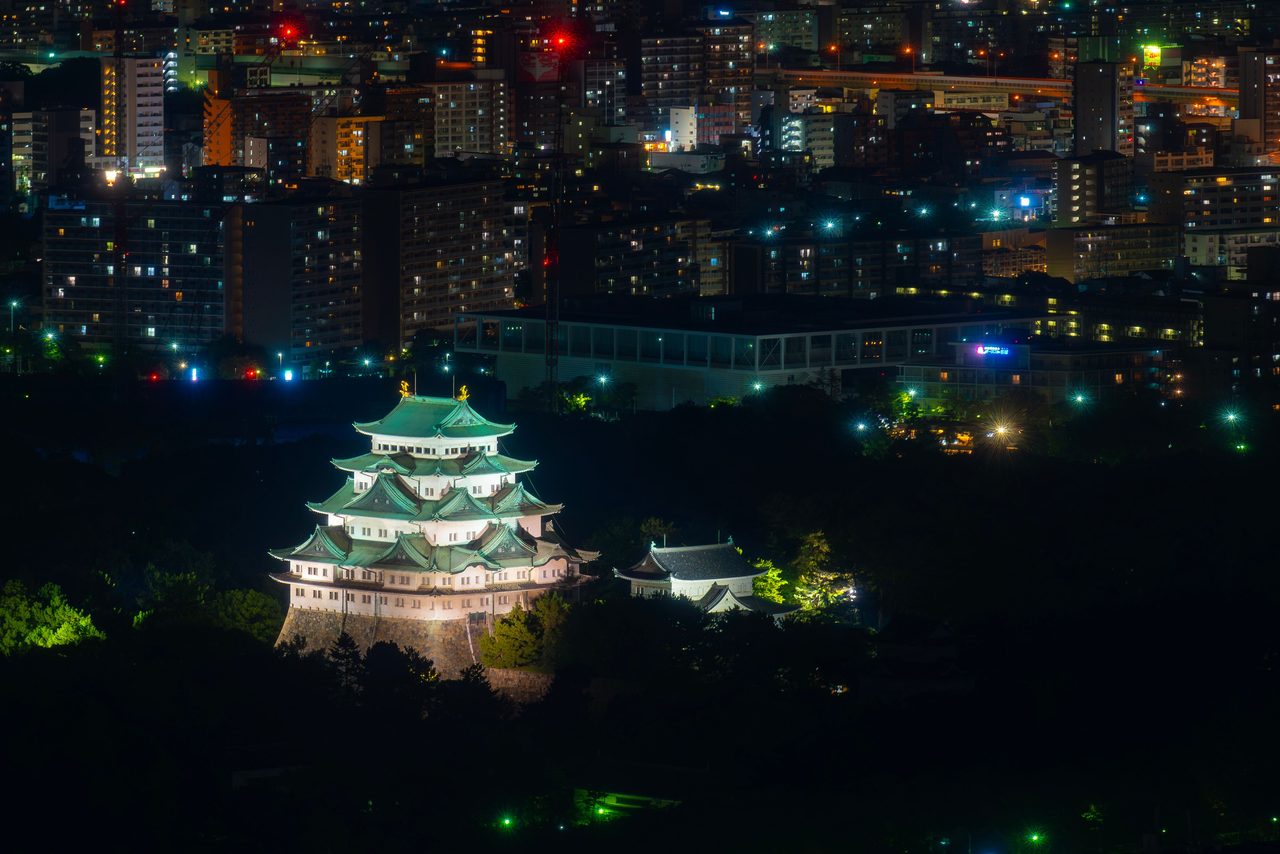
Nagoya Castle
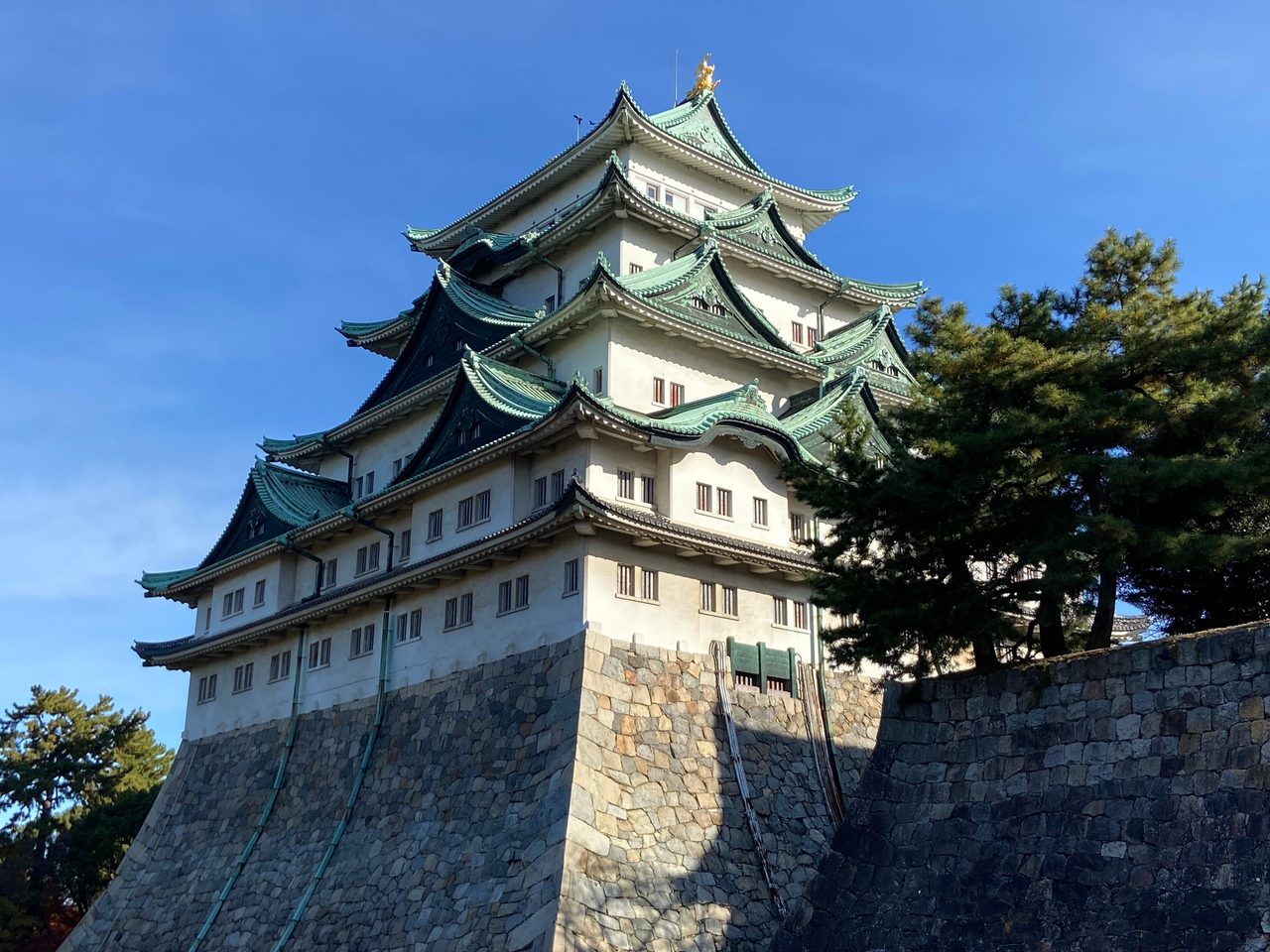
Built in the early 1600s by the Tokugawa shogunate as a stronghold guarding the approach to Kyoto, Nagoya Castle is best known for the pair of gilded shachihoko (mythical tiger-headed carp) on its main keep's roof. The original keep was destroyed in a 1945 air raid and rebuilt in concrete in 1959; a large wooden reconstruction of the keep has been underway for years, so parts of the site may be fenced off or under construction. The surrounding Honmaru Palace, a meticulous wood reconstruction of the shogun's reception rooms, is the real highlight of a visit today.
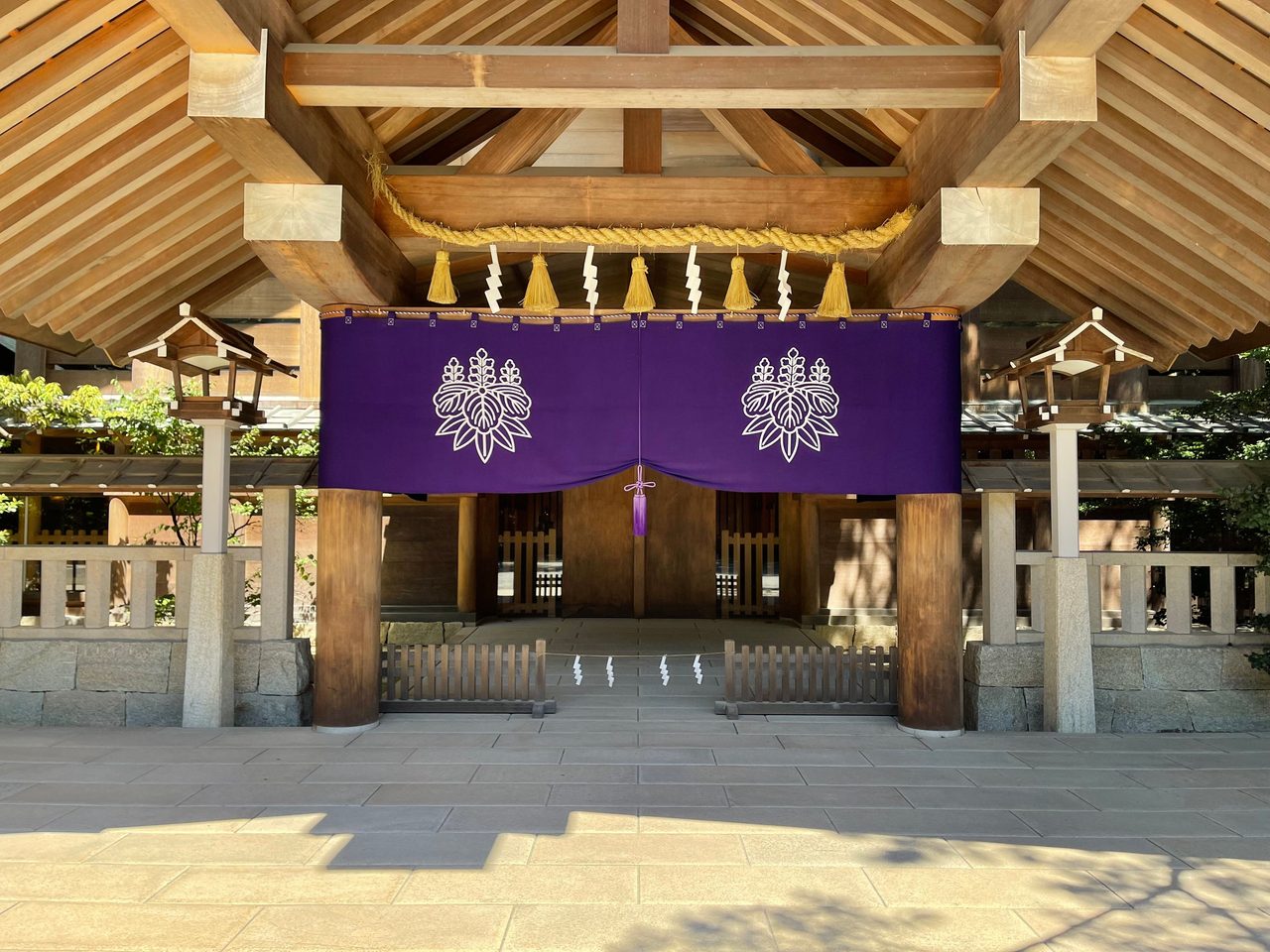
Atsuta Shrine (Atsuta Jingu)
One of Shinto's most important shrines, Atsuta Jingu is said to house the sacred sword Kusanagi, one of the three Imperial Regalia of Japan, though the sword itself is never shown to the public. The shrine grounds cover a large wooded precinct near central Nagoya, with a main worship hall rebuilt in the plain, unpainted style of Ise Shrine. Most visitors walk the gravel approach beneath old camphor trees rather than seeing anything overtly dramatic, since the shrine's significance is largely symbolic and historical.
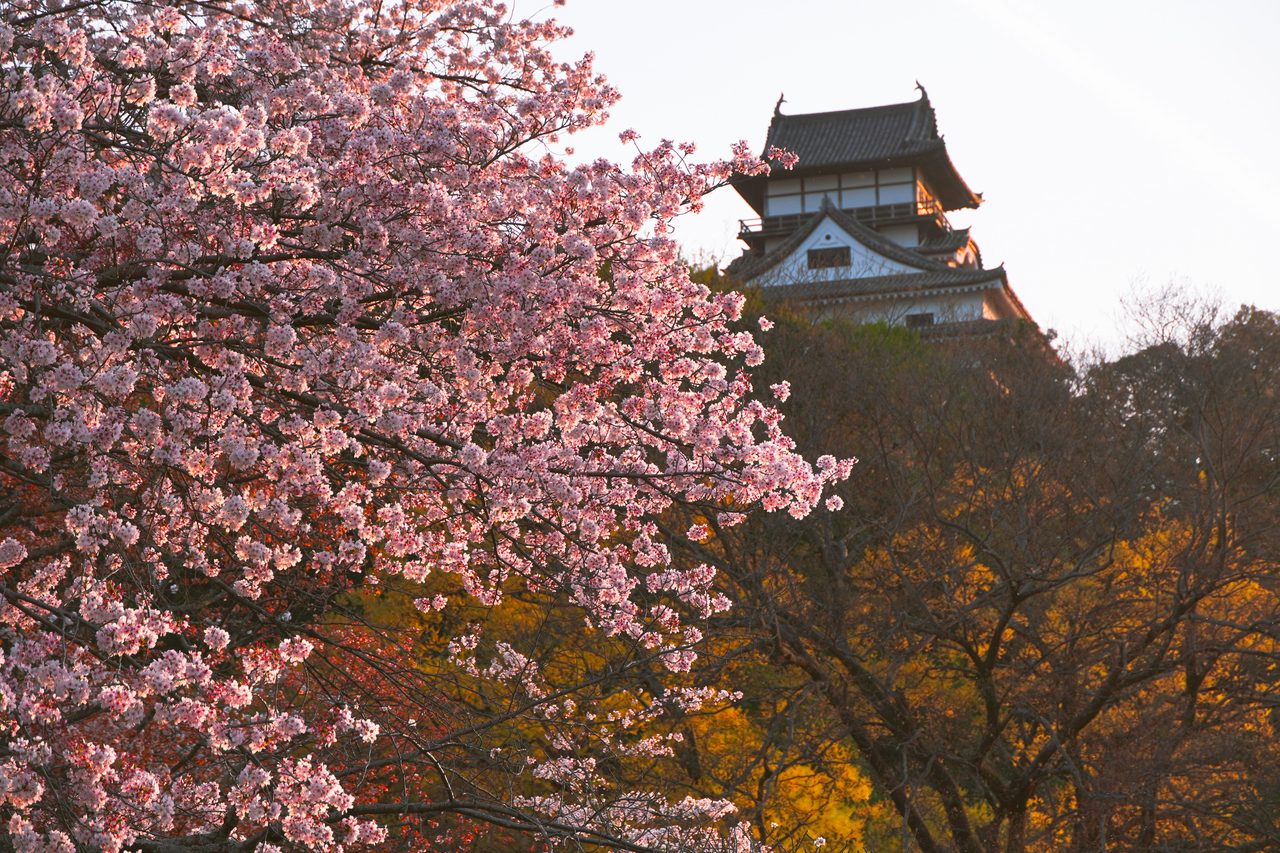
Inuyama Castle
Perched on a bluff above the Kiso River, Inuyama Castle keeps one of the small number of original wooden keeps surviving in Japan, dating to the 16th century. Unlike Nagoya's concrete reconstruction, the wooden interior here has steep, narrow stairs and low ceilings typical of genuine Sengoku-era construction. The top-floor veranda gives a view over the river and, on clear days, toward Gifu, and the small castle town below has an old merchant-street feel worth a short walk before or after.
Toyota Commemorative Museum of Industry and Technology
Housed in the former Toyoda Spinning and Weaving Company plant where the Toyota Group began, this museum traces the shift from automatic looms to automobile manufacturing that founded the company. The textile machinery hall runs working looms on a schedule, showing the mechanical automation that funded Toyota's move into cars, while the automobile hall covers early engines and body-pressing technology. It's a genuine industrial site rather than a corporate showroom, with much of the original brick factory building still in use.
Meiji Mura Open-Air Architectural Museum
Meiji Mura is an open-air park of more than 60 relocated buildings from Japan's Meiji era (1868–1912), when the country was rapidly absorbing Western architectural styles alongside traditional ones. Structures include a preserved wing of Frank Lloyd Wright's original Imperial Hotel lobby, moved here after the hotel's Tokyo building was demolished, plus former schools, churches, and a working steam locomotive line and tram that carry visitors between sections of the large hillside site. Because the grounds are spread across a former reservoir hillside, a full visit involves a fair amount of walking or use of the internal bus.
Nagoya City Science Museum
Recognizable by the large silver sphere on its exterior housing one of the world's biggest planetariums, this museum focuses on hands-on physics, chemistry, and space exhibits aimed at both children and adults. Floors are organized around themes like electricity, deep freezing, and space development, with live science demonstrations run through the day. The planetarium show itself is a major draw and often the reason to plan a visit around a specific showtime.
Recommended itineraries
Pick a length, follow the route. Each itinerary balances headline sights with breathing room.
5-Day Aichi Explorer
Day 1Arrive in Aichi, explore city center
Day 2Visit top attractions and museums
Day 3Day trip to nearby highlights
Day 4Local markets and hidden gems
Day 5Final sightseeing, departure
7-Day Classic Aichi
Days 1-2Aichi city highlights
Days 3-4Regional exploration
Days 5-6Cultural immersion and local experiences
Day 7Return and departure
14-Day Ultimate Aichi
Days 1-3Aichi comprehensive city tour
Days 4-6Northern region exploration
Days 7-9Eastern highlights
Days 10-12Southern attractions
Days 13-14Return to Aichi, departure
Where to stay in Aichi
Three tiers, every traveller covered — from cost-conscious to flagship hotels.
Budget ¥5,000–8,000 ($34–54)
Hostels, budget hotels, and guesthouses offer affordable stays without sacrificing experience.
Mid-range ¥15,000–25,000 ($100–167)
Boutique hotels and well-located accommodations provide comfort and convenience at reasonable prices.
Luxury ¥50,000–120,000 ($335–800)
World-class resorts and premium hotels deliver unforgettable experiences.
Cafés, neighbourhood gems, and tasting menus worth the table reservation.
Yabaton Honten (Main Branch)
Miso Katsu (Nagoya Meshi) · $$
This is the original location of the chain that popularized miso katsu across Japan, set in the Osu shopping and temple district. The kitchen fries pork cutlets to order and coats them in a dark, slightly sweet hatcho miso sauce rather than serving it on the side. The room is a straightforward diner setup with counter seating, built for turning tables quickly rather than lingering.
Atsuta Horaiken Honten
Hitsumabushi (Nagoya Meshi) · $$$
An old eel specialist near Atsuta Shrine, credited as the birthplace of hitsumabushi — grilled eel over rice meant to be eaten in stages: first plain, then with condiments like nori and wasabi, then as ochazuke with broth poured over. The eel is grilled Nagoya-style, without steaming first, giving it a firmer bite and crisper skin than the Kanto style. It's a formal, traditional dining room rather than a casual eatery, reflecting the price point.
Sekai no Yamachan (Main Branch)
Tebasaki (Nagoya Meshi) · $$
A tebasaki-focused izakaya chain that grew out of Nagoya and helped make the city's spiced chicken wings a signature dish nationally. Wings are deep-fried and finished with a garlic-and-pepper glaze, served in batches meant to be worked through over beer. It's a noisy, casual drinking-and-eating spot rather than a sit-down restaurant.
Yamamoto-ya Honten
Miso Nikomi Udon (Nagoya Meshi) · $$
One of Nagoya's miso nikomi udon specialists, serving thick, firm udon simmered directly in a hatcho miso broth inside individual clay pots so the noodles keep cooking and firming up at the table. The broth is notably darker and more savory than standard udon soup, an acquired taste for first-time visitors. It's a plain, functional noodle-shop room, not designed for lingering.
Hitsumabushi Bincho
Hitsumabushi (Nagoya Meshi) · $$$
Komeda Coffee Nagoya Honmachi Branch
Kissaten / Morning Set / Ogura Toast · $
A branch of the Nagoya-founded kissaten chain that popularized the free-morning-toast custom across the region. Coffee here is a classic drip style served in heavy ceramic cups, and the ogura toast pairs thick-cut, well-buttered bread with a scoop of sweet azuki bean paste, a distinctly Nagoya-area combination. The seating is deep booth-style chairs meant for sitting with a newspaper or laptop rather than a quick coffee run.
Nagoya is one of Japan's most accessible cities. Nagoya Station is a colossal rail hub served by the Tokaido Shinkansen, JR Central lines, Meitetsu Railway, and Kintetsu Railway. The city's six-line Nagoya Municipal Subway covers every major attraction. Chubu International Airport (Centrair) connects directly to Nagoya Station by Meitetsu in 28 minutes. IC cards (Manaca, Suica, ICOCA) work across all networks.
Budget breakdown
Daily spend by tier in JPY, broken out by category.
Category
Budget
Mid-range
Luxury
Accommodation
¥2,500–4,500 ($17–30) hostel or budget business hotel
¥8,000–15,000 ($54–100) mid-range hotel
¥25,000–80,000 ($167–535) premium hotel
Food (per day)
¥1,200–2,500 ($8–17)
¥3,000–6,000 ($20–40)
¥15,000–40,000 ($100–267)
Transportation
¥400–800 ($2.70–5.40)
¥600–1,200 ($4–8)
¥2,000–5,000 ($13.40–33.50)
Activities
¥500–1,500 ($3.35–10)
¥1,500–3,000 ($10–20)
¥5,000–20,000 ($33.50–134)
Daily total
¥5,000–8,000 ($34–54)
¥15,000–25,000 ($100–167)
¥50,000–120,000 ($335–800)
Best time to visit Aichi
Weather through the year in Japan
Best timeShoulderWorth avoiding
Average daytime temperature in °C. Figures are for Japan.
Nagoya is notorious for hot, muggy summers — temperatures regularly exceed 35°C (95°F) in August. Spring cherry blossoms at Nagoya Castle and Tsuruma Park are spectacular. Autumn foliage at Tokugawa-en garden and Higashiyama Park peaks in mid-November.
Essential travel tips
Buy a Manaca IC card at Nagoya Station for seamless travel on all subway, bus, and Meitetsu lines
Nagoya Meshi portions are typically large — ask for a half-portion (hanbun) at udon shops if needed
Chubu International Airport (Centrair) has excellent access; the Meitetsu Airport Express takes exactly 28 minutes
Many Nagoya attractions cluster in walking distance from Nagoya Castle — plan a half-day loop
Inuyama, Seto, and Arimatsu each deserve half-day visits; all are under 45 minutes from Nagoya by train
Hidden gems
Off-the-beaten-path corners most travellers miss.
Arimatsu Shibori Museum
A small museum dedicated to Arimatsu's 400-year-old indigo tie-dyeing tradition in a preserved merchant townscape.
Seto City Ceramic Walk
Japan's porcelain capital offers kiln tours, pottery studios, and a historic townscape far from tourist crowds.
Shirotori Garden
A traditional strolling garden with a teahouse in Nagoya's Atsuta Ward, almost entirely overlooked by foreign visitors.
Hisaya Odori Park Illumination
Nagoya TV Tower and the boulevard park directly beneath it host winter illuminations that rival Osaka's best.
Safety information
INFO
Carry cash — many smaller restaurants in Aichi still do not accept credit cards
INFO
Stay hydrated during summer visits; heat stroke risk is real above 35°C
INFO
Use Nagoya's excellent subway network at night rather than walking long distances in unfamiliar areas
Aichi is extremely safe for solo travellers, families, and female travellers. Petty theft does occur around busy transit hubs (Nagoya Station) but is uncommon by global standards. The greatest safety risk is summer heat: temperatures regularly exceed 35°C (95°F) from July through August, and heat st
What is the best time to visit Aichi?
The best time to visit Aichi is March–May and October–November. Aichi's climate is classified humid subtropical (Cfa). Summers are long, hot, and very humid (July average 35°C / 95°F peak). Winters are mild with rare snow in Nagoya though surrounding mountains can
Do I need a visa to visit Aichi?
Entry requirements follow Japan national rules. Many nationalities can enter visa-free for 90 days. Check the Japan Ministry of Foreign Affairs website (mofa.go.jp) for current requirements. Requirements vary by nationality, so check with your nearest embassy or the official immigration website before traveling.
What currency is used in Aichi?
The currency in Aichi is the Japanese Yen (JPY). ATMs are widely available in cities and tourist areas. Credit cards are accepted at most hotels and restaurants, but carry cash for markets and smaller establishments.
What language is spoken in Aichi?
The main language(s) spoken in Aichi: Japanese. In tourist areas, English is generally understood. Learning a few basic phrases in the local language is appreciated by locals.
What are the top attractions in Aichi?
The top attractions in Aichi include Nagoya Castle, Atsuta Shrine (Atsuta Jingu), Inuyama Castle, Toyota Commemorative Museum of Industry and Technology, and Meiji Mura Open-Air Architectural Museum. Each offers a unique experience, from historic landmarks to natural wonders.