
Zenko-ji Temple
One of Japan's most visited Buddhist temples, founded in the 7th century. The 5:30am Ocho-ji ceremony and underground Kaidan Meguri tunnel walk are unmissable experiences.
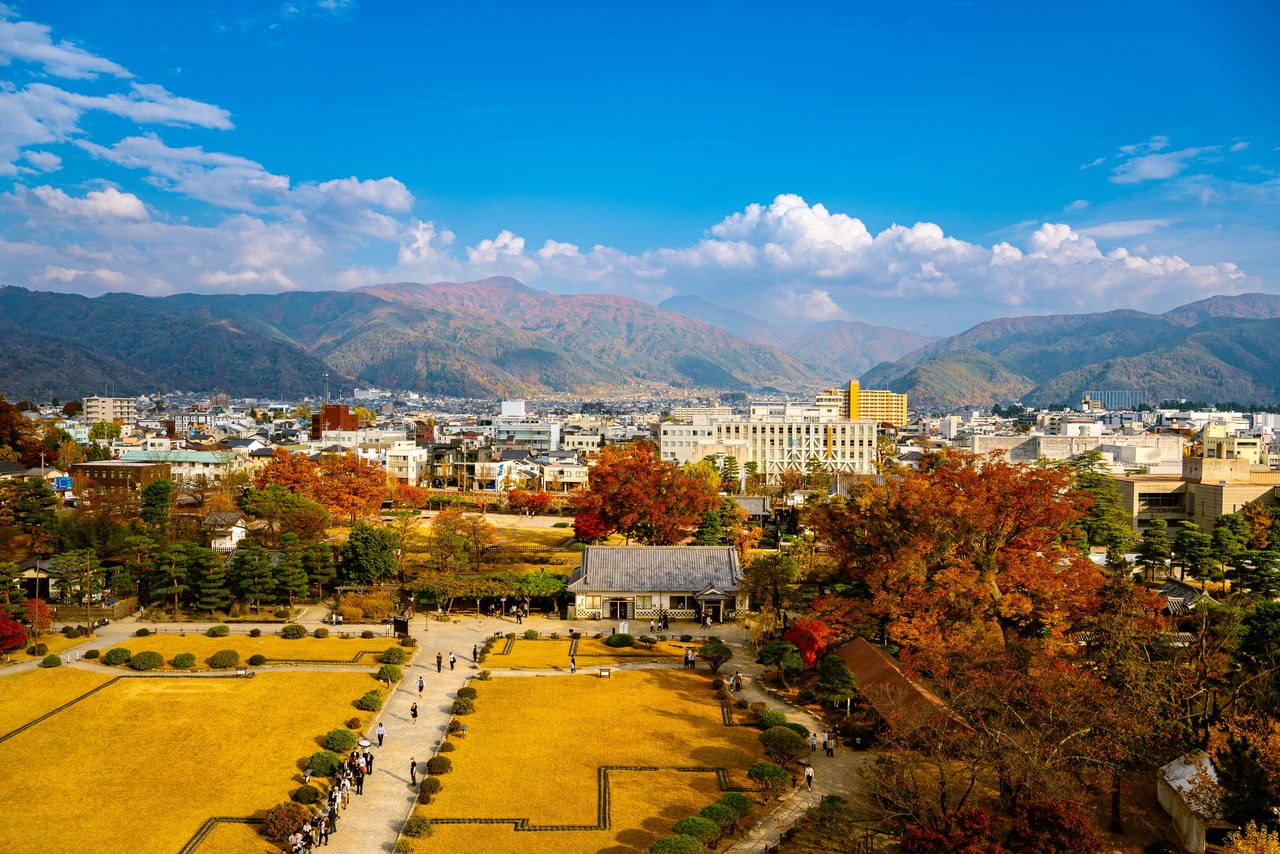
World · 12 Places · Best Late
Nagano Prefecture sits in the heart of the Japanese Alps, a landlocked mountain region of central Honshu famed for hosting the 1998 Winter Olympics. Towering peaks, deep valleys, and pristine highland plateaus define the landscape, while centuries-old temples, historic post towns along the Nakasendo highway, and legendary onsen hot springs reveal a culture shaped by isolation and resilience. The prefecture stretches across five distinct mountain ranges, offering year-round outdoor pursuits from ski slopes at Hakuba and Shiga Kogen to summer alpine trekking through Kamikochi and the Northern Japan Alps.
Nagano Prefecture covers 13,562 sq km in central Honshu, bordered by eight other prefectures. Its capital, Nagano City, anchors the Zenkoji Plain in the north and serves as the gateway to Japan's premier ski destinations. Matsumoto, the second city, guards one of Japan's three original castles. Between these urban anchors lie spa villages sunk into river gorges, feudal post towns frozen in the Edo era, and wild highland terrain roamed by snow monkeys and Japanese serow. Bullet trains (shinkansen) connect Nagano City to Tokyo in just 80 minutes, making the mountains accessible as a weekend escape while remaining a multi-week destination in their own right.
Jump straight to the experience you're planning.
The 12 destinations our editors recommend — from iconic landmarks to under-the-radar finds.
One of Japan's most visited Buddhist temples, founded in the 7th century. The 5:30am Ocho-ji ceremony and underground Kaidan Meguri tunnel walk are unmissable experiences.
Japan's oldest surviving original castle keep, nicknamed Crow Castle. Climb six stories of steep original ladders for panoramic Northern Alps views.
Japan's finest alpine valley, accessible only by bus. The Azusa River reflection of Hotaka peaks at Kappa Bridge is one of Japan's most iconic views. Open late April to mid-November.
The world's only site where wild Japanese macaques bathe in a natural hot spring. Most spectacular December–February in deep snow. A 1.6km forest trail leads to the park.
Ancient mountain shrine reached via a 2km avenue of 400-year-old cryptomeria cedars — one of Japan's most atmospheric sacred forest approaches. Three precincts spread across the highland north of Nagano City.
Japan's premier ski destination, hosting the 1998 Winter Olympic downhill events. Ten interconnected resorts offer world-class powder skiing in winter and exceptional alpine hiking from July to October.
Pick a length, follow the route. Each itinerary balances headline sights with breathing room.
Three tiers, every traveller covered — from cost-conscious to flagship hotels.
Hostels, budget hotels, and guesthouses offer affordable stays without sacrificing experience.
Boutique hotels and well-located accommodations provide comfort and convenience at reasonable prices.
World-class resorts and premium hotels deliver unforgettable experiences.
Cafés, neighbourhood gems, and tasting menus worth the table reservation.
Book a food tour in Nagano We may earn a commission from bookings made through this link.
Nagano City is served by the Hokuriku Shinkansen from Tokyo (approx. 80 min, ¥8,340/$56 USD). Matsumoto is reached by the JR Azusa limited express from Shinjuku (approx. 2.5 hours, ¥6,600/$44 USD). Within the prefecture, buses operated by Alpico and Shinano connect resorts, onsen villages, and national parks. Car rental is the most flexible option for exploring multiple areas.
Daily spend by tier in JPY, broken out by category.
| Category | Budget | Mid-range | Luxury |
|---|---|---|---|
| Accommodation | 3,000–6,000 JPY ($20–$40 USD) | 10,000–20,000 JPY ($67–$133 USD) | 30,000–100,000 JPY ($200–$667 USD) |
| Food (per day) | 1,500–3,000 JPY ($10–$20 USD) | 3,000–7,000 JPY ($20–$47 USD) | 8,000–20,000 JPY ($53–$133 USD) |
| Transportation | 1,000–2,000 JPY ($7–$13 USD) | 2,000–4,000 JPY ($13–$27 USD) | 5,000–15,000 JPY ($33–$100 USD) |
| Activities | 500–2,000 JPY ($3–$13 USD) | 2,000–5,000 JPY ($13–$33 USD) | 5,000–20,000 JPY ($33–$133 USD) |
| Daily total | 6,000–13,000 JPY ($40–$87 USD) | 17,000–36,000 JPY ($113–$240 USD) | 48,000–155,000 JPY ($320–$1,033 USD) |
Best time Shoulder Worth avoiding
Average daytime temperature in °C. Figures are for Japan.
Late April–May (cherry blossoms + fresh greenery) and December–February (snow sports)
Autumn foliage (late October–November) is spectacular in the Alps and increasingly popular. Spring Kamikochi season opens late April. Ski resorts typically operate December–April.
Download the Japan Safety Tips app for earthquake and disaster alerts
Carry cash — many rural onsen villages and mountain huts are cash-only
Register mountain hiking plans (touzan todoke) at trailheads or online
Keep a fully-charged battery pack when hiking remote trails
Check weather forecasts (tenki.jp) before Alpine treks — conditions change rapidly
Nagano Prefecture ranks among Japan's safest destinations, with extremely low rates of petty crime, violent crime, and theft. The main safety considerations are natural: earthquakes, mountain weather, volcanic activity near Kamikochi (Mt. Yakedake), bear encounters on remote trails, and severe winte
The best time to visit Nagano is Late. Nagano City experiences a humid continental climate (Köppen Dfb) with cold, snowy winters and warm summers. The surrounding mountains dramatically intensify conditions — ski resorts like Nozawa Onsen
The currency in Nagano is the Japanese Yen (JPY). ATMs are widely available in cities and tourist areas. Credit cards are accepted at most hotels and restaurants, but carry cash for markets and smaller establishments.
The main language(s) spoken in Nagano: Japanese. In tourist areas, English is generally understood. Learning a few basic phrases in the local language is appreciated by locals.
The top attractions in Nagano include Zenko-ji Temple, Matsumoto Castle, Kamikochi Alpine Valley, Jigokudani Monkey Park, and Togakushi Shrine Complex. Each offers a unique experience, from historic landmarks to natural wonders.