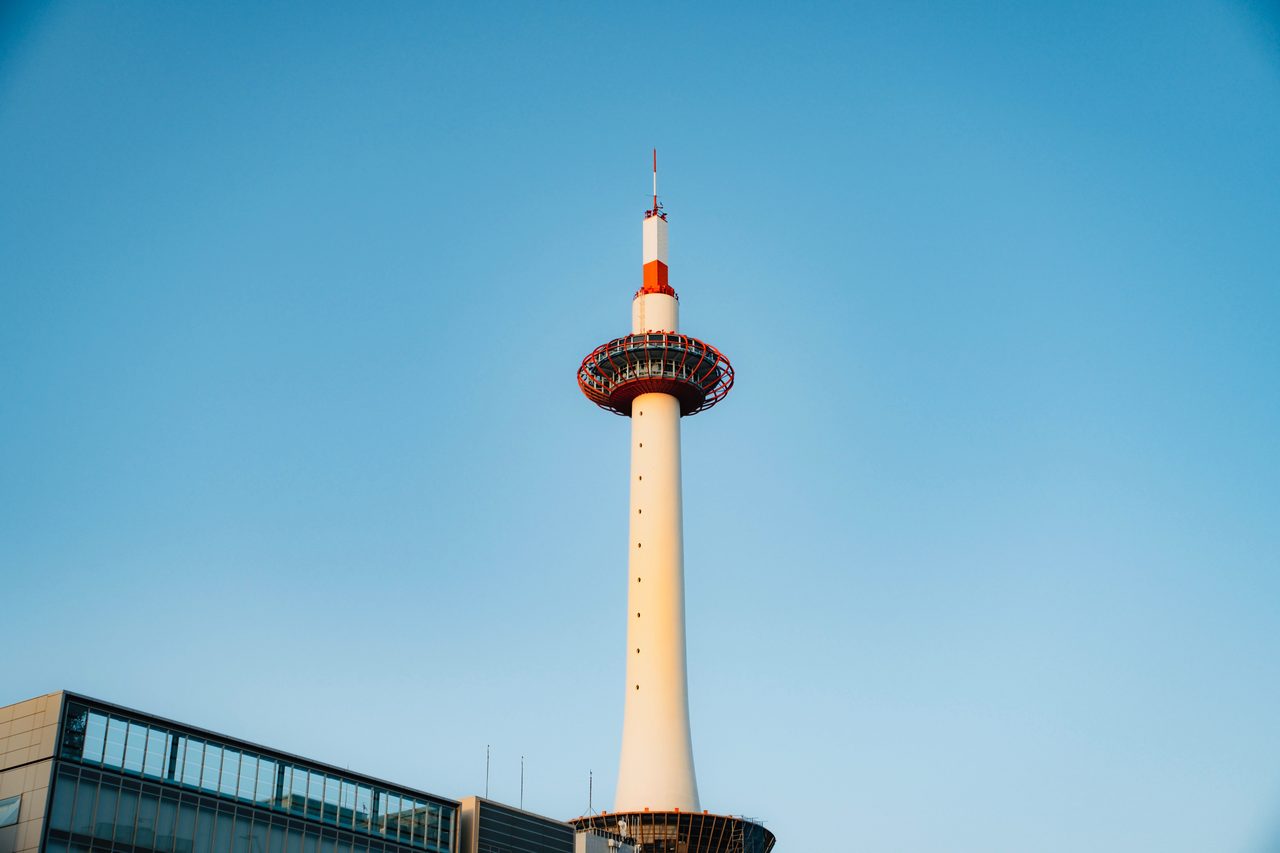
Kyoto · 25 Places · Best March-May, October-November
Kyoto
Kyoto is Japan's ancient imperial capital, home to over 1,600 Buddhist temples, 400 Shinto shrines, and 17 UNESCO World Heritage Sites. Once the seat of the Japanese emperor for over a millennium, the city preserves traditional culture, geisha districts, and stunning gardens that contrast beautifully with modern urban life.
Kyoto Prefecture encompasses the historic city of Kyoto, the ancient capital of Japan for over a thousand years. The city is renowned for its classical Buddhist temples, traditional wooden machiya townhouses, and the iconic geisha culture of the Gion district. From the vermillion torii gates of Fushimi Inari to the golden pavilion of Kinkaku-ji, Kyoto offers unparalleled cultural immersion and natural beauty across all four seasons.
The 25 destinations our editors recommend — from iconic landmarks to under-the-radar finds.
Fushimi Inari Taisha
Japan's most iconic Shinto shrine is famous for its seemingly endless tunnels of thousands of vermillion torii gates winding up the forested slopes of Mt. Inari. The shrine is dedicated to Inari, the god of rice, sake, and business prosperity. The full hike to the summit takes 2-3 hours and rewards with sweeping views over Kyoto. Fox statues (kitsune) as divine messengers are found throughout the grounds.
Kinkaku-ji (Golden Pavilion)
Kinkaku-ji, or the Temple of the Golden Pavilion, is Kyoto's most photographed landmark. The three-storied Zen Buddhist temple is covered in gold leaf and reflects perfectly in the mirror pond surrounding it. Originally built as a retirement villa for Shogun Ashikaga Yoshimitsu in 1397, it became a Zen temple after his death. The current building is a 1955 reconstruction after being burned by a fanatic monk in 1950.
Arashiyama Bamboo Grove
One of Japan's most distinctive natural landscapes, the Arashiyama Bamboo Grove consists of towering green stalks that sway and rustle in the breeze, filtering light in otherworldly ways. The main path runs for about 500 meters between Tenryu-ji and Okochi Sanso villa. The area is one of Japan's '100 Soundscapes' due to the distinctive sound of wind through bamboo. Best combined with the wider Arashiyama district.
Gion District
Kyoto's most famous geisha district is a remarkably well-preserved area of traditional machiya townhouses, ochaya (teahouses), and stone-paved lanes. Hanamikoji Street is the heart of Gion, lined with exclusive restaurants and teahouses behind latticed facades. In the early evening, you may spot geiko (Kyoto geisha) or maiko (apprentice geisha) in full kimono hurrying to engagements. Gion Matsuri in July is Japan's most famous festival.
Nijo Castle (Nijo-jo)
Built in 1603 as the official Kyoto residence of the Tokugawa shoguns, Nijo Castle is a UNESCO World Heritage Site renowned for its 'nightingale floors' (uguisubari) that squeak deliberately to warn of intruders. The Ninomaru Palace interior contains stunning painted sliding screens by the Kano school depicting tigers, eagles, and pine trees. The extensive Japanese gardens include cherry trees and a classic rock garden.
Kiyomizu-dera Temple
One of the most celebrated temples in Japan, Kiyomizu-dera ('Pure Water Temple') clings dramatically to the hillside of Mt. Otowa with a massive wooden stage jutting out over the forested slope, offering panoramic views of Kyoto. Founded in 778 CE, the current buildings date from 1633 and are constructed without a single nail. The Otowa waterfall below has three streams believed to grant longevity, success in studies, and luck in love.
Recommended itineraries
Pick a length, follow the route. Each itinerary balances headline sights with breathing room.
5-Day Kyoto Explorer
Day 1Arrive in Kyoto, explore city center
Day 2Visit top attractions and museums
Day 3Day trip to nearby highlights
Day 4Local markets and hidden gems
Day 5Final sightseeing, departure
7-Day Classic Kyoto
Days 1-2Kyoto city highlights
Days 3-4Regional exploration
Days 5-6Cultural immersion and local experiences
Day 7Return and departure
14-Day Ultimate Kyoto
Days 1-3Kyoto comprehensive city tour
Days 4-6Northern region exploration
Days 7-9Eastern highlights
Days 10-12Southern attractions
Days 13-14Return to Kyoto, departure
Where to stay in Kyoto
Three tiers, every traveller covered — from cost-conscious to flagship hotels.
Budget $50-80
Hostels, budget hotels, and guesthouses offer affordable stays without sacrificing experience.
Mid-range $120-180
Boutique hotels and well-located accommodations provide comfort and convenience at reasonable prices.
Luxury $350-600+
World-class resorts and premium hotels deliver unforgettable experiences.
The Ritz-Carlton Kyoto
Kamogawa Riverside, Nakagyo Ward · $$$$
The Ritz-Carlton Kyoto occupies a prime riverside position on the Kamogawa River between Sanjo and Shijo bridges, with stunning views toward the Higashiyama mountains. Opened in 2014, the 134-room hotel blends contemporary Japanese design with Ritz-Carlton luxury. The Tempura Bar, Mizuki restaurant serving traditional Japanese cuisine, and the spa with bespoke treatments using Japanese botanicals are standouts.
Founded in the early 18th century, Tawaraya is Japan's most celebrated and exclusive ryokan, consistently ranked among the world's finest hotels. Eighteen intimate suites are arranged around a private garden. Guests sleep on futon, dine on exceptional kaiseki meals served in their room, and experience the perfection of Japanese omotenashi hospitality. Past guests include Steve Jobs, Alfred Hitchcock, and numerous heads of state.
Marriott's Luxury Collection hotel in Arashiyama occupies a stunning riverside location beside the Oi River with views of the bamboo-covered mountains. The property blends traditional architecture with modern luxury, featuring rooms with private terraces over the water, a full-service spa, and exceptional seasonal cuisine. Walking distance to the Bamboo Grove and Tenryu-ji.
Hoshino Resort's flagship Kyoto property is accessible only by boat along the Oi River in Arashiyama - there is no road access. The remote ryokan occupies a forested hillside with spectacular views and complete privacy. Rooms are contemporary Japanese minimalist with private terraces. Traditional arts experiences, forest meditation, and kaiseki cuisine make this one of Kyoto's most exceptional stays.
Cafés, neighbourhood gems, and tasting menus worth the table reservation.
Kikunoi Honten
Kaiseki · $$$$
Chef Kunio Tsuji's three-Michelin-starred kaiseki restaurant in Higashiyama is one of Japan's most celebrated dining institutions. The seasonal kaiseki menus change monthly reflecting Japanese culinary traditions at their finest - each dish a composition of taste, texture, and seasonal beauty. The setting in a beautiful garden machiya adds immeasurably to the experience. Reservations essential months in advance.
Mizai
Kaiseki · $$$$
Chef Hitoshi Ishihara's intimate Michelin-starred kaiseki restaurant seats only eight at a time, creating an extraordinarily exclusive dining experience. Located in a traditional townhouse in Fushimi, Mizai presents a single seasonal kaiseki course that changes entirely each month. The chef sources exclusively from local Kyoto farmers and fishermen.
Nakamura
Kaiseki · $$$$
Dating from 1716 in the Nishiki Market area, Nakamura is Kyoto's oldest kaiseki restaurant and one of Japan's most historically significant culinary establishments. The elegant rooms overlook a traditional garden. The cuisine represents the Kyoto tradition of shojin-inspired cooking with exceptional seasonal vegetables and tofu alongside seafood and light protein.
Misoka-an Kawamichiya
Soba · $$
Founded in 1716 on the same historic street as major temples, Kawamichiya is one of Kyoto's most beloved soba restaurants. The handmade buckwheat noodles are served in classic Kyoto style with delicate dashi broth. The tatami dining rooms and beautiful garden create an appropriately historic atmosphere. Famous for hera-soba (soba on a wooden paddle).
Nishiki Warai
Okonomiyaki / Takoyaki · $
A lively, casual restaurant inside Nishiki Market serving Osaka-style okonomiyaki (savory pancakes) and takoyaki (octopus balls). Sit at the counter and watch the chefs work on the iron teppan griddles. Excellent value, fun atmosphere, and delicious comfort food. A refreshing change from temples and kaiseki.
Ippudo Kyoto
Ramen · $
The Kyoto branch of the legendary Ippudo ramen chain, serving their renowned tonkotsu (pork bone broth) ramen in a stylish modern setting near Kyoto Station. The Shiromaru Classic and Akamaru Modern are the signature bowls. Quality consistent and lines move quickly.
Kyoto has an extensive public transport network of buses and two subway lines covering almost every attraction in the city. The IC card system (Suica or ICOCA) makes traveling seamless. For areas the bus and subway don't reach easily, taxis and bicycle rental are excellent options. Kyoto is also extremely walkable in its historic core.
Budget breakdown
Daily spend by tier in JPY, broken out by category.
Category
Budget
Mid-range
Luxury
Accommodation
$20-35
$80-120
$250-500
Food (per day)
$15-25
$30-50
$80-150
Transportation
$8-12
$10-15
$30-50
Activities
$5-10
$15-25
$50-100
Daily total
$50-80
$120-180
$350-600+
Best time to visit Kyoto
Weather through the year in Japan
Best timeShoulderWorth avoiding
Average daytime temperature in °C. Figures are for Japan.
Essential travel tips
Get a Suica or ICOCA card for easy transit payments
Visit major temples early morning to avoid crowds
Book ryokan well in advance especially during cherry blossom season
Hidden gems
Off-the-beaten-path corners most travellers miss.
Fushimi Momoyama Castle
Often overlooked historical site with great city views
Fushimi Ward
Nishiki Tenmangu Shrine
Hidden shrine within Nishiki Market
Downtown Kyoto
Kurama Onsen
Mountain hot spring resort north of Kyoto
Kurama
Safety information
INFO
Keep valuables secure in crowded tourist areas like Nishiki Market and major temples where pickpocketing, while rare, can occur
INFO
Respect temple and shrine rules at all times — do not step on thresholds, touch statues, or photograph restricted inner sanctuaries
INFO
Carry sufficient cash as many small restaurants, temple stalls, and traditional establishments in Kyoto are cash-only; 7-Eleven ATMs reliably accept foreign cards
INFO
Never photograph geiko (geisha) or maiko (apprentice geisha) without explicit permission — Gion has signage prohibiting such behavior and authorities enforce it
INFO
Know earthquake preparedness basics: if indoors, get under a sturdy table, protect your head, and stay away from windows; your hotel will have guidance
INFO
Take summer heat seriously — Kyoto's July-August temperatures reach 35-38°C with high humidity; rest in air-conditioned spaces during midday and stay hydrated
INFO
Drive and cycle on the left; always use bicycle lights after dark and dismount in heavily congested pedestrian shopping streets
INFO
Monitor typhoon forecasts during June-October typhoon season via the Japan Meteorological Agency (JMA) website
INFO
Check whether your medications are permitted in Japan before travel — some common Western medicines including certain cold medicines and stimulants are regulated
INFO
Download Google Translate with offline Japanese language pack and save the JNTO visitor hotline (050-3816-2787, 24hrs) for emergencies
INFO
Avoid eating or drinking while walking in Kyoto — it is considered poor manners except at festival food stalls
INFO
Tattoos may restrict access to some onsen (hot springs) in Kyoto Prefecture — check individual establishment policies before visiting
Frequently asked questions
Is Kyoto safe to visit in 2026?
Kyoto is one of the safest cities in the world for travelers, with extremely low crime rates and virtually no violent crime against tourists. Japan's culture of honesty means lost wallets are frequently returned intact, and travelers of any background can explore with confidence. Emergency services: police at 110, medical at 119.
Do I need a visa to visit Kyoto?
Entry requirements follow Japan rules. Many nationalities can enter visa-free for 90 days. Check Japan's Ministry of Foreign Affairs for current requirements. Requirements vary by nationality, so check with your nearest embassy or the official immigration website before traveling.
What currency is used in Kyoto?
The currency in Kyoto is the Japanese Yen (JPY). ATMs are widely available in cities and tourist areas. Credit cards are accepted at most hotels and restaurants, but carry cash for markets and smaller establishments.
What language is spoken in Kyoto?
The main language(s) spoken in Kyoto: Japanese. In tourist areas, English is generally understood. Learning a few basic phrases in the local language is appreciated by locals.
What are the top attractions in Kyoto?
The top attractions in Kyoto include Fushimi Inari Taisha, Kinkaku-ji (Golden Pavilion), Arashiyama Bamboo Grove, Gion District, and Nijo Castle (Nijo-jo). Each offers a unique experience, from historic landmarks to natural wonders.
Explore Kyoto by city
The cities below have their own guides — hotels, attractions and where to eat, in depth.