Okinawa · 12 Places · Best March to May, October to November
Okinawa
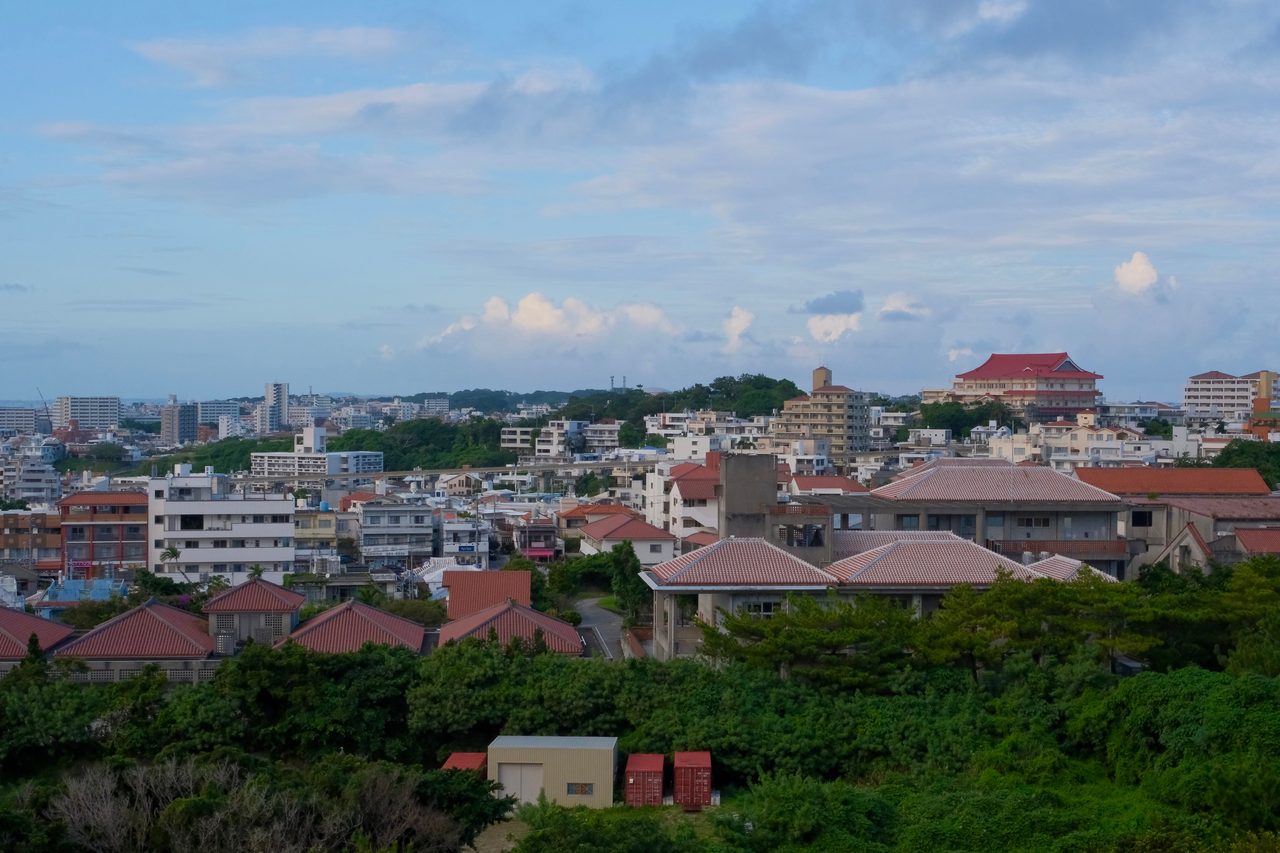
Okinawa is Japan's southernmost prefecture, an archipelago of over 160 islands scattered across the East China Sea with a subtropical climate and unique Ryukyuan cultural heritage. Known for its crystal-clear turquoise waters, white sand beaches, and ancient castle ruins, Okinawa offers a distinctly different experience from mainland Japan. The islands are also celebrated worldwide for the extraordinary longevity of their residents and a laid-back lifestyle shaped by centuries of trade and cultural exchange.
Okinawa Prefecture comprises the Ryukyu Islands stretching from Kyushu to Taiwan, encompassing a rich tapestry of ancient castles, vibrant coral reefs, and a cuisine unlike anywhere else in Japan. The main island hosts the prefectural capital Naha with its famous Kokusai Dori shopping street and the restored Shuri Castle, once the seat of the Ryukyu Kingdom. Outer islands like the Kerama group and Yaeyama chain offer pristine wilderness, world-class diving, and remote beaches barely touched by tourism. American cultural influence from ongoing US military presence adds another unique dimension to the islands' cosmopolitan character.
The 12 destinations our editors recommend — from iconic landmarks to under-the-radar finds.
Shuri Castle
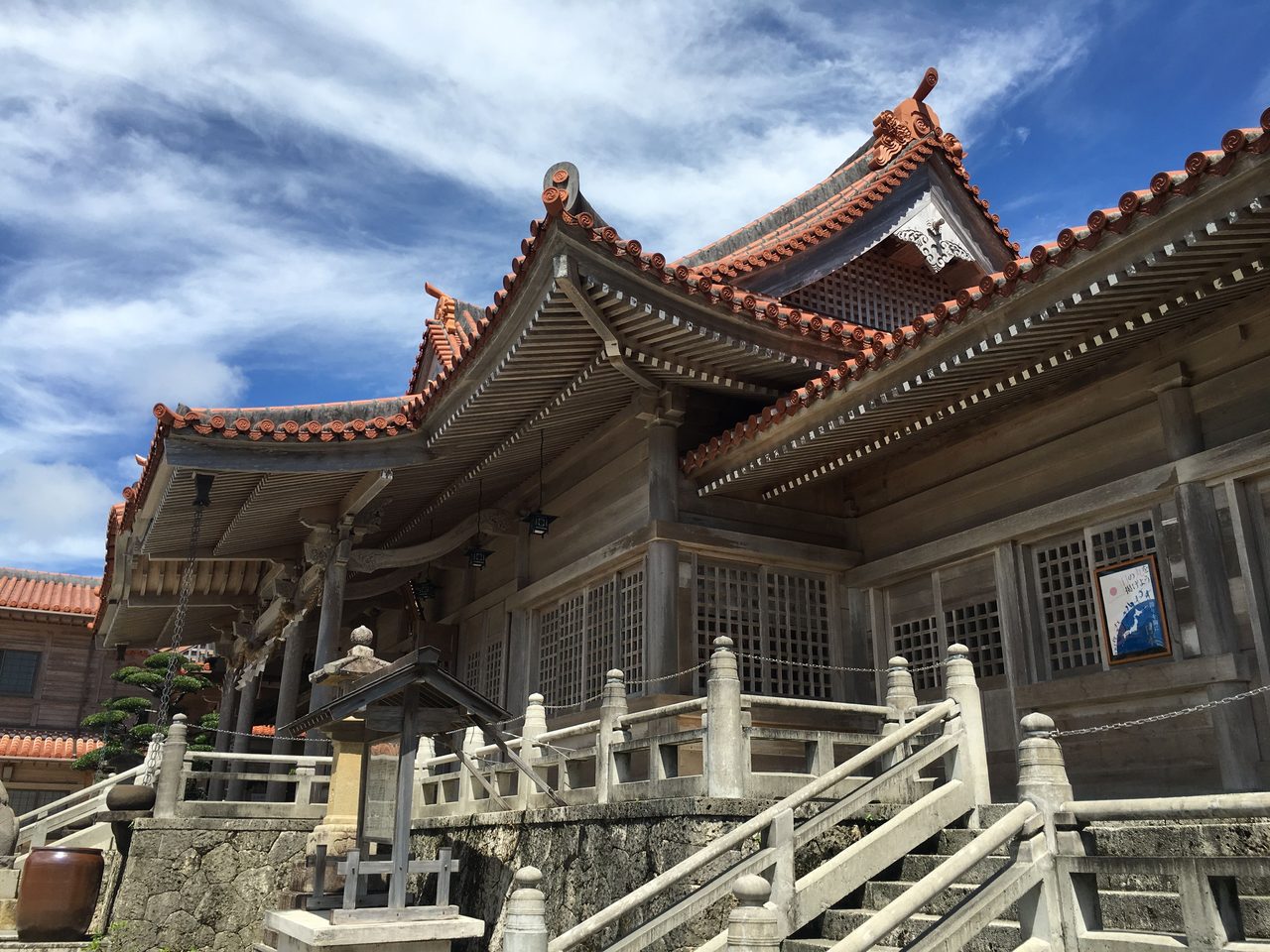
Shuri Castle is the iconic symbol of Okinawa and the former royal palace of the Ryukyu Kingdom, a UNESCO World Heritage Site whose vermilion halls blend Chinese and Japanese architectural influence. The Seiden main hall, destroyed in a 2019 fire, is undergoing careful reconstruction using traditional joinery, while the surrounding gates, walls, and gardens remain open to visitors.
Okinawa Churaumi Aquarium
Churaumi Aquarium is the centerpiece of Ocean Expo Park in northern Okinawa. Its Kuroshio Sea tank holds 7,500 cubic meters of water and houses whale sharks and manta rays, and the facility was the first in the world to successfully breed manta rays in captivity.
Kokusai Dori (International Street)
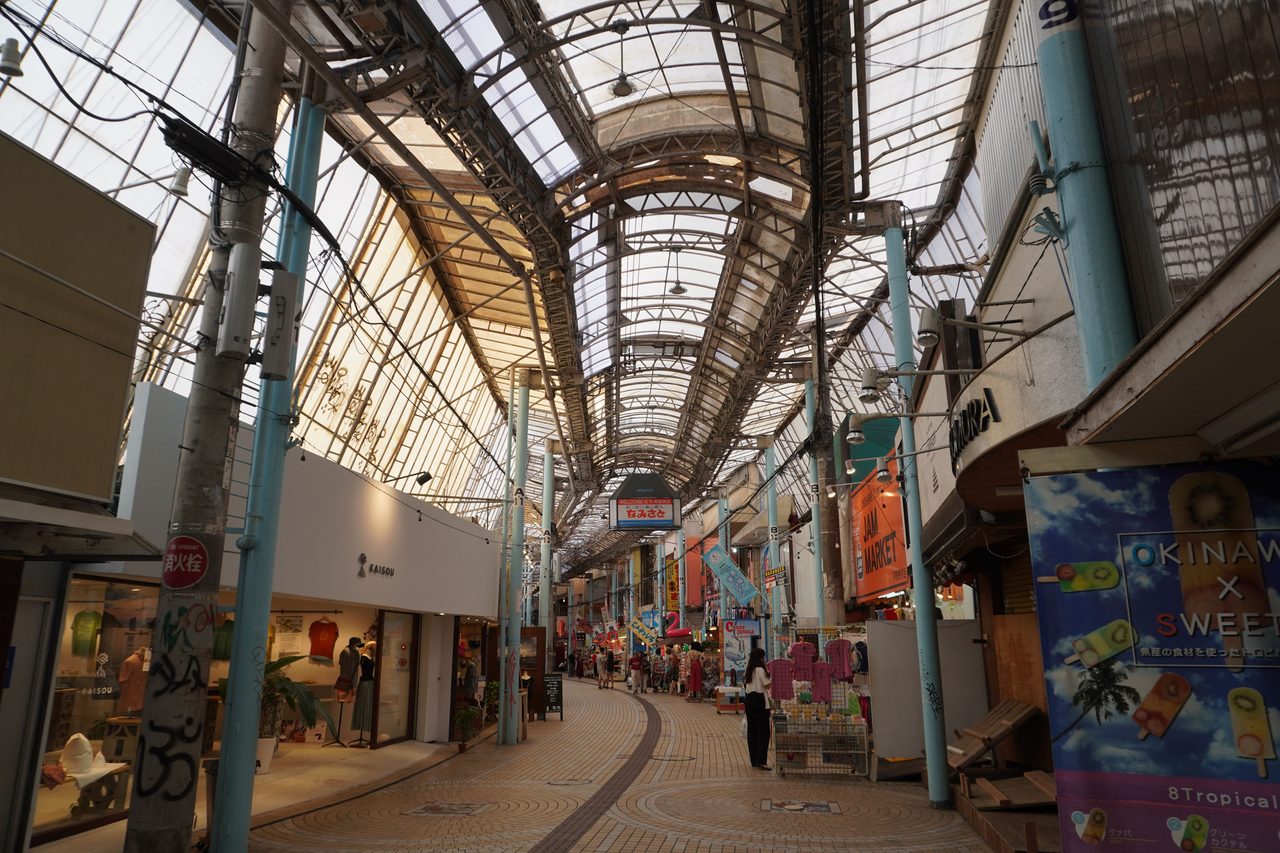
Kokusai Dori is Naha's vibrant main thoroughfare, lined with souvenir shops, Okinawan craft stores, and restaurants. Nicknamed the 'Miracle Mile' after its rapid postwar reconstruction, it remains the default first stop for most visitors to Okinawa.
Cape Manzamo
Cape Manzamo is one of Okinawa's most photographed natural landmarks, with dramatic limestone cliffs sculpted by wind and waves into a shape resembling an elephant's trunk, framed by sweeping views of the East China Sea.
Okinawa World and Gyokusen-do Cave
Okinawa World is a cultural theme park built around the Gyokusen-do limestone cave, one of Japan's longest, with an underground stream and a procession of stalactites and stalagmites, alongside a recreated traditional Ryukyuan village.
Zamami Island
Zamami Island is the most visited of the Kerama Islands, known for Furuzamami and Ama beaches' near-luminous turquoise water, world-class snorkeling and diving, and seasonal humpback whale watching just offshore.
Recommended itineraries
Pick a length, follow the route. Each itinerary balances headline sights with breathing room.
5-Day Okinawa Explorer
Day 1Arrive in Okinawa, explore city center
Day 2Visit top attractions and museums
Day 3Day trip to nearby highlights
Day 4Local markets and hidden gems
Day 5Final sightseeing, departure
7-Day Classic Okinawa
Days 1-2Okinawa city highlights
Days 3-4Regional exploration
Days 5-6Cultural immersion and local experiences
Day 7Return and departure
14-Day Ultimate Okinawa
Days 1-3Okinawa comprehensive city tour
Days 4-6Northern region exploration
Days 7-9Eastern highlights
Days 10-12Southern attractions
Days 13-14Return to Okinawa, departure
Where to stay in Okinawa
Three tiers, every traveller covered — from cost-conscious to flagship hotels.
Budget $60
Hostels, budget hotels, and guesthouses offer affordable stays without sacrificing experience.
Mid-range $150
Boutique hotels and well-located accommodations provide comfort and convenience at reasonable prices.
Luxury $400+
World-class resorts and premium hotels deliver unforgettable experiences.
ANA InterContinental Manza Beach Resort
Onna Village · $$$$
One of Okinawa's most prestigious beach resorts, the ANA InterContinental sits directly on the stunning Manza Beach with its own private stretch of Onna's renowned coastline. The resort offers an outstanding range of water sports, multiple restaurants and bars, a large outdoor pool complex, and a full-service spa. Rooms and suites face the East China Sea, many with private balconies and spectacular sunset views. The resort has consistently been ranked among the top beach hotels in Japan.
Kafuu Resort Fuchaku offers a unique combination of hotel services and condo-style accommodation right on Fuchaku Beach in Onna. Each spacious unit includes a full kitchen, living area, and private terrace overlooking the turquoise sea. The beachfront location is ideal for snorkeling directly from the property, and the resort has excellent facilities including multiple pools, restaurants, and an on-site spa. Popular with families and longer-stay guests seeking more space and flexibility than a standard hotel room.
Set on a private peninsula near Manza Beach, the Hyatt Regency Seragaki Island offers one of Okinawa's most exclusive resort experiences. The property features overwater bungalows and clifftop villas with direct ocean access, multiple dining venues showcasing Okinawan and international cuisine, and a stunning infinity pool perched above the sea. The world-class spa incorporates traditional Ryukyuan wellness practices. Guest activities range from private snorkeling tours to sunset sailing, with the highest level of personalized service.
Halekulani Okinawa is the Japanese flagship of the iconic Honolulu luxury brand, bringing Hawaiian-inspired luxury to Okinawa's Onna coast. The resort features eight swimming pools including a spectacular 60-meter main pool, an internationally acclaimed spa, and award-winning dining at multiple restaurants. The elegant design blends Okinawan traditions with Hawaiian warmth, and the service standards match its legendary Waikiki counterpart. The beachfront location offers stunning sunset views over the East China Sea.
Cafés, neighbourhood gems, and tasting menus worth the table reservation.
Yunangi
Traditional Okinawan · $$
One of Naha's most celebrated traditional Okinawan restaurants, Yunangi serves carefully prepared homestyle Ryukyuan dishes in a warmly lit, intimate setting. The menu features all the classics — goya champuru, rafute braised pork belly, jimami tofu, and umibudo sea grapes — using locally sourced ingredients. Their Okinawan soba is widely considered among the best in the city. The rustic wooden interior with antique Okinawan decorations creates an authentic atmosphere that transports diners back to old Naha.
Sensei Kumoji
Okinawan / Izakaya · $$
Sensei Kumoji is a beloved Naha institution serving generous portions of authentic Okinawan izakaya fare in a lively, convivial atmosphere. The menu is encyclopedic — covering mimiga (pig ear), soki soba (rib soba), tofuyo (fermented tofu), champuru stir-fries, and an excellent selection of awamori spirits. The restaurant's location near Kokusai Dori makes it popular with both tourists and local Okinawans seeking classic home cooking in a social setting.
Helios Pub & Restaurant
Okinawan / Craft Beer · $$
Helios Pub is the flagship venue of Okinawa's premier craft brewery, serving Helios-brewed beers alongside a menu of Okinawan dishes perfectly paired with craft ales and stouts. The brewery produces distinctive beers including Goya Dry (made with bitter melon) and an awamori-infused ale. The pub food menu covers Okinawan staples with a modern twist, including excellent champuru dishes and local seafood platters. A popular stop on any Kokusai Dori evening.
Hamabe no Chaya
Cafe / Light Meals · $
Hamabe no Chaya (Beach Teahouse) is one of Okinawa's most magical dining experiences — a rustic wooden cafe perched directly over the ocean on southern Okinawa's rocky coast, where waves crash beneath the floorboards at high tide. The menu is simple: sandwiches, pancakes, coffee, and Okinawan teas, but the setting is incomparable. Diners sit in low wooden chairs and watch the sea through large windows or from open-air decking. Sunrise visits are particularly memorable.
Taco Rice Cafe Kijimuna
Okinawan Fusion / Taco Rice · $
Taco rice — seasoned ground beef, cheese, lettuce, and tomato served on white rice — was invented in Kin Town near the US military bases, and Kijimuna is widely credited as the birthplace of this beloved Okinawan fusion dish. The original owner Matsuzo Gibo created taco rice in 1984 as an affordable meal for US servicemen, and today it has become one of Okinawa's most iconic dishes. The simple diner atmosphere adds to the experience of eating the authentic original version.
Daichi Maru
Okinawan Seafood · $$
Located at Naha's Tomari fishing port, Daichi Maru is the place to come for supremely fresh Okinawan seafood straight from the boats. The no-frills fish market atmosphere belies the exceptional quality of the dishes — grilled island fish, sashimi of local varieties like grouper and parrotfish, and the best mozuku seaweed salad in Naha. Open for lunch and dinner, it fills up quickly with local fishermen, off-duty chefs, and in-the-know tourists.
Getting around Okinawa requires some planning. The Yui Rail monorail covers central Naha efficiently, but beyond the city a rental car is strongly recommended to explore the island's attractions spread across 130km from Naha to Cape Hedo. Buses connect most major destinations but are slow and infrequent outside Naha. Ferries link the main island to the beautiful outer islands including the Kerama group.
Budget breakdown
Daily spend by tier in JPY, broken out by category.
Category
Budget
Mid-range
Luxury
Accommodation
$25
$80
$250
Food (per day)
$15
$35
$100
Transportation
$10
$15
$30
Activities
$10
$20
$50
Daily total
$60
$150
$400+
Best time to visit Okinawa
Weather through the year in Japan
Best timeShoulderWorth avoiding
Average daytime temperature in °C. Figures are for Japan.
Essential travel tips
Rent a car to explore beyond Naha
Try local specialties like Okinawa soba, goya champuru, and taco rice
Book accommodations early for July-August
Learn a few basic Japanese phrases
Purchase an OKICA IC card for bus and monorail travel
Hidden gems
Off-the-beaten-path corners most travellers miss.
Cape Manzamo
Dramatic limestone cliffs with elephant trunk rock formation
Onna Village
Zamami Island
Remote island with pristine beaches and winter whale watching
Kerama Islands
Nakijin Castle Ruins
UNESCO World Heritage castle ruins with panoramic sea views
Nakijin Village
Safety information
INFO
Monitor Japan Meteorological Agency (jma.go.jp) typhoon forecasts regularly during July-October typhoon season.
INFO
Stock 2-3 days of food and water if a typhoon warning is issued; remain inside until the all-clear is given.
INFO
Swim only at supervised beaches and obey the beach flag warning system: green (safe), yellow (caution), red (closed).
INFO
Wear a jellyfish guard suit or full-coverage swimsuit May-October to protect against habu-kurage (box jellyfish).
INFO
Never swim or snorkel alone — strong ocean currents can develop suddenly, particularly on the east (Pacific) coast.
INFO
Wear reef shoes and avoid standing on coral; sharp coral cuts in tropical water are prone to serious infection.
INFO
Use reef-safe sunscreen (without oxybenzone or octinoxate) to protect Okinawa's precious coral reef ecosystems.
INFO
In rural and forested areas, wear enclosed shoes and long trousers to avoid habu snake encounters — they are venomous pit vipers that are nocturnal and often hide under rocks and wood.
INFO
Leave valuables (passports, extra cash) in your hotel safe rather than in parked rental cars, particularly at beach car parks.
INFO
Obtain travel insurance that covers typhoon-related trip cancellations and medical evacuation before traveling to Okinawa.
If caught in a rip current, swim parallel to the shore to escape the current — never swim directly against it.
INFO
Be cautious at cliff viewpoints (Cape Manzamo, Cape Hedo) — barriers are not always present and paths can be slippery after rain.
INFO
Apply high-SPF sunscreen and reapply every 2 hours; the subtropical UV index in Okinawa is intense year-round, even on overcast days.
INFO
Seek prompt medical attention for any jellyfish sting: rinse with seawater (not fresh water), apply vinegar, and do not rub — seek emergency treatment for box jellyfish stings.
Frequently asked questions
Do I need a visa to visit Okinawa?
Entry requirements follow Japan rules. Most Western passport holders can visit Japan visa-free for up to 90 days. Requirements vary by nationality, so check with your nearest embassy or the official immigration website before traveling.
What currency is used in Okinawa?
The currency in Okinawa is the Japanese Yen (JPY). ATMs are widely available in cities and tourist areas. Credit cards are accepted at most hotels and restaurants, but carry cash for markets and smaller establishments.
What language is spoken in Okinawa?
The main language(s) spoken in Okinawa: Japanese, Okinawan (Ryukyuan). In tourist areas, English is generally understood. Learning a few basic phrases in the local language is appreciated by locals.