Miyazaki · 20 Places · Best March-May, October-November
Miyazaki
Miyazaki is a sun-drenched prefecture on the eastern coast of Kyushu island, celebrated for its subtropical beaches, ancient Shinto mythology, dramatic gorges, and one of Japan's most distinctive regional cuisines. Home to Takachiho Gorge, the sacred site linked to the birth of Japan, and the stunning Nichinan Coast, Miyazaki offers travelers a rare blend of natural drama, spiritual depth, and coastal relaxation far from the crowds of Japan's classic tourist trail.
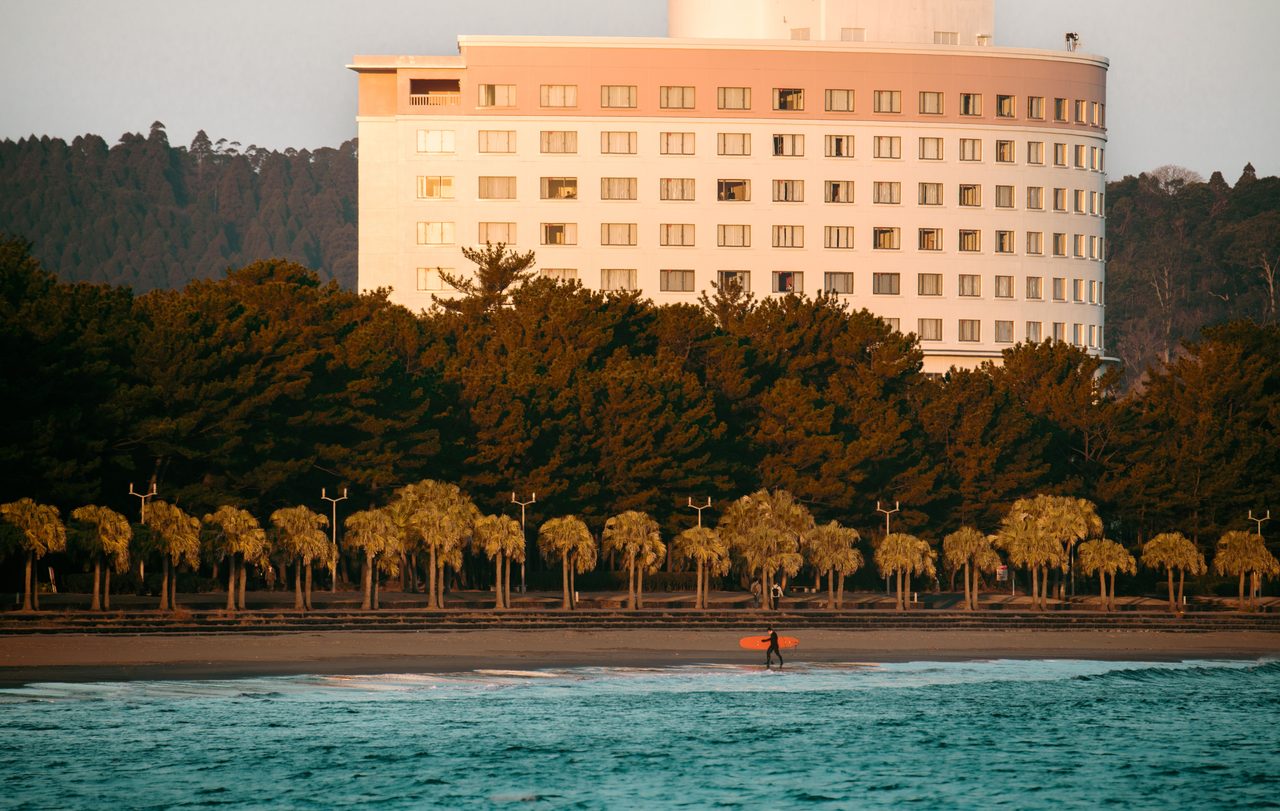
Miyazaki Prefecture occupies the southeastern corner of Kyushu and enjoys more sunshine hours per year than almost any other prefecture in Japan. The region is rooted in Japanese creation mythology — Takachiho Gorge, where the sun goddess Amaterasu is said to have hidden in a cave, sits inland, while the rugged Nichinan Coast is dotted with ancient cave shrines and wild horse headlands. Miyazaki City itself is a relaxed, modern capital with excellent beaches, world-class surfing at Kisakibaru, and the famous Seagaia Resort. The prefecture is equally known for its premium wagyu beef, the invented-here chicken nanban dish, and subtropical fruit orchards producing Japan's finest mangoes.
The 20 destinations our editors recommend — from iconic landmarks to under-the-radar finds.
Takachiho Gorge
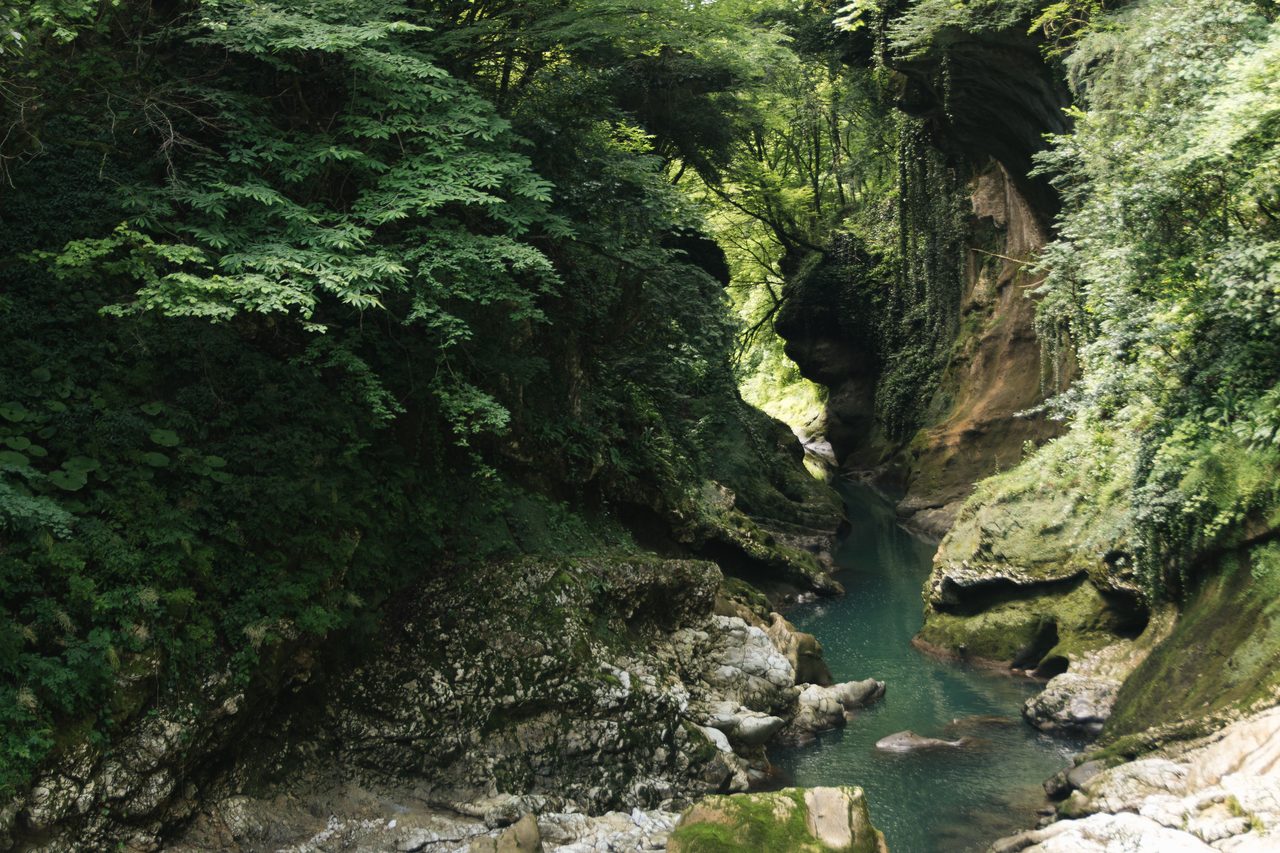
A narrow basalt canyon carved by the Gokase River, formed by lava flows from Mount Aso that cooled into the columnar joints visible in the cliff walls. The Manai Falls drops directly into the gorge, and the short walking path along the rim gives views down onto the water and the rowboats below. It's tied to Japanese creation mythology as one of the sites associated with the descent of the gods.
Aoshima Shrine & Aoshima Island
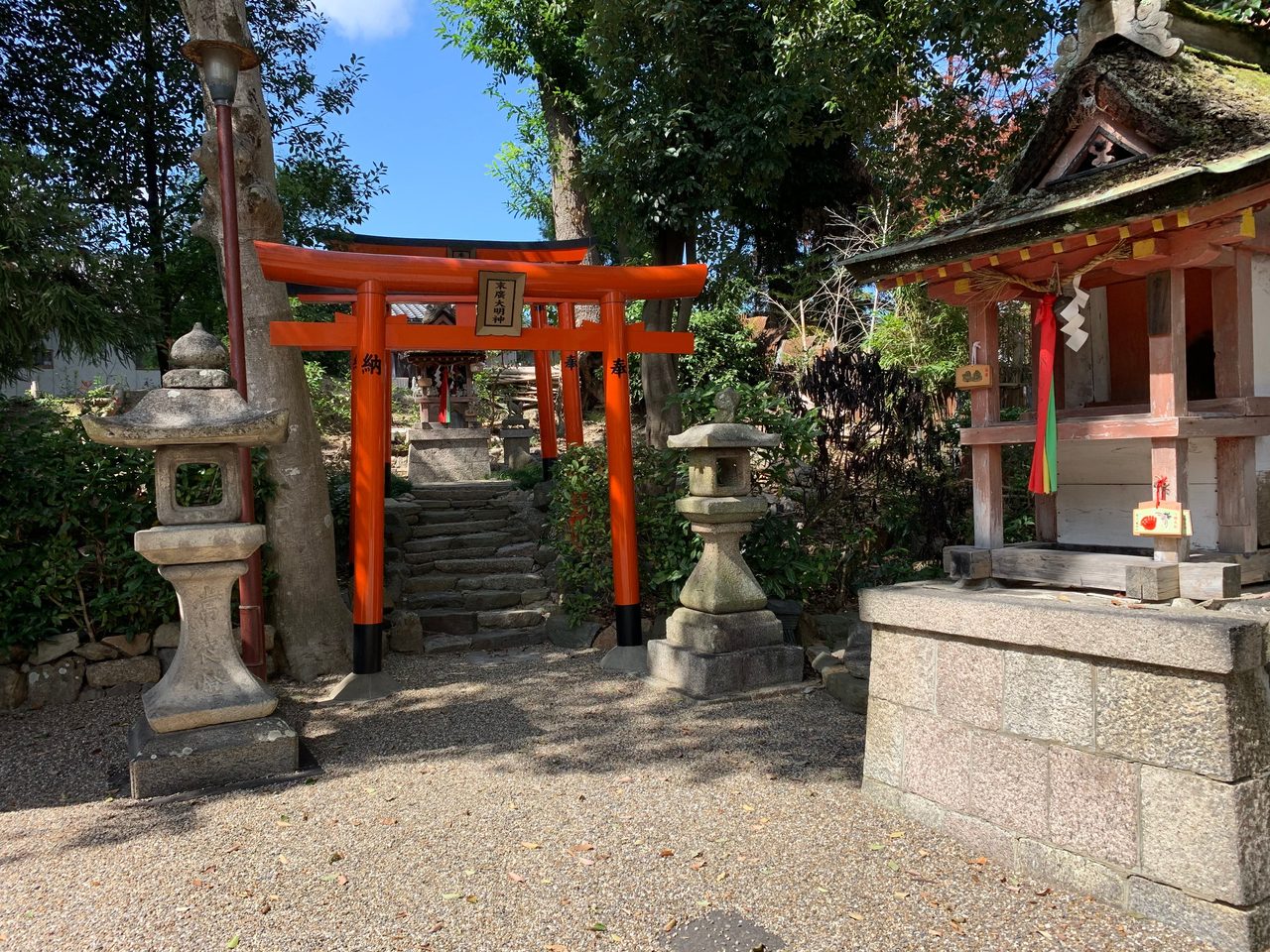
A small shrine sits at the center of a tiny subtropical island connected to the mainland by a bridge, surrounded by betel palms and dense foliage that feel out of place this far north. The approach to the island crosses the 'Devil's Washboard,' a wide stretch of jagged, ridged rock formed by the alternating erosion of hard and soft sedimentary layers. The shrine itself is dedicated to a figure from the same mythological cycle as nearby Udo Jingu.
Udo Jingu Shrine
The main shrine hall is built inside a coastal cave in a cliff face, reached by a walkway that descends from the clifftop parking area down to sea level. It's dedicated to the father of Japan's legendary first emperor, Jimmu, and the cave setting is the reason it draws visitors well beyond its religious significance. The sound of waves hitting the rocks below is constant during the walk down.
Obi Castle Town (Obi-jo & Edo Streets)
A preserved castle town built around the former seat of the Ito clan, with a reconstructed main gate, stone castle walls, and a stretch of streets lined with samurai-era merchant houses and earthen walls. It's often described as a small-scale echo of Kyoto because of the grid layout and the preserved townscape, though it's far quieter and covers a fraction of the ground. The combined ticket covers the castle grounds and a former samurai residence with a garden.
Sun Messe Nichinan (Moai Statues)
A hillside park overlooking the Pacific coast that holds the only Moai statues outside Easter Island carved with official authorization from the Rapa Nui community, made in the 1990s as a cultural exchange project. Beyond the seven Moai, the park has coastal lookout points and gardens along a slope facing the ocean. The statues themselves are the draw rather than any deep historical layering, since the site is modern.
Miyazaki Shrine (Miyazaki-jingu)
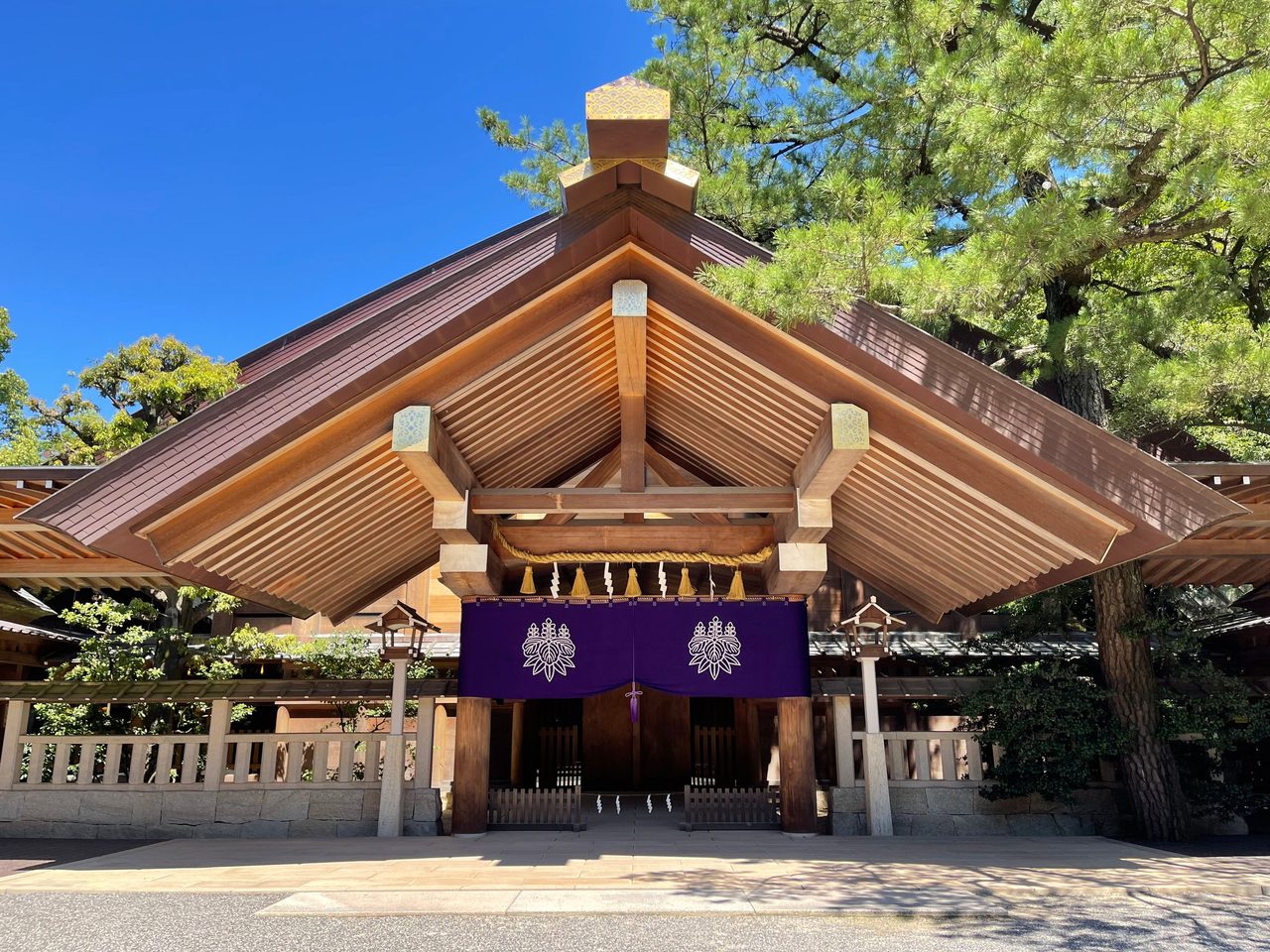
A large Shinto shrine set within a forest of tall cedar and camphor trees near the center of Miyazaki City, dedicated to Emperor Jimmu, Japan's legendary founding emperor. The grounds are spacious and quiet compared to the city outside them, with a long gravel approach path leading to the main hall. It functions as a working shrine for local ceremonies as much as a sightseeing stop.
Recommended itineraries
Pick a length, follow the route. Each itinerary balances headline sights with breathing room.
5-Day Miyazaki Explorer
Day 1Arrive in Miyazaki, explore city center
Day 2Visit top attractions and museums
Day 3Day trip to nearby highlights
Day 4Local markets and hidden gems
Day 5Final sightseeing, departure
7-Day Classic Miyazaki
Days 1-2Miyazaki city highlights
Days 3-4Regional exploration
Days 5-6Cultural immersion and local experiences
Day 7Return and departure
14-Day Ultimate Miyazaki
Days 1-3Miyazaki comprehensive city tour
Days 4-6Northern region exploration
Days 7-9Eastern highlights
Days 10-12Southern attractions
Days 13-14Return to Miyazaki, departure
Where to stay in Miyazaki
Three tiers, every traveller covered — from cost-conscious to flagship hotels.
Budget $60-90
Hostels, budget hotels, and guesthouses offer affordable stays without sacrificing experience.
Mid-range $130-200
Boutique hotels and well-located accommodations provide comfort and convenience at reasonable prices.
Luxury $350-600+
World-class resorts and premium hotels deliver unforgettable experiences.
Cafés, neighbourhood gems, and tasting menus worth the table reservation.
Ogura Honten
Chicken Nanban / Local · $$
This is one of the restaurants credited with originating chicken nanban in Miyazaki, and the honten (main branch) still serves it in the older style: a whole cutlet of fried chicken thigh dunked in sweet vinegar and topped with a tartar-style sauce rather than plain mayonnaise. The dining room has the feel of a long-running family restaurant rather than a modern izakaya, with set-meal service built around the nanban plate.
Miyachiku Honten
Miyazaki Wagyu Beef · $$$$
Miyachiku is the branded name used by Miyazaki's prefectural beef marketing group for its own Miyazaki Wagyu, and this honten restaurant is the flagship dining room built around that beef rather than a general steakhouse. Cuts are graded and served with an emphasis on the marbling the brand is known for nationally, either grilled tableside or as sukiyaki, in a formal, restaurant-style room rather than a casual grill.
Miyazaki is best explored by rental car, as many top attractions (Takachiho, Nichinan Coast, Cape Toi) are not well served by public transport. Miyazaki City itself has buses and some trains.
Rental Car
Essential for exploring Nichinan Coast, Takachiho, and Cape Toi. Pick up at Miyazaki Airport or Miyazaki Station.
Cost: ¥5,000-10,000 per day ($33-67)
Miyakou Bus
City and regional bus network; limited frequency on rural routes
Cost: ¥200-800 per ride
JR Nichinan Line
Train service along part of the Nichinan Coast to Aburatsu and Obi
Cost: ¥240-840 per ride
Taxi
Available at Miyazaki Station and airport; metered fares
Cost: ¥700 base + ¥90 per 280m
Budget breakdown
Daily spend by tier in JPY, broken out by category.
Category
Budget
Mid-range
Luxury
Accommodation
$25-45
$80-130
$250-450
Food (per day)
$15-25
$35-60
$80-120
Transportation
$10-15
$15-25
$40-60
Activities
$5-10
$20-35
$50-100
Daily total
$60-90
$130-200
$350-600+
Best time to visit Miyazaki
Weather through the year in Japan
Best timeShoulderWorth avoiding
Average daytime temperature in °C. Figures are for Japan.
Miyazaki has Japan's most sunshine but also typhoon exposure in late summer. Spring and autumn offer the best balance of weather, crowds, and price.
Essential travel tips
Rent a car at the airport for maximum flexibility; an international driving permit is required
Get a Suica or Nimoca IC card for local bus travel in Miyazaki City
Book the Takachiho rowing experience early; boats sell out by 8AM on peak days
Miyazaki mango season peaks in June-August; try directly at farm stands on the Nichinan Coast
Hidden gems
Off-the-beaten-path corners most travellers miss.
Obi Castle Town
Edo-period samurai town with preserved merchant streets, often called 'the Kyoto of Kyushu'
Nichinan City
Ebino Kogen Plateau
High volcanic plateau with crater lakes and panoramic views of Kirishima mountains
Ebino, western Miyazaki
Cape Toi (Toi Misaki)
Dramatic headland with wild Misaki horses and sea views toward Kyushu's southern tip
Kushima City
Safety information
INFO
Check typhoon warnings on the Japan Meteorological Agency app (jma.go.jp) during July-October
INFO
Apply high-SPF sunscreen on beaches; UV index is very high from April-October
INFO
Carry cash as many rural restaurants and shrines are cash-only
INFO
Wear shoes with grip when visiting Takachiho Gorge — the paths can be slippery
Frequently asked questions
Is Miyazaki safe to visit in 2026?
Miyazaki is one of Japan's safest prefectures for travelers, with extremely low crime rates. The primary risk is natural: typhoons track through the region from July-October. Emergency services: police at 110, medical at 119.
Do I need a visa to visit Miyazaki?
Entry requirements follow Japan national rules. Many nationalities can enter visa-free for 90 days. Check Japan's Ministry of Foreign Affairs website at mofa.go.jp for current requirements by nationality.
What currency is used in Miyazaki?
The Japanese Yen (JPY). ATMs at convenience stores (7-Eleven, FamilyMart) and Japan Post offices accept international cards. Many rural restaurants and shrines are cash-only.
What is the best way to get around Miyazaki?
A rental car is strongly recommended. Most top sights — Takachiho Gorge, Nichinan Coast, Cape Toi, Ebino Kogen — are not efficiently reachable by public transport. An international driving permit is required for foreign license holders.
What are the top attractions in Miyazaki?
Takachiho Gorge (row a boat past the Manai Falls), Aoshima Shrine (island shrine surrounded by wave-cut rock), Udo Jingu Shrine (sea cave shrine on Nichinan Coast), Obi Castle Town (Edo-period samurai district), and Cape Toi with its wild horses.