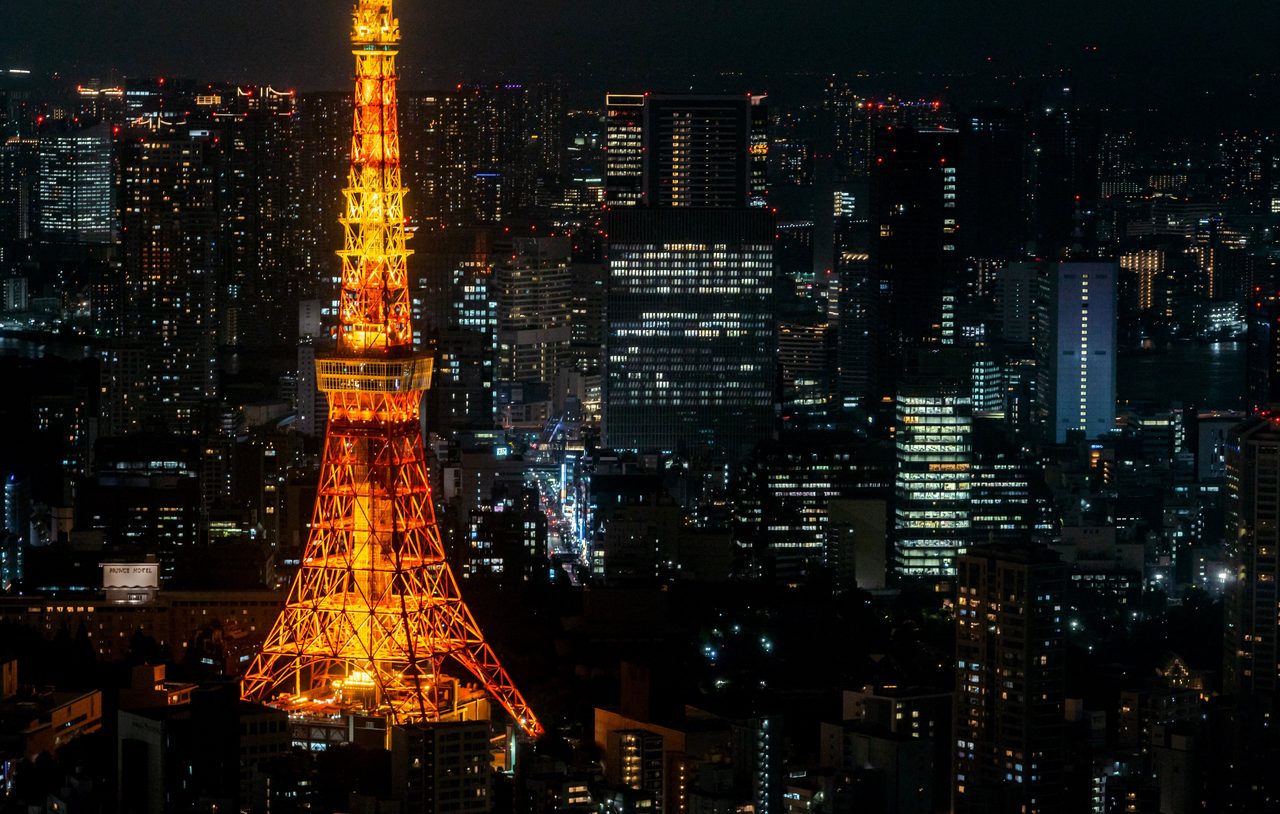
Tokyo · 10 Places · Best March-April, October-November
Tokyo
Tokyo is Japan's capital and one of the world's most dynamic megacities, where ancient temples and shrines coexist alongside gleaming skyscrapers and neon-lit streets. As the cultural, economic, and political heart of Japan, Tokyo offers an unmatched blend of tradition and state-of-the-art modernity across its diverse 23 special wards and surrounding cities.
Tokyo is a city of extraordinary contrasts — a place where the state-of-the-art future and storied past exist in perfect harmony. Home to 14 million people in the city proper and over 37 million in the greater metropolitan area, it is the world's most populous city. Visitors can explore ancient Shinto shrines, world-class museums, Michelin-starred restaurants, and vibrant pop culture districts all within a single day. Tokyo's legendary public transport system makes every corner of this vast city remarkably accessible.
The 10 destinations our editors recommend — from iconic landmarks to under-the-radar finds.
Senso-ji Temple
Tokyo's oldest and most iconic Buddhist temple, founded in 628 AD. The massive Kaminarimon (Thunder Gate) with its giant red lantern leads to the Nakamise shopping street before the main hall. Especially atmospheric at dawn before the crowds arrive.
Shibuya Crossing
The world's busiest pedestrian scramble crossing, where up to 3,000 people cross simultaneously when the lights change. The iconic intersection outside Shibuya Station is surrounded by giant video screens and neon signs. Best viewed from the Starbucks or Mag's Park overlooking the crossing.
Tokyo Skytree
The world's tallest tower at 634 meters, Tokyo Skytree opened in 2012 and serves as both a broadcasting tower and tourist landmark. Two observation decks — Tembo Deck at 350m and Tembo Galleria at 450m — offer sweeping 360-degree views of the city and on clear winter days, Mount Fuji.
Meiji Shrine
A grand Shinto shrine dedicated to Emperor Meiji and Empress Shoken, set within a 70-hectare forested sanctuary. The forested approach along wide gravel paths lined with towering trees creates a serene escape from the city. The shrine is Tokyo's most visited and hosts major ceremonies including New Year, when millions come to pray.
teamLab Borderless
A world-renowned immersive digital art museum where artworks move freely between rooms and throughout the space. The new Azabudai Hills location (opened 2024) features ever-changing projections, interactive light installations, and flowing digital nature scenes across 10,000 square meters. One of Tokyo's most Instagram-worthy experiences.
Tsukiji Outer Market
The lively outer market that remains after the famous inner wholesale market moved to Toyosu in 2018. Dozens of stalls sell fresh seafood, sushi, tamagoyaki (sweet egg omelette), pickles, and kitchen supplies. The area is one of Tokyo's best spots for a morning meal of fresh sushi and seafood snacks.
Recommended itineraries
Pick a length, follow the route. Each itinerary balances headline sights with breathing room.
5-Day Tokyo Explorer
Day 1Arrive in Tokyo, explore city center
Day 2Visit top attractions and museums
Day 3Day trip to nearby highlights
Day 4Local markets and hidden gems
Day 5Final sightseeing, departure
7-Day Classic Tokyo
Days 1-2Tokyo city highlights
Days 3-4Regional exploration
Days 5-6Cultural immersion and local experiences
Day 7Return and departure
14-Day Ultimate Tokyo
Days 1-3Tokyo comprehensive city tour
Days 4-6Northern region exploration
Days 7-9Eastern highlights
Days 10-12Southern attractions
Days 13-14Return to Tokyo, departure
Where to stay in Tokyo
Three tiers, every traveller covered — from cost-conscious to flagship hotels.
Budget $60
Hostels, budget hotels, and guesthouses offer affordable stays without sacrificing experience.
Mid-range $150
Boutique hotels and well-located accommodations provide comfort and convenience at reasonable prices.
Luxury $500
World-class resorts and premium hotels deliver unforgettable experiences.
Park Hyatt Tokyo
Tokyo 163-1055 · $600-3,000+ per night
Iconic luxury hotel occupying floors 39-52 of the Shinjuku Park Tower, immortalized in the film 'Lost in Translation.' The hotel features expansive rooms with floor-to-ceiling views, an indoor pool on the 47th floor, the world-renowned New York Bar and Grill, and impeccably personalized service. All rooms look out over Tokyo's glittering cityscape.
Aman Tokyo occupies floors 33-38 of the Otemachi Tower with a soaring 30-meter atrium lobby. The hotel blends traditional Japanese design — washi paper walls, volcanic stone, cedar screens — with Aman's signature serene minimalism. The spa features Tokyo's finest onsen facilities using deep-sourced mineral water. One of the world's most lauded urban hotels.
Occupying floors 30-37 of the Nihonbashi Mitsui Tower, the Mandarin Oriental Tokyo offers spectacular skyline views from all rooms. The hotel has earned accolades for its six restaurants (two with Michelin stars), the Nihonbashi-Mandarin Oriental Spa, and its exquisite fusion of Japanese aesthetics and international luxury.
The Peninsula Tokyo blends classic European elegance with Japanese precision in an enviable location steps from the Imperial Palace, Ginza, and Hibiya Park. The hotel's 24 floors house 314 rooms with custom-designed technology panels at every bedside. The rooftop Peter restaurant and Hei Fung Terrace offer iconic views.
Cafés, neighbourhood gems, and tasting menus worth the table reservation.
Sukiyabashi Jiro Honten
Sushi (Edomae) · $$$$
Jiro Ono's legendary omakase sushi restaurant, subject of the documentary 'Jiro Dreams of Sushi' and holder of three Michelin stars for decades. The 10-seat counter in Ginza serves a precisely choreographed sequence of nigiri. Now run by Jiro's son Yoshikazu Ono. Reservations are extremely difficult and typically require a hotel concierge or specialist service.
Narisawa
Innovative Satoyama Japanese · $$$$
Chef Yoshihiro Narisawa's 2-Michelin-star restaurant is consistently ranked among the world's best, celebrating Japan's satoyama (countryside ecosystem) cuisine. Every dish tells a story of Japan's forests, rivers, and coastlines using hyper-seasonal Japanese ingredients presented with extraordinary artistry. The bread baked at tableside in embers is iconic.
Den
Creative Japanese (Junk Food Japanese) · $$$$
Chef Zaiyu Hasegawa's 2-Michelin-star restaurant brings wit and playfulness to kaiseki-inspired Japanese cuisine. Famous for the 'JFC' (Japan Fried Chicken) amuse-bouche served with a menu in a KFC-style box, and the carrot-shaped bowl filled with vegetable dashi. Den is creative, unpretentious, and deeply joyful — a rare combination at this level.
Sushi Saito
Edomae Sushi · $$$$
Among Tokyo's most coveted sushi reservations, Saito is a 3-Michelin-star counter where chef Takashi Saito works with only the finest seasonal seafood. The restaurant serves a classical Edomae omakase with extraordinary attention to temperature, seasoning, and fish aging. Near-impossible to book without a connection or luxury hotel concierge assistance.
Kondo
Tempura · $$$
Chef Fumio Kondo is widely considered Japan's greatest living tempura master, operating this 1-Michelin-star restaurant in Ginza for decades. His signature item is a whole sweet potato (satoimo) that takes 40 minutes to cook to perfection in rapeseed oil. The seasonal vegetable and seafood tempura omakase is a masterclass in frying technique.
Gonpachi Nishi-Azabu
Japanese Izakaya · $$$
A famous multi-floor izakaya with dramatic interior of soaring bamboo columns and wooden galleries, said to have inspired the Crazy 88 fight scene setting in Quentin Tarantino's Kill Bill. Serves Japanese classics including soba, yakitori, robata grilled items, and sashimi in a spectacular theatrical setting. Lively and popular with foreigners.
Tokyo's public transportation system is world-renowned for its efficiency, punctuality, and coverage. The city has 13 subway lines, extensive JR rail networks, private rail lines, and bus routes, making virtually every corner of the city easily accessible. IC cards like Suica and Pasmo work across all systems. Most locals never need a taxi or car.
Budget breakdown
Daily spend by tier in JPY, broken out by category.
Category
Budget
Mid-range
Luxury
Accommodation
$25
$80
$300
Food (per day)
$15
$40
$120
Transportation
$10
$15
$40
Activities
$10
$15
$40
Daily total
$60
$150
$500
Best time to visit Tokyo
Weather through the year in Japan
Best timeShoulderWorth avoiding
Average daytime temperature in °C. Figures are for Japan.
Essential travel tips
Get a Suica or Pasmo IC card for seamless transport
Book popular restaurants well in advance
Many attractions are free or low-cost
Tokyo is very cash-oriented, carry yen
Hidden gems
Off-the-beaten-path corners most travellers miss.
Yanaka Ginza
Old shitamachi shopping street with traditional shops and cats
Yanaka, Taito-ku
Shimokitazawa
Bohemian neighborhood with vintage shops and live music venues
Setagaya-ku
Koenji
Alternative neighborhood known for punk culture and antiques
Suginami-ku
Safety information
INFO
Tokyo is safe to walk alone at night in virtually all neighborhoods — crime rates are exceptionally low
INFO
Keep belongings secure in crowded areas like Shibuya Crossing and on busy trains during rush hour
INFO
Follow earthquake safety procedures posted in hotels: Drop, Cover, Hold On
INFO
Be aware of typhoon season (June-October) and follow NHK World emergency broadcasts
INFO
Carry cash at all times — many small shops, shrines, and eateries are cash-only
INFO
Kabukicho in Shinjuku (red-light district) is generally safe to walk through but hostess bar touts may be persistent — a firm 'kekko desu' (no thank you) suffices
INFO
Keep emergency contact numbers accessible: Police 110, Ambulance and Fire 119
INFO
Register with the relevant embassy on arrival for emergency notifications
INFO
Drink tap water freely — Tokyo's tap water is clean and safe throughout the city
INFO
Beware of overcharging at unlicensed bars, particularly in Roppongi — always check prices before ordering
INFO
The Japan Helpline (0120-461-997) provides 24/7 English emergency assistance
Frequently asked questions
Do I need a visa to visit Tokyo?
Visitors from many countries enjoy visa-free entry to Japan for 90 days. Check MOFA Japan for your nationality. Passport must be valid for the duration of stay. Requirements vary by nationality, so check with your nearest embassy or the official immigration website before traveling.
What currency is used in Tokyo?
The currency in Tokyo is the Japanese Yen (JPY). ATMs are widely available in cities and tourist areas. Credit cards are accepted at most hotels and restaurants, but carry cash for markets and smaller establishments.
What language is spoken in Tokyo?
The main language(s) spoken in Tokyo: Japanese. In tourist areas, English is generally understood. Learning a few basic phrases in the local language is appreciated by locals.
Explore Tokyo by city
The cities below have their own guides — hotels, attractions and where to eat, in depth.