Tottori Prefecture stretches along Japan's San'in coast on the Sea of Japan, home to the Tottori Sand Dunes, the country's largest coastal dune system, and the yokai-themed Mizuki Shigeru Road in the port town of Sakaiminato. Japan's least populous prefecture, Tottori pairs a dramatic, uncrowded coastline with Mount Daisen's hiking trails, the white-walled storehouse district of Kurayoshi, and radium-rich hot springs at Misasa and Kaike Onsen.
Tottori Prefecture faces the Sea of Japan along the San'in coast, and is Japan's least populous prefecture — giving its beaches, shrines, and hot spring towns a calm that's rare near Japan's better-known circuits. The Tottori Sand Dunes, a roughly 16-kilometre coastal dune system near the capital, Tottori City, are the prefecture's signature sight, paired with the neighboring Sand Museum's rotating international sand-sculpture exhibitions. To the west, Sakaiminato's Mizuki Shigeru Road honors manga artist Shigeru Mizuki with more than 100 bronze yokai statues lining the walk to the Mizuki Shigeru Museum, while nearby Yonago serves as the gateway to Mount Daisen, the highest peak in the Chugoku region and a base for hiking, foliage viewing, and Daisenji Temple. Kurayoshi's Shirakabe Dozogun preserves a riverside district of white-plastered, black charred-cedar storehouses from the Edo and Meiji eras, and the radium-rich hot springs of Misasa Onsen and the beachfront baths of Kaike Onsen offer an onsen-town counterpoint to the coastline. Tottori is also Japan's prime Matsuba crab region, with fishing ports at Sakaiminato and along the coast supplying kaiseki-style crab courses each winter.
Capital
Tottori City
Largest city
Tottori City
Population
530,000 (prefecture, 2025 estimate) — Japan's least populous prefecture
The 21 destinations our editors recommend — from iconic landmarks to under-the-radar finds.
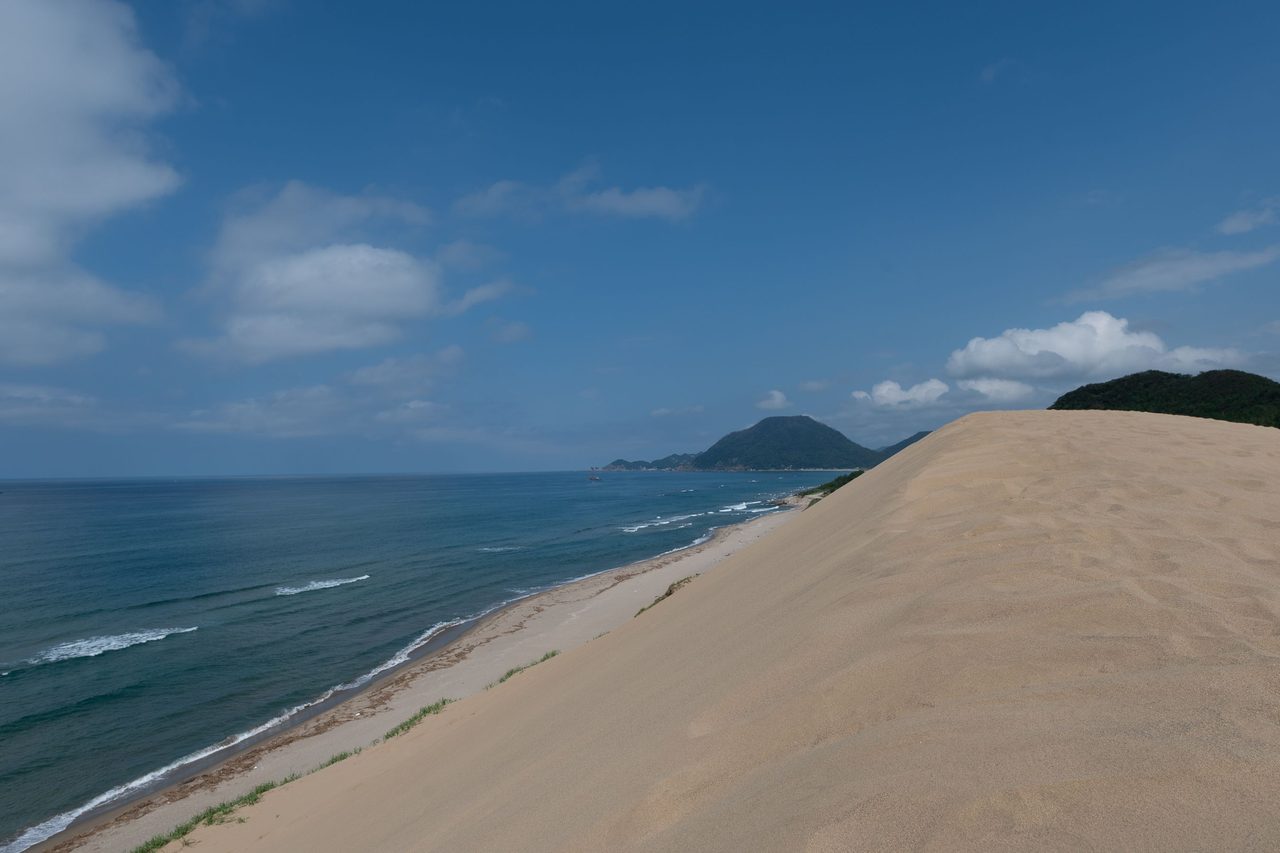
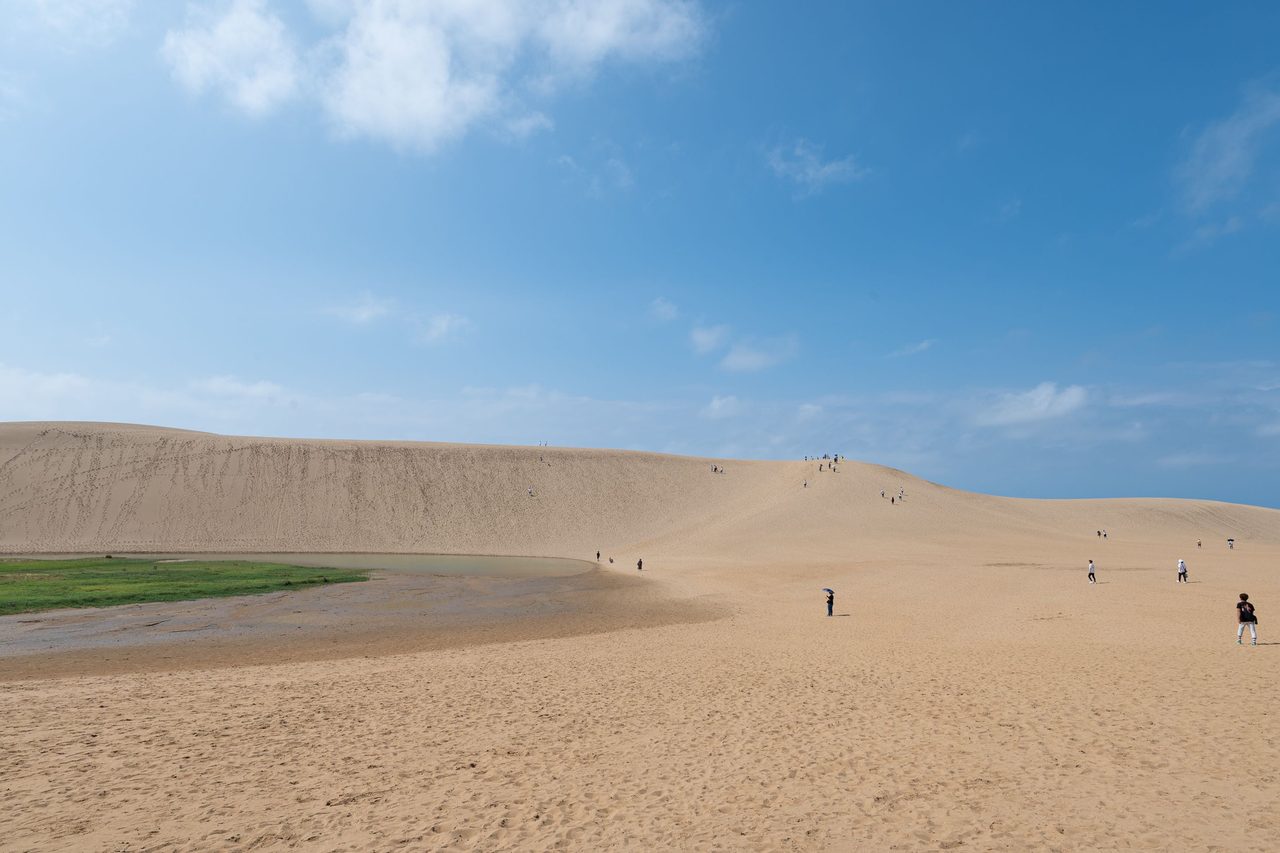
Tottori Sand Dunes
These are the largest dune system in Japan, formed over roughly 100,000 years by sand carried down the Sendai River and shaped by wind off the Sea of Japan. They stretch for several kilometres along the coast, with some ridges rising over 40 metres, and walking out across them toward the water is a genuinely disorienting change of scenery for a country better known for mountains and rice fields.
Tottori Sand Museum
This is the only museum in the world dedicated entirely to sand sculpture, standing right beside the dunes that supply part of its material and thematic link. Exhibits are large-scale sand sculptures built by international sculptors around a new annual theme, so the building's interior contents change completely each exhibition cycle rather than displaying a permanent collection.
Uradome Coast Sightseeing Boat
The boat runs along the Uradome Coast east of Tottori city, a stretch of shoreline carved into coves, sea caves, and small pine-topped islets by wave erosion of the local granite. The standard cruise takes visitors close to the rock formations from the water, a vantage point that shows the coastline's texture in a way the clifftop roads above it don't.
This is a preserved merchant district along the Tama River in Kurayoshi, where white-plastered storehouses with red roof tiles line the canal, built by merchants who prospered here during the Edo and Meiji periods. Many of the storehouses have been converted into small shops, cafes, and craft workshops while keeping their original facades and the low stone-walled waterway running past them.
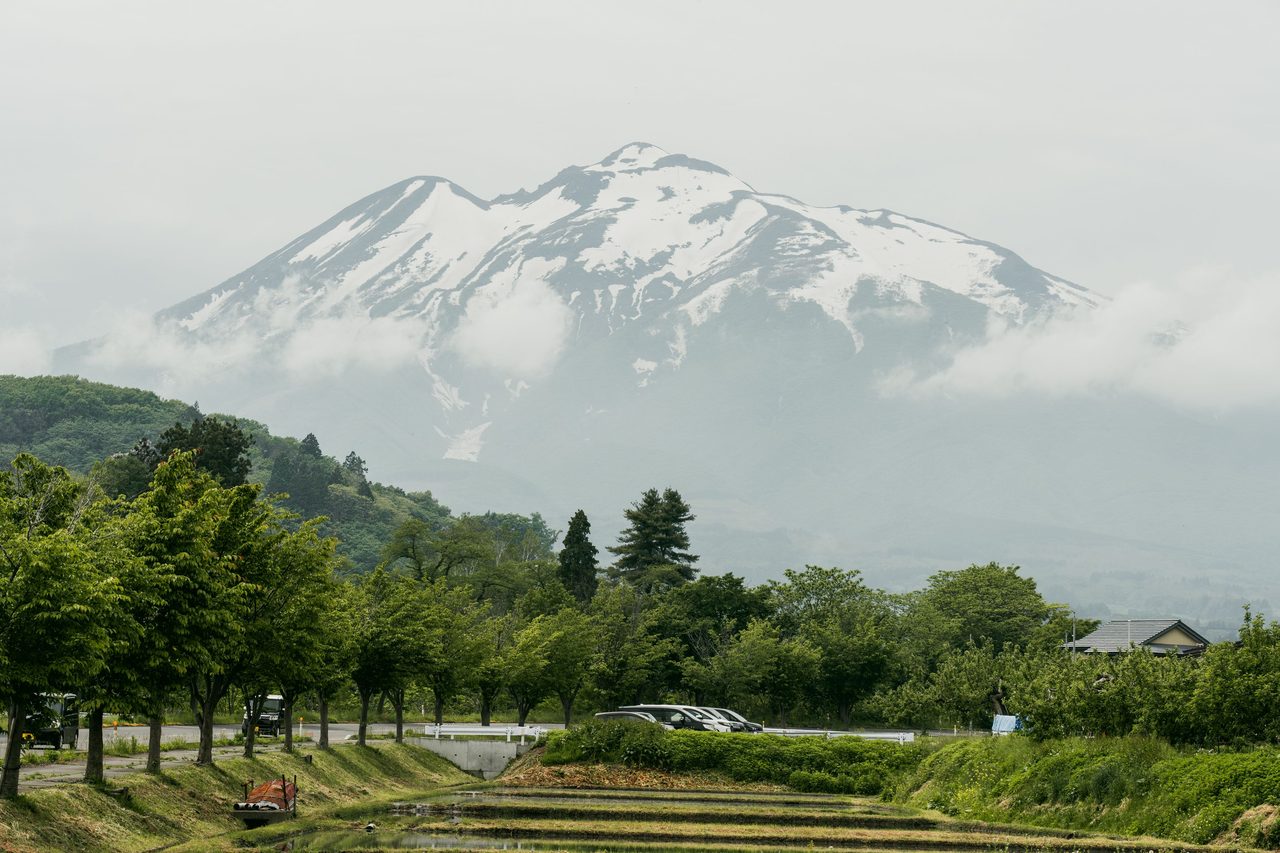
Mount Daisen
Mount Daisen is the highest peak in the Chugoku region and an extinct volcano whose steep northern face is sometimes compared to Mount Fuji's silhouette, while its southern slopes are gentler and support beech forest and grassland. It's a working hiking destination with marked trails to the summit area as well as gentler paths through the forest reserve at its base, rather than a purely scenic backdrop.
Daisenji Temple
Daisenji is an old Tendai Buddhist temple on the lower slopes of Mount Daisen, historically tied to mountain worship of the peak itself rather than functioning as a separate, unrelated religious site. The main grounds sit among tall cedar trees and mark the traditional starting point for the mountain's principal hiking trail, so temple and mountain visits naturally overlap here.
Recommended itineraries
Pick a length, follow the route. Each itinerary balances headline sights with breathing room.
5-Day Tottori Explorer
Day 1Arrive in Tottori, explore city center
Day 2Visit top attractions and museums
Day 3Day trip to nearby highlights
Day 4Local markets and hidden gems
Day 5Final sightseeing, departure
7-Day Classic Tottori
Days 1-2Tottori city highlights
Days 3-4Regional exploration
Days 5-6Cultural immersion and local experiences
Day 7Return and departure
14-Day Ultimate Tottori
Days 1-3Tottori comprehensive city tour
Days 4-6Northern region exploration
Days 7-9Eastern highlights
Days 10-12Southern attractions
Days 13-14Return to Tottori, departure
Where to stay in Tottori
Three tiers, every traveller covered — from cost-conscious to flagship hotels.
Budget ¥5,500–7,500 ($37–50)
Hostels, budget hotels, and guesthouses offer affordable stays without sacrificing experience.
Mid-range ¥14,000–24,000 ($93–160)
Boutique hotels and well-located accommodations provide comfort and convenience at reasonable prices.
Luxury ¥40,000–95,000 ($267–633)
World-class resorts and premium hotels deliver unforgettable experiences.
Kiya Ryokan
Misasa Onsen, Tohaku District · ¥28,000–60,000 ($187–400) per night (2 meals included, estimate range)
Tottori City, Kurayoshi, and Yonago/Sakaiminato form the prefecture's transport spine, linked by the JR San'in Main Line. There is no Shinkansen station in Tottori — travelers connect via the Sanyo Shinkansen to Okayama, then the JR Limited Express Super Hakuto/Super Inaba to Tottori City and Kurayoshi, or the Limited Express Yakumo to Yonago. Two small regional airports serve the prefecture, and a rental car is close to essential for reaching Mount Daisen, Misasa Onsen, Hawai Onsen, and the Yumigahama Peninsula.
Budget breakdown
Daily spend by tier in JPY, broken out by category.
Category
Budget
Mid-range
Luxury
Accommodation
¥3,000–4,500 ($20–30) guesthouse/business hotel
¥7,000–14,000 ($47–93) business hotel
¥20,000–60,000 ($133–400) onsen ryokan
Food (per day)
¥1,500–2,500 ($10–17)
¥3,000–5,000 ($20–33)
¥8,000–20,000 ($53–133) Matsuba crab kaiseki
Transportation
¥500–1,000 ($3.30–6.70)
¥1,000–2,000 ($6.70–13.30)
¥2,000–4,000 ($13.30–26.70)
Activities
¥500–1,500 ($3.30–10)
¥1,000–3,000 ($6.70–20)
¥3,000–7,000 ($20–47)
Daily total
¥5,500–7,500 ($37–50)
¥14,000–24,000 ($93–160)
¥40,000–95,000 ($267–633)
Best time to visit Tottori
Weather through the year in Japan
Best timeShoulderWorth avoiding
Average daytime temperature in °C. Figures are for Japan.
April–May (spring) and late September–November (autumn)
Spring brings mild temperatures and cherry blossoms around Tottori Castle Ruins. Autumn offers the clearest skies of the year and comfortable conditions for the Sand Dunes and Mitokusan Sanbutsuji climb. Winter is Tottori's wettest and snowiest season, notably heavier than Japan's Pacific-side cities at similar latitudes.
Essential travel tips
Buy the Kirinjishi Loop Bus day pass (¥600/$4.00) for unlimited rides between Tottori Station and the Sand Dunes/Sand Museum area
Rent a car for Mount Daisen, Misasa Onsen, Hawai Onsen, and the Uradome Coast beyond Tottori City/Yonago — rural bus frequency makes multi-stop days difficult without one
Book Matsuba crab kaiseki courses outside the November–March peak season for meaningfully lower prices at the same restaurants
There is no Shinkansen station in Tottori Prefecture — plan the Okayama transfer into arrival timing, allowing 15–20 minutes to change platforms
The JR Sakai Line between Yonago and Sakaiminato is itself part of the Mizuki Shigeru sightseeing experience, with yokai-decorated trains and station names
Check the Nageiredo climb's current status at Mitokusan Sanbutsuji before setting out — it closes after rain, snow, or high wind
INFO
Visit the Sand Dunes early morning or late afternoon in July–August to avoid heat exposure on the exposed sand
INFO
Confirm rental cars have snow tires fitted (standard practice November–March) before driving toward Misasa, Mitoku, or inland Kurayoshi routes
INFO
Rural bus and train services can run hourly or less outside Tottori City and Yonago — check the return timetable before a day trip
Frequently asked questions
Is Tottori safe to visit in 2026?
Tottori is among Japan's safest and least-crowded prefectures for international travellers. Violent crime is virtually nonexistent and petty theft is rare even at busy tourist spots like the Sand Dunes. The main hazards are weather- and terrain-related — heavy inland snowfall in winter, typhoon expo
What is the best time to visit Tottori?
The best time to visit Tottori is April–May. Tottori faces the Sea of Japan on Honshu's San'in coast and has a humid subtropical climate (Koppen Cfa) with a distinctly different rhythm from Japan's Pacific side. Winters (December–February) are c
Do I need a visa to visit Tottori?
Visitors from most Western countries enjoy visa-free entry to Japan for 90 days. Check the Japan Ministry of Foreign Affairs (www.mofa.go.jp) for nationality-specific requirements. Passport must be valid for the duration of stay. Requirements vary by nationality, so check with your nearest embassy or the official immigration website before traveling.
What currency is used in Tottori?
The currency in Tottori is the Japanese Yen (JPY). ATMs are widely available in cities and tourist areas. Credit cards are accepted at most hotels and restaurants, but carry cash for markets and smaller establishments.
What language is spoken in Tottori?
The main language(s) spoken in Tottori: Japanese. In tourist areas, English is generally understood. Learning a few basic phrases in the local language is appreciated by locals.
What are the top attractions in Tottori?
The top attractions in Tottori include Tottori Sand Dunes, Tottori Sand Museum, Uradome Coast Sightseeing Boat, Kurayoshi Shirakabe Dozogun (White-Walled Storehouse District), and Mount Daisen. Each offers a unique experience, from historic landmarks to natural wonders.