Aomori Prefecture crowns the northern tip of Honshu, Japan's main island, offering a dramatic landscape of volcanic mountains, ancient forests, and rugged coastline. Famous worldwide for the spectacular Nebuta Matsuri festival and renowned for producing roughly 60% of Japan's apples, Aomori blends deep cultural tradition with unspoiled natural beauty. The prefecture encompasses Hirosaki's feudal castle and cherry blossoms, the mystical caldera lake of Towada, the lush Oirase Gorge, and the alpine wilderness of Mount Hakkoda—all accessible yet off the main tourist trail.
Aomori sits at the northernmost point of Honshu and forms a gateway between Honshu and Hokkaido via the Tsugaru Strait. The prefecture divides roughly into three regions: Tsugaru in the west centered on Hirosaki, Nambu in the east with Hachinohe as its hub, and central Aomori City on the bay. Winters are heavy with snow—one of Japan's snowiest regions—while summers bring mild weather, festivals, and lush greenery. The Tohoku Shinkansen connects Tokyo to Shin-Aomori in about 3 hours 10 minutes, making the prefecture surprisingly accessible.
The 22 destinations our editors recommend — from iconic landmarks to under-the-radar finds.
Nebuta Museum WA-RASSE
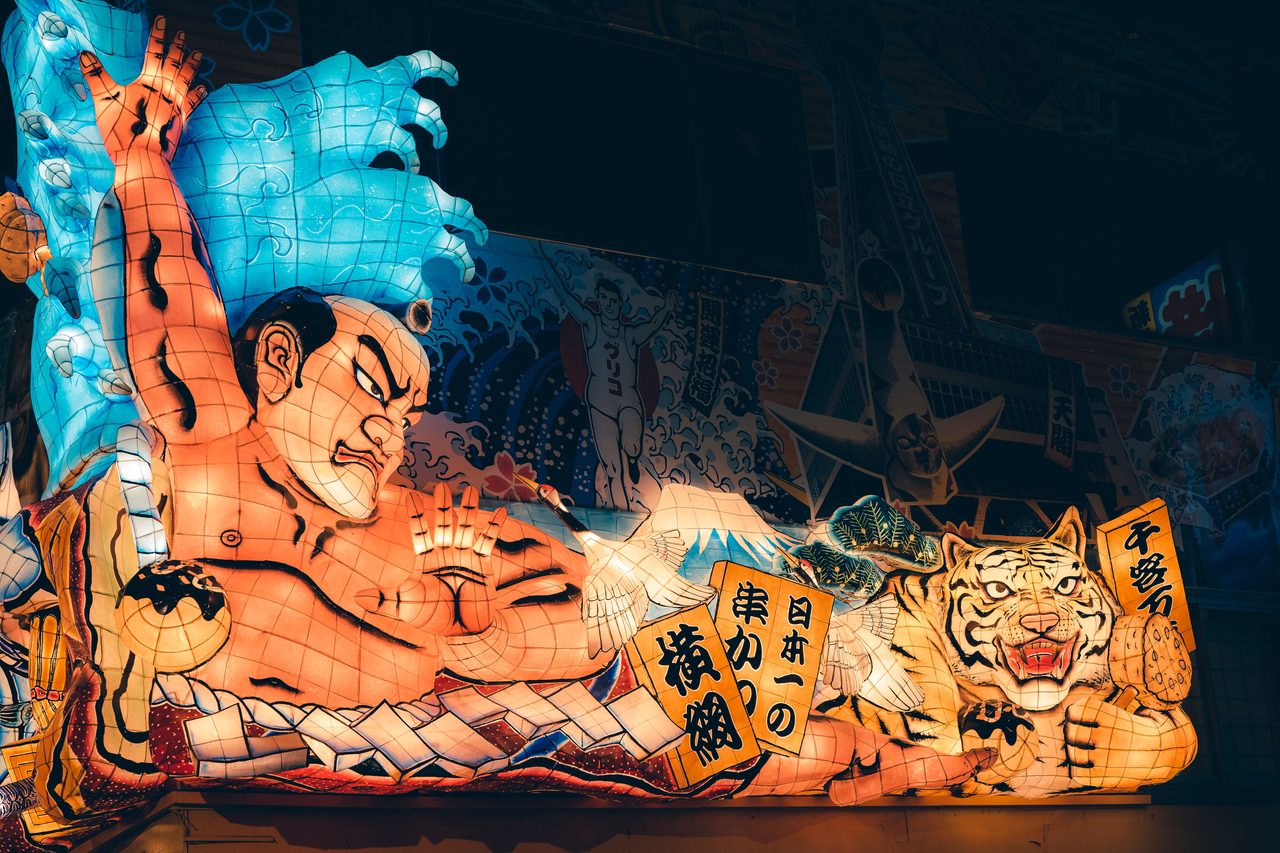
WA-RASSE is a museum built to house Aomori's Nebuta Matsuri floats year-round, so visitors who miss the August festival can still see the giant illuminated papier-mache figures up close. The building itself uses red slatted screens meant to echo the festival's rope patterns, and inside the main hall displays several past years' award-winning floats at full scale. Exhibits also cover how the floats are constructed, from wire frames to hand-painted washi paper, and the haneto dance costumes worn by festival participants.
Hirosaki Castle
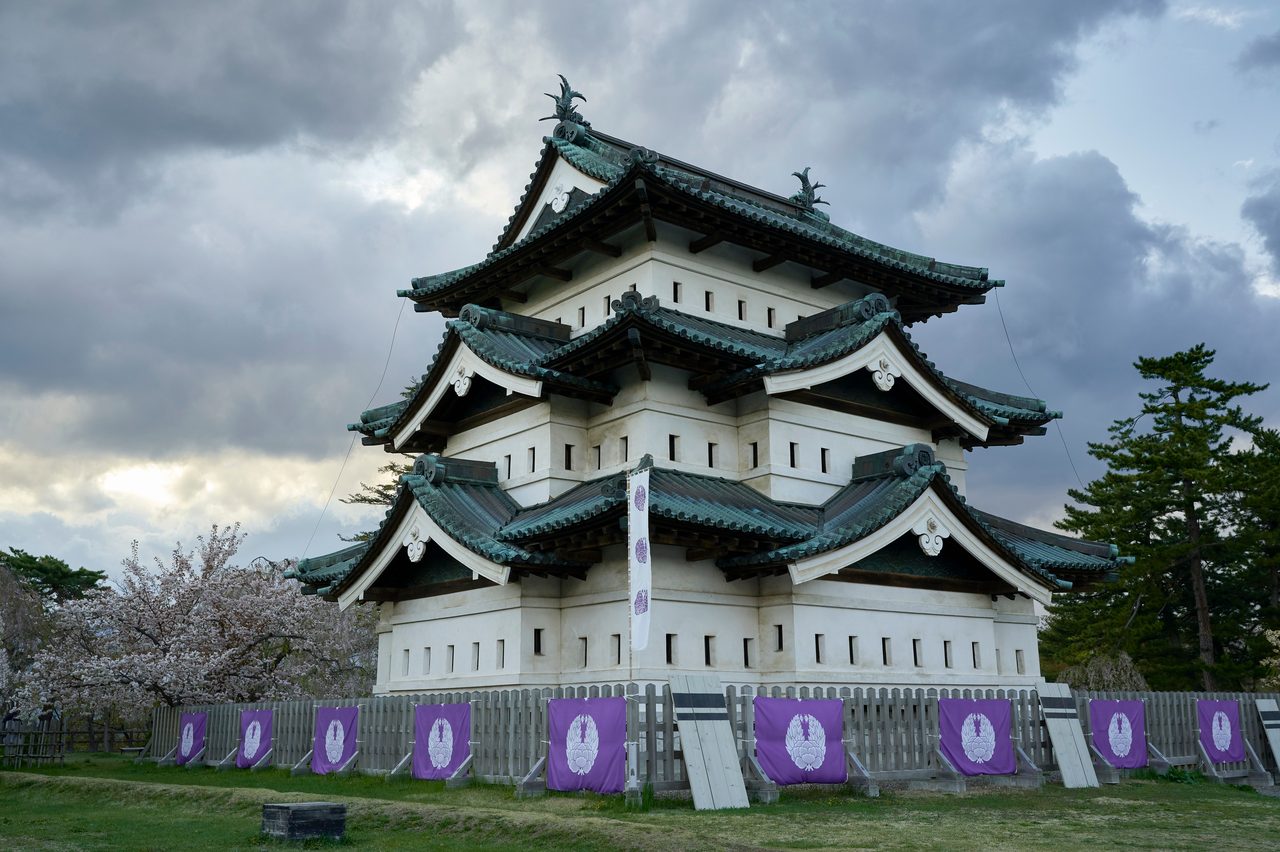
Hirosaki Castle is one of the few Japanese castles with a wooden tower that survives from the Edo period, having escaped the widespread demolitions and wartime destruction that took most other original castles. The compact three-story keep now sits on a relocated stone base after a multi-year engineering project moved it away from a deteriorating foundation wall. The surrounding park retains much of the original castle's moats, gates, and turrets, giving a clearer sense of the whole fortification layout than most reconstructed sites.
Oirase Gorge
Oirase Gorge is a roughly 14-kilometer stretch of river running from Lake Towada, lined by a walking and cycling path that follows the water past a series of named waterfalls and mossy boulders. The route is largely flat and shaded by beech and maple forest, which is why it draws walkers rather than serious hikers. The river itself stays fast and rocky along most of the path rather than opening into calm pools, giving the walk a consistent sense of moving water.
Lake Towada
Lake Towada is a large caldera lake formed by a volcanic collapse, straddling the Aomori-Akita border, with steep forested crater walls dropping straight into deep water. It's the starting point for the Oirase Gorge river walk and is also a stop on its own for its sightseeing boats that cross between the Yasumiya and Nenokuchi piers. The lake's volcanic origin means it has no significant inflowing rivers besides the Oirase, which is part of why the water stays notably clear.
Mount Hakkoda & Ropeway
Hakkoda is a volcanic mountain group south of Aomori City, and the ropeway climbs from the base station up to near the summit ridge of Tamoyachi-dake in about ten minutes, cutting out most of the elevation gain on foot. In winter the mountain is known for its 'juhyo,' or snow monsters, where wind-driven ice coats the trees into thick white shapes, while in autumn the same slopes draw visitors for the color change across the beech forest. From the upper station, marked walking trails cross the ridge for those who want to continue past the ropeway's reach.
Shirakami-Sanchi UNESCO Beech Forest
Shirakami-Sanchi is one of the last large expanses of untouched Siebold's beech forest in Japan, straddling the Aomori-Akita border, and was among Japan's first UNESCO World Heritage sites for the ecological value of forest that has never been logged. The core protected zone has restricted access to preserve it, so most visitors experience the area through its buffer zone, including trails around Lake Juniko with its many small, differently colored ponds. The forest supports wildlife like the Asian black bear, which is part of why some trail sections require registration or a guide.
Recommended itineraries
Pick a length, follow the route. Each itinerary balances headline sights with breathing room.
5-Day Aomori Explorer
Day 1Arrive in Aomori, explore city center
Day 2Visit top attractions and museums
Day 3Day trip to nearby highlights
Day 4Local markets and hidden gems
Day 5Final sightseeing, departure
7-Day Classic Aomori
Days 1-2Aomori city highlights
Days 3-4Regional exploration
Days 5-6Cultural immersion and local experiences
Day 7Return and departure
14-Day Ultimate Aomori
Days 1-3Aomori comprehensive city tour
Days 4-6Northern region exploration
Days 7-9Eastern highlights
Days 10-12Southern attractions
Days 13-14Return to Aomori, departure
Where to stay in Aomori
Three tiers, every traveller covered — from cost-conscious to flagship hotels.
Budget ¥5,500–12,000 (~$36–79 USD)
Hostels, budget hotels, and guesthouses offer affordable stays without sacrificing experience.
Mid-range ¥14,500–29,000 (~$95–190 USD)
Boutique hotels and well-located accommodations provide comfort and convenience at reasonable prices.
Luxury ¥43,000–110,000 (~$282–721 USD)
World-class resorts and premium hotels deliver unforgettable experiences.
JR East Hotel Mets Aomori
Shin-Aomori Shinkansen Station · ¥8,000–14,000 (~$52–92 USD) per night
Aomori is connected by Tohoku Shinkansen (Tokyo to Shin-Aomori ~3h10m, ¥17,470 unreserved ~$115 USD). Local transport relies on JR lines, buses, and rental cars. Cars highly recommended for exploring rural areas and national parks.
Budget breakdown
Daily spend by tier in JPY (Japanese Yen), broken out by category.
Category
Budget
Mid-range
Luxury
Accommodation
¥3,000–6,000 (~$20–39 USD)
¥8,000–15,000 (~$52–98 USD)
¥25,000–60,000 (~$164–393 USD)
Food (per day)
¥1,500–2,500 (~$10–16 USD)
¥3,000–6,000 (~$20–39 USD)
¥8,000–20,000 (~$52–131 USD)
Transportation
¥500–1,500 (~$3–10 USD)
¥1,500–3,000 (~$10–20 USD)
¥5,000–15,000 (~$33–98 USD)
Activities
¥500–2,000 (~$3–13 USD)
¥2,000–5,000 (~$13–33 USD)
¥5,000–15,000 (~$33–98 USD)
Daily total
¥5,500–12,000 (~$36–79 USD)
¥14,500–29,000 (~$95–190 USD)
¥43,000–110,000 (~$282–721 USD)
Best time to visit Aomori
Weather through the year in Japan
Best timeShoulderWorth avoiding
Average daytime temperature in °C. Figures are for Japan.
May (cherry blossoms at Hirosaki), August (Nebuta Festival), October (autumn foliage at Oirase)
Aomori is a year-round destination with distinct seasonal highlights; winter offers unique snow experiences but heavy snowfall limits mobility
Essential travel tips
Purchase a Seishun 18 Kippu pass (spring/summer/winter) for unlimited JR local train travel at ~¥2,410/day
The Aomori IC Card works on local buses in Aomori City
Most signs and menus have English in tourist areas; download Google Translate with Japanese offline pack
Apple-picking season runs September–October; many farms near Hirosaki welcome visitors for ¥500–1,500 (~$3–10 USD)
Book accommodation months ahead for Nebuta Festival week (first week of August)
Hidden gems
Off-the-beaten-path corners most travellers miss.
Sai Mura Village
A cluster of wooden fishing houses on the Sea of Japan coast (2.5 hr from Aomori City via Route 338): virtually no tourists, where local boats bring in bluefin tuna daily in summer. Buy fresh sashimi directly from the fishermen's co-op for ¥500–1,000 per portion.
Hirosaki Fujimi-Yagura Tower Corner
The outer moat corner of Hirosaki Castle park at sunrise—one of Japan's most photogenic castle scenes before crowds arrive. The weeping cherry tunnel along the outer moat at 6:00 AM during blossom season (late April) is extraordinary.
Hakkoda Tamoyachi Peak Viewpoint
Five minutes' walk from the Hakkoda Ropeway top station, this summit provides a 360° panorama of Mutsu Bay and the volcanic Hakkoda range—a far superior view to the ropeway platform itself.
Otomari Izakaya (お泊まり)
An 8-seat counter izakaya at 1-8-6 Furukawa, Aomori City (tel. 017-752-0440; open 18:00–23:30): tourists rarely find this place. Outstanding yakitori and yakisoba with local apple sake at local prices.
Shijimi no Mise Yukawa
A Furukawa district breakfast counter (Aomori City; open 7:00–11:00 only): shijimi clam miso soup for ¥450—beloved by local fishermen and almost unknown to visitors. Ask hotel staff for the current location in the Furukawa district.
Kabushima Shrine Gull Colony
A rocky island shrine at Hachinohe Port (free; 5-min walk from Nanbu bus stop Kabushima) where 40,000+ black-tailed gulls nest April–August. The combination of shrine architecture and thousands of nesting seabirds is unforgettable and completely tourist-free on weekdays.
Safety information
INFO
Carry cash—rural areas have few ATMs accepting foreign cards; 7-Eleven and Japan Post ATMs work with international cards
INFO
Winter driving requires snow tyres; rental cars come equipped but verify when booking
INFO
Snow on hiking trails can persist through May; check trail conditions before departing
Aomori is one of Japan's safest regions. The prefecture has an exceptionally low violent crime rate; petty theft is rare and foreign visitors encounter virtually no street crime. The main safety concerns are natural: heavy snowfall, icy roads, and cold temperatures in winter (Nov–Mar); occasional ea
What is the best time to visit Aomori?
The best time to visit Aomori is May. Aomori has a humid continental climate with four sharply defined seasons. Winters (Dec–Feb) are long, cold, and very snowy—Aomori City ranks among the snowiest cities in the world with 1–3 metres of a
What currency is used in Aomori?
The currency in Aomori is the Japanese Yen (JPY). ATMs are widely available in cities and tourist areas. Credit cards are accepted at most hotels and restaurants, but carry cash for markets and smaller establishments.
What language is spoken in Aomori?
The main language(s) spoken in Aomori: Japanese. In tourist areas, English is generally understood. Learning a few basic phrases in the local language is appreciated by locals.
What are the top attractions in Aomori?
The top attractions in Aomori include Nebuta Museum WA-RASSE, Hirosaki Castle, Oirase Gorge, Lake Towada, and Mount Hakkoda & Ropeway. Each offers a unique experience, from historic landmarks to natural wonders.