
Osaka Castle (Osaka-jo)
The iconic symbol of Osaka, originally built in 1583 by Toyotomi Hideyoshi. The reconstructed castle tower houses a museum chronicling Osaka's history, and the surrounding park is spectacular during cherry blossom season.
Osaka · 28 Places
Osaka is Japan's third-largest city and the economic powerhouse of western Japan, renowned for its bold cuisine, vibrant nightlife, and warm, outgoing locals. From the neon-lit streets of Dotonbori to the ancient Osaka Castle, the prefecture blends modern urban energy with deep historical roots.
Osaka Prefecture is located in the Kinki region of Honshu island and anchors the Keihanshin metropolitan area. Known as 'Japan's Kitchen' (Tenka no Daidokoro), Osaka is celebrated for its food culture including takoyaki, okonomiyaki, and kushikatsu. The prefecture offers world-class attractions from Universal Studios Japan to ancient temples in the suburbs.
Jump straight to the experience you're planning.
The 28 destinations our editors recommend — from iconic landmarks to under-the-radar finds.
The iconic symbol of Osaka, originally built in 1583 by Toyotomi Hideyoshi. The reconstructed castle tower houses a museum chronicling Osaka's history, and the surrounding park is spectacular during cherry blossom season.
Osaka's most famous entertainment district stretching along the Dotonbori canal, illuminated by massive neon signs including the iconic Glico Running Man. The area is packed with restaurants, street food stalls, and shops.
One of Japan's most popular theme parks featuring The Wizarding World of Harry Potter, Super Nintendo World, and many Hollywood-themed attractions. An essential experience for families and pop culture enthusiasts.
One of the world's largest aquariums, home to whale sharks, manta rays, and thousands of marine creatures in 15 giant tanks representing Pacific Ocean ecosystems. The central tank is 9 meters deep with panoramic viewing.
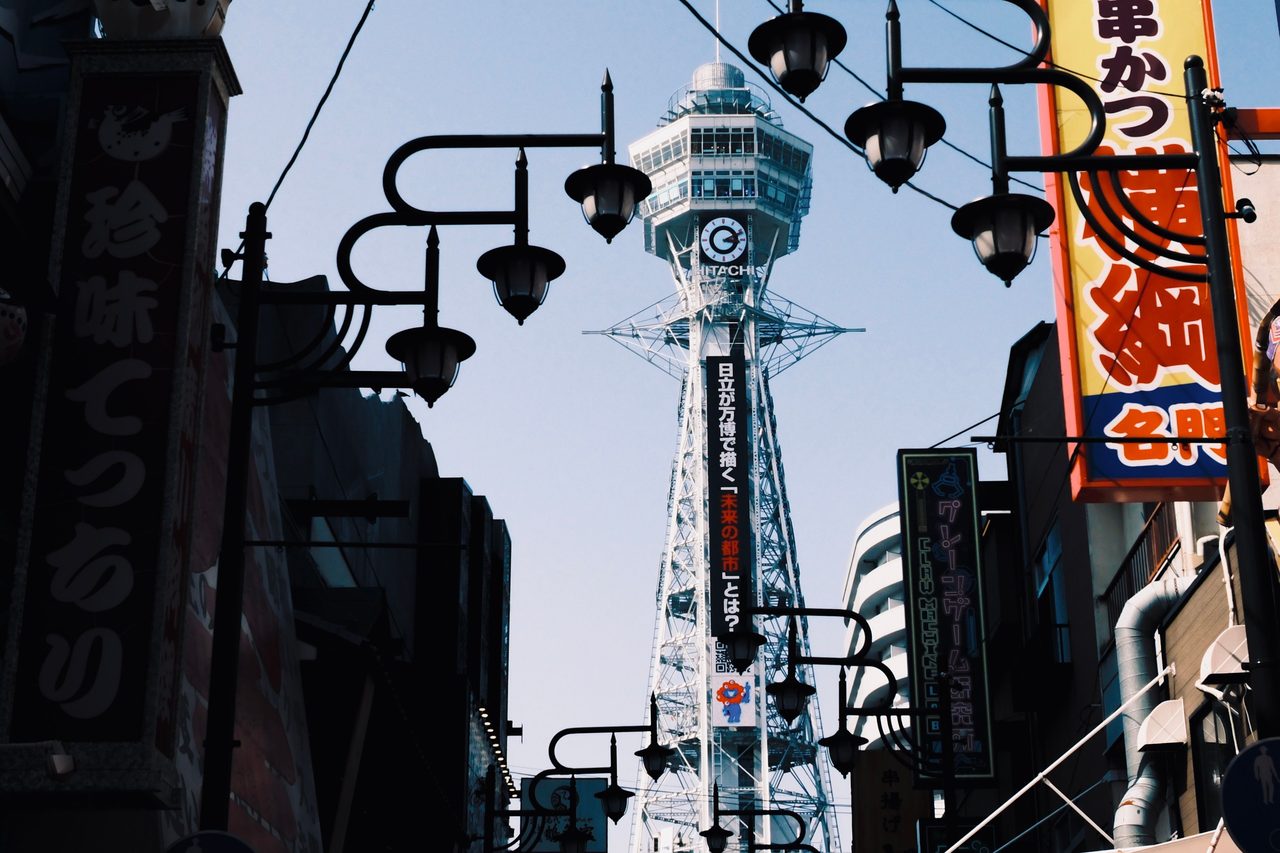
A retro entertainment district built in the early 20th century, inspired by Paris and Coney Island. Tsutenkaku Tower dominates the skyline and the streets below are lined with kushikatsu restaurants and vintage arcades.
Known as 'Osaka's Kitchen,' this 580-meter covered market has operated for over 190 years with over 150 stalls selling fresh seafood, meat, produce, and street food. Vendors often let you sample before buying.
Pick a length, follow the route. Each itinerary balances headline sights with breathing room.
Three tiers, every traveller covered — from cost-conscious to flagship hotels.
Hostels, budget hotels, and guesthouses offer affordable stays without sacrificing experience.
Boutique hotels and well-located accommodations provide comfort and convenience at reasonable prices.
World-class resorts and premium hotels deliver unforgettable experiences.
Osaka's premier luxury address, occupying a sleek 24-story tower in the Honmachi business district. Offers butler service, fine dining at Esterre restaurant, and a full-service spa with stunning city views.
Check rates on Booking.comSet on the upper floors of a Umeda tower with English manor-inspired decor, the Ritz-Carlton Osaka offers spacious rooms with panoramic city views, La Baie French restaurant, and a legendary high tea service.
Check rates on Booking.comOccupying the top 12 floors of the Nakanoshima Festival Tower West with breathtaking views over Nakanoshima Island and the city skyline. Features contemporary Japanese design, floor-to-ceiling windows, and refined dining.
Check rates on Booking.comA grand 5-star hotel connected to Grand Front Osaka shopping complex, offering stylishly appointed rooms, six dining options, and a sky-high fitness center above the Umeda cityscape.
Check rates on Booking.comCafés, neighbourhood gems, and tasting menus worth the table reservation.
The famous Fukuoka-born chain's Dotonbori outpost, known for its individual booth dining concept. Each customer sits alone in a small booth to fully concentrate on the tonkotsu ramen. Customize your broth strength, noodle firmness, and spice level on an order sheet.
Ippudo's Shinsaibashi location serves the brand's signature creamy Hakata-style tonkotsu ramen in a modern setting. The Shiromaru (classic) and Akamaru (rich) broths are both excellent.
One of Osaka's most beloved takoyaki institutions, famous for its crispy outside, molten-inside octopus balls. The original shop near Shinsaibashi draws long queues but moves quickly. Founded in 1938.
A Dotonbori institution since 1945, Mizuno has been perfecting Osaka-style okonomiyaki for over 75 years. The savory pancakes are cooked on iron griddles at the table, topped with the signature Mizuno sauce and bonito flakes.
Located in the Umeda Sky Building basement, Kiji is renowned for its negiyaki — a green onion and pork variation of okonomiyaki that differs from the standard recipe. Beloved by locals and food critics alike.
The most famous kushikatsu restaurant in Osaka's Shinsekai district. Established in 1929, Daruma serves deep-fried skewers of meat, seafood, and vegetables with the iconic Worcestershire-based sauce. The 'no double-dipping' rule is sacred.
Book a food tour in Osaka We may earn a commission from bookings made through this link.
Osaka has an excellent subway system (Osaka Metro) with 8 lines covering the city, plus JR trains, private railways, and buses.
Daily spend by tier in JPY, broken out by category.
| Category | Budget | Mid-range | Luxury |
|---|---|---|---|
| Accommodation | ¥2,000-3,500 | ¥7,000-12,000 | ¥25,000+ |
| Food (per day) | ¥1,500-2,500 | ¥3,000-5,000 | ¥8,000+ |
| Transportation | ¥500-1,000 | ¥1,000-2,000 | ¥3,000+ |
| Activities | ¥500-1,000 | ¥1,500-3,000 | ¥5,000+ |
| Daily total | ¥5,000-8,000 ($35-55) | ¥12,000-20,000 ($80-135) | ¥40,000+ ($270+) |
Best time Shoulder Worth avoiding
Average daytime temperature in °C. Figures are for Japan.
Osaka is exceptionally safe — the main risk is petty theft in crowded tourist areas — While Japan's overall crime rate is very low, crowded areas like Dotonbori, Shinsaibashi, and USJ can attract pickpockets. Keep wallets in front pockets and bags closed in crowds.
Keep photocopies or digital scans of your passport and visa — You are legally required to carry your passport in Japan. Keep originals secure and carry a clear photocopy for daily use. Store photos of important documents in secure cloud storage.
Use only licensed taxis or official taxi apps — Unlicensed taxis are rare in Japan but unofficial drivers sometimes approach tourists outside major venues. Use metered taxis from official stands, or apps like Japan Taxi or GO.
Follow all traffic rules as a pedestrian and cyclist — Japan drives on the left side. Cyclists must use bike lanes or roads — sidewalk cycling is restricted in many areas. Cross only at designated crossings and when the signal is green.
Know earthquake safety procedures — Japan has frequent seismic activity — Osaka is in an earthquake-prone zone. Familiarize yourself with your hotel's evacuation plan. During an earthquake: Drop, Cover, Hold On. Major earthquakes may trigger tsunami warnings in coastal areas.
Be aware of Japan's typhoon season from July to October — Typhoons can bring heavy rain, strong winds, and transit disruptions. Monitor Japan Meteorological Agency forecasts (jma.go.jp). If a typhoon warning is issued, stay indoors and follow local authority instructions.
Be prepared for summer heat — Osaka gets very hot and humid in July and August — Summer temperatures regularly exceed 35°C (95°F) with high humidity. Carry water, use sunscreen, wear light clothing, and take breaks in air-conditioned spaces. Heat stroke is a real risk for active sightseers.
Japan's healthcare is excellent — hospitals can assist tourists — Osaka has numerous high-quality hospitals. The Osaka University Hospital and Osaka City General Medical Center can provide emergency care. Travel insurance with medical coverage is strongly recommended. Some hospitals have English-speaking staff.
Tap water is completely safe to drink throughout Osaka — Osaka's tap water meets very high safety standards and is freely drinkable. No need to buy bottled water for health reasons — vending machines are everywhere for convenience.
Be cautious around adult entertainment touts in Namba/Shinsaibashi late at night — Some establishments in entertainment areas may engage in overcharging or hidden fee practices (known as 'tsuri' or 'boxing'). Avoid entering clubs or bars with aggressive street touts, particularly those approaching foreigners specifically.
Confirm prices before eating at tourist restaurants in Dotonbori — A small number of tourist-facing restaurants charge significantly higher prices than displayed or add service charges. Check menus clearly and confirm any table charges (otoshi) before ordering.
Follow strict no-smoking rules — fines can be issued — Smoking is prohibited on most streets in Osaka, especially in tourist areas. Designated smoking areas are provided. Violations can result in on-the-spot fines of ¥1,000 ($7) or more. Hotel rooms and most restaurants are smoke-free.
Do not litter — Japan takes littering very seriously — Despite very few public trash cans (by Western standards), Japan's streets are immaculately clean. Carry a small bag for your litter until you find a convenience store or other receptacle. Littering is socially unacceptable and can incur fines.
Photography rules — respect private spaces and ask before photographing people — Photography is permitted at most public attractions. Never photograph inside shrines or temples without checking for signs. In markets and food stalls, brief photos are generally fine but ask before photographing people. Fashion districts like Amerika-Mura welcome street photography.
Public drinking in parks and streets is generally tolerated but be respectful — Unlike many countries, drinking in public spaces is not illegal in Japan. However, noisy, disruptive, or intoxicated behavior is strongly frowned upon. Drunk and disorderly behavior can result in police intervention.
Entry requirements follow Japan rules. Most Western passport holders can enter visa-free for up to 90 days. Check Japan's Ministry of Foreign Affairs for current requirements. Requirements vary by nationality, so check with your nearest embassy or the official immigration website before traveling.
The currency in Osaka is the Japanese Yen (JPY). ATMs are widely available in cities and tourist areas. Credit cards are accepted at most hotels and restaurants, but carry cash for markets and smaller establishments.
The main language(s) spoken in Osaka: Japanese. In tourist areas, English is generally understood. Learning a few basic phrases in the local language is appreciated by locals.
The top attractions in Osaka include Osaka Castle (Osaka-jo), Dotonbori, Universal Studios Japan (USJ), Osaka Aquarium Kaiyukan, and Shinsekai & Tsutenkaku Tower. Each offers a unique experience, from historic landmarks to natural wonders.
Osaka has one of Japan's most comprehensive urban transit networks. The Osaka Metro (subway) covers all major districts, supplemented by JR lines, private railways (Hankyu, Kintetsu, Nankai, Keihan), buses, and taxis. Two international airports serve Osaka: Kansai International Airport (KIX) for most international flights and Osaka Itami Airport (ITM) for domestic flights.
The cities below have their own guides — hotels, attractions and where to eat, in depth.