About Italy
Italy captivates travelers with its unparalleled blend of ancient history, Renaissance art, and world-renowned cuisine. From the romantic canals of Venice to the ancient ruins of Rome, the rolling hills of Tuscany to the dramatic Amalfi Coast, Italy offers diverse experiences across its varied regions.
Quick Overview
Capital: Rome
Languages: Italian (official), English widely spoken in tourist areas, Regional languages: German (South Tyrol), French (Valle d'Aosta), Slovenian (Friuli-Venezia Giulia)
Currency: Euro (EUR)
Time Zone: UTC+1 (Central European Time, CET)
Explore Italy by Topic
Best Places to Visit in Italy
Discover the top 32 must-see destinations in Italy, from iconic landmarks to off-the-beaten-path treasures.
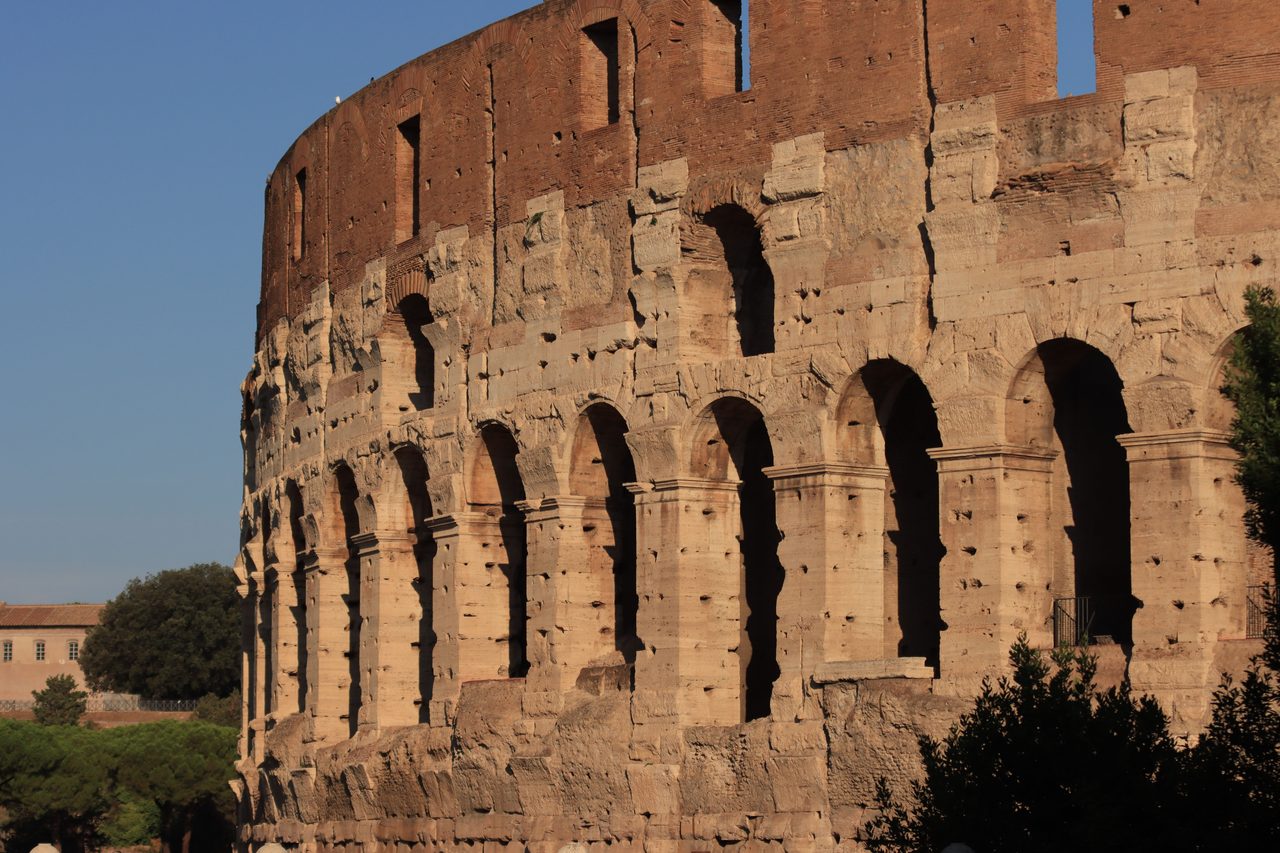
Colosseum
The iconic symbol of Rome, this ancient amphitheater once hosted gladiatorial contests and public spectacles for up to 80,000 spectators. Built in 70-80 AD, it remains the largest amphitheater ever built and offers underground tours of the hypogeum where gladiators prepared for battle.
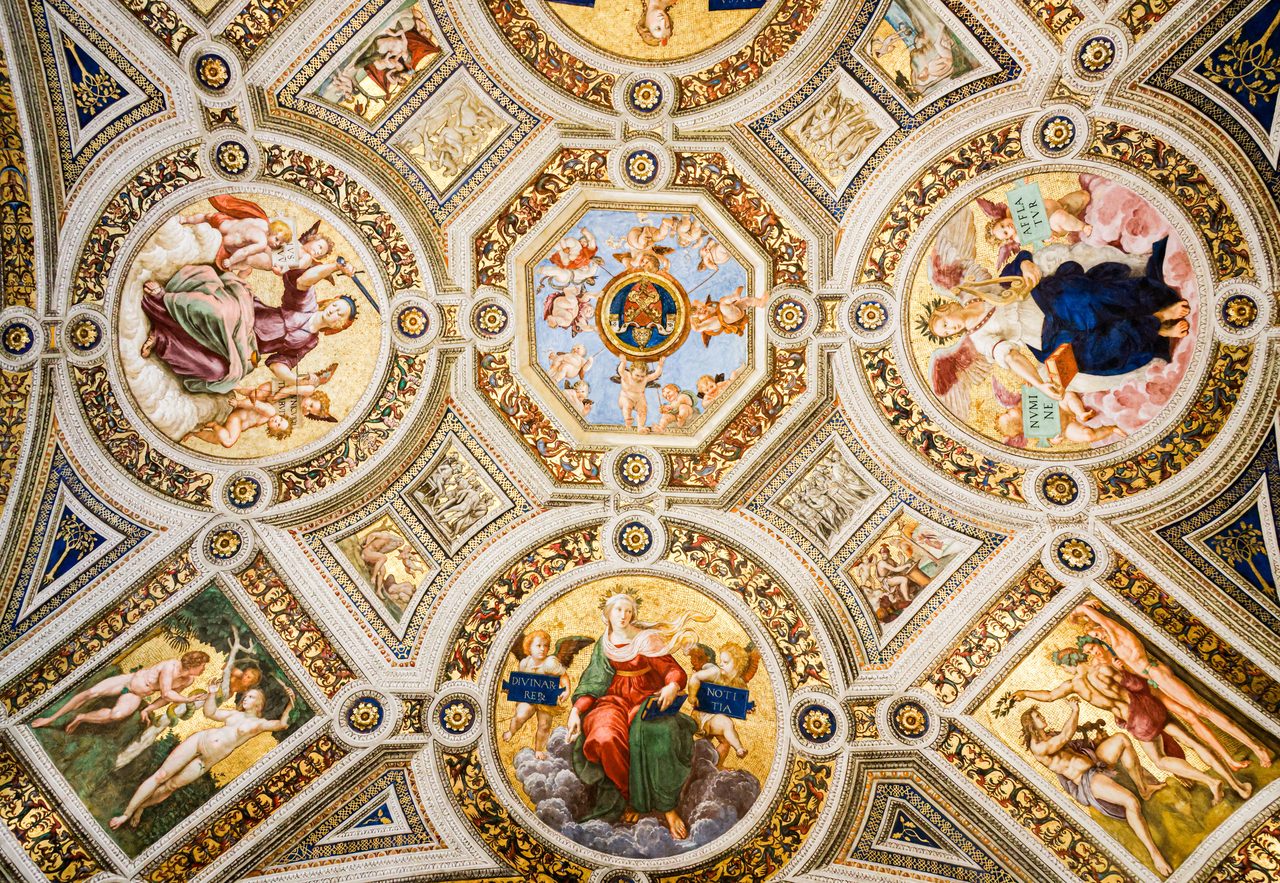
Vatican Museums & Sistine Chapel
One of the world's greatest art collections housed in the papal palaces, culminating in Michelangelo's breathtaking Sistine Chapel ceiling. The museums contain over 70,000 works spanning centuries, including the Raphael Rooms, Gallery of Maps, and ancient Egyptian and Roman sculptures.
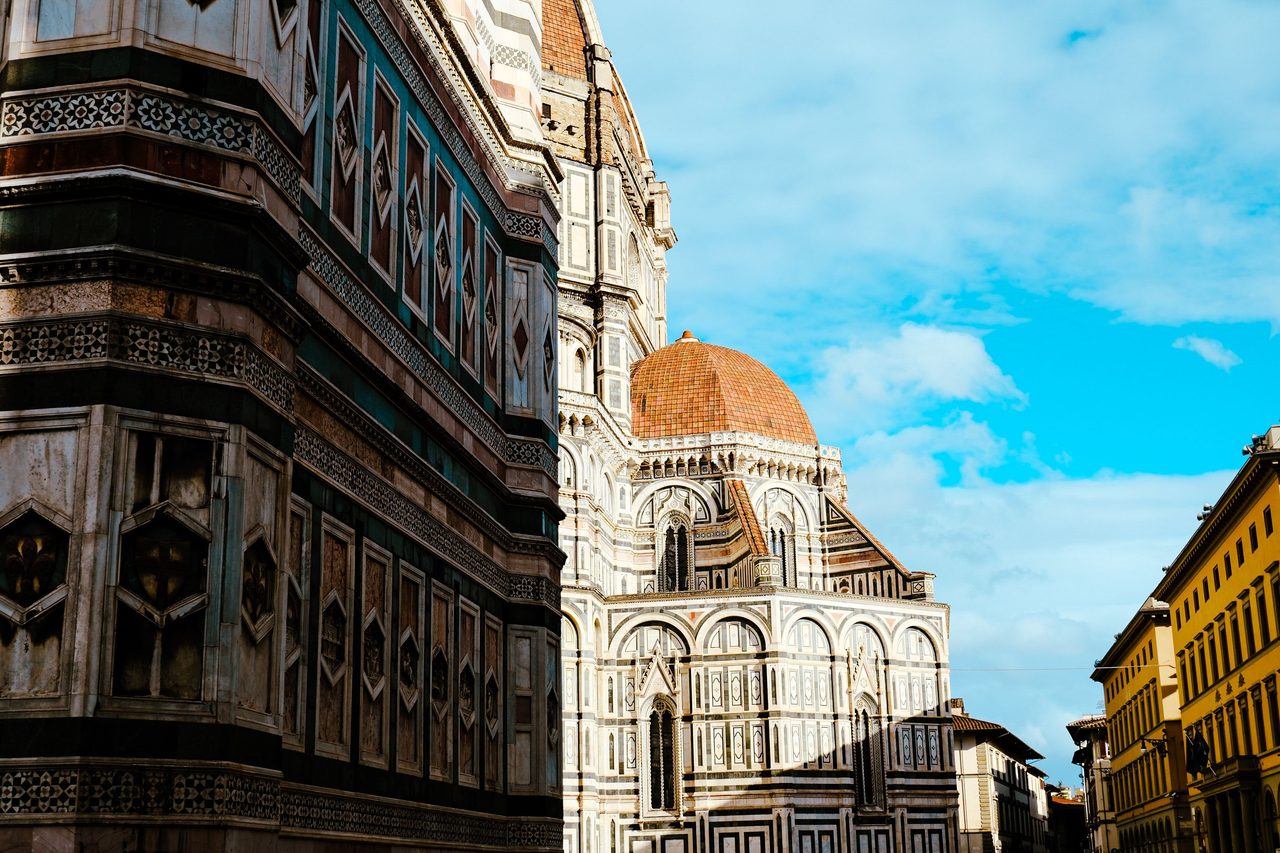
Florence Cathedral (Duomo)
The magnificent cathedral with Brunelleschi's iconic terracotta-tiled dome dominates Florence's skyline. Climb 463 steps to the dome's top for panoramic city views, or ascend Giotto's Bell Tower for an equally stunning perspective including views of the dome itself.
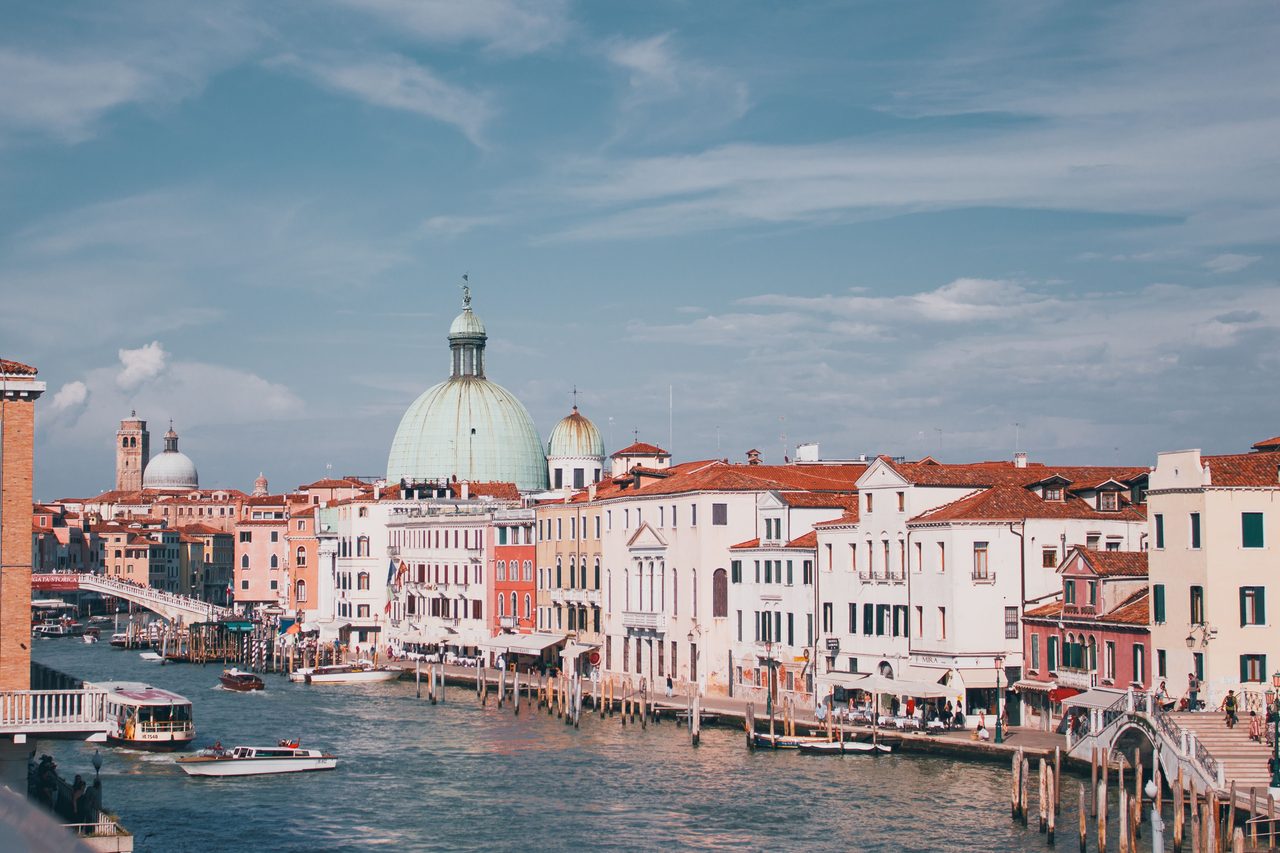
Venice Canals & Grand Canal
Venice's 150+ canals form a unique transportation network through this floating city built on 118 islands. The Grand Canal, the city's main waterway, winds 2.4 miles through Venice passing under the Rialto Bridge and showcasing magnificent Renaissance palazzos.
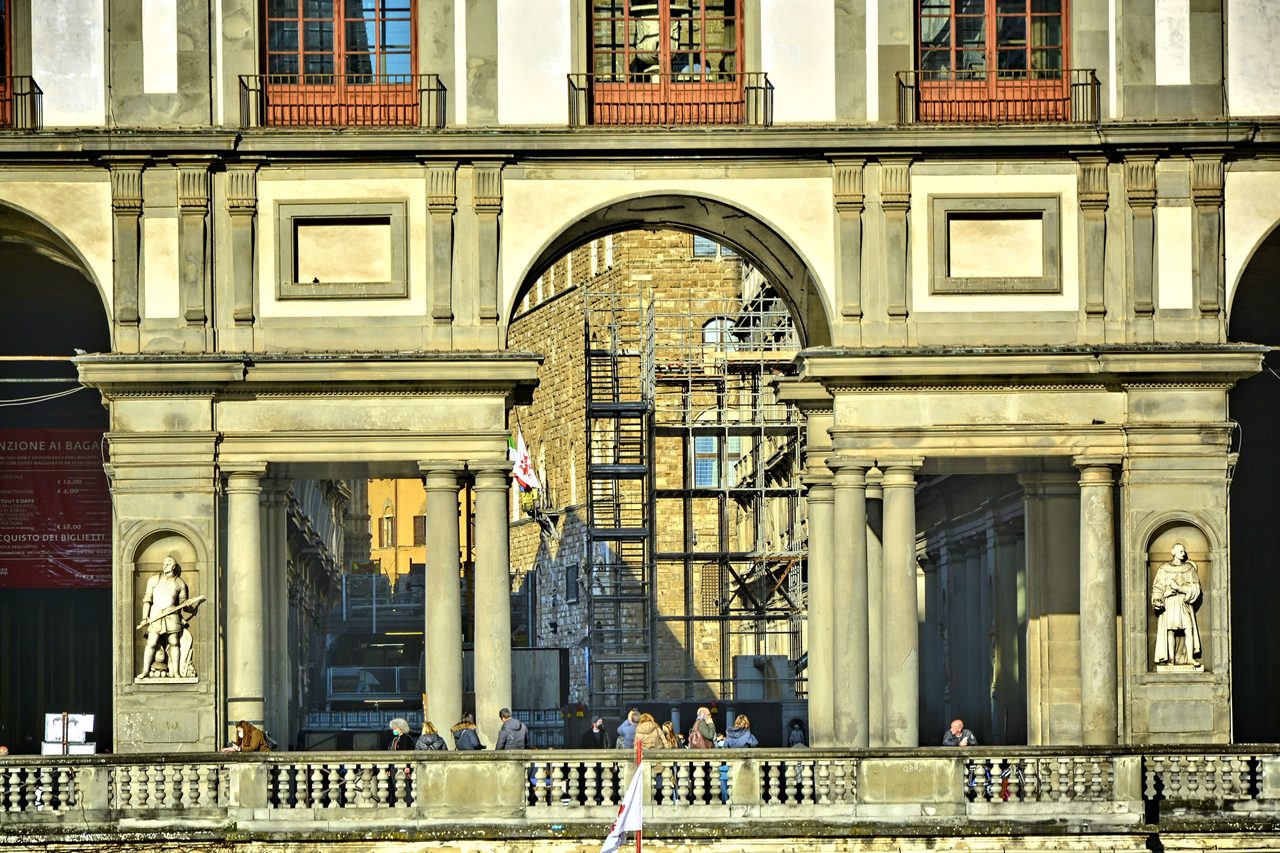
Uffizi Gallery
The world's most important collection of Renaissance art houses masterpieces by Botticelli, Leonardo da Vinci, Michelangelo, and Raphael. Highlights include Botticelli's 'Birth of Venus' and 'Primavera', displayed in the former administrative offices of the Medici family.
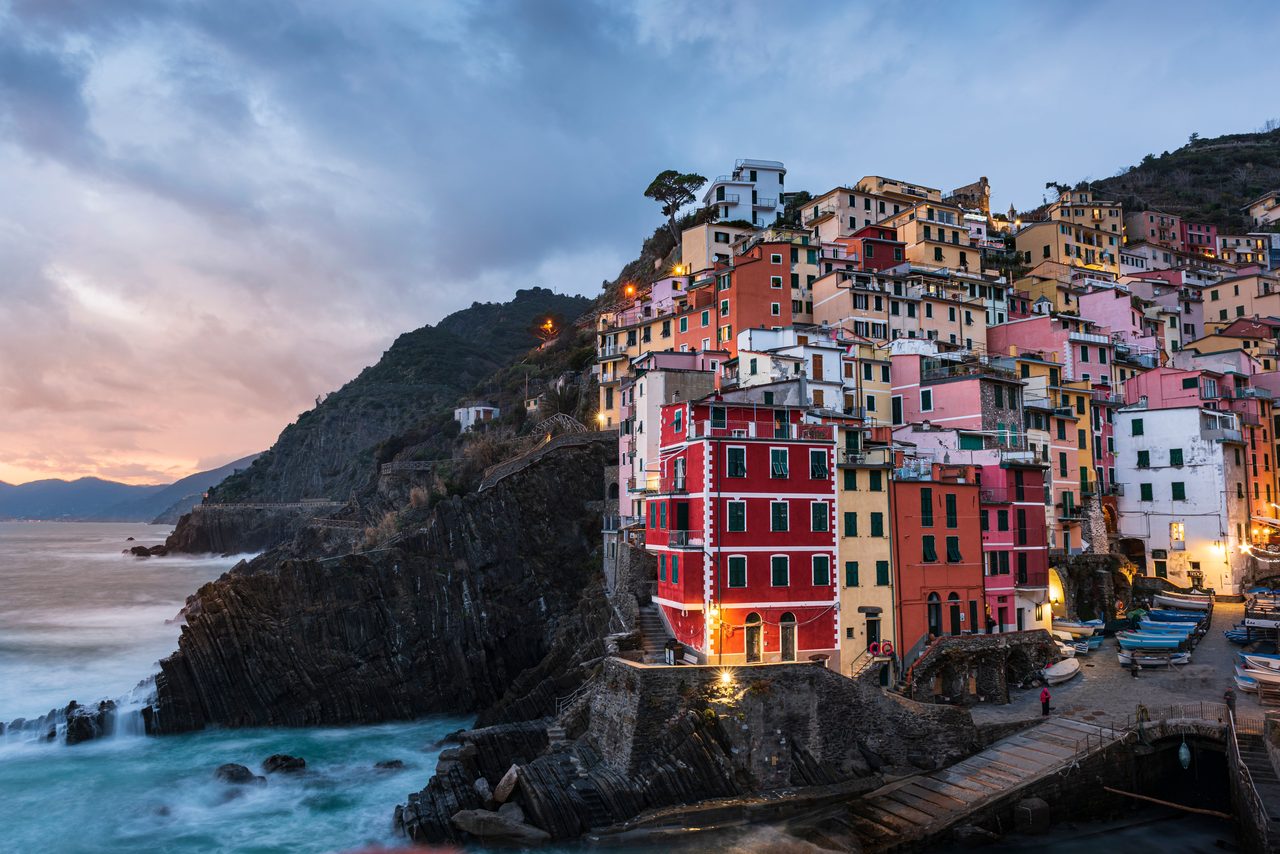
Cinque Terre
Five picturesque fishing villages perched on rugged cliffs along the Italian Riviera, connected by scenic hiking trails and coastal trains. The colorful houses, terraced vineyards, and crystal-clear Mediterranean waters create one of Italy's most photographed landscapes.
Amalfi Coast
A stunning 50-kilometer stretch of coastline featuring dramatic cliffs, pastel-colored villages, and azure Mediterranean waters. Drive the winding coastal road or take ferries between charming towns like Positano, Amalfi, and Ravello for unforgettable views.
Pompeii Archaeological Site
The ancient Roman city frozen in time by Mount Vesuvius' eruption in 79 AD offers an unparalleled glimpse into daily life of the Roman Empire. Walk the original streets, see preserved frescoes, and visit ancient homes, shops, and public buildings.
Recommended Itineraries for Italy
Plan your perfect Italy trip with our expertly crafted itineraries for every travel style and duration.
5-Day Italy Explorer
- Day 1: Arrive in Italy, explore city center
- Day 2: Visit top attractions and museums
- Day 3: Day trip to nearby highlights
- Day 4: Local markets and hidden gems
- Day 5: Final sightseeing, departure
7-Day Classic Italy
- Days 1-2: Italy city highlights
- Days 3-4: Regional exploration
- Days 5-6: Cultural immersion and local experiences
- Day 7: Return and departure
14-Day Ultimate Italy
- Days 1-3: Italy comprehensive city tour
- Days 4-6: Northern region exploration
- Days 7-9: Eastern highlights
- Days 10-12: Southern attractions
- Days 13-14: Return to Italy, departure
Where to Stay in Italy
From luxury resorts to budget-friendly options, Italy offers accommodations for every traveler.
Budget Options ($50-70)
Hostels, budget hotels, and guesthouses offer affordable stays without sacrificing experience.
Mid-Range ($150-250)
Boutique hotels and well-located accommodations provide comfort and convenience at reasonable prices.
Luxury ($400-800+)
World-class resorts and premium hotels deliver unforgettable experiences.
Hotel Hassler Roma
Perched atop the Spanish Steps with panoramic terraces overlooking Rome, this iconic 5-star hotel has welcomed royalty and celebrities since 1893. The Michelin-starred rooftop restaurant Imร go offers exceptional cuisine and breathtaking city views.
Check rates on Booking.comHotel Campo de' Fiori
This charming boutique hotel in Rome's historic center features a spectacular rooftop terrace overlooking the city's domes and monuments. The location in the Campo de' Fiori area puts guests steps from restaurants, bars, and major attractions.
Check rates on Booking.comThe Beehive
American-run budget hotel and hostel near Termini Station offers stylish rooms, vegetarian cafe, yoga classes, and community atmosphere. Eco-friendly practices and helpful staff make this Rome's favorite budget option.
Check rates on Booking.comBelmond Hotel Caruso
This 11th-century palace perched on Ravello's cliffs features infinity pool seemingly suspended over the Amalfi Coast. Terraced gardens, gourmet dining, and breathtaking sea views make this one of Italy's most romantic luxury retreats.
Check rates on Booking.comWhere to Eat in Italy
Discover the culinary delights of Italy, from local street food to fine dining experiences.
Osteria Francescana
Three-Michelin-star restaurant by Massimo Bottura ranked among world's best. Innovative dishes reinterpret Italian classics with artistic presentation and exceptional wine pairings in intimate Modena setting.
Trattoria Da Enzo al 29
Beloved Trastevere trattoria serves authentic Roman cuisine with daily handwritten menus. The intimate setting and traditional dishes like cacio e pepe and carbonara draw locals and visitors alike.
All'Antico Vinaio
Florence's most famous sandwich shop serves enormous schiacciata filled with premium Tuscan meats, cheeses, and creative combinations. Lines wrap around the corner but move quickly.
Trapizzino
Innovative street food concept serves triangular pockets of pizza dough filled with classic Roman dishes. Multiple Rome locations offer quick, delicious, and uniquely Roman experience.
Caffรจ Florian
Venice's oldest cafe opened in 1720 in St. Mark's Square serves coffee, pastries, and Prosecco in ornate Belle รpoque rooms. The live orchestra and historic atmosphere justify premium prices.
La Pergola
Rome's only three-Michelin-star restaurant atop the Rome Cavalieri hotel offers panoramic city views and exquisite cuisine by chef Heinz Beck. The wine cellar holds 60,000 bottles and service is impeccable.
Getting Around Italy
Budget Breakdown for Italy
Plan your spending with our comprehensive cost guide. Currency: USD.
| Category | Budget | Mid-Range | Luxury |
|---|---|---|---|
| Accommodation | $20-35 (hostel dorm, budget hotel) | $70-120 (mid-range hotel or B&B) | $200-500+ (4-5 star hotels) |
| Food (per day) | $15-20 (supermarket breakfast, street food lunch, budget dinner) | $40-70 (cafe breakfast, trattoria lunch, nice dinner) | $100-200 (quality restaurants, wine, cocktails) |
| Transportation | $5-10 (city transport passes, walking) | $15-25 (mix of transport, some taxis) | $30-60 (taxis, private transfers) |
| Activities | $10-15 (some free attractions, one paid sight) | $25-45 (museum entries, one major attraction) | $70-140 (skip-line tours, wine tastings, special experiences) |
| Daily Total | $50-70 | $150-250 | $400-800+ |
Best Time to Visit Italy
Best Season: June to August (warm weather, crowded, highest prices)
Peak Season: June to August (warm weather, crowded, highest prices)
Avoid: November to March (cooler weather, lowest prices, some attractions closed)
Essential Travel Tips for Italy
- Research visa requirements before your trip
- Learn a few basic phrases in the local language
- Carry cash as cards may not be accepted everywhere
- Respect local customs and dress codes
- Purchase travel insurance before departure
Safety Information
Travel Advisory
Exercise normal precautions. Be alert to pickpockets at major tourist attractions (Colosseum, Vatican, Trevi Fountain), on crowded buses and metros, and at train stations. During 2025 Jubilee Year, expect heightened security and large crowds in Rome.
Be vigilant against pickpockets at tourist attractions, especially Colosseum, Vatican, and train stations
Keep valuables secure and avoid displaying expensive jewelry or electronics
Use official taxis or rideshare apps; avoid unlicensed drivers at airports
Be aware of common scams including fake petitions, friendship bracelets, and overcharging at restaurants
During 2025 Jubilee Year, expect heightened security and large crowds in Rome
Register with your country embassy upon arrival; Italian emergency number is 112
Dress modestly when visiting churches and religious sites โ cover shoulders and knees or entry may be refused
Validate train and bus tickets before boarding; inspectors impose on-the-spot fines for unvalidated tickets
Tap water is safe to drink throughout Italy; refill at free public drinking fountains (nasoni) in Rome
Do not eat or drink on the steps of monuments or in historic piazzas โ heavy fines apply in cities like Rome and Florence
Book Vatican Museums and major attractions online in advance; long queues can waste hours, especially during Jubilee Year 2025
Frequently Asked Questions
Is Italy safe to visit in 2026?
Italy is a very safe destination for travelers with a low rate of violent crime. The main safety concerns are petty theft, pickpocketing at tourist sites and on public transport, and tourist-targeted scams. The south (Naples, Palermo) requires slightly more vigilance in certain areas but is generally safe for tourists. Emergency services: police at 112 or 113, medical at 118.
What is the best time to visit Italy?
The best time to visit Italy is June to August (warm weather, crowded, highest prices). Italy's climate varies dramatically from north to south. Northern Italy (Milan, Venice, Turin) has a continental climate with cold winters and hot summers; the Dolomites receive heavy snowfall. Centra
Do I need a visa to visit Italy?
No visa required for stays up to 90 days. Passport must be valid for at least 3 months beyond departure date. ETIAS authorization required starting late 2026. Requirements vary by nationality, so check with your nearest embassy or the official immigration website before traveling.
What currency is used in Italy?
The currency in Italy is the Euro (EUR) (EUR). ATMs are widely available in cities and tourist areas. Credit cards are accepted at most hotels and restaurants, but carry cash for markets and smaller establishments.
What language is spoken in Italy?
The main language(s) spoken in Italy: Italian (official), English widely spoken in tourist areas, Regional languages: German (South Tyrol), French (Valle d'Aosta), Slovenian (Friuli-Venezia Giulia). In tourist areas, English is generally understood. Learning a few basic phrases in the local language is appreciated by locals.
What are the top attractions in Italy?
The top attractions in Italy include Colosseum, Vatican Museums & Sistine Chapel, Florence Cathedral (Duomo), Venice Canals & Grand Canal, and Uffizi Gallery. Each offers a unique experience, from historic landmarks to natural wonders.
Explore Italy by Region
Campania
Campania is a stunning region in southern Italy renowned for its dramatic coastlines, ancient ruins, and world-famous cuisine. Home to Naples, the Amalfi Coast, Pompeii, and the islands of Capri and Ischia, it offers an unrivaled mix of history, natural beauty, and gastronomy. The birthplace of pizza and mozzarella di bufala, Campania captivates visitors with its vibrant culture and breathtaking landscapes.
Emilia Romagna
Emilia Romagna is Italy's gastronomic heartland, stretching from the Apennine Mountains to the Adriatic Sea. Known as the 'Food Valley' for producing Parmigiano-Reggiano, Prosciutto di Parma, and balsamic vinegar, the region also boasts medieval cities, Ferrari's birthplace, and vibrant beach resorts.
Lazio
Lazio is Italy's most historically rich region, home to Rome โ the Eternal City โ as well as ancient ruins, medieval hilltowns, volcanic lakes, and a stunning Tyrrhenian coastline. From the Colosseum to the vineyards of the Castelli Romani and the thermal baths of Viterbo, Lazio offers an unparalleled blend of art, history, nature, and cuisine.
Lombardy
Lombardy is Italy's most populous and economically powerful region, stretching from the Alps in the north to the Po Plain in the south. It encompasses world-class cities like Milan, the Italian fashion and financial capital, alongside alpine lakes of breathtaking beauty โ Como, Garda, Maggiore and Iseo โ and Renaissance gems such as Mantua, Cremona and Bergamo. The region blends metropolitan sophistication with timeless natural landscapes and a rich artistic heritage.
Sardinia
Sardinia is Italy's second-largest island, famed for its pristine turquoise waters, rugged interior mountains, and ancient Nuragic civilizations. The island offers an extraordinary blend of dramatic coastlines, traditional villages, and vibrant cities that remain authentically Italian.
Sicily
Sicily is the largest island in the Mediterranean Sea, renowned for its rich history, stunning coastlines, ancient Greek temples, and vibrant culinary traditions. A crossroads of civilizations for millennia, it bears the cultural imprints of Greeks, Romans, Arabs, Normans, and Spanish conquerors. Today Sicily enchants visitors with its baroque cities, volcanic landscapes, crystal-clear waters, and some of Italy's finest cuisine.
Tuscany
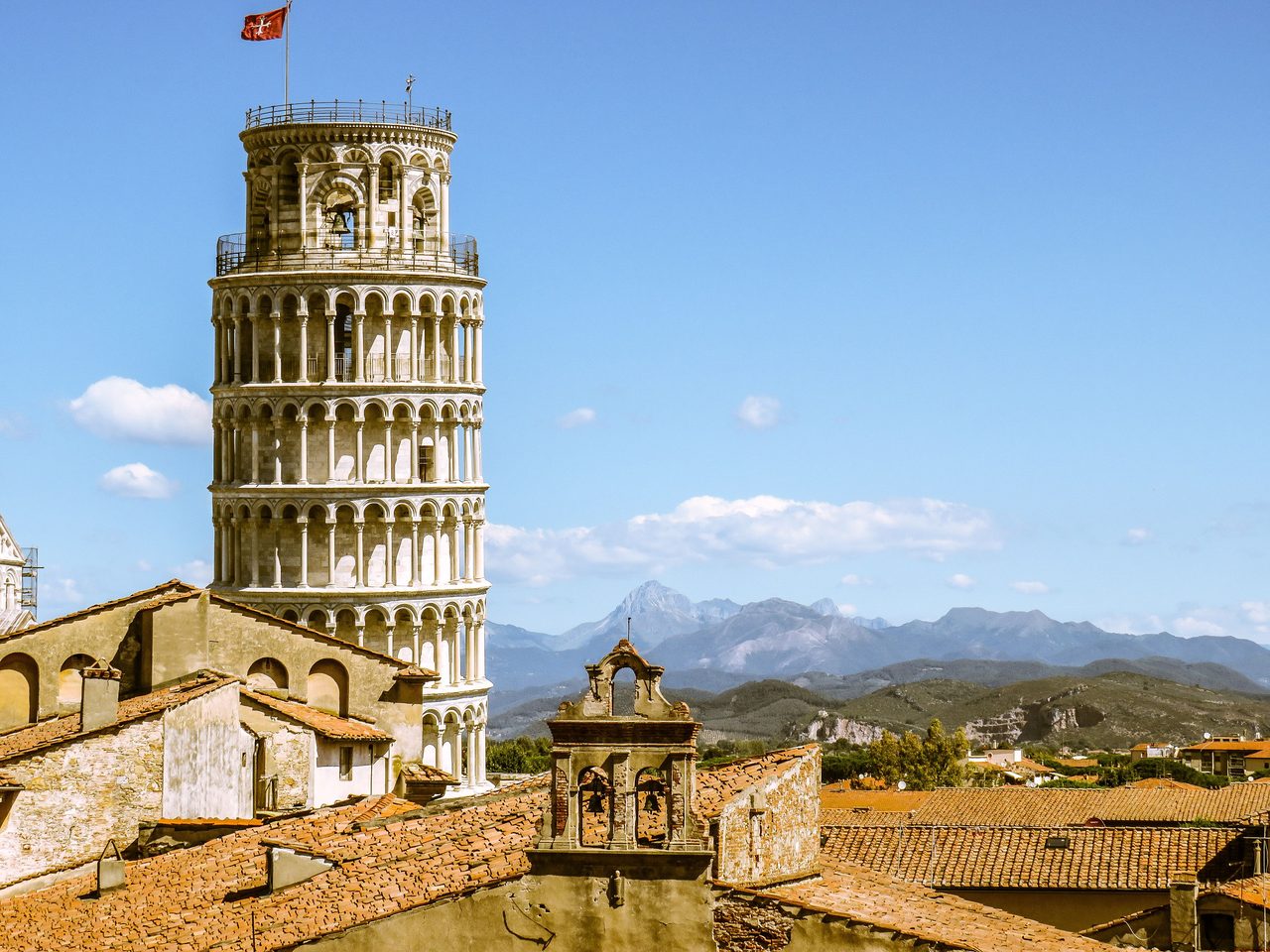
Tuscany (Toscana) is one of Italy's most celebrated regions, renowned for its breathtaking landscapes of rolling hills, cypress-lined roads, and vineyards, as well as its extraordinary concentration of Renaissance art and medieval architecture. Home to Florence, Siena, and Pisa, Tuscany gave the world Dante, Leonardo da Vinci, Michelangelo, and the foundations of the Italian language.
Veneto
Veneto is one of Italy's most diverse and captivating regions, stretching from the dramatic peaks of the Dolomites in the north to the Adriatic Sea in the east. Home to Venice, Verona, and Padua, it blends iconic art cities with rolling wine hills, thermal spas, and pristine alpine landscapes. From the canals of La Serenissima to the ancient Roman amphitheater of Verona, Veneto offers an unmatched tapestry of history, cuisine, and natural beauty.