The Dolomites (UNESCO)
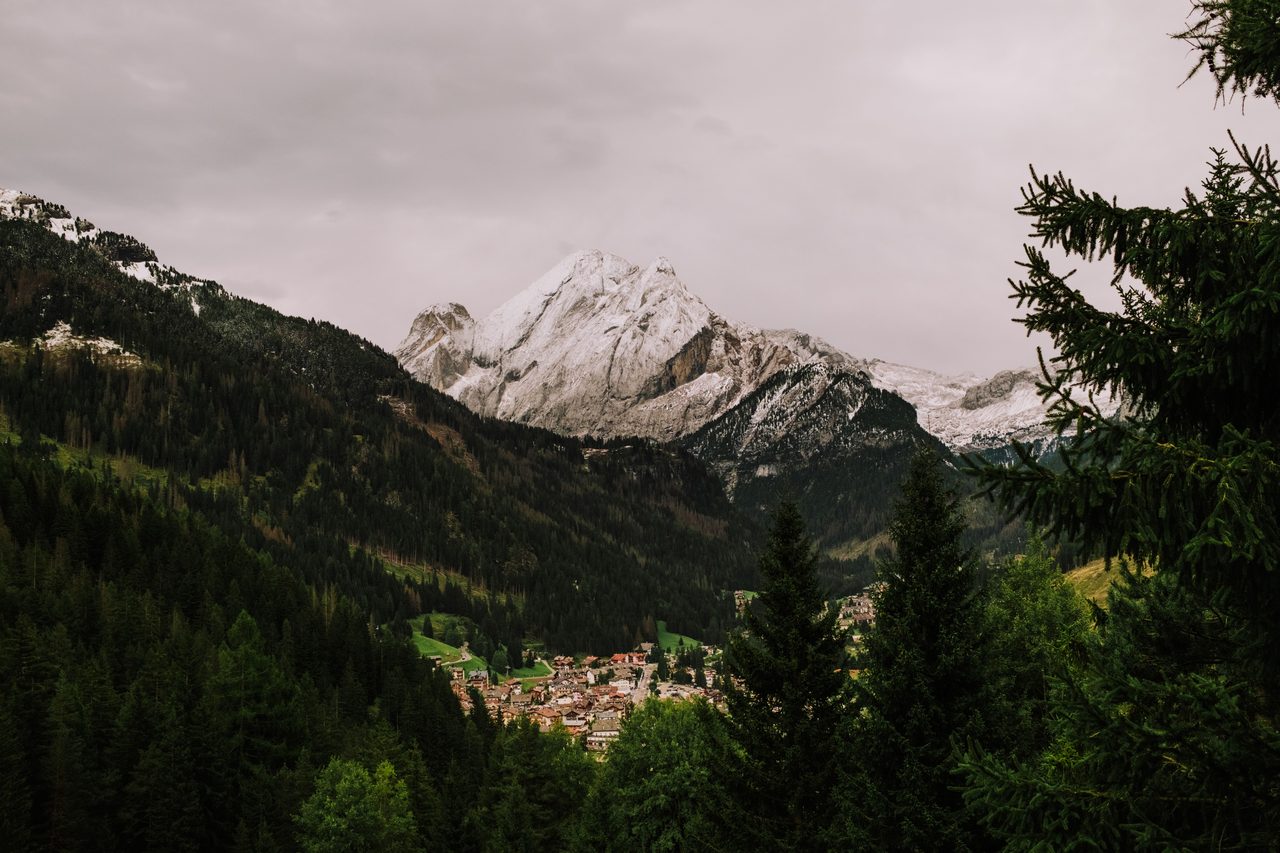
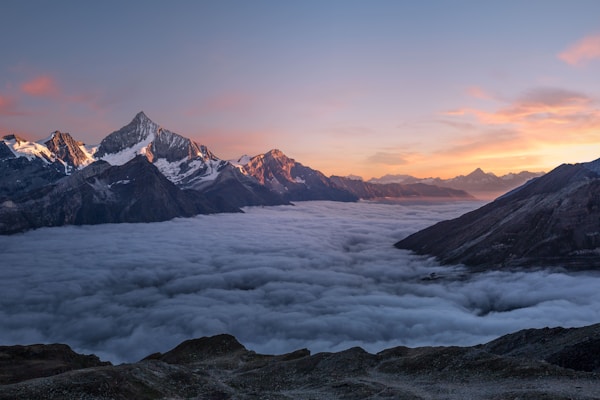
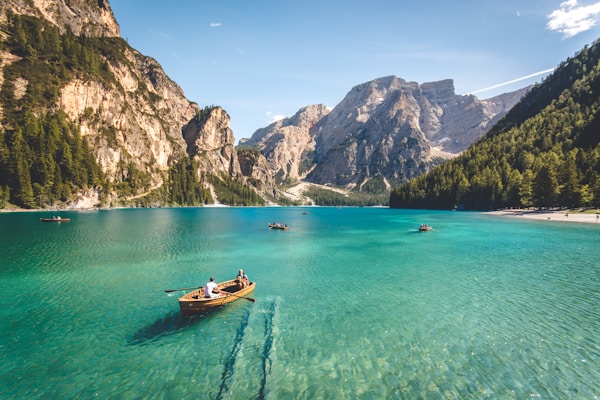
Iconic pink-hued limestone peaks spanning Val Gardena, Alpe di Siusi, and beyond
Trentino-Alto Adige · 5 Places
Trentino-Alto Adige is an autonomous region of northern Italy bordering Austria and Switzerland, home to the spectacular UNESCO-listed Dolomites. Split into the Italian-speaking province of Trentino and the German-speaking South Tyrol, the region blends alpine grandeur with Mediterranean wine valleys, world-class skiing, and a fascinating dual culture.
Trentino-Alto Adige rewards visitors with one of Europe's most striking landscapes — the jagged pink-hued peaks of the Dolomites, designated a UNESCO World Heritage Site. The region's dual identity is unmistakable: Trentino feels distinctly Italian around Trento and the northern shore of Lake Garda, while South Tyrol carries an Austrian soul in Bolzano, Merano, and the apple-laden valleys. Visitors can hike the Alpe di Siusi and Val Gardena, ski the vast Dolomiti Superski circuit, meet Ötzi the Iceman in Bolzano, sample Alto Adige DOC wines, and unwind in Merano's thermal spas. Trento offers Renaissance grandeur at Castello del Buonconsiglio, while Bolzano bridges two worlds in its arcaded medieval center.
Jump straight to the experience you're planning.
The 5 destinations our editors recommend — from iconic landmarks to under-the-radar finds.
Iconic pink-hued limestone peaks spanning Val Gardena, Alpe di Siusi, and beyond
Home of Ötzi the Iceman, the 5,300-year-old mummy found in the Ötztal Alps
Trento's grand castle complex with frescoed halls and the Torre Aquila cycle
Botanical gardens around Merano's castle with sweeping mountain views
Riva del Garda and Torbole offer windsurfing and Mediterranean scenery
Pick a length, follow the route. Each itinerary balances headline sights with breathing room.
Three tiers, every traveller covered — from cost-conscious to flagship hotels.
Hostels, budget hotels, and guesthouses offer affordable stays without sacrificing experience.
Boutique hotels and well-located accommodations provide comfort and convenience at reasonable prices.
World-class resorts and premium hotels deliver unforgettable experiences.
Long the most celebrated luxury address in the Dolomites, the Rosa Alpina in San Cassiano combines deep family heritage with world-class dining and a refined alpine spa. The hotel sits in the heart of Alta Badia, surrounded by the peaks of the Fanes and the Sella massif, and is home to the three-Michelin-starred St. Hubertus.
Check rates on Booking.comPerched on a wooded hillside above Merano, Castel Fragsburg is a former 17th-century noble hunting lodge transformed into the smallest luxury hotel in South Tyrol and a member of Relais & Châteaux. With sweeping views over the Adige Valley, a panoramic pool, and a refined restaurant, it offers an intimate, garden-wrapped retreat.
Check rates on Booking.comA flagship South Tyrolean spa resort in the heart of Ortisei, the Adler Spa Resort Dolomiti pairs an enormous wellness world of pools, saunas, and treatment rooms with generous half-board dining and a full programme of guided mountain activities. It is one of the most complete all-inclusive alpine resorts in Val Gardena.
Check rates on Booking.comA refined family-run five-star hotel in Ortisei, the Gardena Grödnerhof is known for its elegant alpine interiors, a serene spa, and a gourmet restaurant that has earned Michelin recognition. It offers a quieter, more design-led alternative to the larger resorts of Val Gardena.
Check rates on Booking.comCafés, neighbourhood gems, and tasting menus worth the table reservation.
The three-Michelin-starred restaurant of the Rosa Alpina in San Cassiano is among the most acclaimed in the Alps. Its Cook the Mountain philosophy uses strictly local, seasonal, altitude-driven ingredients to create refined, deeply regional tasting menus, served in an elegant Dolomite setting.
A Michelin-starred restaurant in the hills of Ravina just outside Trento, owned by the Ferrari sparkling-wine house, Locanda Margon offers refined contemporary cuisine with sweeping views over the Adige Valley and tasting menus designed to showcase the celebrated Ferrari Trentodoc.
The Michelin-starred restaurant of acclaimed chef Andrea Fenoglio in elegant Merano, Sissi blends South Tyrolean and Mediterranean traditions with creativity and technical precision. Named after Empress Elisabeth, it occupies a refined Art Nouveau setting in the heart of the spa town.
The Michelin-starred gourmet restaurant of the Hotel Gardena Grödnerhof in Ortisei, Anna Stuben serves refined modern Alpine cuisine in an intimate, historic wood-panelled stube. It is among the finest dining rooms in Val Gardena, with a deep Alto Adige cellar.
An elegant restaurant in a historic building on Bolzano's Piazza della Mostra, Zur Kaiserkron offers refined contemporary cooking that bridges Italian and South Tyrolean traditions, with a stylish dining room and terrace and a strong regional wine list.
A historic Bolzano institution near Piazza delle Erbe, Vögele has served traditional South Tyrolean cooking for generations in a warren of atmospheric wood-panelled stuben. It is the place to try canederli, gulasch, and schlutzkrapfen in the heart of the old town.
Trentino-Alto Adige has an excellent public transport network of regional trains, valley buses, and cable cars, made affordable by the Südtirol Guest Pass and Trentino Guest Card. A rental car offers maximum flexibility for reaching remote Dolomite valleys.
Daily spend by tier in EUR, broken out by category.
| Category | Budget | Mid-range | Luxury |
|---|---|---|---|
| Accommodation | €35 | €90 | €280+ |
| Food (per day) | €20 | €45 | €100+ |
| Transportation | €10 | €15 | €30 |
| Activities | €10 | €20 | €60 |
| Daily total | €75 | €170 | €450+ |
Check the forecast and trail conditions before heading into the Dolomites — Alpine weather changes fast: clear mornings can turn to thunderstorms with lightning, hail and a sharp temperature drop by afternoon. Start hikes early, turn back if storms build, and check the provincial weather and avalanche bulletins (Provincia di Bolzano / Trentino) before setting out. Carry waterproofs and warm layers even in summer.
Respect avalanche risk in winter backcountry and off-piste — Marked, patrolled pistes are safe, but off-piste and ski-touring terrain can be deadly in winter and spring. Check the daily avalanche bulletin (Lawinen.report covers both provinces), never go off-piste without transceiver, probe, shovel and training, and hire a certified guide for backcountry routes. Heed all warning signs and closures.
Use proper equipment and skills on via ferrata and exposed trails — The Dolomites are famous for via ferrata, but falls are the leading cause of serious mountain accidents here. Use a certified via ferrata kit (harness, lanyard with energy absorber, helmet), clip correctly at every section, avoid them in thunderstorms (metal cables attract lightning), and choose routes that match your experience. Hire a guide if unsure.
Tell someone your route and carry the essentials — Always tell your accommodation or a friend where you are going and when you expect to return. Carry water, food, layers, a map (paper plus phone), a headtorch and a charged phone. Stick to marked trails (numbered CAI/AVS signs), respect closures, and know that mobile coverage is patchy in high valleys. The European emergency number 112 works for mountain rescue.
Fit winter tyres or carry chains on mountain roads from November to April — Winter tyres or snow chains on board are legally required from 15 November to 15 April on many roads. High passes (Sella, Pordoi, Gardena, Stelvio) close in winter and after heavy snow. Drive slowly on snow and ice, watch for black ice in shaded sections, and check pass-closure information before setting out in the cold months.
Protect against intense alpine sun and rapid temperature changes — At altitude and on snow the sun is far stronger than in the valley. Use high-SPF sunscreen, sunglasses and a hat year-round, and reapply after sweating. Temperatures can fall well below freezing on summits even in summer mornings, so always carry warm and windproof layers and start descents in good time.
Take care swimming in cold alpine lakes and fast rivers — Alpine lakes such as Lago di Caldaro warm up in summer, but high lakes and rivers stay very cold and can cause cold-water shock. On Lake Garda's northern shore, strong afternoon winds (the Ora) build waves quickly — heed flags and conditions, and keep a close eye on children and inflatables.
Follow lift staff instructions and check operating times — Cable cars and chairlifts are well maintained and safe, but always follow staff instructions, mind the gap when boarding and alighting, and check the last descent time so you are not stranded on the mountain. Lifts may stop in high winds or storms, so plan an alternative way down.
Carry travel insurance with mountain-rescue and EHIC/GHIC cover — EU/EEA/Swiss citizens should carry their EHIC and UK citizens their GHIC for free emergency healthcare. All visitors should add comprehensive travel insurance that explicitly covers mountain rescue and helicopter evacuation, which can otherwise be very costly. Hospitals in Bolzano, Trento, Merano and Bressanone have full emergency departments.
Check for ticks after hiking in forests and meadows — Ticks are active from spring to autumn in wooded and grassy areas of the Alps and can transmit Lyme disease and tick-borne encephalitis (TBE/FSME). Wear long trousers in tall grass, use repellent, and check your body after walks. Remove any tick promptly with fine tweezers and watch for a spreading rash or flu-like symptoms.
Keep your distance from livestock and grazing-dog guardians — Alpine pastures often have free-roaming cattle and, increasingly, livestock-guardian dogs protecting flocks. Keep your distance from cows with calves, do not walk dogs through grazing herds (lead them around), and stay calm and move steadily away if a guardian dog approaches. Bears and wolves exist in parts of Trentino but encounters are extremely rare.
Take normal precautions in busy towns and at markets — Crime is very low, but ordinary precautions still apply in crowded spots such as Bolzano's arcades, Christmas markets and busy stations. Keep wallets and phones secure, do not leave valuables visible in parked cars, and use the hotel safe for documents. Violent crime against visitors is rare.
Trentino-Alto Adige is very safe for solo travellers including women — The region is among Italy's safest for solo travel, including solo women, with orderly towns and a strong outdoor culture. The main caution is solo hiking and skiing: tell someone your plans, carry the right gear, and consider joining guided groups for via ferrata, glacier or backcountry routes where self-rescue is difficult.
Tap water is excellent — refill bottles freely — Tap and spring water across the region is of very high quality and safe to drink, so carry a refillable bottle. Food hygiene standards are high; mountain huts serve hearty, safe meals. Note that many high refuges are cash-only, so carry euros when hiking.

Entry requirements follow Italy/Schengen rules. EU citizens need ID card; non-EU visitors may need a Schengen visa. Requirements vary by nationality, so check with your nearest embassy or the official immigration website before traveling.
The currency in Trentino-Alto Adige is the Euro (EUR). ATMs are widely available in cities and tourist areas. Credit cards are accepted at most hotels and restaurants, but carry cash for mountain huts and smaller establishments.
The main languages spoken in Trentino-Alto Adige are Italian, German, and Ladin. Trentino is largely Italian-speaking, while South Tyrol is predominantly German-speaking. In tourist areas English is generally understood, and learning a few basic phrases in either language is appreciated by locals.
The region has an excellent public transport network of regional trains, valley buses, and cable cars, made affordable by the Südtirol Guest Pass and Trentino Guest Card. A rental car gives maximum flexibility for reaching remote Dolomite passes and high valleys, though winter tires are essential from November to April.