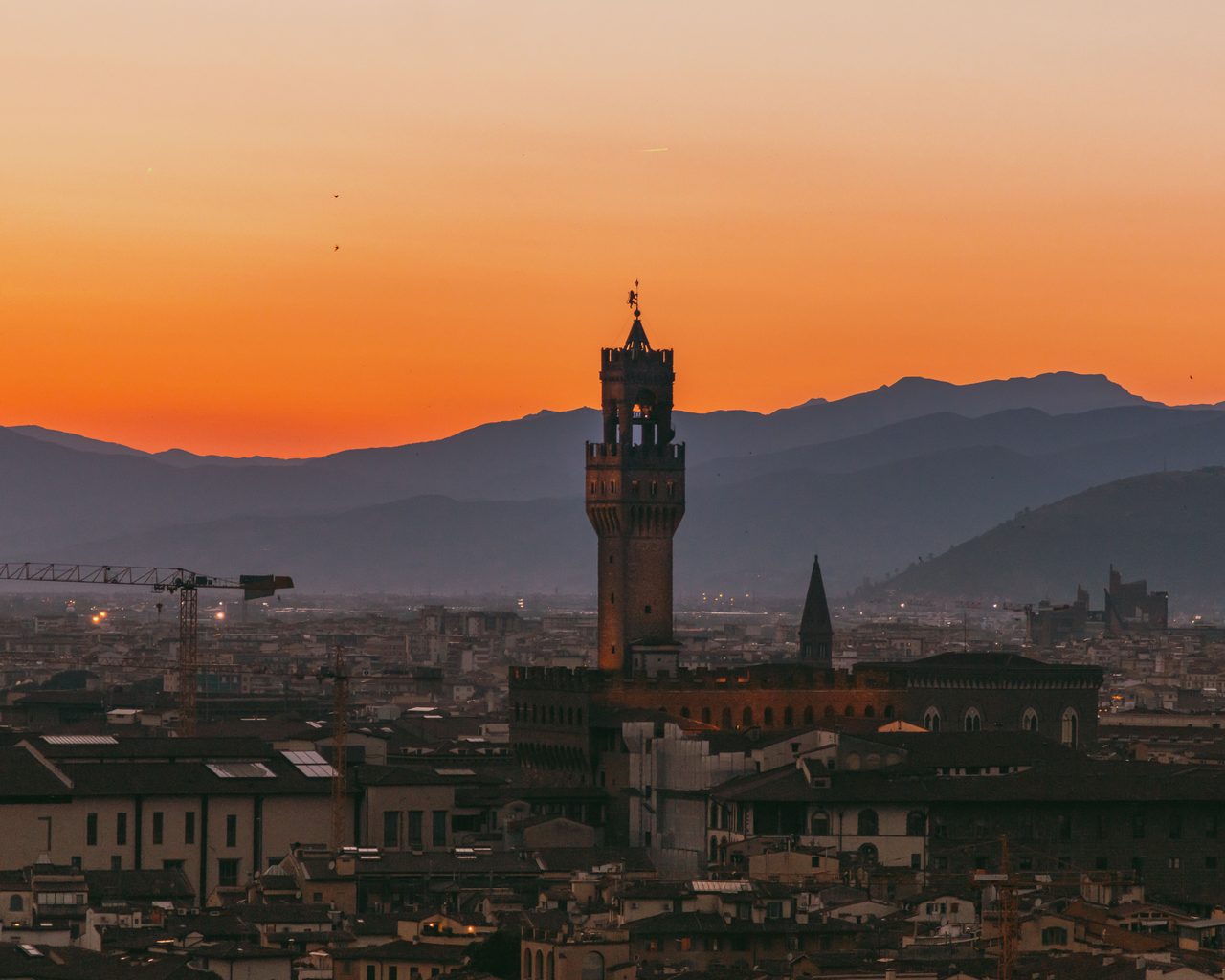
Tuscany · 26 Places · Best April-May and September-October
Tuscany
Tuscany (Toscana) is one of Italy's most celebrated regions, renowned for its breathtaking landscapes of rolling hills, cypress-lined roads, and vineyards, as well as its extraordinary concentration of Renaissance art and medieval architecture. Home to Florence, Siena, and Pisa, Tuscany gave the world Dante, Leonardo da Vinci, Michelangelo, and the foundations of the Italian language.
Tuscany stretches across central Italy between the Apennine mountains and the Tyrrhenian Sea, encompassing five UNESCO World Heritage Sites, world-class museums, and one of Italy's most beloved culinary traditions. The region produces iconic wines including Chianti Classico and Brunello di Montalcino, grows prized truffles in the San Miniato hills, and yields extra-virgin olive oil celebrated across the globe. Whether you come for art, food, hiking, beach holidays, or simply to drive through the countryside, Tuscany delivers an experience of rare beauty and depth.
The 26 destinations our editors recommend — from iconic landmarks to under-the-radar finds.
Uffizi Gallery
One of the world's most important art museums, housing an unparalleled collection of Renaissance masterpieces including Botticelli's Birth of Venus, Leonardo da Vinci's Annunciation, and works by Michelangelo and Raphael. The gallery occupies the former Medici administrative offices designed by Giorgio Vasari in 1560.
Leaning Tower of Pisa
The world-famous freestanding bell tower of Pisa Cathedral, begun in 1173 and renowned for its unintended tilt caused by soft ground on one side. Visitors can climb the 294 steps to the top for sweeping views over the Campo dei Miracoli. The tower leans at approximately 3.97 degrees from vertical.
Piazza del Campo
One of Europe's greatest medieval public squares, the shell-shaped Piazza del Campo in Siena is divided into nine segments representing the Council of Nine who governed medieval Siena. The square is dominated by the Palazzo Pubblico and its slender Torre del Mangia, and hosts the famous Palio horse race twice a year.
Cathedral of Santa Maria del Fiore (Florence Duomo)
Florence's magnificent Gothic cathedral is crowned by Brunelleschi's revolutionary dome, still the largest brick dome ever constructed. The cathedral complex includes the dome, Giotto's campanile, and the Baptistery of San Giovanni with its famous bronze 'Gates of Paradise' by Ghiberti. Climbing the 463 steps to the dome top rewards with panoramic city views.
Ponte Vecchio
Florence's oldest and most iconic bridge spans the Arno River and is lined with goldsmiths, jewelers, and art dealers. Dating from 1345, it is the only Florentine bridge to survive World War II intact. The Vasari Corridor runs along the top of the shops, connecting the Uffizi with the Pitti Palace.
Palazzo Vecchio
Florence's fortress-like town hall has been the seat of civic government since 1299 and now houses a magnificent museum with frescoed halls, Renaissance sculptures, and the famous Hall of the Five Hundred. The Torre d'Arnolfo tower offers spectacular views over the city and the Arno River.
Recommended itineraries
Pick a length, follow the route. Each itinerary balances headline sights with breathing room.
5-Day Tuscany Explorer
Day 1Arrive in Tuscany, explore city center
Day 2Visit top attractions and museums
Day 3Day trip to nearby highlights
Day 4Local markets and hidden gems
Day 5Final sightseeing, departure
7-Day Classic Tuscany
Days 1-2Tuscany city highlights
Days 3-4Regional exploration
Days 5-6Cultural immersion and local experiences
Day 7Return and departure
14-Day Ultimate Tuscany
Days 1-3Tuscany comprehensive city tour
Days 4-6Northern region exploration
Days 7-9Eastern highlights
Days 10-12Southern attractions
Days 13-14Return to Tuscany, departure
Where to stay in Tuscany
Three tiers, every traveller covered — from cost-conscious to flagship hotels.
Budget €60
Hostels, budget hotels, and guesthouses offer affordable stays without sacrificing experience.
Mid-range €150
Boutique hotels and well-located accommodations provide comfort and convenience at reasonable prices.
Luxury €400+
World-class resorts and premium hotels deliver unforgettable experiences.
Four Seasons Hotel Firenze
Florence - Sant'Ambrogio · $$$$
Set in a stunning 15th-century Renaissance palazzo with a 4.5-acre private garden, the Four Seasons Florence is one of Italy's most prestigious hotels. Rooms are opulently decorated with period furniture and silk fabrics, and the hotel's spa and Michelin-starred restaurant Il Palagio make it a complete destination.
Perched on the hillside at Fiesole above Florence, this breathtaking 15th-century former monastery designed in part by Michelangelo offers stunning views over the Arno Valley and Florence's rooftops. Each room is individually decorated with antiques, and the heated pool and Michelin-starred restaurant complete the experience.
Within the walls of the medieval Castello Banfi estate in the heart of Brunello wine country, this stunning hotel offers 14 suites and 14 rooms decorated with antique furnishings and local stone. Surrounded by 2,800 hectares of vineyards, olive groves, and woods with a Michelin-starred restaurant.
A 5,000-acre private estate in the Val d'Orcia with a restored medieval village converted into one of Italy's most exclusive resorts. Offering private villas, a championship golf course, Ristorante Campo del Drago with outstanding Brunello wine, a luxury spa, and falconry experiences.
Cafés, neighbourhood gems, and tasting menus worth the table reservation.
Buca Lapi
Tuscan - Bistecca Fiorentina specialist · $$$
Florence's oldest restaurant, operating since 1880 in the atmospheric vaulted wine cellars beneath Palazzo Antinori. Famous for its enormous bistecca fiorentina grilled over charcoal, the walls are plastered with vintage travel posters. A true Florentine institution.
Enoteca Pinchiorri
Creative Tuscan / Italian · $$$$
One of Italy's most celebrated restaurants with three Michelin stars, housed in a 15th-century palazzo in Florence with one of Italy's finest wine cellars (over 130,000 bottles). Chef Annie Feolde has created an extraordinary temple of Italian haute cuisine combining Tuscan tradition with French technique.
Trattoria Mario
Florentine / Traditional Tuscan · $
An iconic and beloved Florence trattoria operating since 1953 near the Mercato Centrale. Communal tables, paper tablecloths, no reservations, and a short menu of daily specials including ribollita, lampredotto, and bistecca make this the quintessential Florentine lunch experience beloved by locals and savvy travelers alike.
Osteria Le Logge
Tuscan - refined · $$$
One of Siena's finest restaurants, housed in a magnificent 19th-century pharmacy with original wooden shelves, marble counters, and terracotta floors. The menu celebrates Sienese and Tuscan cuisine with exceptional seasonal ingredients, an outstanding wine list focused on Brunello and Chianti Classico.
Antica Macelleria Cecchini
Tuscan - Meat specialist · $$
Dario Cecchini, an 8th-generation butcher and global celebrity chef, runs this legendary butcher shop and restaurant in Panzano in Chianti. Featured on Netflix's Chef's Table, it serves extraordinary bistecca fiorentina and other cuts in a unique communal, festive atmosphere. The most famous butcher in Italy.
Osteria di Brinzella
Tuscan countryside · $$
A charming farmhouse osteria in the Chianti hills serving authentic Tuscan farm cooking with a menu that changes with the seasons and uses ingredients from the surrounding countryside. The terrace views over the vineyards and the wood-fire cooking make this a favorite for those exploring Chianti.
Tuscany has good transport links between major cities via train, but a rental car is strongly recommended for exploring the countryside, Chianti wine region, Val d'Orcia, and smaller hill towns not served by public transport.
Budget breakdown
Daily spend by tier in EUR, broken out by category.
Category
Budget
Mid-range
Luxury
Accommodation
€25
€80
€250
Food (per day)
€15
€40
€100
Transportation
€10
€15
€30
Activities
€10
€15
€20
Daily total
€60
€150
€400+
Best time to visit Tuscany
Weather through the year in Italy
Best timeShoulderWorth avoiding
Average daytime temperature in °C. Figures are for Italy.
Essential travel tips
Book Uffizi Gallery tickets well in advance
Many towns have limited traffic zones (ZTL) for cars
Restaurants typically open for dinner from 7:30PM
Many churches require modest dress (cover shoulders and knees)
Hidden gems
Off-the-beaten-path corners most travellers miss.
Pitigliano
Known as 'Little Jerusalem', this dramatic hilltop town built on volcanic tuff rock has a fascinating history as a Jewish refuge
Grosseto Province
Barga
A perfectly preserved medieval village in the Garfagnana valley with stunning Apennine views
Lucca Province
Bagno Vignoni
A unique village built around a central hot spring piazza, used since Roman and Medici times
Val d'Orcia, Siena Province
Certaldo Alto
The medieval hilltop section of Certaldo, birthplace of writer Giovanni Boccaccio
Florence Province
Sorano
Another dramatic tuff rock town near Pitigliano with Etruscan cave dwellings and medieval streets
Grosseto Province
Safety information
INFO
Keep valuables in hotel safe and use anti-theft bags
INFO
Be cautious of pickpockets near the Uffizi Gallery and Ponte Vecchio
INFO
Validate train tickets before boarding to avoid fines
INFO
Wear comfortable shoes for cobblestone streets
Frequently asked questions
Do I need a visa to visit Tuscany?
Entry requirements follow Italy/Schengen rules. EU citizens need only a national ID card; non-EU visitors from many countries may stay visa-free for up to 90 days; others require a Schengen visa. Requirements vary by nationality, so check with your nearest embassy or the official immigration website before traveling.
What currency is used in Tuscany?
The currency in Tuscany is the Euro (EUR). ATMs are widely available in cities and tourist areas. Credit cards are accepted at most hotels and restaurants, but carry cash for markets and smaller establishments.
What language is spoken in Tuscany?
The main language(s) spoken in Tuscany: Italian. In tourist areas, English is generally understood. Learning a few basic phrases in the local language is appreciated by locals.
What are the top attractions in Tuscany?
The top attractions in Tuscany include Uffizi Gallery, Leaning Tower of Pisa, Piazza del Campo, Cathedral of Santa Maria del Fiore (Florence Duomo), and Ponte Vecchio. Each offers a unique experience, from historic landmarks to natural wonders.
Explore Tuscany by city
The cities below have their own guides — hotels, attractions and where to eat, in depth.