Open Travel Guide
Turkey

Europe/Asia · 32 Places · Best April-May, September-October

Turkey

Turkey bridges Europe and Asia, offering an extraordinary blend of ancient history, vibrant culture, and stunning landscapes. From the fairy chimneys of Cappadocia to the turquoise coast, Byzantine mosaics to Ottoman palaces, Turkey delivers unforgettable experiences for every type of traveler.

Capital
Ankara
Currency
Turkish Lira (TRY)
Language
Turkish
Time zone
UTC+3 (Turkey Time)
Best time
April-May, September-October
Places
32 curated
On this page

About Turkey

Turkey bridges Europe and Asia, offering an extraordinary blend of ancient history, vibrant culture, and stunning landscapes. From the fairy chimneys of Cappadocia to the turquoise coast, Byzantine mosaics to Ottoman palaces, Turkey delivers unforgettable experiences for every type of traveler.

Capital
Ankara
Largest city
Istanbul
Population
85 million
Languages
Turkish, Kurdish, English (widely spoken in tourist areas)
Currency
Turkish Lira (TRY)
Time zone
UTC+3 (Turkey Time)

Explore Turkey by topic

Jump straight to the experience you're planning.

Best places to visit in Turkey

The 32 destinations our editors recommend — from iconic landmarks to under-the-radar finds.

Hagia Sophia

Hagia Sophia

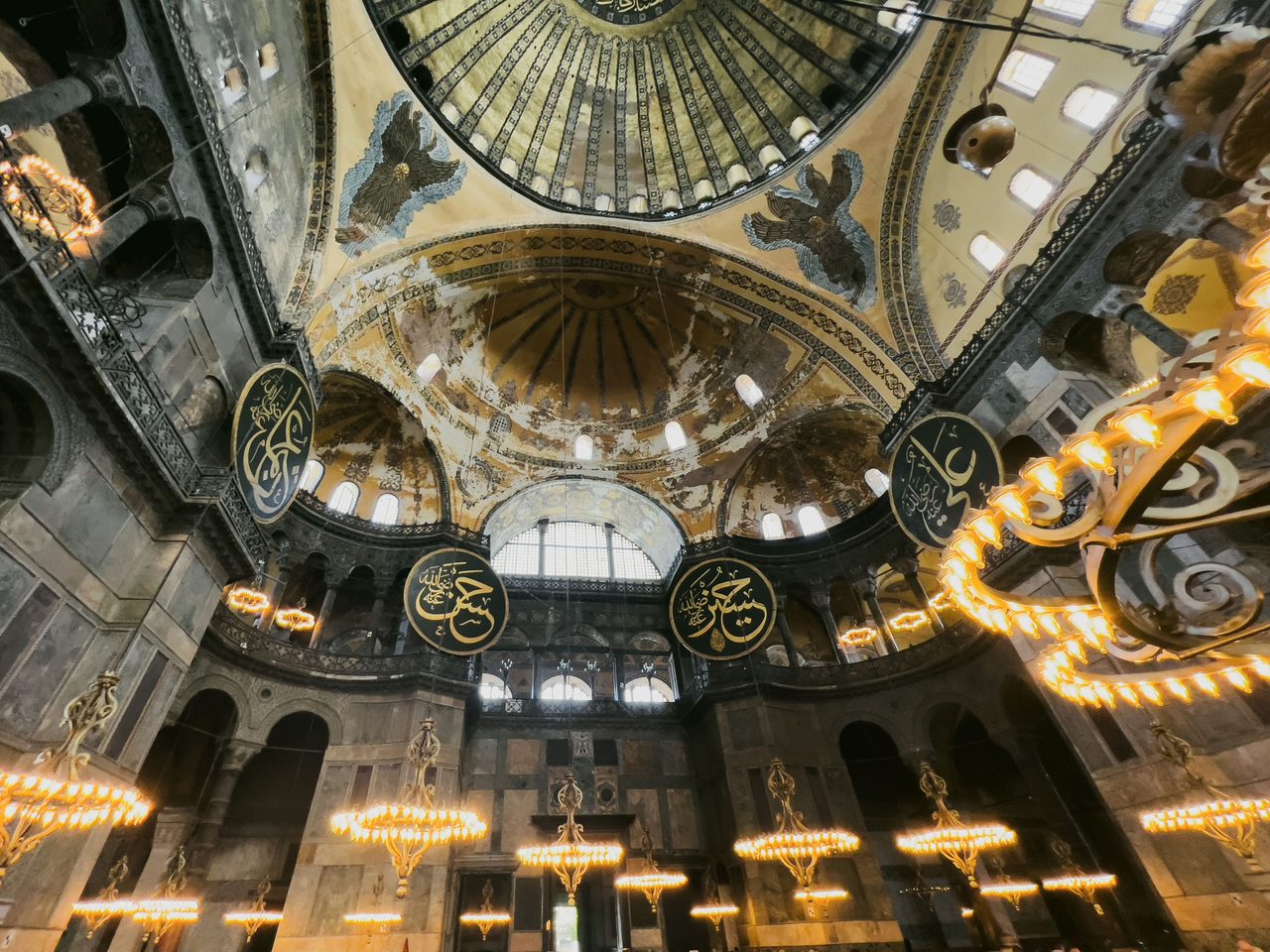
An architectural masterpiece built in 537 AD, serving as a cathedral, mosque, and museum throughout history. Now functioning as a mosque, it showcases stunning Byzantine mosaics, massive dome, and Islamic calligraphy in a breathtaking fusion of cultures.

Blue Mosque (Sultan Ahmed Mosque)

Blue Mosque (Sultan Ahmed Mosque)

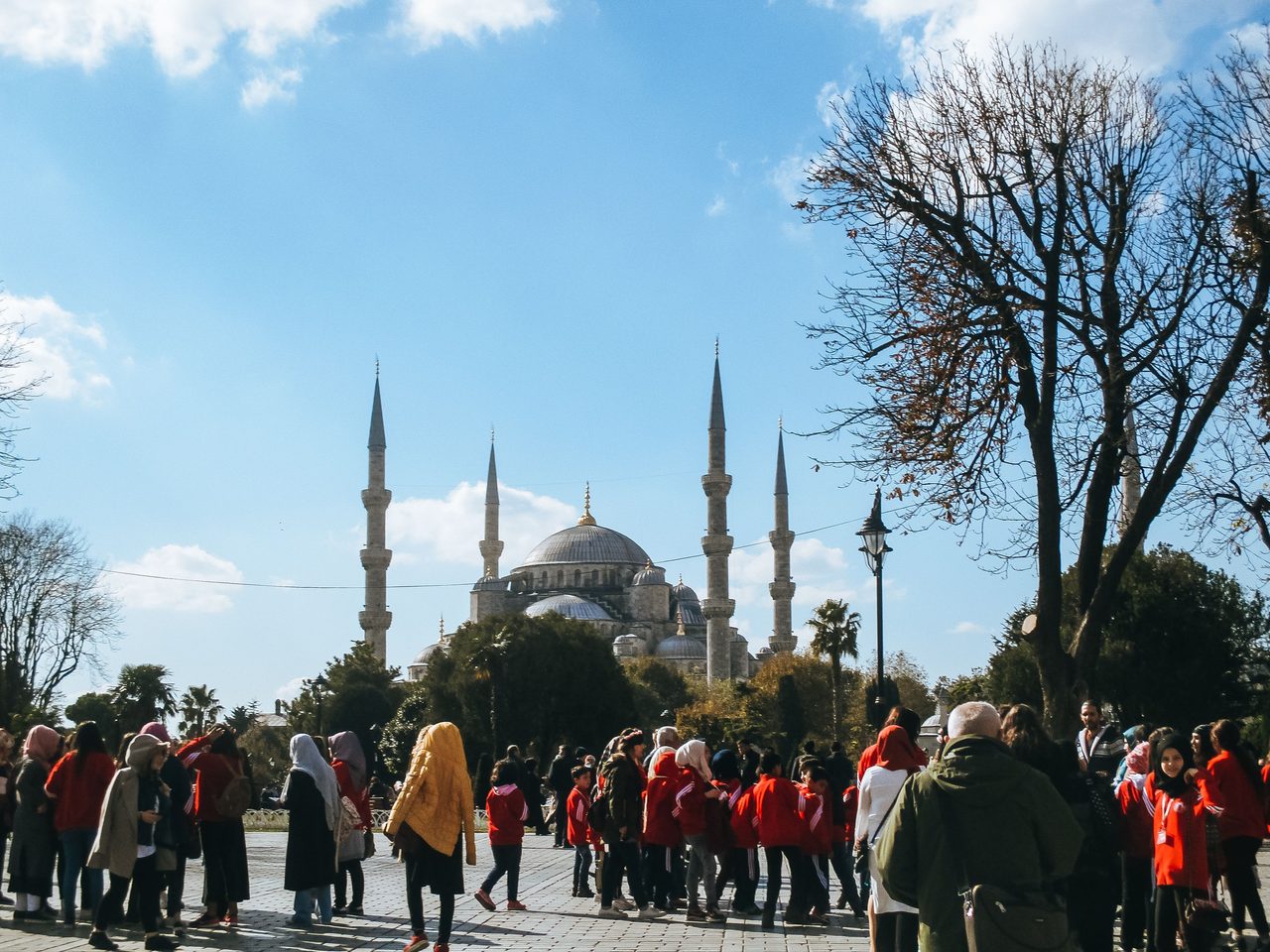
Built in the early 17th century, this active mosque features six minarets and stunning blue Iznik tiles lining its interior walls. One of Istanbul's most iconic landmarks and a masterpiece of Ottoman architecture with cascading domes and elegant proportions.

Topkapi Palace

Topkapi Palace

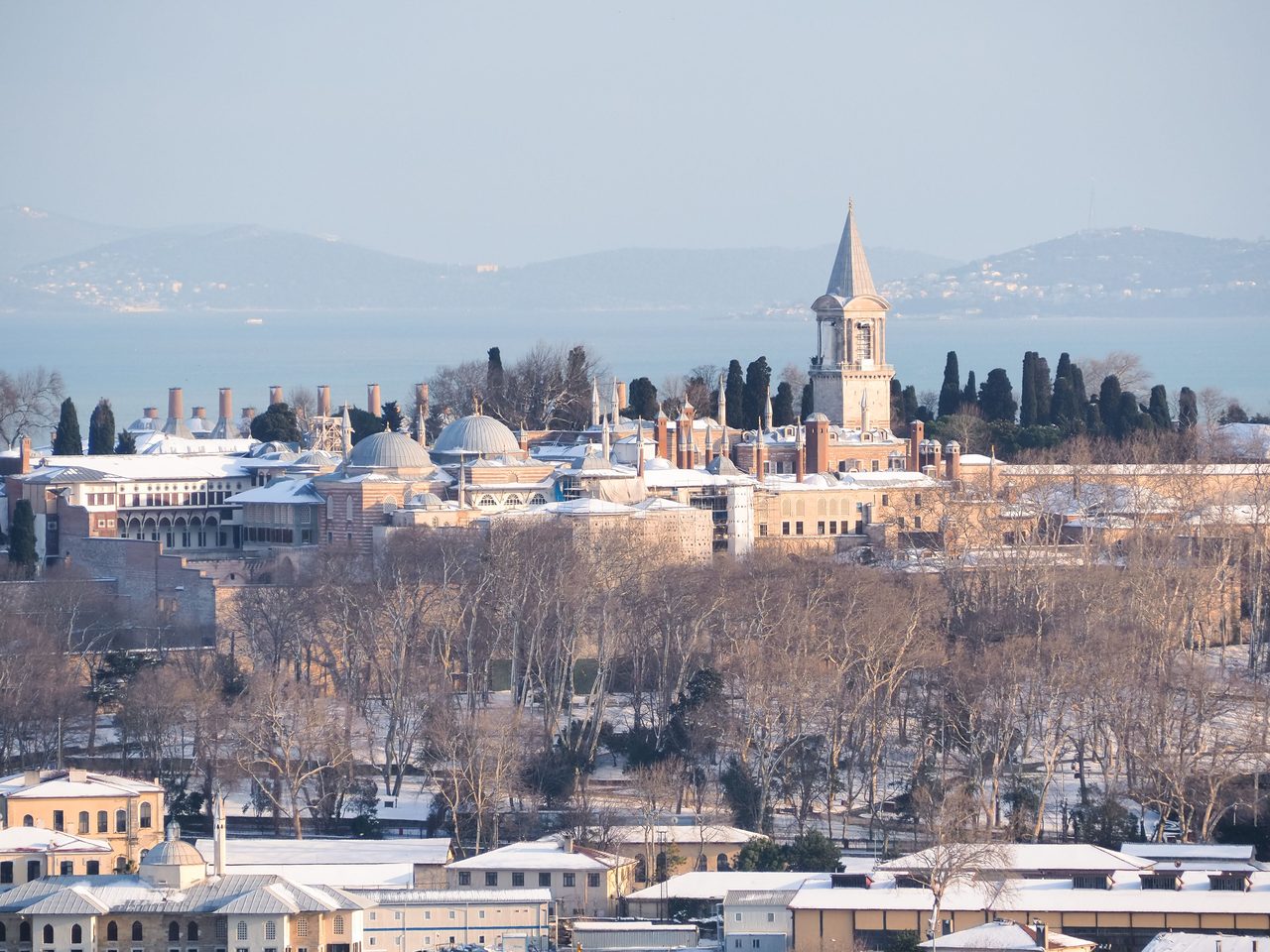
Former residence of Ottoman sultans for 400 years, this sprawling palace complex offers glimpses into royal life with its ornate chambers, sacred relics, imperial treasury, and stunning Bosphorus views. Home to priceless artifacts including the Topkapi Dagger and Spoonmaker's Diamond.

Cappadocia Hot Air Balloon Ride

Cappadocia Hot Air Balloon Ride

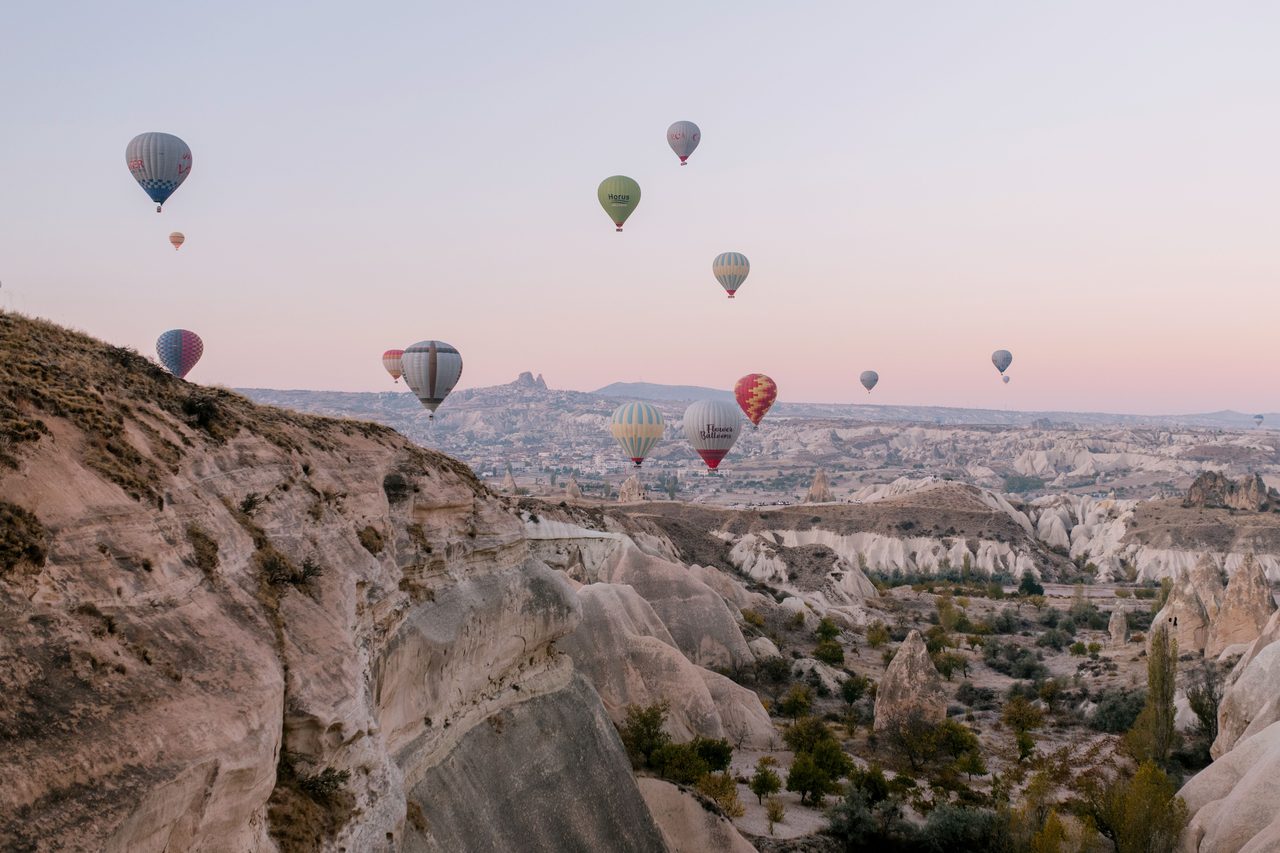
Float over Cappadocia's otherworldly landscape of fairy chimneys, rock formations, and ancient cave dwellings at sunrise. This once-in-a-lifetime experience offers unparalleled aerial views of one of the world's most unique geological wonders, with hundreds of colorful balloons filling the sky.

Ephesus Ancient City

Ephesus Ancient City

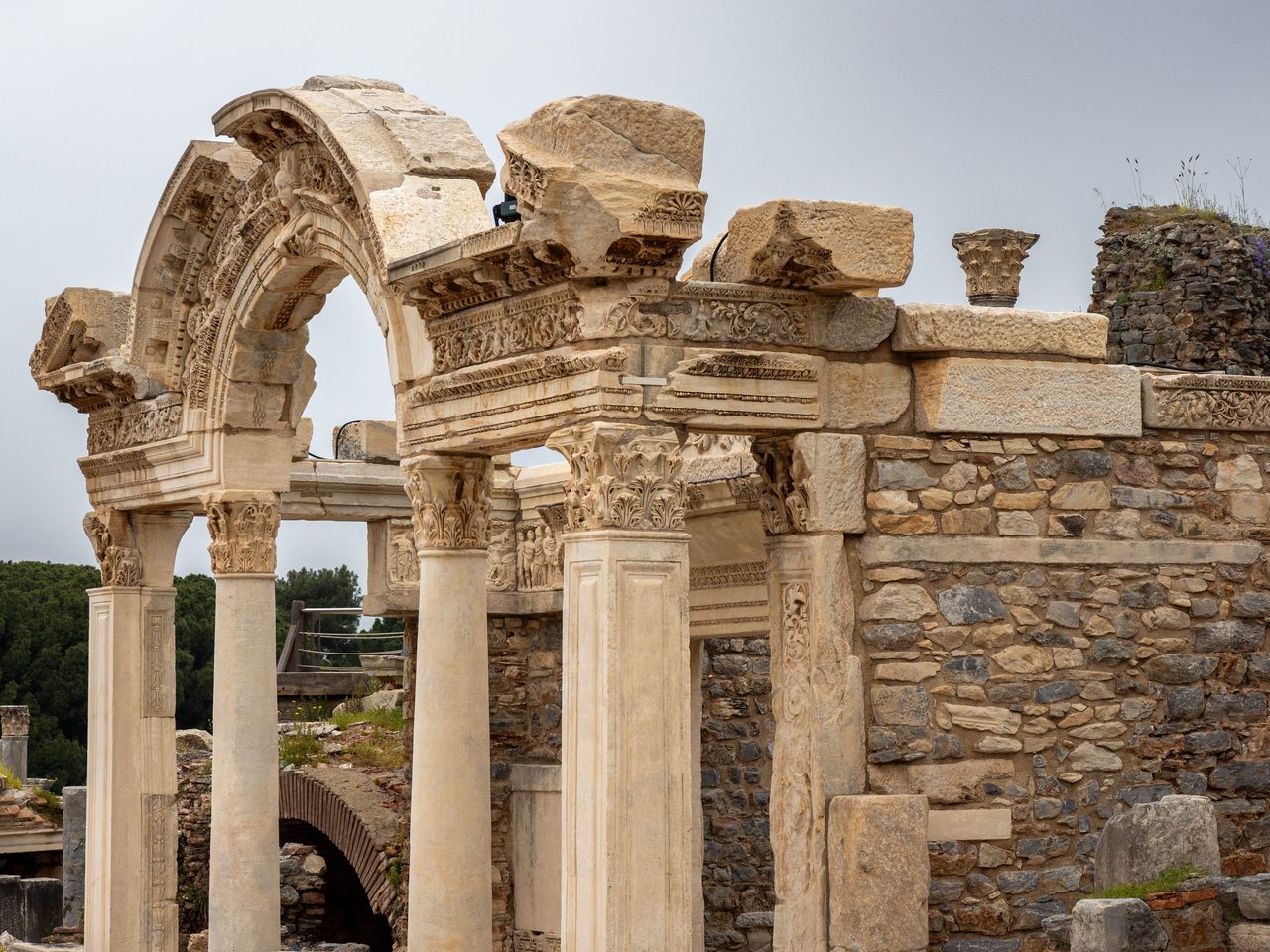
One of the best-preserved classical cities in the Mediterranean, Ephesus features the magnificent Library of Celsus, Grand Theater, Temple of Hadrian, and ancient marble streets. Walk through 2,000 years of history where the Apostle Paul once preached and Cleopatra visited.

Pamukkale Thermal Pools

Pamukkale Thermal Pools

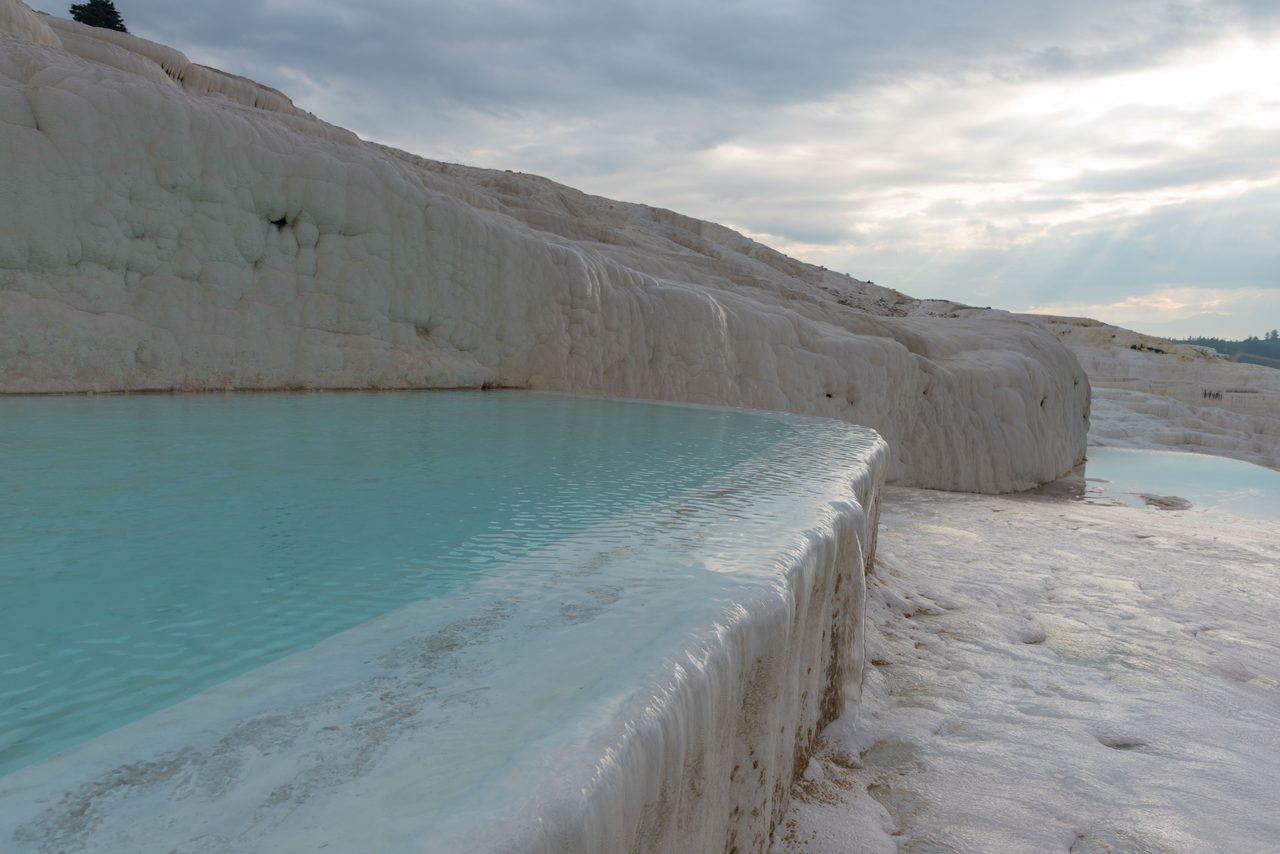
Stunning white travertine terraces formed by calcium-rich thermal waters cascading down the hillside create an otherworldly landscape. Walk barefoot through warm mineral pools and explore the ancient Roman city of Hierapolis at the summit, including a remarkably preserved amphitheater.

Recommended itineraries

Pick a length, follow the route. Each itinerary balances headline sights with breathing room.

5-Day Turkey Explorer

  • Day 1Arrive in Turkey, explore city center
  • Day 2Visit top attractions and museums
  • Day 3Day trip to nearby highlights
  • Day 4Local markets and hidden gems
  • Day 5Final sightseeing, departure

7-Day Classic Turkey

  • Days 1-2Turkey city highlights
  • Days 3-4Regional exploration
  • Days 5-6Cultural immersion and local experiences
  • Day 7Return and departure

14-Day Ultimate Turkey

  • Days 1-3Turkey comprehensive city tour
  • Days 4-6Northern region exploration
  • Days 7-9Eastern highlights
  • Days 10-12Southern attractions
  • Days 13-14Return to Turkey, departure

Where to stay in Turkey

Three tiers, every traveller covered — from cost-conscious to flagship hotels.

Budget $30-50

Hostels, budget hotels, and guesthouses offer affordable stays without sacrificing experience.

Mid-range $80-150

Boutique hotels and well-located accommodations provide comfort and convenience at reasonable prices.

Luxury $300-600+

World-class resorts and premium hotels deliver unforgettable experiences.

Four Seasons Sultanahmet

· $450-800

Elegant Ottoman-era neoclassical prison transformed into Istanbul's most romantic hotel. Rooms feature marble bathrooms, Turkish textiles, and many overlook the Sea of Marmara. Impeccable service, rooftop restaurant, and prime Sultanahmet location steps from major attractions.

Check rates on Booking.com

Sirkeci Mansion

· $80-140

Charming boutique hotel in restored Ottoman mansion near Sirkeci train station. Elegant rooms with period details, rooftop terrace with Golden Horn views, and excellent value. Walking distance to Sultanahmet attractions with personalized service.

Check rates on Booking.com

Agora Guesthouse

· $15-45

Budget-friendly hostel in Sultanahmet with private rooms and dorms. Rooftop terrace with Blue Mosque views, basic but clean rooms, and social atmosphere. Excellent location steps from major attractions at unbeatable prices.

Check rates on Booking.com

Çırağan Palace Kempinski Istanbul

· $500-900

Former Ottoman palace on the Bosphorus offering the ultimate luxury experience. Opulent rooms blend imperial history with modern luxury, infinity pool overlooking the strait, and Michelin-quality dining. Some suites occupy actual palace chambers.

Check rates on Booking.com

Where to eat in Turkey

Cafés, neighbourhood gems, and tasting menus worth the table reservation.

Mikla

Modern Turkish-Scandinavian Fusion · $$$$$

Celebrated rooftop restaurant on 18th floor of Marmara Pera with panoramic Istanbul views. Chef Mehmet Gürs creates innovative dishes blending Anatolian ingredients with Nordic techniques. Michelin-recommended with exceptional wine list.

Ciya Sofrası

Regional Turkish · $$

Legendary Kadıköy restaurant showcasing forgotten Anatolian recipes from across Turkey. Daily-changing menu features rare regional dishes, incredible variety of mezes, and authentic flavors. No reservations - arrive early.

Durumzade

Kebab/Durum · $

Legendary late-night durum (wrap) spot in Beyoğlu serving massive portions. Lines form after midnight for their famous lamb durum with perfect seasoning. Cash only, outdoor seating.

Balık Ekmek Boats Eminönü

Fish Sandwich · $

Iconic bobbing boats selling fresh grilled mackerel sandwiches to crowds on the dock. Istanbul's most famous street food - simple but delicious fish in bread with onions and lettuce. Eat standing at waterfront.

Mandabatmaz

Turkish Coffee · $

Legendary tiny coffee shop in Beyoğlu serving possibly Istanbul's best Turkish coffee since 1967. Rich, thick, perfectly prepared. Only seats about 10 people. Name means 'buffalo wouldn't sink' - referring to coffee's thickness.

Sunset Grill & Bar

International/Japanese Fusion · $$$$$

Sophisticated hilltop restaurant with breathtaking Bosphorus panoramas. Premium sushi bar, grilled meats, and fusion cuisine served in elegant setting. Popular with Istanbul's elite and sunset cocktails on the terrace.

Getting around Turkey

Transportation options in Turkey include local buses, taxis, and rental cars. Check local conditions before planning your travel.

Budget breakdown

Daily spend by tier in USD, broken out by category.

Category Budget Mid-range Luxury
Accommodation $10-20 (hostel dorm or budget pension) $40-80 (mid-range hotel, boutique guesthouse, cave hotel) $150-400+ (five-star hotels, luxury cave hotels, palace hotels)
Food (per day) $10-15 (street food, cheap restaurants, some self-catering) $25-40 (mix of casual restaurants, some mid-range dining, café breaks) $80-150 (fine dining, hotel restaurants, wine with meals)
Transportation $3-5 (public transport, walking) $10-15 (taxis, some tours, intercity buses) $30-50 (private transfers, taxis, some car rental)
Activities $5-10 (free attractions, occasional paid site) $15-30 (entrance fees, occasional tour, hamam) $50-100+ (private tours, hot air balloon, premium experiences)
Daily total $30-50 $80-150 $300-600+

Best time to visit Turkey

Essential travel tips

  • Research visa requirements before your trip
  • Learn a few basic phrases in the local language
  • Carry cash as cards may not be accepted everywhere
  • Respect local customs and dress codes
  • Purchase travel insurance before departure

Hidden gems

Off-the-beaten-path corners most travellers miss.

Safranbolu

UNESCO-listed Ottoman town frozen in time with hundreds of preserved wooden houses, traditional crafts, and saffron-scented Turkish delight. Stay in restored Ottoman mansion hotels, wander cobblestone streets, and experience authentic small-town Turkey without tour buses.

Bozcaada Island

Tiny Aegean island famous for wineries, Greek architecture, pristine beaches, and relaxed bohemian vibe. Cycle between vineyards, swim at secluded coves, and enjoy fresh seafood. Popular with Turkish artists and intellectuals, unknown to most foreign visitors.

Sinop

Black Sea peninsula town with laid-back atmosphere, historic fortress, lovely harbor, and authentic Turkish life. Beautiful wooden architecture, fresh Black Sea fish, and proximity to pristine beaches. Turkey's northernmost point, feels like different country.

Hatay (Antakya)

Ancient Antioch on Syrian border with incredible mosaic museum, Arabic-influenced cuisine (best food in Turkey), Orthodox churches, and multicultural heritage. Walk streets where St. Peter preached, taste unique Hatay dishes, explore cave church. Culturally distinct from rest of Turkey.

Çıralı Beach

Protected beach with Olympos ruins in forest and eternal flames of Chimaera burning on mountainside. No large hotels, eco-lodges and treehouses only. Nesting beach for loggerhead turtles. Hippie-friendly, peaceful alternative to package resort beaches.

Asos (Behramkale)

Ancient ruins and charming stone village on Aegean coast with stunning Temple of Athena overlooking the sea

Mardin

Mesopotamian stone city cascading down hillside overlooking Syrian plains

Kaçkar Mountains

Alpine paradise in northeastern Turkey with dramatic peaks, glacial lakes, wildflower meadows, and traditional Hemşin villages

Safety information

INFO

Avoid demonstrations and large gatherings — they can escalate quickly and police presence is heavy

INFO

Stay alert in crowded tourist areas like Grand Bazaar; pickpockets target distracted visitors

INFO

Keep copies of your passport and travel documents stored separately from originals

INFO

Register with your embassy upon arrival or before departure for emergency assistance

INFO

Avoid border regions with Syria and Iraq — security situation remains volatile

INFO

Be cautious discussing politics, especially Kurdish issues, government, or military

INFO

Use only official licensed taxis or rideshare apps (BiTaksi, Uber) to avoid overcharging

INFO

Watch out for carpet shop scams where new friends steer tourists to shops paying commission

INFO

Women should carry a headscarf when visiting mosques — shoulders and knees must be covered for all visitors

INFO

Purchase travel insurance covering medical evacuation — healthcare is good but expensive for foreigners

INFO

Drink only bottled water and be cautious with street food hygiene especially in summer heat

INFO

Use ATMs or official exchange offices (doviz) for currency — avoid street touts offering unofficial rates

Frequently asked questions

Is Turkey safe to visit in 2026?

Turkey is generally safe for tourists in major cities and coastal areas, with Istanbul, Cappadocia, Antalya, and the Aegean coast well-established destinations with low crime against tourists. Exercise heightened caution near the Syrian and Iraqi borders and avoid all border regions in the southeast. Political demonstrations can occur in major cities and should be avoided. Emergency services: police at 155, medical at 112.

What is the best time to visit Turkey?

The best time to visit Turkey is April-May, September-October. Turkey has dramatically varied climate zones due to its size and geography. The Aegean and Mediterranean coasts enjoy classic Mediterranean climate — hot dry summers (35°C+) and mild wet winters. Ista

Do I need a visa to visit Turkey?

No visa required for stays up to 90 days within 180 days. Passport must be valid for 6 months from entry date. Requirements vary by nationality, so check with your nearest embassy or the official immigration website before traveling.

What currency is used in Turkey?

The currency in Turkey is the Turkish Lira (TRY) (TRY). ATMs are widely available in cities and tourist areas. Credit cards are accepted at most hotels and restaurants, but carry cash for markets and smaller establishments.

What language is spoken in Turkey?

The main language(s) spoken in Turkey: Turkish, Kurdish, English (widely spoken in tourist areas). In tourist areas, English is generally understood. Learning a few basic phrases in the local language is appreciated by locals.

What are the top attractions in Turkey?

The top attractions in Turkey include Hagia Sophia, Blue Mosque (Sultan Ahmed Mosque), Topkapi Palace, Cappadocia Hot Air Balloon Ride, and Ephesus Ancient City. Each offers a unique experience, from historic landmarks to natural wonders.

Explore Turkey by region

Each region has its own character — coastal, alpine, vineyard, capital. Pick a starting point.

Adana

Adana is a major province and city in southern Turkey, set on the fertile Çukurova plain where the Seyhan River flows toward the Mediterranean. As Turkey's fifth-largest city, it pairs ancient Cilician history with a famously fiery food culture, anchored by the six-minaret Sabancı Merkez Camii, the Roman Taşköprü bridge, and the world-renowned spicy Adana kebab. Beyond the city, the province spreads across Roman ruins, Hittite carvings, mountain viaducts, and the reservoir lakes of the Seyhan and Çatalan dams.

Adıyaman

Adıyaman is a province in Southeastern Anatolia, Turkey, set in the upper Euphrates basin between the Taurus foothills and the Mesopotamian plains. It is best known as the gateway to Mount Nemrut (Nemrut Dağı), the UNESCO-listed mountaintop sanctuary where colossal stone heads guard the 1st-century-BC tomb of King Antiochus I of Commagene. The province also holds Roman bridges, royal tumuli, and rock-cut ancient cities, alongside a distinctive cuisine that includes the local çiğ köfte and Adıyaman tava.

Afyonkarahisar

Afyonkarahisar is a province and city in western-central Turkey, on the inner Aegean plateau at around 1,020 m elevation. Known as Turkey's thermal-spa capital, it is famous for the mineral-rich hot springs of Gazlıgöl, Ömer-Gecek, and Sandıklı, a dramatic castle rising on a volcanic rock above the city, and a celebrated food culture of kaymak clotted cream, Turkish delight, and Afyon sucuk sausage. The region also guards the rock-cut monuments of the Phrygian Valley and key heritage of Turkey's 1922 War of Independence.

Aksaray

Aksaray is a province in Central Anatolia (İç Anadolu), Turkey, on the southwestern edge of the Cappadocia region. It is best known for the Ihlara Valley, a 14-kilometre canyon lined with Byzantine rock-cut churches and frescoes, the towering Selime Monastery, and the Sultanhanı Caravanserai, the largest Seljuk han in Turkey. With the volcanic cone of Hasan Mountain on the horizon, the salt expanse of Lake Tuz to the north, and Göreme roughly an hour east, Aksaray serves as an uncrowded gateway to Cappadocia.

Amasya

Amasya is a historic city and province in north-central Turkey, set in a dramatic gorge on the Yeşilırmak river beneath the rocky heights of Mount Harşena. Known as the Şehzadeler Şehri, or City of Princes, where Ottoman heirs trained as provincial governors, Amasya is famous for its Pontic royal rock tombs carved into the cliffs, its riverside Ottoman timber mansions, and its sweet apples. The birthplace of the ancient geographer Strabo, it blends Hellenistic, Roman, Seljuk, and Ottoman heritage in one of Turkey's most scenic provincial towns.

Ankara

Ankara is the capital of Turkey and the country's second-largest city, home to around 5.8 million people in the metropolitan area. Founded as the Republic's capital in 1923 by Mustafa Kemal Atatürk, Ankara replaced Istanbul as the seat of government and grew rapidly throughout the 20th century. The city blends its ancient Hittite and Roman heritage with modernist Republican architecture and a vibrant contemporary urban scene. Anıtkabir — Atatürk's mausoleum — is the defining landmark, while the Museum of Anatolian Civilizations ranks among the world's finest archaeological collections. Ankara sits on the central Anatolian plateau at roughly 850 metres above sea level, giving it a continental climate with hot dry summers and cold snowy winters.

Antalya

Antalya is Turkey's premier Mediterranean resort province, stretching along the stunning Turquoise Coast and offering a captivating blend of ancient ruins, dramatic waterfalls, and pristine beaches. The region is home to some of the best-preserved Roman ruins in the world alongside luxurious all-inclusive resorts and a vibrant old town.

Ardahan

Ardahan is a remote highland province in northeastern Turkey, sitting at an elevation of around 1,829 metres above sea level. Bordered by Georgia to the north and Armenia to the east, it is one of Turkey's coldest and least-visited provinces — a destination for travelers who seek raw wilderness, authentic village culture, and medieval history without the crowds. The province is centred on the Kura River valley, and its defining feature is the vast Çıldır Lake, which freezes solid in winter and transforms into a surreal snowscape where horse-drawn sleighs glide across the ice. Ardahan city itself is a modest market town, but the surrounding highlands, castle ruins, and Georgian-era stone churches make it a compelling base for adventure.

Artvin

Artvin is a rugged mountain province in northeastern Turkey, bordered by Georgia to the east and the Black Sea coast to the north. The province shelters a remarkable concentration of medieval Georgian Orthodox churches and monasteries hidden in forested valleys, alongside the Çoruh River — one of the world's fastest-flowing rivers and a world-class whitewater rafting destination. Dense chestnut and pine forests cloak the slopes of the Kaçkar and Karçal mountain ranges, while high plateaus offer cool summer escapes and pastoral landscapes that have changed little in centuries.

Aydın

Aydın is a province and city in Turkey's Aegean region, nestled in the fertile Büyük Menderes (Meander) River valley. The city of Aydın — sometimes called the 'fig capital of the world' — sits amid orchards producing the globally prized Söke and Çakıllı dried figs, alongside olives and cotton. The province is an extraordinary concentration of ancient Greek and Roman cities: Aphrodisias (a UNESCO World Heritage Site), Priene, Miletus, Didyma, Magnesia on the Meander, Alabanda, Nysa, and the ancient ruins of Tralleis within the modern city itself. The Aegean coast fringes the western edge of the province, with Kuşadası offering beach resort life and ferry access to Samos, and Didim housing the monumental Temple of Apollo at Didyma. Lake Bafa National Park provides a serene wetland escape, while the Büyük Menderes valley offers fertile agricultural landscapes. Aydın city itself is a relaxed Aegean provincial capital with a lively bazaar, Ottoman mosques, and a warm Mediterranean character.

Ağrı

Ağrı is an eastern Anatolian province dominated by the iconic silhouette of Mount Ararat (Ağrı Dağı), Turkey's highest peak at 5,137 m and the legendary resting place of Noah's Ark. The district town of Doğubayazıt serves as the main tourism hub, home to the breathtaking İshak Paşa Sarayı palace, while the province spreads across high plateau, Urartian ruins, volcanic landscapes, and a rugged frontier with Iran and Armenia.

Balıkesir

Balıkesir is a diverse northwestern Turkish province straddling the Marmara and Aegean regions, encompassing mythological Kaz Dağları (Mount Ida), olive-grove-lined coastal towns, thermal springs, and ferry connections to Istanbul. The province blends rural Anatolian culture with Aegean coastal charm.

Bartın

Bartın is a small Black Sea province in northwestern Turkey, known for its Ottoman wooden architecture, the historic coastal town of Amasra with its Genoese castle, the Bartın River winding through forests, and the long sandy stretch of İnkumu Beach. A compact and largely overlooked destination, Bartın rewards travellers seeking authentic Turkish provincial life, unspoiled Black Sea scenery, and traditional wood-carving crafts.

Batman

Batman is a provincial capital in southeastern Turkey, situated along the Batman River near the ancient city of Hasankeyf and the vast Dicle (Tigris) River valley. Known for its oil industry heritage and proximity to extraordinary archaeological sites spanning 12,000 years of continuous human settlement, Batman offers travelers an authentic off-the-beaten-path experience of Mesopotamian history and Kurdish culture.

Bayburt

Bayburt is a small, authentic province in northeastern Turkey nestled in the Çoruh River valley, framed by the Eastern Pontic Mountains. Known for its imposing medieval castle, pristine highland plateaus (yaylas), wild river gorges, and some of Turkey's finest honey, Bayburt offers an unhurried window into traditional Anatolian life far from the tourist mainstream.

Bilecik

Bilecik is a small provincial city in northwest Turkey and the birthplace of the Ottoman Empire. Nestled among forested hills and deep river valleys in the Marmara region, it holds extraordinary historical significance — it was here that Osman I established the Ottoman state in 1299, and nearby Söğüt district is home to the tomb of his father Ertuğrul Gazi. The city blends Ottoman heritage with natural landscapes of canyons, waterfalls, and highland plateaus.

Bingöl

Bingöl is a small provincial city in eastern Turkey, nestled among the rugged Taurus mountains at approximately 1,100 metres elevation. Known for its pristine river valleys, ancient fortress ruins, world-renowned mountain honey, and the dramatic Göynük Canyon, Bingöl offers authentic eastern Anatolian culture well off the standard tourist trail.

Bitlis

Bitlis is an ancient mountain city in eastern Turkey, perched at 1,550 metres elevation in a dramatic valley carved by the Bitlis Stream. One of the oldest continuously inhabited settlements in Anatolia, it commands history layered from Urartian times through Armenian, Arab, Seljuk, Kurdish emirate, Ottoman, and modern eras. The city is flanked by rugged peaks exceeding 3,000 metres and sits roughly 75 km west of Lake Van, offering visitors a blend of medieval fortresses, honey-scented bazaars, Seljuk-era stone mosques, and raw highland landscapes largely undiscovered by mass tourism.

Bolu

Bolu is a mid-sized city in the forested mountains of northwestern Turkey, positioned on the historic Istanbul–Ankara corridor. Surrounded by dense forests, mountain lakes, and the Köroğlu range, it is nationally celebrated as Turkey's culinary heartland — chefs from the nearby Mengen district staffed Ottoman palace kitchens for centuries. Today visitors come for Yedigöller National Park, Abant Lake, Kartalkaya ski resort, and the well-preserved Ottoman towns of Mudurnu and Göynük.

Burdur

Burdur is a province in the Lake District of southwestern Turkey, home to the turquoise Salda Lake (nicknamed the 'Turkish Maldives'), the sprawling ancient Greco-Roman city of Sagalassos, and the soda-rich Lake Burdur teeming with flamingos. Flanked by the Taurus Mountains, the province offers a compelling mix of natural spectacle and deep archaeology in an unhurried setting.

Bursa

Bursa is Turkey's fourth-largest city and the first capital of the Ottoman Empire, nestled at the foot of Uludağ mountain on the southern shore of the Sea of Marmara. Known as 'Yeşil Bursa' (Green Bursa) for its abundant parks and forests, the city blends extraordinary Ottoman heritage with modern industry, thermal spas, alpine skiing, and the birthplace of İskender kebap.

Denizli

Denizli is a dynamic city in southwestern Turkey, world-famous as the gateway to Pamukkale — the extraordinary terraced white travertines and thermal pools that cascade down a hillside and are inscribed on the UNESCO World Heritage List alongside Hierapolis, the ancient Greco-Roman city that crowns the plateau above. Beyond the travertines, Denizli province shelters Laodikeia (one of the Seven Churches of Revelation), Tripolis ancient city, the underground Kaklik Cave, hot red springs at Karahayıt, and the rugged Honaz Mountain National Park. The city itself is a prosperous textile and manufacturing hub, offering modern amenities, excellent lokanta dining, and affordable accommodation.

Diyarbakır

Diyarbakır is southeastern Turkey's cultural capital, anchored by some 6 km of UNESCO-listed black basalt city walls—among the longest and best-preserved in the world. Perched above the Tigris River, the ancient walled city (Sur) shelters mosques, Armenian churches, Kurdish cultural centres and bustling bazaars that have thrived here for more than 7,000 years. The city is famous throughout Turkey for its colossal watermelons, its layered Anatolian-Kurdish cuisine and the plaintive vocal tradition of dengbêj storytellers.

Düzce

Düzce is a verdant province in northwestern Turkey's western Black Sea region, famed for its hazelnut orchards, rushing rivers, alpine forests, and the vast Efteni Lake wetland. Sandwiched between Istanbul and Ankara along the Trans-European Motorway (D-100), it offers whitewater rafting on the Melen River, mountain trekking toward Bolu's Yedigöller plateaus, and the culinary heritage of a region recognized as one of Turkey's great gastronomic belts.

Edirne

Edirne is a historic city in northwestern Turkey, situated at the confluence of the Tunca and Meriç rivers near the borders with Greece and Bulgaria. Once the Ottoman capital known as Adrianople, Edirne served as the empire's most important city from 1369 to 1453 before Mehmed II conquered Constantinople. Today the city is celebrated for the UNESCO-listed Selimiye Mosque — architect Mimar Sinan's acknowledged masterpiece — alongside a remarkable cluster of Ottoman mosques, bazaars, and palace ruins. Edirne hosts the Kırkpınar Oil Wrestling Festival, one of the world's oldest sporting events, held annually for over 660 years at the riverside Sarayiçi grounds.

Elazığ

Elazığ is a provincial capital in Eastern Anatolia, Turkey, situated at around 1,000 metres above sea level in the upper Euphrates valley. Home to roughly 400,000 people in the city proper, Elazığ is best known for the ancient hilltop settlement of Harput — a ruined citadel with a 3,000-year history — and the magnificent Hazar Lake to its south, one of Turkey's most scenic natural bodies of water. The region produces some of Turkey's finest red wines from the indigenous Boğazkere and Öküzgözü grapes, and its lamb-centric cuisine reflects deep Eastern Anatolian traditions. Nearby Keban Dam Lake created one of the country's largest reservoirs, and the flooded valleys now harbour picturesque island castles like Pertek.

Erzincan

Erzincan is a provincial capital in eastern Turkey set at 1,185 metres in a broad valley carved by the Fırat (Euphrates) River. The province stretches from the volcanic peaks of the Mercan Mountains in the west to the high plateaux bordering Erzurum in the east. Erzincan is renowned throughout Turkey for two things: its exquisite telkari silver filigree jewellery tradition and its Tulum peyniri — a crumbly, pungent cheese matured in a goatskin pouch. The surrounding landscape rewards visitors with deep river gorges, thermal springs, Urartu-era ruins, and one of eastern Turkey's best ski resorts at Ergan Mountain.

Erzurum

Erzurum is a historic city at 1,890 metres elevation in northeastern Turkey, commanding the high plateau where ancient Silk Road caravans once crossed. The city holds one of Turkey's finest concentrations of Seljuk and Mongol architecture — the Çifte Minareli Medrese, Yakutiye Medresesi and Üç Kümbetler tombs stand beside an Ottoman castle with sweeping panoramas. Fifteen kilometres from the centre, Palandöken mountain hosts one of the Middle East's premier ski resorts. Erzurum is the birthplace of cağ kebabı, the horizontally-spit-roasted lamb unique to the region, and the origin of oltu taşı jet-stone jewellery.

Eskişehir

Eskişehir is a vibrant university city in western Anatolia, known as Turkey's "student capital" and the birthplace of meerschaum carving. The Porsuk River winds through the city centre past Venetian-style canals, gondola rides, and colourful bridges. The historic Odunpazarı district preserves beautifully restored Ottoman timber houses and is on Turkey's tentative UNESCO World Heritage list. Eskişehir hosts two major universities — Anadolu University and Eskişehir Technical University — whose combined enrolment of over 100,000 students gives the city a youthful, progressive energy unusual for inner Anatolia.

Gaziantep

Gaziantep, in southeastern Turkey near the Syrian border, is one of Turkey's oldest continuously inhabited cities and its undisputed culinary capital. Famous worldwide for its baklava, pistachios, and complex spiced dishes, the city pairs 2,000 years of history with a thriving modern food culture. The Zeugma Mosaic Museum — one of the world's great mosaic collections — anchors a city packed with Ottoman bazaars, ancient hilltop citadels, and a copper-craft tradition that dates back centuries.

Giresun

Giresun is a Black Sea coastal city in northeastern Turkey, famous as the legendary homeland of the Amazons and the origin of the hazelnut known to the world as 'giresun fındığı'. Perched on a hillside above the sea, the city blends Byzantine and Ottoman history with lush green mountains and a thriving hazelnut-farming culture. The ancient Giresun Island — the only island on the entire Turkish Black Sea coast — lies just offshore and shelters the ruins of a Byzantine monastery.

Gümüşhane

Gümüşhane is a small city and provincial capital in northeastern Turkey, nestled in the Pontic Mountains at an elevation of about 1,200 metres. The name means 'silver house' in Turkish, a nod to the region's rich history of silver and copper mining that attracted Ottoman attention for centuries. The city lies along the Harşit River valley, surrounded by forested peaks that reach over 3,000 metres. Despite its modest size — the city proper numbers roughly 31,000 people — Gümüşhane Province holds extraordinary historical depth, from the Roman legionary fortress of Satala to medieval Georgian churches and Ottoman mosques. Winters are cold and snowy, making the Zigana Pass a regional ski destination, while summers offer cool mountain air ideal for trekking and rafting.

Hakkâri

Hakkâri is a remote, breathtakingly scenic province in southeastern Turkey, bordering Iraq and Iran. Rising to altitudes above 4,000 metres in the Cilo-Sat mountain range, it offers pristine alpine lakes, dramatic river gorges, ancient fortresses, and a rich Kurdish cultural heritage largely untouched by mass tourism.

Hatay

Hatay is Turkey's southernmost province, a slender finger of land bordering Syria and the Mediterranean Sea. Its capital, Antakya—the ancient Antioch on the Orontes—was one of the great cities of the Roman and early Christian world. Hatay's layered history, distinctive Arab-influenced cuisine, and multicultural society (Turkish, Arabic, Alevi, Armenian, and Greek Orthodox communities have coexisted here for centuries) make it unlike anywhere else in Turkey. Note: a magnitude-7.8 earthquake on 6 February 2023 severely damaged Antakya; many historic structures collapsed and rebuilding is ongoing. Travellers will find a city in resilient reconstruction rather than a fully restored old town.

Isparta

Isparta is Turkey's rose capital, nestled in the scenic Lakes Region of southwestern Anatolia. Famous worldwide for producing the finest rose oil used in luxury perfumes, this tranquil province enchants visitors with its fragrant rose fields, vast freshwater lakes, ancient ruins, and year-round outdoor adventures including skiing on Davraz Mountain.

Istanbul

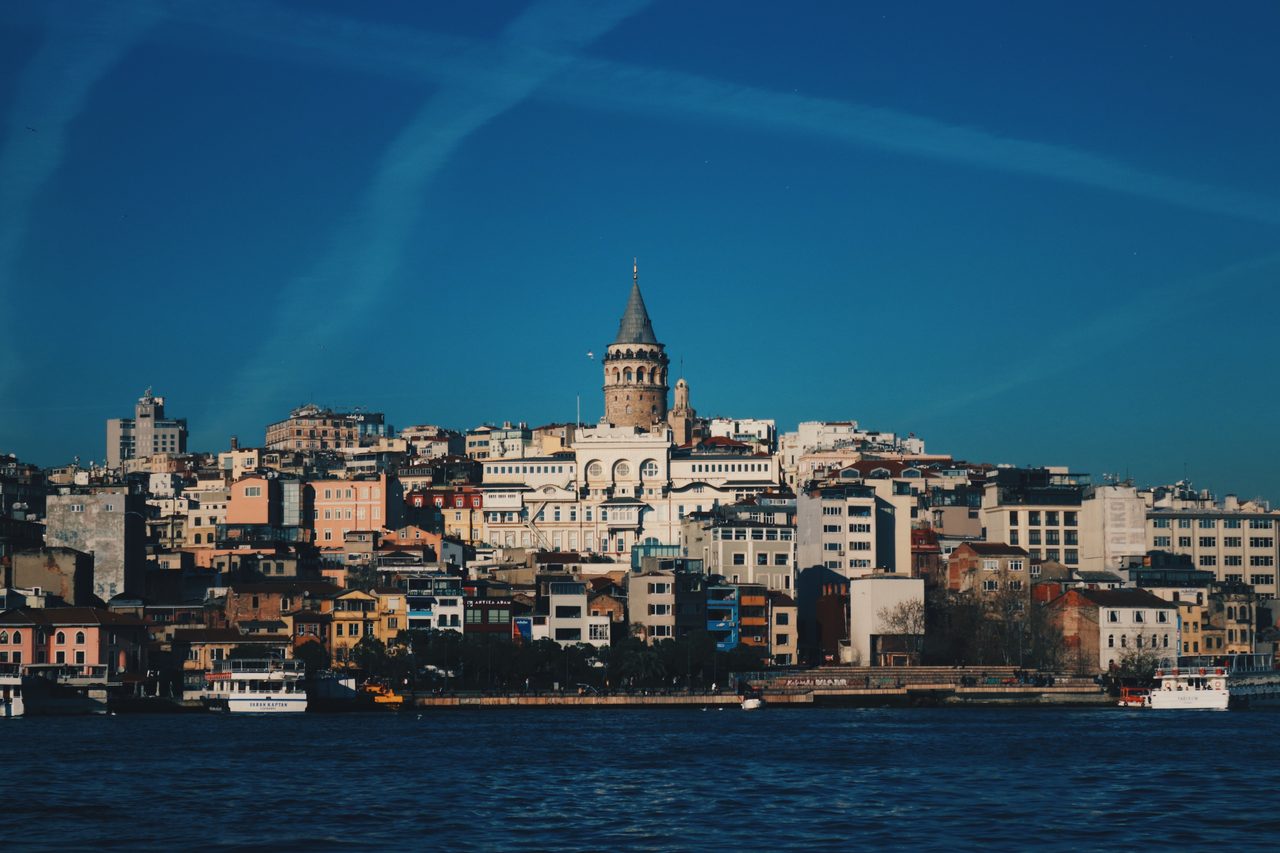
Istanbul is Turkey's largest city and cultural capital, straddling two continents across the Bosphorus Strait. Once the capital of the Byzantine and Ottoman Empires, it's a city of stunning mosques, grand bazaars, and vibrant neighborhoods blending East and West.

Iğdır

Iğdır is a small province in far-eastern Turkey, cradled in the broad Ararat Plain at Turkey's lowest elevation east of the Euphrates. The province sits at a dramatic convergence of Armenian, Kurdish, Azerbaijani, and Turkish cultures, with the snow-capped twin peaks of Mount Ararat (Ağrı Dağı) dominating the skyline and providing one of the most recognisable silhouettes in the world.

İzmir

İzmir is Turkey's third-largest city, a cosmopolitan Aegean port that blends ancient Greek ruins, Ottoman bazaars, and a modern waterfront promenade. Known for its liberal culture, vibrant café scene, and easy access to Ephesus, Çeşme, and Pamukkale, it serves both history seekers and beach lovers.

Kahramanmaraş

Kahramanmaraş is a city of roughly 550,000 people in southeastern Turkey, perched between the Taurus Mountains and the upper Euphrates plain. Famous throughout Turkey and the world for its uniquely stretchy dondurma (ice cream) and fiery Maraş pepper, the city pairs a proud culinary identity with a rich layered history — Hittite, Roman, Byzantine, Dulkadirli, and Ottoman — visible in its hilltop castle and archaeology museum. The city was at the epicentre of the devastating February 2023 earthquakes and has undergone significant reconstruction; visitors today witness both historic resilience and ambitious rebuilding alongside remaining ancient monuments.

Karabük

Karabük is a small industrial city in northwestern Turkey's Western Black Sea region, best known as the gateway to Safranbolu — a UNESCO World Heritage Site of 17th-century Ottoman merchant houses, ancient hans, and cobblestone lanes. Beyond Safranbolu, the province rewards visitors with deep river canyons, ancient Phrygian-era ruins at Eskipazar, dense Black Sea forests, and the dramatic Tokatlı Canyon.

Karaman

Karaman is a historic city and province in south-central Turkey, celebrated as the birthplace of written Turkish and the seat of the powerful Karamanoğulları dynasty that ruled much of Anatolia from the 13th to the 15th century. Ringed by the Taurus Mountains to the south and the volcanic Karadağ plateau to the north, the province combines medieval fortresses, Byzantine rock-cut monasteries, and Seljuk caravanserais with sweeping steppe landscapes, cherry orchards, and sugar-beet fields that define the Anatolian interior.

Kars

Kars blends tsarist Russian architecture with Caucasian highland culture and millennia of Armenian, Byzantine, and Ottoman history. The highlight for most visitors is the Ani Ruins — a haunting city of stone churches, mosques, and palaces stranded on a plateau above the Arpaçay River gorge. Back in Kars city, the castle above the Kars River gives sweeping views, the Kümbet Mosque (a 10th-century Armenian church) stands near the town centre, and the evening food scene rewards anyone who seeks out kaz (goose) stew and aged gravyer cheese. The city is small enough to walk across in 20 minutes yet rich enough to fill three days.

Kastamonu

Kastamonu is a historic city in Turkey's Western Black Sea region, sitting at roughly 800 metres above sea level in a valley carved by the Gökırmak and Kastamonu streams. Famous for its remarkably well-preserved Ottoman timber architecture, its imposing Byzantine-Ottoman castle, and a culinary tradition built around garlic, chickpea dishes, and cured meats, the city rewards visitors who venture beyond Turkey's coastal and Cappadocian tourist circuits. The surrounding province encompasses Ilgaz Mountain National Park — a winter ski destination — and the dramatic gorges of Küre Mountains National Park, offering some of the finest trekking in northern Anatolia.

Kayseri

Kayseri is a major city in Central Anatolia renowned throughout Turkey for its exceptional cuisine — particularly pastırma (cured beef), sucuk (spiced sausage), and the city's famous mantı dumplings. Dominated by the snow-capped cone of Mount Erciyes (3,917 m), one of Turkey's best ski resorts, Kayseri blends Seljuk and Ottoman architectural heritage with a dynamic modern economy. The city served as the ancient capital of Cappadocia under the name Caesarea and preserves a wealth of medieval monuments including the Kayseri Citadel, the Hunat Hatun Complex, and the Döner Kümbet mausoleum.

Kilis

Kilis is a small historic city in southeastern Turkey, situated just kilometres from the Syrian border and nestled among ancient olive groves. Long an important junction between Anatolia and the Levant, Kilis retains a distinctive Arab-influenced culture expressed in its unique cuisine, centuries-old bazaars, Ottoman mosques, and the olive oil traditions that have shaped life here for millennia. Visitors come for the unforgettable local gastronomy — especially kilis tarhana, şıllık flatbread, and kiraz kebabı — and for the rare experience of a historic Anatolian border city largely untouched by mass tourism.

Kocaeli

Kocaeli is a dynamic industrial province in northwestern Turkey, straddling the eastern shore of the Marmara Sea and the Gulf of İzmit. Known historically as Nicomedia, it served as capital of the Eastern Roman Empire. Today it balances heavy industry with natural beauty—dense beech forests in Kartepe, pristine Black Sea coves, and a rich layered history from Byzantine to Ottoman eras. Visitors find a city largely bypassed by mass tourism yet rich in genuine Turkish urban life, affordable food, and easy access to Istanbul.

Konya

Konya is one of Turkey's oldest continuously inhabited cities, lying at the heart of the Anatolian plateau at 1,016 m elevation. It served as the capital of the Seljuk Sultanate of Rum (1077–1307) and is revered worldwide as the birthplace and final resting place of the 13th-century Sufi mystic and poet Mevlana Jalal ad-Din Rumi. The Mevlana Museum — one of Turkey's most-visited sites — draws pilgrims and curious travellers alike to its turquoise-tiled dome. Beyond spiritual tourism, Konya offers an extraordinary concentration of Seljuk monuments, a lively bazaar district, and a regional cuisine famous for etli ekmek (elongated meat-topped flatbread) and firin sut (baked milk dessert). As a conservative, predominantly religious city, Konya offers a glimpse of traditional Anatolian life rarely found in Turkey's coastal resorts.

Kütahya

Kütahya is a historic city in western Turkey famed worldwide for its exquisite ceramic and tile-making tradition that dates back to the 15th century. Perched on a plateau at roughly 960 m elevation, the city combines well-preserved Ottoman architecture, a dramatic hilltop castle, and a lively bazaar district with a quieter, authentically Turkish atmosphere that larger tourist centers have long since lost.

Kırklareli

Kırklareli is a province and city in the heart of Turkish Thrace, sharing a long border with Bulgaria in the northwest and hugging the Black Sea coast in the north. The provincial capital — a quiet market town of roughly 100,000 — sits amid rolling farmland and oak forests, while the province itself shelters two of Turkey's most extraordinary natural treasures: the İğneada Longoz Forests, a rare lowland floodplain forest complex designated a UNESCO Biosphere Reserve, and the Dupnisa Cave system, one of the country's most impressive karst caverns. The Black Sea resorts of İğneada and Kıyıköy attract Turkish holidaymakers seeking uncrowded beaches and fresh fish, while the historic Demirköy iron foundry and the walled town of Vize recall a layered past spanning Thracians, Romans, Byzantines, and Ottomans.

Kırıkkale

Kırıkkale is a mid-sized industrial city and province in Central Anatolia, situated approximately 80 km northeast of Ankara along the Kızılırmak River. Known primarily for its defense and steel industries — home to the MKEK (Makina ve Kimya Endüstrisi Kurumu) complex — the city offers an authentic glimpse into modern Turkish working-class life away from tourist crowds. The surrounding province features rugged river valleys, historic castles, and natural areas perfect for off-the-beaten-path exploration.

Kırşehir

Kırşehir is a historic city in Central Anatolia, Turkey, renowned as the heartland of the Ahi Brotherhood — the medieval Islamic guild system that shaped Anatolian trade and social life. Set on the banks of the Kızılırmak River at roughly 1,000 metres above sea level, the city preserves a rich legacy of Seljuk and Ottoman architecture, including the iconic Cacabey Mosque-Observatory and the Ahi Evran Complex. Beyond the monuments, visitors discover the soothing thermal baths of Terme, vibrant local carpet traditions, and excellent day trips to the Alevi pilgrimage centre of Hacıbektaş and the ancient Bronze Age mound of Kaman-Kalehöyük.

Malatya

Malatya is a province in eastern Turkey renowned as the world's leading producer of apricots, set on a high plateau at the foot of the Taurus and Anti-Taurus mountains. The city combines a rich Assyrian, Hittite, and Ottoman heritage with the archaeological wonder of Arslantepe Mound — a UNESCO World Heritage Site — and serves as a gateway to the dramatic Euphrates canyon at Karakaya Lake and Mount Nemrut.

Manisa

Manisa is a historic city in western Turkey's Aegean region, nestled at the foot of Mount Spil (Sipylus) in the broad Gediz River valley. Once called Magnesia ad Sipylum by the Romans, the city preserves an extraordinary layering of civilisations — from ancient Greek and Roman ruins to magnificent Ottoman mosques. Manisa is famous throughout Turkey for the annual Mesir Macunu Festival, a centuries-old tradition in which a special spiced paste is showered from the Sultan Mosque's minarets, and for producing the world's finest sultani figs and seedless raisins. The city sits roughly 40 km north of İzmir, making it an accessible yet often-overlooked destination that rewards curious travellers with authentic Aegean culture, Spil Mountain trails, and proximity to the ancient Lydian capital of Sardis.

Mardin

Mardin is a breathtaking hilltop city in southeastern Turkey, perched at 1,000–1,300 metres above the Mesopotamian plain. Its old city of honey-coloured limestone houses, ancient churches, mosques, and monasteries reflects centuries of coexistence among Syriac Christians, Kurds, Arabs, and Turks. Narrow bazaar lanes, ornate Artuqid-era stonework, and sweeping views over the Syrian border plain make Mardin one of Turkey's most distinctive and rewarding destinations.

Mersin

Mersin is a major Mediterranean port city and provincial capital on Turkey's southern coast, where ancient ruins, dramatic limestone gorges, sea castles and long sandy beaches stretch along the Cilician shore. The province spans from the industrial port to clifftop monasteries, Hellenistic temple cities and the birthplace of the Apostle Paul, making it one of the most historically layered destinations in Turkey.

Muğla

Muğla is a coastal province in southwestern Turkey encompassing the famed Turquoise Coast, where ancient ruins, turquoise bays, pine-forested mountains, and world-class beaches converge. Home to iconic destinations including Bodrum, Marmaris, Fethiye, Ölüdeniz, and Datça, it draws travelers seeking sun-drenched Aegean and Mediterranean scenery alongside rich Lycian, Carian, and Greek heritage.

Muş

Muş is an ancient city in eastern Turkey, spread across a sweeping highland plain at roughly 1,325 metres elevation, framed by the snow-capped peaks of the Bingöl and Taurus mountains. The city and its province carry extraordinary historical depth — the surrounding plain witnessed the 1071 Battle of Manzikert (Malazgirt), one of the most consequential battles in medieval history, where the Seljuk sultan Alparslan defeated the Byzantine emperor and opened Anatolia to Turkish settlement. Today Muş blends Kurdish culture, Ottoman-era mosques, Armenian monastery ruins, volcanic plateaus, and rich agricultural landscapes into a destination that remains almost entirely off the tourist trail.

Nevşehir

Nevşehir is the gateway to Cappadocia, one of the world's most extraordinary landscapes, where millennia of volcanic eruptions and erosion sculpted a dreamlike terrain of fairy chimneys, cave dwellings, and underground cities. The province combines UNESCO World Heritage rock churches, ancient underground cities, and world-famous hot air balloon flights over surreal valleys.

Niğde

Niğde is a provincial city in south-central Turkey, sitting at 1,200 metres above sea level on the edge of the Cappadocia region. Flanked by the Aladağlar (Ala Dağlar) National Park to the south and the volcanic Melendiz Mountains to the north, the city is an undervisited gateway to dramatic alpine terrain, Seljuk-era architecture, and the haunting underground city of Tatlarin. Niğde's compact old town preserves mosques, a citadel, and covered bazaars that date to the 13th century, while its fertile plateau produces Turkey's finest apples and potatoes.

Ordu

Ordu is a Black Sea city on Turkey's northern coast, famed as the hazelnut capital of the world and celebrated for its lush green hills, ancient history, and stunning coastal scenery.

Osmaniye

Osmaniye is a provincial capital in southern Turkey nestled between the fertile Çukurova plain and the Amanos (Nur) Mountains. The province is home to Karatepe-Aslantaş, one of Turkey's finest open-air Hittite museums, the ancient city of Hierapolis Castabala, medieval Toprakkale Castle, and the cool highland plateau of Zorkun. It sits along the ancient trade route between Anatolia and the Levant, carrying layers of Hittite, Roman, Byzantine, and Ottoman heritage.

Rize

Rize is a verdant Black Sea city in northeastern Turkey, celebrated as the heartland of Turkish tea production. Terraced tea gardens cascade down steep hillsides to the sea, while the Kaçkar Mountains rise dramatically inland, offering world-class trekking, rafting in the Fırtına Valley, and highland plateaus dotted with traditional Hemşin architecture.

Sakarya

Sakarya is a northwestern Turkish province straddling forested hills, the valley of the Sakarya River, and the pristine shores of Sapanca Lake. Just 150 km east of Istanbul, it blends industrial energy with remarkable natural scenery, Ottoman heritage, and Battle of Sakarya battlefield sites that shaped modern Turkey.

Samsun

Samsun is Turkey's largest Black Sea port city and the capital of Samsun Province, with a metropolitan population of approximately 1.36 million. The city holds a special place in Turkish history as the landing point of Mustafa Kemal Atatürk on May 19, 1919 — the moment that launched the Turkish War of Independence. Today Samsun is a vibrant modern city combining deep patriotic heritage, a long sandy Black Sea coastline, fertile hazelnut and tobacco countryside, and an increasingly lively dining and nightlife scene. The Kıyı Park seafront promenade stretches 7 km along the coast, the replica Bandırma Vapuru museum ship recalls Atatürk's historic arrival, and a modern tramway connects the city's main districts with ease.

Siirt

Siirt is a province and city in southeastern Turkey, nestled in a mountainous landscape carved by the Botan River. Known as a city of prophets due to its ancient tombs and Islamic heritage, Siirt blends centuries of history with vibrant Kurdish and Arabic cultural traditions. The city is renowned throughout Turkey for its famous Siirt perde pilavi (curtain rice with chicken), its distinctive hand-woven blankets (bürümcük), and its world-class pistachios. Off the main tourist trail, Siirt offers authentic experiences, warm hospitality, and dramatic mountain scenery for adventurous independent travelers.

Sinop

Sinop occupies a narrow peninsula jutting into the Black Sea, giving it harbors on two sides and a dramatic coastal character unlike any other Turkish city. Birthplace of Diogenes the Cynic, Sinop blends Hellenic foundations, Byzantine stonework, Seljuk fortifications, and Ottoman layers into a compact old town ringed by intact 7th-century BC walls. The city's fishing fleet, legendary anchovies (hamsi), pine-clad headlands, and calm bay beaches make it a rewarding destination for travelers seeking authenticity over tourist infrastructure.

Sivas

Sivas is a historic city in Central Anatolia, Turkey, renowned for its magnificent Seljuk-era architecture and its pivotal role in Turkish national history. Home to the Sivas Congress of 1919 — a critical event in the founding of the Turkish Republic — the city preserves some of the finest medieval Islamic monuments in Anatolia. The Buruciye, Çifte Minareli, Gök, and Şifaiye madrasas cluster in the city centre, while Divriği's UNESCO-listed Great Mosque lies within the province. At 1,285 metres elevation on the Central Anatolian plateau, Sivas offers an authentic, crowd-free alternative to Turkey's tourist-heavy western cities.

Tekirdağ

Tekirdağ is a coastal province in Turkish Thrace, stretching along the northern shore of the Sea of Marmara. The city, historically known as Rodosto, is famous for its distinct köfte (spiced meatballs), wine production in the Şarköy district, and sunflower-dotted landscapes. Visitors enjoy a relaxed Marmara coastline far less crowded than İstanbul's beaches, backed by rolling vineyards, Thracian history, and a lively rakı culture.

Tokat

Tokat is a historic city in northern central Turkey, set along the Yeşilırmak River and flanked by dramatic hillside cliffs. Known for its Seljuk and Ottoman architecture, traditional copperwork, and fertile valley landscapes, Tokat rewards travellers who venture beyond the usual tourist trail.

Trabzon

Trabzon is a vibrant Black Sea port city in northeastern Turkey, set between lush green mountains and the deep blue sea. Once the capital of the Byzantine Empire of Trebizond (1204–1461), the city retains extraordinary heritage—most famously the Hagia Sophia of Trabzon and Atatürk's mansion—while thriving today as a regional commercial hub. The surrounding highlands shelter alpine meadows, rushing rivers, and the iconic Sumela Monastery carved into a cliff face, making Trabzon a gateway for both history lovers and outdoor adventurers.

Tunceli

Tunceli is a remote, mountainous province in eastern Turkey, cradled by the Munzur and Mercan mountain ranges. Known historically as Dersim, it is a stronghold of Alevi culture and has one of Turkey's most dramatic landscapes, with rushing rivers, wild gorges, alpine meadows, and the pristine Munzur Valley National Park. It remains one of the least-visited provinces in Turkey, attracting adventurous travelers who seek unspoiled nature, white-water rafting, trekking, and authentic rural hospitality far from the tourist trail.

Uşak

Uşak is a western Anatolian province celebrated for its millennia-old carpet-weaving tradition, dramatic Ulubey Canyon, and a wealth of Bronze Age tumuli. Sitting at the crossroads of the Aegean and Central Anatolia, it offers a genuine off-the-beaten-path Turkish experience with thermal springs, Roman bridges, and one of Turkey's finest archaeology museums.

Van

Van is a historic city in eastern Turkey set on the southeastern shore of Lake Van — the largest lake in Turkey and one of the world's largest soda lakes at 3,713 km². The city sits at 1,750 metres above sea level, surrounded by dramatic volcanic mountains. Van is famous for its extraordinary breakfast tradition (Van kahvaltısı), its legendary white Van cats with heterochromia, and the nearby Church of the Holy Cross on Akdamar Island. The ancient Urartian fortress of Van Castle looms over the old city ruins, recalling a civilisation that flourished here from the 9th to 7th centuries BC. Van today is a vibrant Kurdish-majority city with a warm, hospitable culture and access to some of eastern Turkey's most rewarding landscapes.

Yalova

Yalova is a compact province on the southern shore of the Marmara Sea, roughly 90 minutes from Istanbul by fast ferry. Famous throughout Turkey for its therapeutic thermal springs centred on the spa resort of Termal, the city blends Ottoman-era pavilions, lush forests, long Black-Sea-adjacent beaches along the Armutlu peninsula, and a relaxed waterfront promenade. Its small size and excellent ferry connections make it an ideal weekend escape as well as a slower-paced base for exploring Bursa and the wider Marmara region.

Yozgat

Yozgat is a provincial capital on Turkey's central Anatolian plateau, sitting at roughly 1,300 metres above sea level. The city is the gateway to Turkey's first designated national park — Çamlık Milli Parkı — a fragrant pine and oak forest established in 1958. The surrounding province harbours outstanding archaeological heritage: Hittite and Bronze Age sites at Alacahöyük, the enigmatic Iron Age city of Kerkenes Dağ, and the important excavations at Çadır Höyük. Yozgat retains a quiet, traditional Anatolian character with cobblestone streets, Ottoman-era stone houses, a historic clock tower, and a welcoming local culture that sees very few foreign visitors.

Zonguldak

Zonguldak is a Black Sea province in northwestern Turkey celebrated for its rich coal-mining heritage, dramatic coastal scenery, and lush forested hills. Carved out of Carboniferous rock over millennia, the region boasts the Gökgöl Cave — one of Turkey's largest and most spectacular stalactite caves — along with ancient ruins at Filyos (ancient Tios) and rugged Black Sea beaches. The provincial capital sits on a steep peninsula jutting into the Black Sea, giving it a distinctive character quite unlike Turkey's sun-belt resorts.

Çanakkale

Çanakkale is a historically significant province straddling the Dardanelles strait in northwestern Turkey, world-renowned as the site of the ancient city of Troy and the Gallipoli battlefields. Its charming city center, Aegean coastline, and position as guardian of one of history's most strategic waterways make it a compelling destination for history enthusiasts and nature lovers alike.

Çankırı

Çankırı is a provincial capital in north-central Anatolia, perched on hills above the Tatlıçay stream valley at roughly 750 metres elevation. The city traces its roots to ancient Gangra — later Romanised as Germanicopolis — and retains layers of Hittite, Roman, Byzantine, Seljuk, and Ottoman history within a compact and walkable centre. A hilltop castle watches over Ottoman mosques, a well-curated archaeology museum, Roman baths, and a lively bazaar. Çankırı Province is one of Turkey's principal salt-producing regions, and the dramatic Tuz Gölü (Salt Lake) landscape to the south is within day-trip range. To the north, Ilgaz Mountain National Park offers skiing from December to March and alpine hiking in summer.

Çorum

Çorum is a mid-sized city in north-central Turkey, perched on the Anatolian plateau at roughly 800 m elevation. It serves as the provincial capital and is best known as the jumping-off point for the UNESCO World Heritage Hittite sites of Hattuşa and Alacahöyük. The city itself harbours a fine archaeological museum, animated bazaars, and a tradition of producing Turkey's finest roasted chickpeas (leblebi). Visitors find a genuinely local atmosphere, affordable prices, and easy day-trip access to some of the most consequential ruins in the ancient world.

Şanlıurfa

Şanlıurfa, known as 'The City of Prophets', is one of Turkey's most spiritually and historically significant destinations. Situated in southeastern Anatolia near the Syrian border, it is revered as the birthplace of the Prophet Abraham and is home to Göbekli Tepe, the world's oldest known temple complex dating to 12,000 years ago. The city blends ancient cave shrines, sacred carp pools, a labyrinthine bazaar, Ottoman-era mosques, and a living tradition of storytelling gatherings called Sıra Geceleri. Its spice-laden cuisine—featuring liver kebab, cig köfte, and beyran soup—is one of Turkey's most distinctive.

Şırnak

Şırnak is a southeastern Turkish province bordering Iraq and Syria, defined by dramatic mountain terrain, the upper Tigris River valley, and deep Kurdish cultural heritage. The provincial capital sits at roughly 1,350 m elevation in the Zagros foothills, while the commercial hub of Cizre straddles the Tigris near the Iraqi border. Visitors encounter ancient Assyrian church ruins, medieval Ottoman bridges, and raw mountain landscapes that see relatively few foreign travelers.