
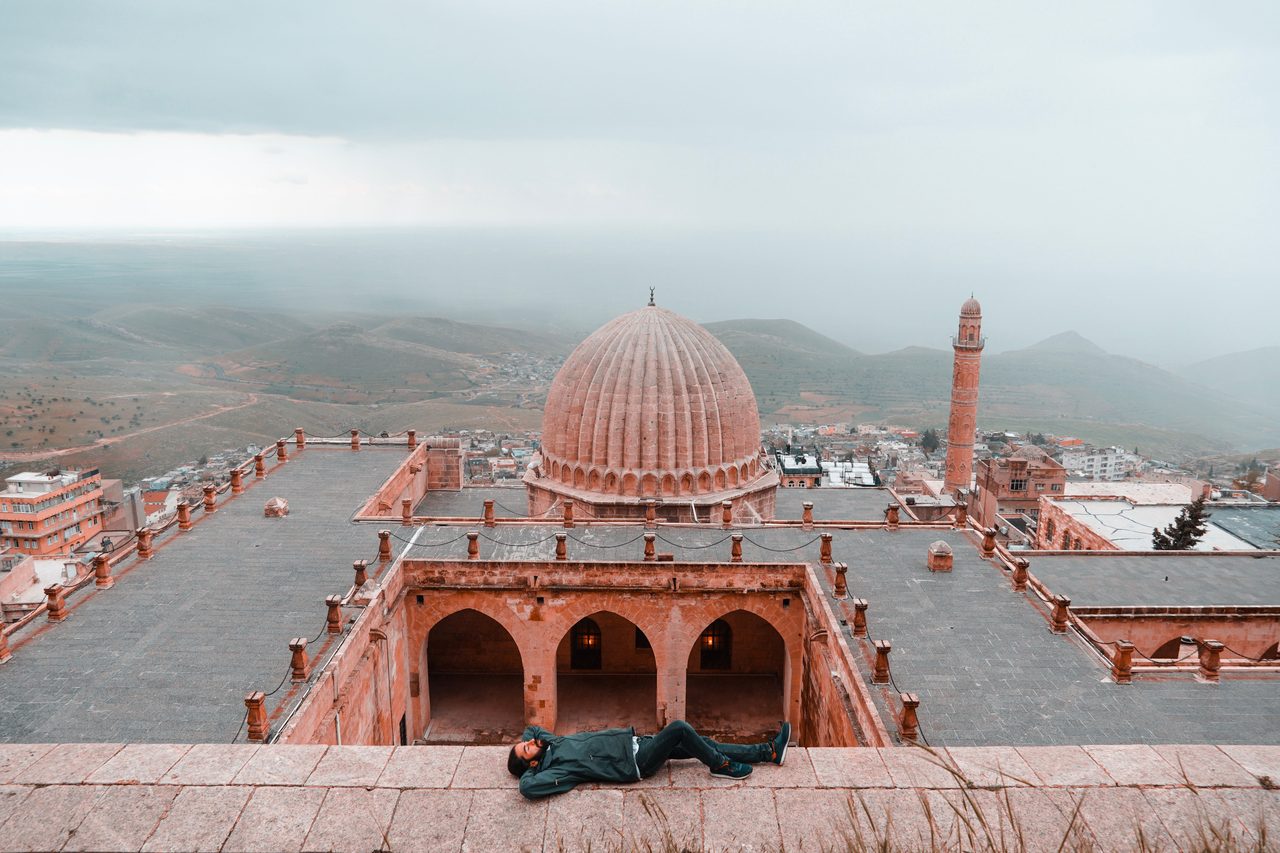
Şifaiye Medresesi
Seljuk sultan's 1217 CE medical school and hospital — one of Anatolia's earliest dedicated healthcare institutions, now an open courtyard with ornate stonework.
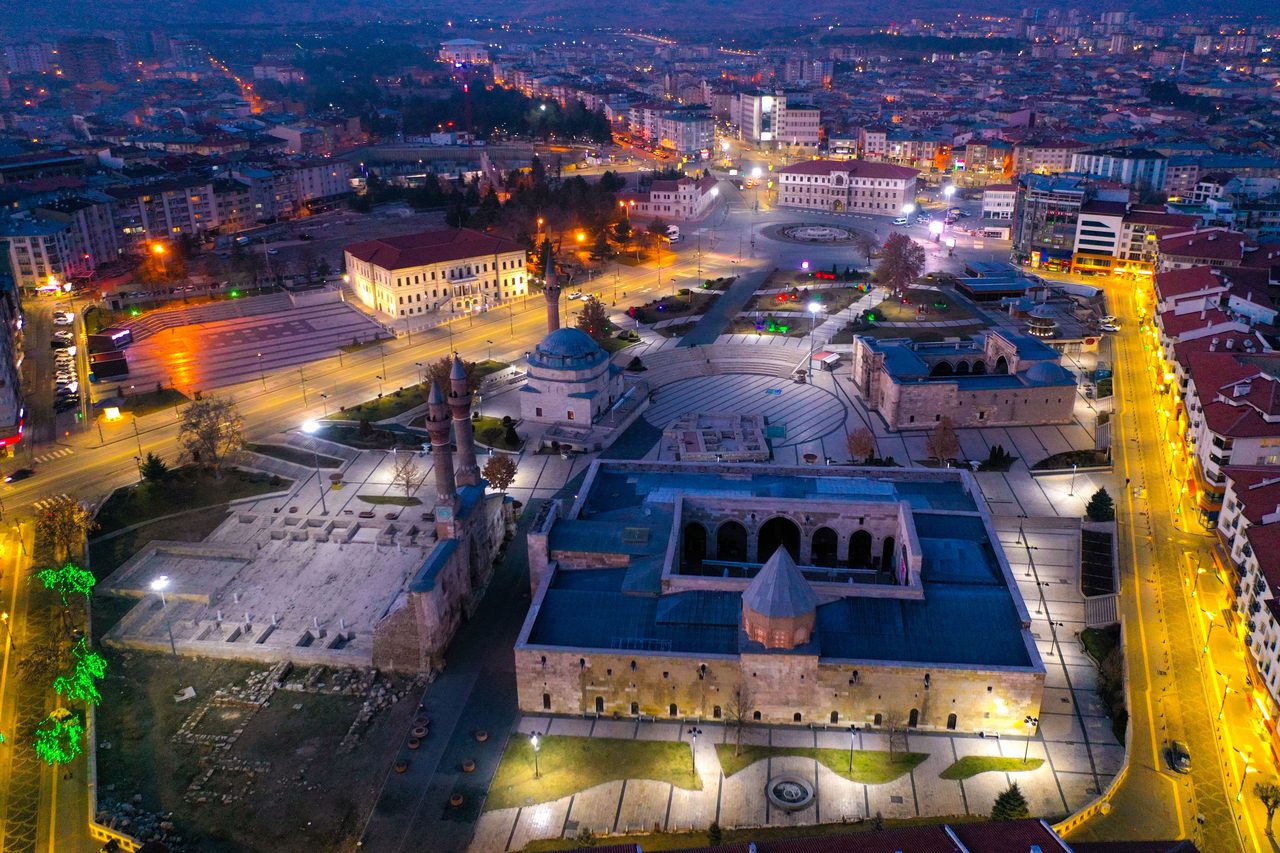
World · 5 Places · Best May–June and September–October
Sivas is a historic city in Central Anatolia, Turkey, renowned for its magnificent Seljuk-era architecture and its pivotal role in Turkish national history. Home to the Sivas Congress of 1919 — a critical event in the founding of the Turkish Republic — the city preserves some of the finest medieval Islamic monuments in Anatolia. The Buruciye, Çifte Minareli, Gök, and Şifaiye madrasas cluster in the city centre, while Divriği's UNESCO-listed Great Mosque lies within the province. At 1,285 metres elevation on the Central Anatolian plateau, Sivas offers an authentic, crowd-free alternative to Turkey's tourist-heavy western cities.
Sivas sits at the crossroads of ancient Anatolian trade routes, 1,285 metres above sea level, where Seljuk sultans constructed a constellation of theological colleges, hospitals, and mosques that survive largely intact. The Şifaiye Medresesi (1217 CE), built by Seljuk Sultan Izzeddin Keykavus as a medical school, stands as one of the earliest dedicated hospitals in Anatolia. The 13th-century Buruciye, Çifte Minareli, and Gök madrasas form a remarkable open-air museum of Seljuk stone-carving craftsmanship, all within walking distance in the city centre. Sivas gained national fame as the site of the 1919 Sivas Congress, where Mustafa Kemal Atatürk consolidated the resistance movement that would become the Turkish Republic; the Congress building is now a museum. The Kangal district hosts naturally heated thermal pools where Garra rufa fish provide the famous fish-therapy treatment. Sivas cuisine — led by Sivas köftesi and tarhana soup — reflects Central Anatolian culinary traditions and is best experienced in the traditional lokantas surrounding the covered bazaar.
Jump straight to the experience you're planning.
The 5 destinations our editors recommend — from iconic landmarks to under-the-radar finds.
Seljuk sultan's 1217 CE medical school and hospital — one of Anatolia's earliest dedicated healthcare institutions, now an open courtyard with ornate stonework.
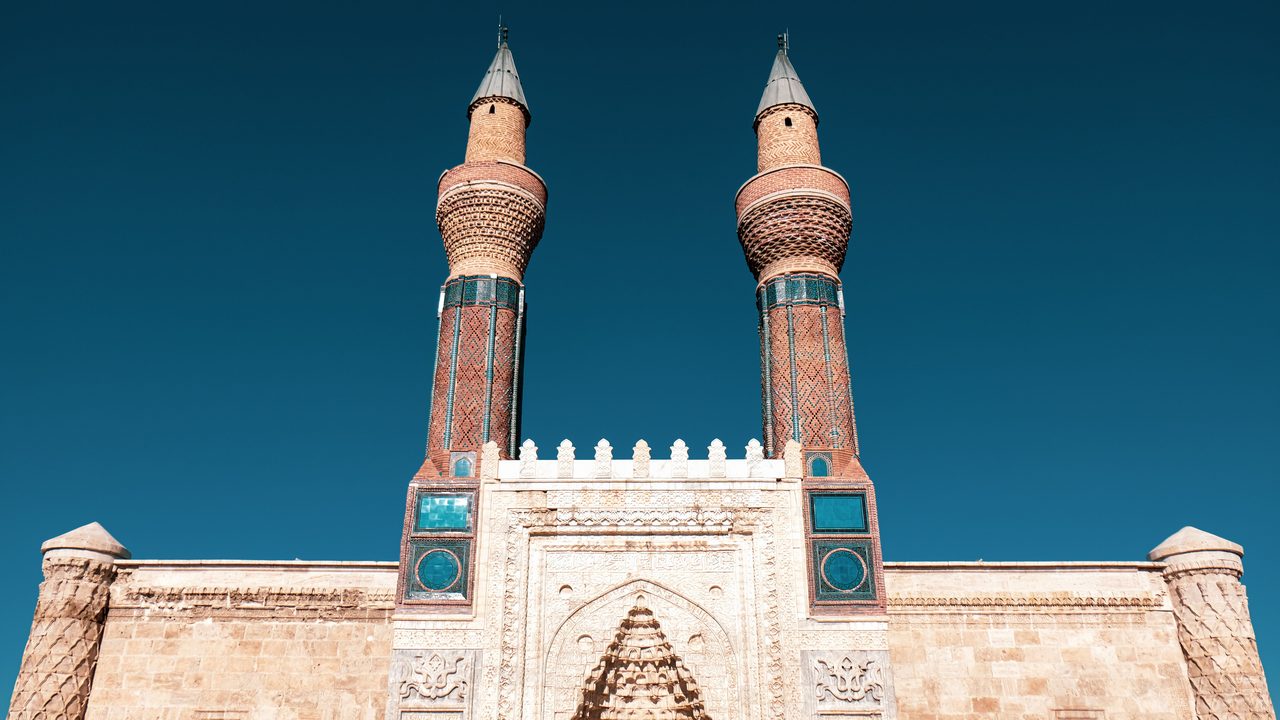
Twin-minaret seminary (1271 CE) with an imposing portal of interlaced Seljuk stone carving — Sivas's most photographed landmark.
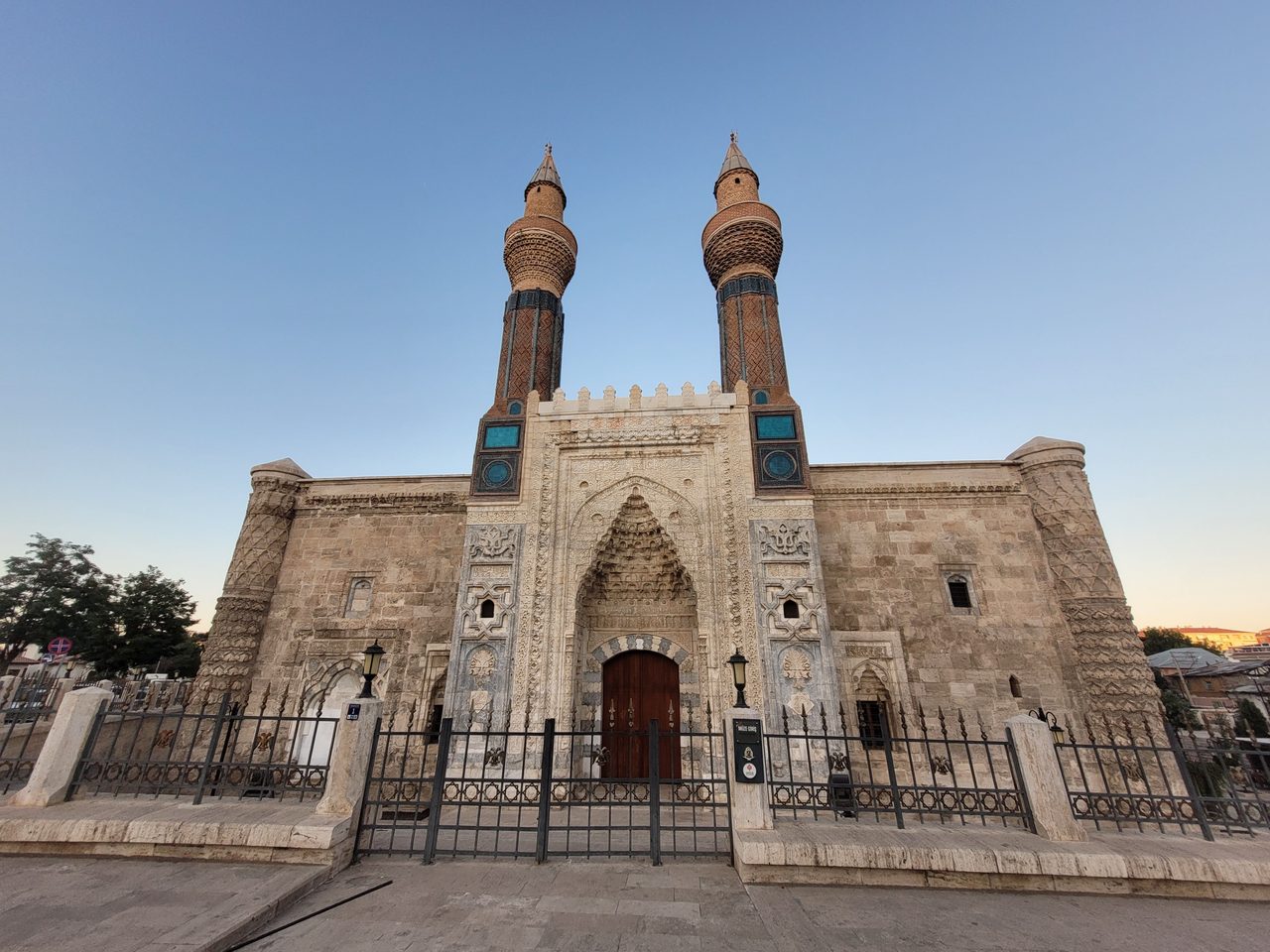
Blue Seminary (1271 CE), built by Sahip Ata Fahreddin Ali — a masterpiece of Seljuk decorative stonework with a richly carved entrance portal.
The 1919 congress hall where Mustafa Kemal Atatürk consolidated the national resistance movement — a foundational site in the birth of the Turkish Republic.
13th-century Ilkhanid-era seminary now operating as a regional ethnography and science museum, with a beautifully carved marble portal.
Pick a length, follow the route. Each itinerary balances headline sights with breathing room.
Three tiers, every traveller covered — from cost-conscious to flagship hotels.
Hostels, budget hotels, and guesthouses offer affordable stays without sacrificing experience.
Boutique hotels and well-located accommodations provide comfort and convenience at reasonable prices.
World-class resorts and premium hotels deliver unforgettable experiences.
Cafés, neighbourhood gems, and tasting menus worth the table reservation.
Book a food tour in Sivas We may earn a commission from bookings made through this link.
Sivas is connected by high-speed rail (YHT) to Ankara and Erzincan, regular buses to major Turkish cities, and Nuri Demirag Airport (VAS) with domestic flights. Within the city, municipal buses and dolmuş (shared minibuses) serve all main areas for 15–25 TRY (~$0.45–$0.75 USD). Taxis are widely available and metered.
Daily spend by tier in TRY, broken out by category.
| Category | Budget | Mid-range | Luxury |
|---|---|---|---|
| Accommodation | 350–650 TRY (~$10.50–$19.50 USD) — guesthouse or budget hotel | 900–1,500 TRY (~$27–$45 USD) — 3-star hotel | 2,000–4,000 TRY (~$60–$120 USD) — best 4-star hotel |
| Food (per day) | 150–300 TRY (~$4.50–$9 USD) — lokantas and street food | 350–600 TRY (~$10.50–$18 USD) — mid-range restaurants | 800–1,200 TRY (~$24–$36 USD) — best restaurants with wine |
| Transportation | 50–150 TRY (~$1.50–$4.50 USD) — city bus and dolmuş | 150–300 TRY (~$4.50–$9 USD) — taxi supplements | 400–700 TRY (~$12–$21 USD) — private taxis |
| Activities | 50–100 TRY (~$1.50–$3 USD) — most sites free or minimal entry | 150–250 TRY (~$4.50–$7.50 USD) | 300–600 TRY (~$9–$18 USD) — guided tours and thermal packages |
| Daily total | 700–1,100 TRY (~$21–$33 USD) | 1,500–2,500 TRY (~$45–$75 USD) | 3,500–6,000 TRY (~$105–$180 USD) |
Best time Shoulder Worth avoiding
Average daytime temperature in °C. Figures are for Turkey.
Sivas sits at 1,285 m elevation and has a continental climate — hot summers with temperatures reaching 35°C and cold winters with heavy snowfall. Spring and autumn offer mild temperatures (15–22°C), clear skies, and far fewer visitors than the coastal resorts.
Carry small-denomination TRY bills — many local restaurants and bazaar stalls don't accept cards
Use only official yellow taxis with meters or pre-agree a price; app-based ride services are limited
Dress modestly when visiting mosques and religious sites (shoulders and knees covered; headscarves for women inside mosques)
Tap water is treated but locals prefer bottled; bottled water costs 5–10 TRY (~$0.15–$0.30 USD)
Emergency services: dial 112 (medical/fire), 155 (police)
Sivas is a conservative Central Anatolian city with low levels of violent crime against tourists. Petty crime (pickpocketing, bag-snatching) is uncommon but not unknown in busy market areas. The historic centre is well-lit and populated in the evenings. Female solo travellers should expect occasiona
The best time to visit Sivas is May–June and September–October. Sivas has a semi-arid continental climate driven by its position at 1,285 metres elevation on the Central Anatolian plateau. Summers are hot and dry (July–August peak 32°C) with very low humidity, mak
Most Western nationalities (USA, UK, EU, Canada) can enter Turkey visa-free for up to 90 days within any 180-day period. Australian citizens and some others require an e-Visa (approximately $60 USD), obtained online at evisa.gov.tr before travel — walk-up visa-on-arrival no longer exists. Always verify current entry requirements for your specific passport at evisa.gov.tr or the nearest Turkish consulate, as rules change. Requirements vary by nationality, so check with your nearest embassy or the official immigration website before traveling.
The currency in Sivas is the Turkish Lira (TRY). ATMs are widely available in cities and tourist areas. Credit cards are accepted at most hotels and restaurants, but carry cash for markets and smaller establishments.
The main language(s) spoken in Sivas: Turkish. In tourist areas, English is generally understood. Learning a few basic phrases in the local language is appreciated by locals.
The top attractions in Sivas include Şifaiye Medresesi, Çifte Minareli Medrese, Gök Medrese, Sivas Congress Museum, and Buruciye Medresesi. Each offers a unique experience, from historic landmarks to natural wonders.