World · 21 Places · Best April–May and September–October
Kırşehir
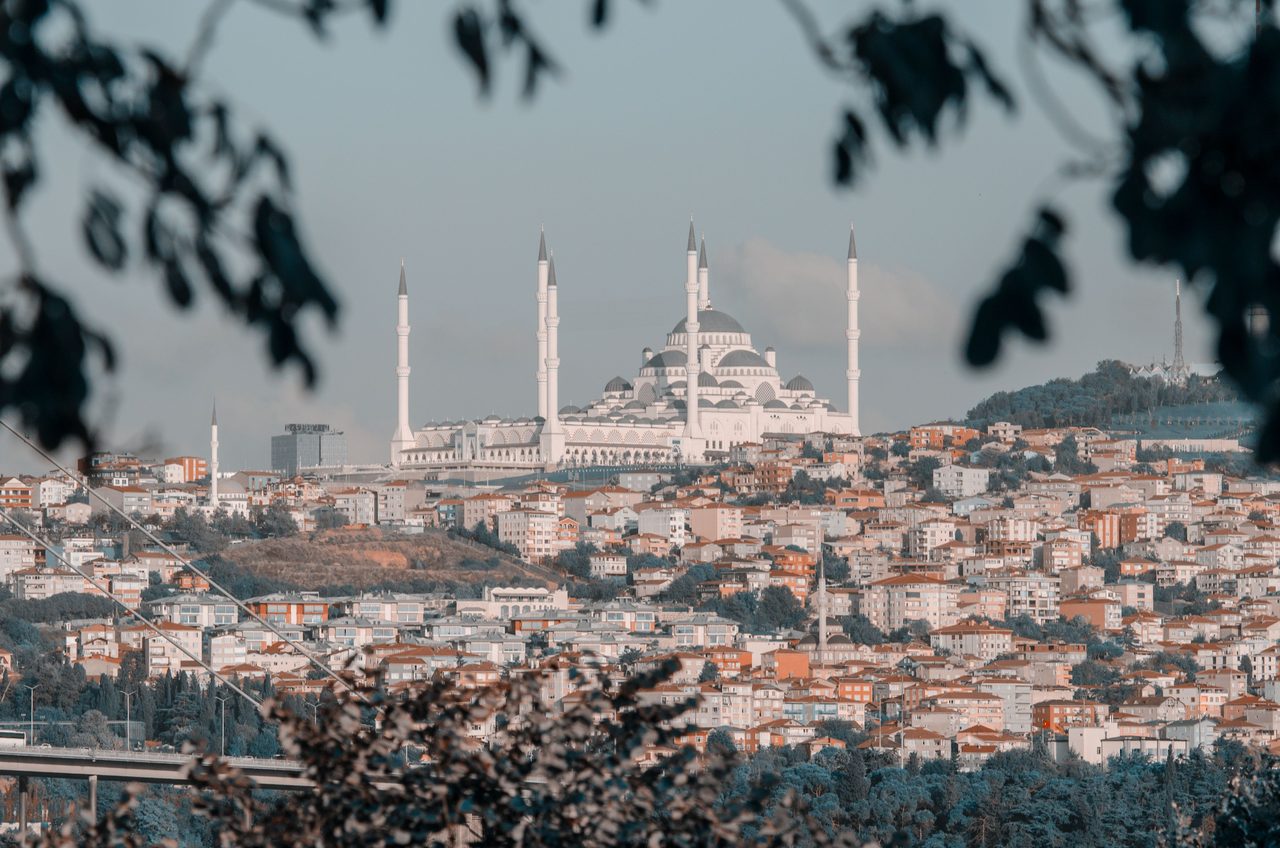
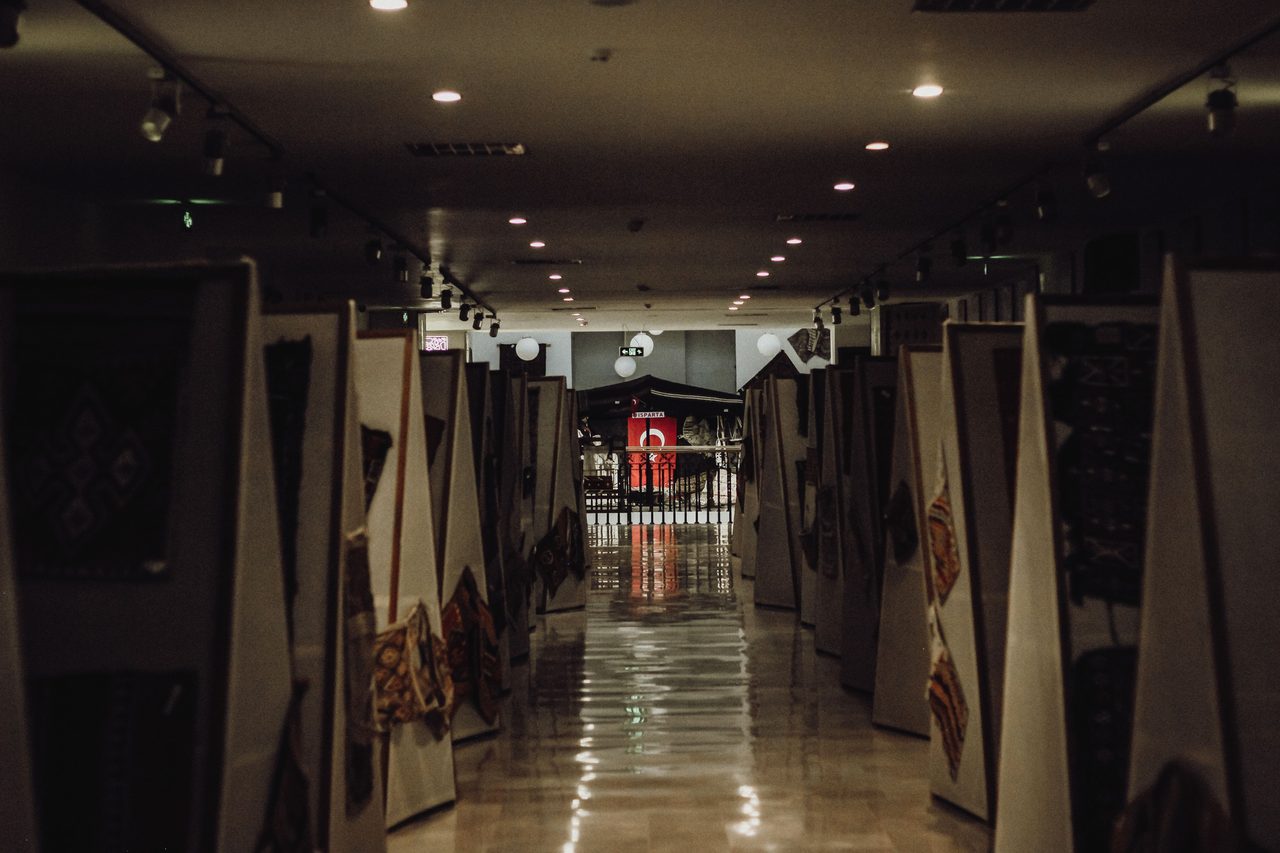
Kırşehir is a historic city in Central Anatolia, Turkey, renowned as the heartland of the Ahi Brotherhood — the medieval Islamic guild system that shaped Anatolian trade and social life. Set on the banks of the Kızılırmak River at roughly 1,000 metres above sea level, the city preserves a rich legacy of Seljuk and Ottoman architecture, including the iconic Cacabey Mosque-Observatory and the Ahi Evran Complex. Beyond the monuments, visitors discover the soothing thermal baths of Terme, vibrant local carpet traditions, and excellent day trips to the Alevi pilgrimage centre of Hacıbektaş and the ancient Bronze Age mound of Kaman-Kalehöyük.
Kırşehir sits at the geographical centre of Turkey, where the Central Anatolian plateau meets the upper valley of the Kızılırmak — Turkey's longest river. The city of around 130,000 people is the provincial capital of Kırşehir Province and remains far less visited than its neighbours Cappadocia or Ankara, offering authentic encounters with Turkish culture without the tourist infrastructure of larger destinations. The old city clusters around the 13th-century Ahi Evran Mosque and the Cacabey Mosque, once one of the medieval world's earliest observatories. To the north, the Terme district features geothermal springs that have drawn bathers for centuries. The province encompasses the important archaeological site of Kaman-Kalehöyük, which has yielded finds from the Early Bronze Age through the Islamic period. Kırşehir's people are warm and hospitable; traditional çay houses, carpet workshops, and lokantas serving slow-cooked central Anatolian dishes define daily life.
The 21 destinations our editors recommend — from iconic landmarks to under-the-radar finds.
Ahi Evran Mosque and Complex
This complex holds the tomb of Ahi Evran, the 13th-century founder of the Akhi movement, a guild-based brotherhood that organized craftsmen and tradesmen across Anatolia and shaped Kırşehir's identity as a center of that tradition. The mosque and türbe sit together as a working religious site rather than a roped-off monument, so you'll see local worshippers alongside visitors. The complex is tied closely to the city's self-image as the historic home of the Akhi guilds, which is still referenced in local festivals and street names.
Cacabey Mosque
Originally built in the 13th century as a Seljuk-era madrasa with an astronomical observation function, Cacabey was later converted into a mosque, which is why its layout and fluted, tiled minaret look different from a purpose-built mosque of the period. The brick minaret with turquoise tile decoration is the most visually distinctive Seljuk-era structure in central Kırşehir. Its double-function history as both a school of astronomy and a place of worship makes it one of the more unusual surviving Seljuk buildings in Anatolia.
Kırşehir Museum
A provincial museum covering the archaeology and ethnography of the Kırşehir region, with material spanning from prehistoric and Hittite-period finds (including objects connected to nearby Kaman-Kalehöyük) through Seljuk and Ottoman-era artifacts. It's a modest, regional collection rather than a major national museum, useful mainly for putting the city's older monuments and the Kaman-Kalehöyük excavations into context. Ethnographic sections cover local Ottoman-era domestic life and crafts tied to the Akhi guild tradition.
Terme Thermal Springs
Kaman-Kalehöyük Archaeological Site
A long-running excavation mound (höyük) in Kaman district that has been dug continuously since 1986 by the Japanese Institute of Anatolian Archaeology, revealing occupation layers from the Ottoman period back through the Iron Age, Hittite era, and Bronze Age. It's one of the most methodically documented multi-period sites in central Anatolia, valued by archaeologists for its unbroken stratigraphy rather than for dramatic standing ruins. What you actually see on-site is a low mound with excavation trenches rather than reconstructed buildings, so it appeals more to those interested in the dig itself than in monumental remains.
Melik Gazi Turbesi
A tomb monument associated with the Danishmend dynasty, the Turkish beylik that controlled central Anatolia in the 12th century before the Seljuks consolidated power there. As one of the older funerary monuments in Kırşehir, it predates the Seljuk-era mosques and madrasas the city is better known for, marking an earlier phase of Turkish rule in the region. It's a quiet, single-structure site rather than part of a larger complex.
Recommended itineraries
Pick a length, follow the route. Each itinerary balances headline sights with breathing room.
5-Day Kırşehir Explorer
Day 1Arrive in Kırşehir, explore city center
Day 2Visit top attractions and museums
Day 3Day trip to nearby highlights
Day 4Local markets and hidden gems
Day 5Final sightseeing, departure
7-Day Classic Kırşehir
Days 1-2Kırşehir city highlights
Days 3-4Regional exploration
Days 5-6Cultural immersion and local experiences
Day 7Return and departure
14-Day Ultimate Kırşehir
Days 1-3Kırşehir comprehensive city tour
Days 4-6Northern region exploration
Days 7-9Eastern highlights
Days 10-12Southern attractions
Days 13-14Return to Kırşehir, departure
Where to stay in Kırşehir
Three tiers, every traveller covered — from cost-conscious to flagship hotels.
Budget 600–1,320 TRY/day (~$18–40 USD)
Hostels, budget hotels, and guesthouses offer affordable stays without sacrificing experience.
Mid-range 1,300–2,700 TRY/day (~$39–82 USD)
Boutique hotels and well-located accommodations provide comfort and convenience at reasonable prices.
Luxury 2,700–5,600 TRY/day (~$82–170 USD)
World-class resorts and premium hotels deliver unforgettable experiences.
Kırşehir is accessible by bus from Ankara (approx. 3 hours), Kayseri (2 hours), and other Central Anatolian cities. Kırşehir Bozok Airport (KSK) is 13 km from the city centre and operates seasonal domestic flights. Within the city, minibuses (dolmuş) and taxis are the main options. Car hire is recommended for reaching surrounding villages and archaeological sites.
Budget breakdown
Daily spend by tier in TRY (Turkish Lira), ~33 TRY = 1 USD (June 2026), broken out by category.
Category
Budget
Mid-range
Luxury
Accommodation
400–700 TRY/night (~$12–21 USD)
800–1,400 TRY/night (~$24–42 USD)
1,500–3,000 TRY/night (~$45–91 USD)
Food (per day)
150–300 TRY/day (~$4.50–9 USD)
300–600 TRY/day (~$9–18 USD)
600–1,200 TRY/day (~$18–36 USD)
Transportation
50–120 TRY/day (~$1.50–3.60 USD)
100–300 TRY/day (~$3–9 USD)
300–600 TRY/day (~$9–18 USD)
Activities
0–200 TRY/day (~$0–6 USD)
100–400 TRY/day (~$3–12 USD)
300–800 TRY/day (~$9–24 USD)
Daily total
600–1,320 TRY/day (~$18–40 USD)
1,300–2,700 TRY/day (~$39–82 USD)
2,700–5,600 TRY/day (~$82–170 USD)
Best time to visit Kırşehir
Weather through the year in Turkey
Best timeShoulderWorth avoiding
Average daytime temperature in °C. Figures are for Turkey.
Spring and early autumn offer the most pleasant temperatures (15–25°C). The annual Ahi Evran Culture and Art Festival in October is worth timing a visit around.
Essential travel tips
Most locals speak only Turkish; download Google Translate with offline Turkish pack before arriving
Museum Card (Müze Kart) saves money if visiting multiple state museums; buy at Kırşehir Museum
Markets are busiest on Tuesday and Friday when villagers bring produce to town
Hire a car to reach Kaman-Kalehöyük and the Terme springs most comfortably
Ahi Evran cultural events take place in October — book accommodation early if visiting then
Hidden gems
Off-the-beaten-path corners most travellers miss.
Melik Gazi Turbesi
A 14th-century octagonal mausoleum in the Melikgazi quarter that almost no visitors find. Beautifully preserved Ilkhanate-era stonework; usually empty even in peak season.
Friday Morning Market (Before 09:00)
The Friday market (Cuma Pazarı) is best before the crowds arrive. Village farmers sell directly — cave-aged tulum cheese, wild thyme, Anatolian honey — at prices locals pay. Arrive by 07:30.
Terme Thermal Pools at Dawn
The mineral pools at Terme are extraordinary at 07:00 in autumn or winter — steam rises from the 55°C source water while the air is cool and misty. Almost entirely empty at this hour.
Kızılırmak River at Sunrise
The 6 km promenade along the Kızılırmak River at dawn offers mist-on-water landscapes that feel remote despite being 15 minutes from the city centre. Pink sky, herons, and absolute quiet.
Safety information
INFO
Keep bags zipped in crowded market areas
INFO
Dress modestly when visiting mosques — cover shoulders and knees; women carry a headscarf
INFO
Carry a photocopy of your passport; original should be kept in accommodation safe
INFO
Carry cash as card acceptance is limited in smaller shops and village eateries
INFO
Drink bottled water; tap water is treated but taste varies
Frequently asked questions
Is Kırşehir safe to visit in 2026?
Kırşehir is one of Turkey's safest provincial cities. Violent crime against tourists is essentially unheard of. The city is conservative and family-oriented; visitors who dress modestly and respect local customs will be welcomed warmly. Standard urban awareness — watching bags, not displaying large
What is the best time to visit Kırşehir?
The best time to visit Kırşehir is April–May and September–October. Kırşehir has a semi-arid continental climate (Köppen BSk) typical of the Central Anatolian plateau. Summers are hot and dry (July–August highs of 32–35°C); winters are cold with regular snowfall (Dece
Do I need a visa to visit Kırşehir?
Citizens of many countries including the USA, UK, EU, Canada, and Australia require an e-Visa obtained at evisa.gov.tr before arrival. Cost is approximately $50 USD. Some nationalities receive visa-free entry for up to 90 days. Check current requirements at evisa.gov.tr before travel. Requirements vary by nationality, so check with your nearest embassy or the official immigration website before traveling.
What currency is used in Kırşehir?
The currency in Kırşehir is the Turkish Lira (TRY). ATMs are widely available in cities and tourist areas. Credit cards are accepted at most hotels and restaurants, but carry cash for markets and smaller establishments.
What language is spoken in Kırşehir?
The main language(s) spoken in Kırşehir: Turkish. In tourist areas, English is generally understood. Learning a few basic phrases in the local language is appreciated by locals.
What are the top attractions in Kırşehir?
The top attractions in Kırşehir include Ahi Evran Mosque and Complex, Cacabey Mosque, Kırşehir Museum, Terme Thermal Springs, and Kaman-Kalehöyük Archaeological Site. Each offers a unique experience, from historic landmarks to natural wonders.