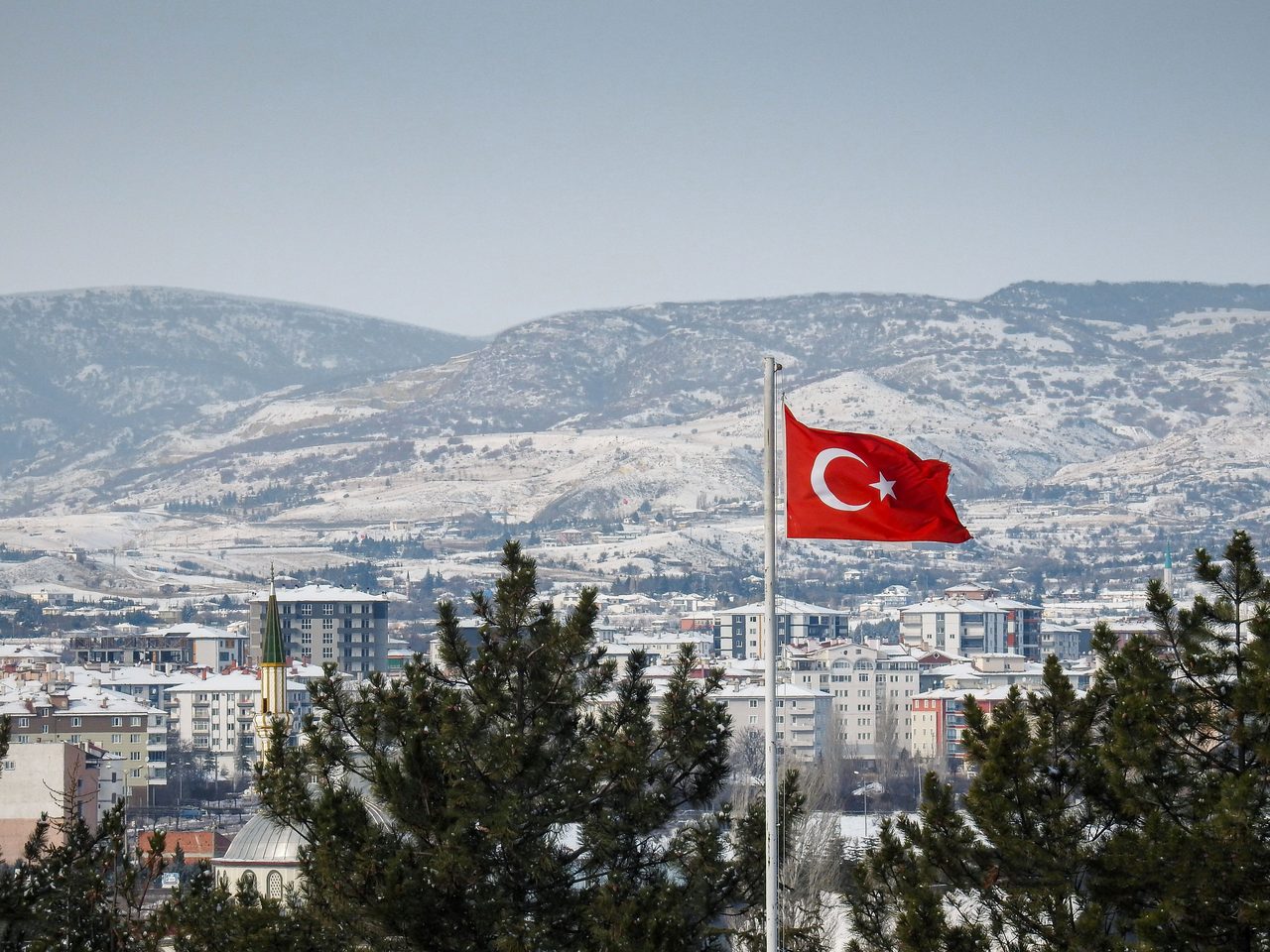
Bolu · 22 Places · Best April–June and September–November
Bolu
Bolu is a mid-sized city in the forested mountains of northwestern Turkey, positioned on the historic Istanbul–Ankara corridor. Surrounded by dense forests, mountain lakes, and the Köroğlu range, it is nationally celebrated as Turkey's culinary heartland — chefs from the nearby Mengen district staffed Ottoman palace kitchens for centuries. Today visitors come for Yedigöller National Park, Abant Lake, Kartalkaya ski resort, and the well-preserved Ottoman towns of Mudurnu and Göynük.
Bolu sits in the forested highlands of northwestern Turkey, about 260 km east of Istanbul and 190 km northwest of Ankara via the E80 motorway. The city proper is a pleasant market town at 742 m elevation in a valley carved by the Bolu Çayı stream, flanked by the Köroğlu Mountains rising to 2,400 m. The surrounding province contains three major nature destinations — Abant Lake (127 ha crater lake at 1,328 m, 34 km from town), Yedigöller National Park (seven interconnected lakes in beech forest, 42 km north), and Gölcük Nature Park (13 km from centre) — plus Kartalkaya ski resort, Turkey's best ski destination outside the major resorts. Bolu's enduring claim to fame is its culinary heritage: Mengen district chefs staffed the Topkapı Palace kitchens, and annual Chefs' Festivals celebrate this tradition. The province also holds 30+ thermal springs, beautifully preserved Ottoman towns (Mudurnu, Göynük, Gerede), and monuments to the legendary folk hero Köroğlu, who was born in the region. Ancient Claudiopolis (modern Bolu) was established under the Roman Emperor Claudius; visible ruins include part of a stadium and several Byzantine-era structures. Compact enough to see the main highlights in a weekend, the province rewards a week of exploration combining nature, history, skiing in winter, and exceptional eating.
The 22 destinations our editors recommend — from iconic landmarks to under-the-radar finds.
Yedigöller National Park
Yedigöller means 'seven lakes' and refers to a cluster of small lakes formed by ancient landslides that dammed the valley streams in the forested hills near Mengen. Beech and fir forest surrounds the lakes, and the park is best known in Turkey as an autumn foliage destination, when the leaf colour peaks. Walking trails and viewpoints connect several of the lakes, with the largest ones easiest to reach on foot from the parking area.
Abant Lake
Abant is a landslide-dammed lake sitting in a bowl of pine forest at altitude in Kıbrıscık district, and it is Bolu province's best-known single attraction. A flat path circles the entire lake, used by walkers and cyclists, with the water on one side and forest on the other for most of the loop. It's a day-trip destination for people from Ankara and Istanbul as much as a stop for travellers passing through Bolu.
Kartalkaya Ski Resort
Kartalkaya is one of Turkey's higher-altitude ski areas, in the mountains of Seben district, with several linked hotels and lift-served terrain used by both day-trippers and multi-day skiers from Ankara and Istanbul. The resort has expanded significantly in recent years with newer lift and hotel capacity added alongside the older facilities. Outside the winter season the slopes and access roads are largely quiet, so this is really a winter-specific stop.
Mudurnu Ottoman Town
Mudurnu is a district town built around a core of Ottoman-era timber houses, a historic bazaar, and mosques, and it has been promoted as a conservation town with restored streets in its old centre. Walking the old quarter gives a sense of a provincial Ottoman town rather than a single monument, with the wooden house facades and narrow lanes as the main draw. It sits away from Bolu's other big nature stops, so it works best as its own stop rather than a quick add-on.
Göynük Ottoman Town
Göynük is another Ottoman-era district town in Bolu province, known for its old timber houses and for being the burial place of the 14th-century scholar Taceddin İbrahim (Akşemseddin is a common but different association worth checking locally), with a historic centre that has undergone restoration work similar to Mudurnu's. The old town's wooden houses and narrow streets form the main attraction rather than any single sight. It's a smaller, quieter town than Mudurnu, with less tourist infrastructure.
Gölcük Nature Park
Gölcük is a small crater-type lake set in pine forest close to Bolu's city centre, making it a much easier stop than the more remote Abant or Yedigöller. A path runs around the lake through the forest, and the park functions as a local recreation spot for Bolu residents as much as a destination for travellers. It's a smaller, quieter alternative to Abant when time or distance is a constraint.
Recommended itineraries
Pick a length, follow the route. Each itinerary balances headline sights with breathing room.
5-Day Bolu Explorer
Day 1Arrive in Bolu, explore city center
Day 2Visit top attractions and museums
Day 3Day trip to nearby highlights
Day 4Local markets and hidden gems
Day 5Final sightseeing, departure
7-Day Classic Bolu
Days 1-2Bolu city highlights
Days 3-4Regional exploration
Days 5-6Cultural immersion and local experiences
Day 7Return and departure
14-Day Ultimate Bolu
Days 1-3Bolu comprehensive city tour
Days 4-6Northern region exploration
Days 7-9Eastern highlights
Days 10-12Southern attractions
Days 13-14Return to Bolu, departure
Where to stay in Bolu
Three tiers, every traveller covered — from cost-conscious to flagship hotels.
Budget ₺1,200–2,000 (approx $36–60)
Hostels, budget hotels, and guesthouses offer affordable stays without sacrificing experience.
Mid-range ₺3,500–6,000 (approx $105–180)
Boutique hotels and well-located accommodations provide comfort and convenience at reasonable prices.
Luxury ₺10,000–20,000+ (approx $300–600+)
World-class resorts and premium hotels deliver unforgettable experiences.
Hampton by Hilton Bolu
Bolu City Centre · ₺2,500–5,500/night (approx $76–167)
Bolu has no airport. The city sits on the E80 motorway (TEM) corridor between Istanbul and Ankara, making intercity bus the primary way to arrive.
Intercity Bus (from Istanbul)
Multiple daily departures from Istanbul Esenler (European side) and Anadolu (Asian side) bus terminals. Operators: Kamil Koç (kamil.koc.com.tr), Metroturizm, FlixBus (flixbus.com). Journey 3–4.5 hours. Book at obilet.com or at terminal.
Cost: ₺400–600 (approx $12–18)
Intercity Bus (from Ankara)
Up to 56 daily buses from Ankara AŞTİ bus terminal. Journey 2–2.5 hours. Operators: Kamil Koç, Lüks Yalova. Book at obilet.com or at the terminal.
Cost: ₺345–450 (approx $10–14)
Taxi (intercity from Ankara or Istanbul)
Private taxis can be arranged from Ankara or Istanbul; agree the full journey price in advance. Ankara airport to Bolu city approx ₺2,000–3,000 for the car.
Cost: ₺2,000–4,000 (approx $61–121)
Car Rental
Strongly recommended for visiting Yedigöller, Kartalkaya, Mudurnu, and Göynük. Enterprise, Europcar, and Budget have offices in central Bolu. An AWD vehicle is recommended for Kartalkaya mountain roads in winter. Book via sixt.com.tr, europcar.com.tr, or budget.com.tr.
Cost: ₺2,000–5,000/day (approx $61–152)
Budget breakdown
Daily spend by tier in TRY, broken out by category.
Category
Budget
Mid-range
Luxury
Accommodation
₺800–1,500 (approx $24–45)
₺2,000–4,000 (approx $60–120)
₺5,000–12,000 (approx $150–360)
Food (per day)
₺250–400 (approx $7.50–12)
₺700–1,200 (approx $21–36)
₺2,000–4,000 (approx $60–120)
Transportation
₺100–200 (approx $3–6)
₺400–600 (approx $12–18)
₺1,500–3,000 (approx $45–90)
Activities
₺50–100 (approx $1.50–3)
₺400–800 (approx $12–24)
₺2,000–5,000 (approx $60–150)
Daily total
₺1,200–2,000 (approx $36–60)
₺3,500–6,000 (approx $105–180)
₺10,000–20,000+ (approx $300–600+)
Best time to visit Bolu
Weather through the year in Turkey
Best timeShoulderWorth avoiding
Average daytime temperature in °C. Figures are for Turkey.
Autumn (September–November) is the prime season: Yedigöller turns brilliant gold and red in October, Abant Lake reflects fall colours, temperatures are pleasant (10–23°C), and accommodation prices peak. Spring (April–June) offers the Abant crocus bloom, wildflowers, mild weather (10–25°C), and lower prices. Summer (July–August) is comfortable at 26°C max — good for camping and hiking. Winter is prime for Kartalkaya skiing but requires caution on mountain roads.
Essential travel tips
Visit Yedigöller in October for peak autumn foliage — bring a camera and arrive early before the day-trippers
Abant Lake is doable as a half-day from the city; hire a bicycle at the lakeside or walk the full 7.4 km loop
For Kartalkaya skiing, note that the Kartal and Dorukkaya zones have non-interchangeable lift passes
Try manti (dumplings), gözleme, and cağ kebabı from the lokanta strip on İzzet Baysal Caddesi
Hidden gems
Off-the-beaten-path corners most travellers miss.
Sünnet Lake (Sünnet Gölü)
A mountain reservoir 35 km north of Bolu with no tourists, no entry fee, and no commercial facilities. Outstanding for picnicking, shoreline fishing for wild trout, and photography in complete solitude.
35 km north of Bolu city via local mountain road; car access only — no public transport
Dörtdivan Plateau (Dörtdivan Yaylası)
A high-altitude highland meadow 35 km east of Bolu, best in July–August when wildflowers carpet the plateau. The drive through Dörtdivan valley reveals traditional Turkish highland agriculture. A 4×4 is ideal but a standard car manages in dry conditions.
35 km east of Bolu city; accessed via Dörtdivan İlçesi
Yeniçağa Lake (Yeniçağa Gölü)
A calm freshwater lake 47 km east of Bolu on the D-655 toward Bolu city. A peaceful pier, excellent bird-watching (migratory waterfowl in spring and autumn), and photography opportunities without any tourist infrastructure.
Yeniçağa İlçesi, 47 km east of Bolu city on D-655
Karacasu Thermal Springs (Karacasu Kaplıcaları)
Natural mineral thermal springs 5 km south of Bolu city centre. Open daily 08:00–22:00. Entry ₺200–400 ($6–12) for a full session. Authentic public thermal baths used almost entirely by locals — a very different atmosphere from commercial spa resorts.
Karacasu Mah., 5 km south of Bolu city centre
Safety information
INFO
Use snow tyres or carry chains on mountain roads to Kartalkaya ski resort and Yedigöller in winter; Bolu Dağı pass on the E80 motorway is frequently icy between November and March
INFO
Check mountain road conditions at kgm.gov.tr (Turkish Highway Authority) before driving toward Kartalkaya or Yedigöller in winter or after heavy rain
INFO
At thermal springs such as Karacasu, test water temperature carefully before entering — some hot spring pools reach 50–90°C and can cause serious burns
INFO
Dress modestly when visiting mosques (Bolu Büyük Camii, Mudurnu mosques): cover shoulders and knees, remove shoes at the entrance
INFO
Carry small-denomination TRY banknotes for dolmuş, market stalls, and park entry fees — many informal vendors do not accept cards
INFO
Save Turkey's unified emergency number 112 in your phone before setting off on mountain hikes or drives
INFO
In the Yedigöller forest, stay on marked trails; the lake shores can be muddy after rain and the terrain slippery in autumn
INFO
Turkey is in the US State Department Level 2 (Exercise Increased Caution) advisory zone; this relates to the southeast/border regions — Bolu is in the northwest and has no specific security concerns
INFO
Carry sun protection and extra water when hiking at altitude in summer; temperatures are mild but UV exposure is high above 1,500 m
Frequently asked questions
Do I need a visa to visit Bolu?
Entry requirements follow Turkey's national rules. Citizens of the USA, Canada, UK, and EU member states typically enter visa-free for up to 90 days within any 180-day period. Nationals of around 40 other countries must obtain an e-Visa in advance at evisa.gov.tr. Check requirements for your nationality before traveling and ensure your passport has at least six months' validity from your entry date.
How do I get to Bolu?
Bolu has no airport. The most convenient approach is intercity bus: from Istanbul (~3–4.5 hrs, up to 30 daily departures via Kamil Koç, Metroturizm, FlixBus) or from Ankara (~2–2.5 hrs, up to 56 daily buses). The Bolu otogar is 3 km west of city centre; take a dolmuş or taxi to reach the centre. The nearest airports are Ankara Esenboğa (ESB, ~135 km) and Istanbul Sabiha Gökçen (SAW, ~195 km).
What is Bolu famous for?
Bolu is famous for three things: its natural beauty (Yedigöller Seven Lakes National Park, Abant Lake, and Gölcük Nature Park), its culinary heritage (Mengen district has supplied the finest chefs in Turkey for centuries, including the Ottoman palace kitchens), and winter sports (Kartalkaya ski resort, one of Turkey's best). The province also contains well-preserved Ottoman towns like Mudurnu and Göynük, and the legendary birthplace of folk hero Köroğlu.
When is the best time to visit Bolu?
Autumn (September–November) is the peak season, especially October when Yedigöller turns spectacular shades of gold and red and Abant Lake reflects the fall colours. Spring (April–June) is ideal for wildflowers and the Abant Crocus bloom at lower prices. Winter (December–March) suits skiers heading for Kartalkaya. Summer is pleasant for hiking and camping.