Open Travel Guide
Spain

Europe · 33 Places · Best June-August (hot, crowded, highest prices)

Spain

Spain captivates visitors with its vibrant culture, world-class cuisine, and stunning architecture from Barcelona's Sagrada Familia to Granada's Alhambra. From the sunny beaches of Costa del Sol to the artistic treasures of Madrid's museums, Spain offers an unforgettable blend of history, passion, and modern sophistication.

Capital
Madrid
Currency
Euro (EUR)
Language
Spanish (Castilian)
Time zone
UTC+1 (Central European Time) / UTC+2 (CEST in summer)
Best time
June-August (hot, crowded, highest prices)
Places
33 curated
On this page

About Spain

Spain captivates visitors with its vibrant culture, world-class cuisine, and stunning architecture from Barcelona's Sagrada Familia to Granada's Alhambra. From the sunny beaches of Costa del Sol to the artistic treasures of Madrid's museums, Spain offers an unforgettable blend of history, passion, and modern sophistication.

Capital
Madrid
Languages
Spanish (Castilian), Catalan, Basque, Galician
Currency
Euro (EUR)
Time zone
UTC+1 (Central European Time) / UTC+2 (CEST in summer)

Explore Spain by topic

Jump straight to the experience you're planning.

Best places to visit in Spain

The 33 destinations our editors recommend — from iconic landmarks to under-the-radar finds.

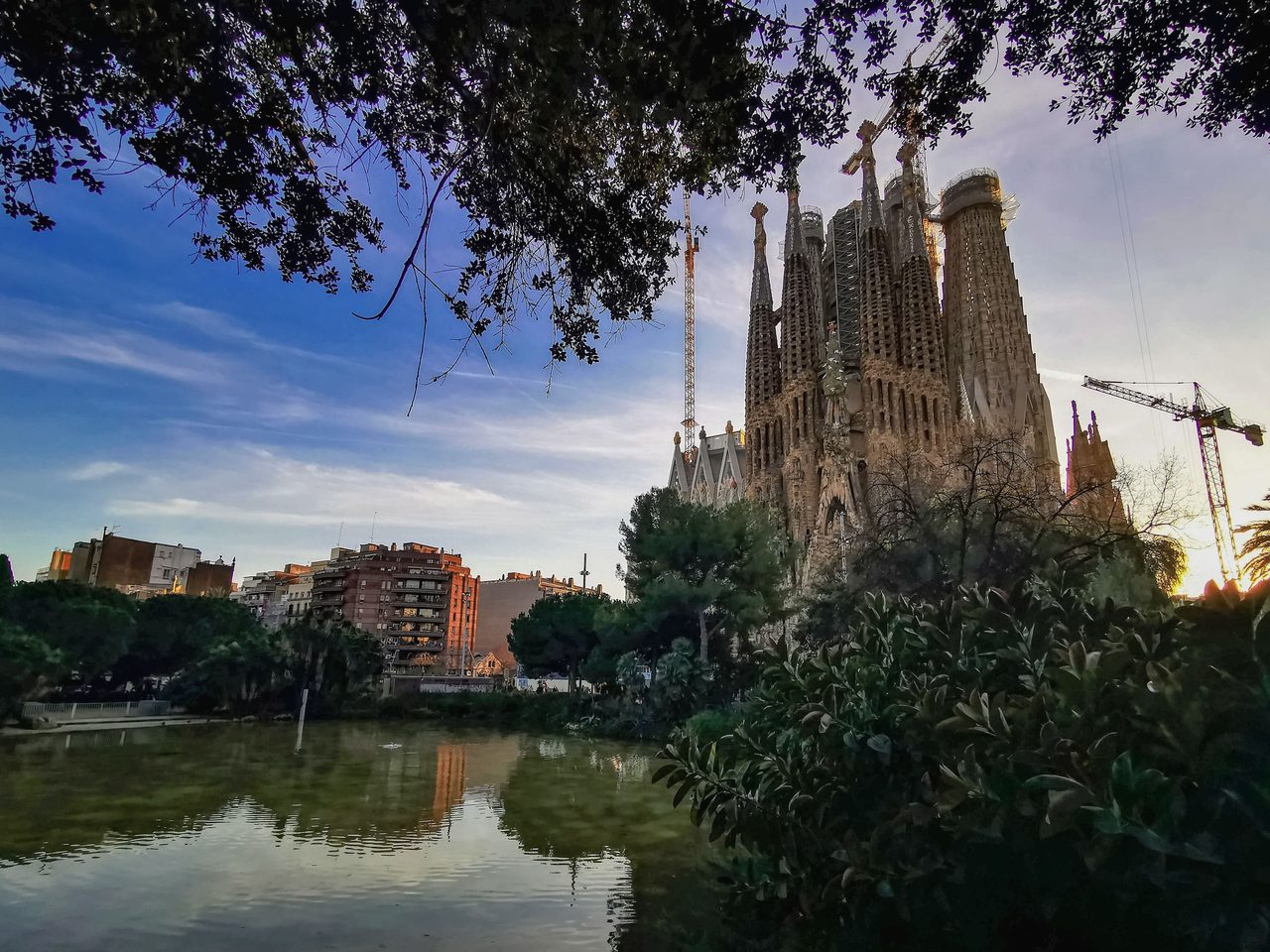
Sagrada Familia

Sagrada Familia

Antoni Gaudí's unfinished masterpiece, this iconic basilica has been under construction since 1882. Its breathtaking facades blend Gothic and Art Nouveau styles with intricate religious symbolism and stunning stained glass that fills the interior with colorful light.
Alhambra Palace

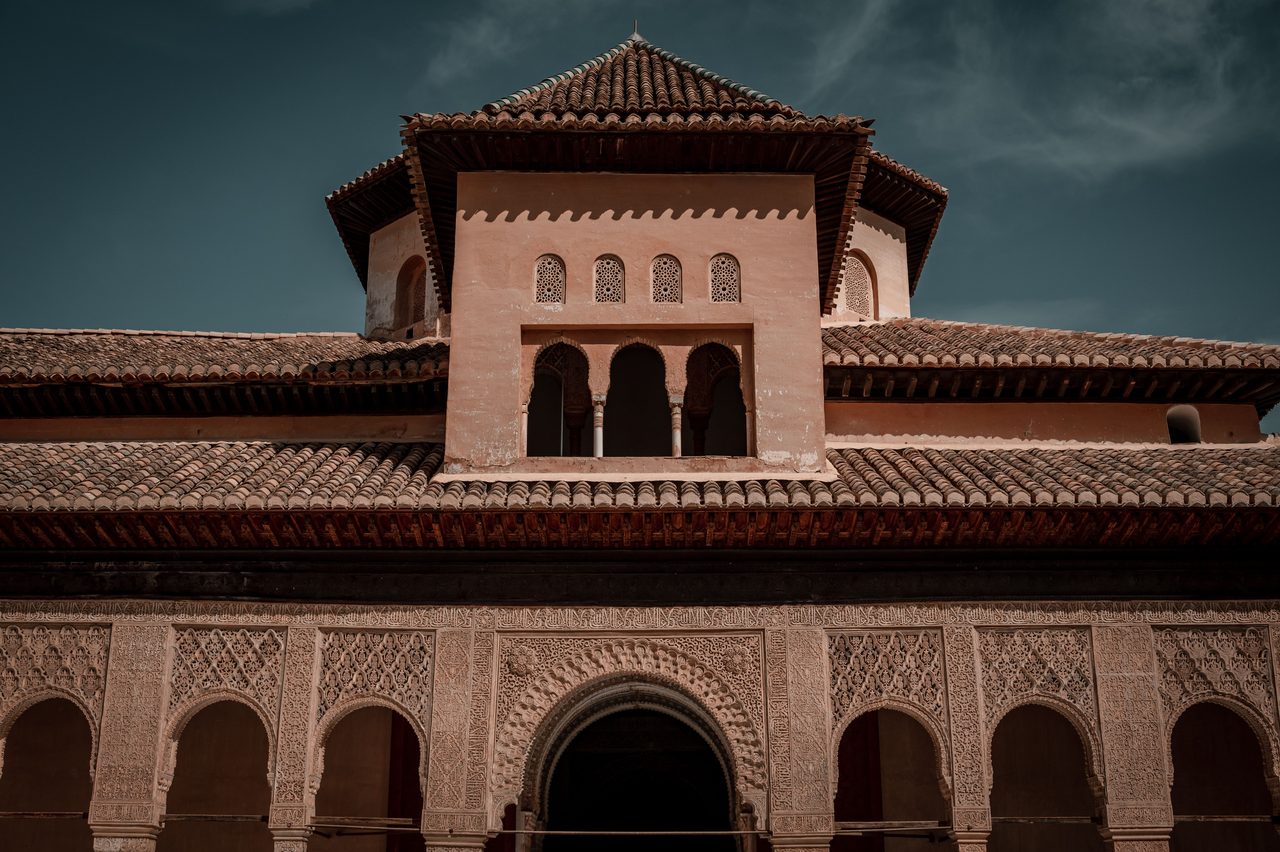
Alhambra Palace

This stunning Moorish palace and fortress complex showcases the pinnacle of Islamic architecture in Europe. The Nasrid Palaces feature intricate tile work, carved stucco, and serene courtyards with reflecting pools, while the Generalife gardens offer peaceful retreats with fountains and mountain views.

Prado Museum

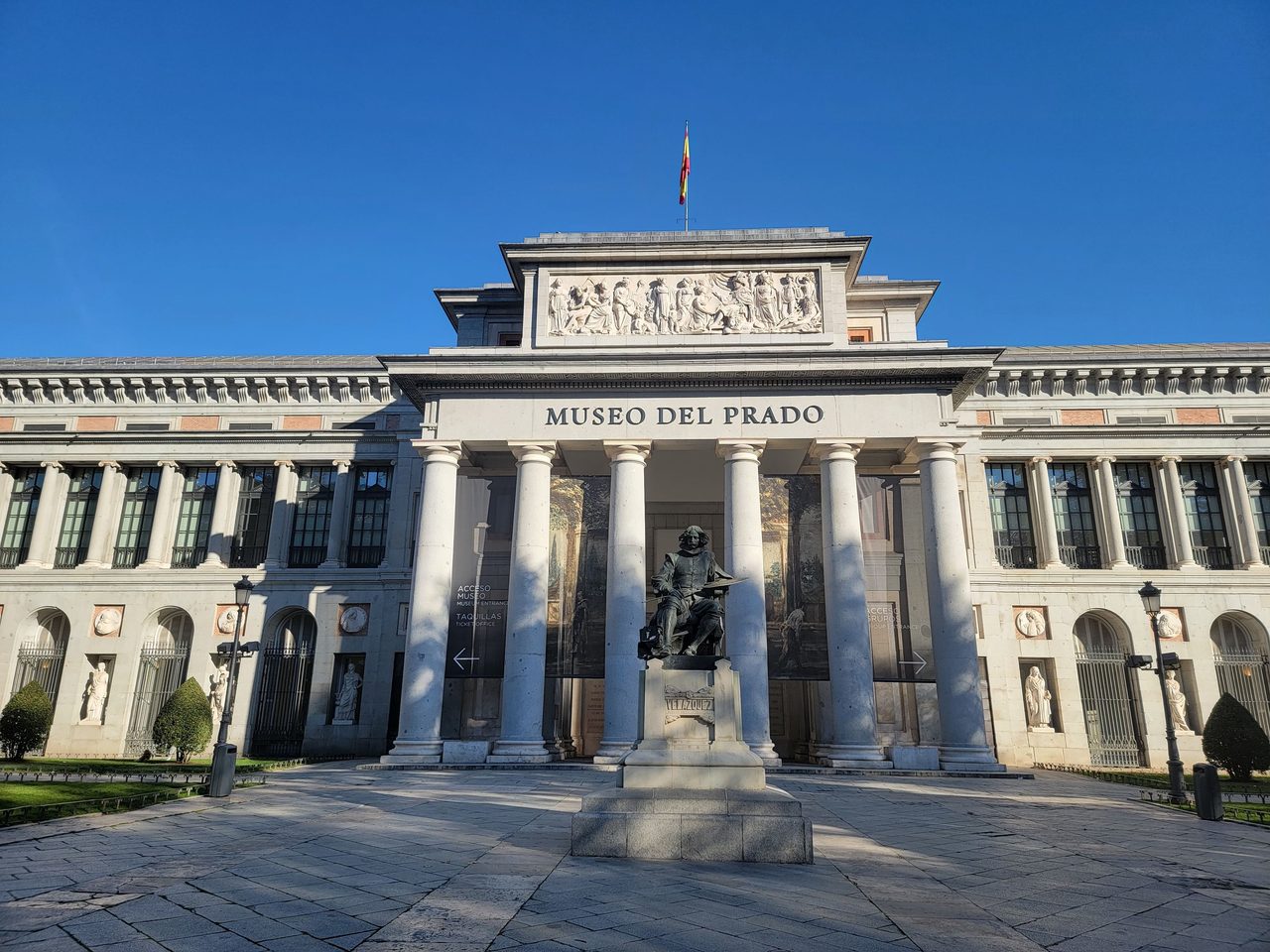
Prado Museum

One of the world's finest art museums houses the most comprehensive collection of Spanish art, including masterpieces by Velázquez, Goya, and El Greco. The collection spans from the 12th to early 20th centuries with over 8,000 paintings and sculptures.

Park Güell

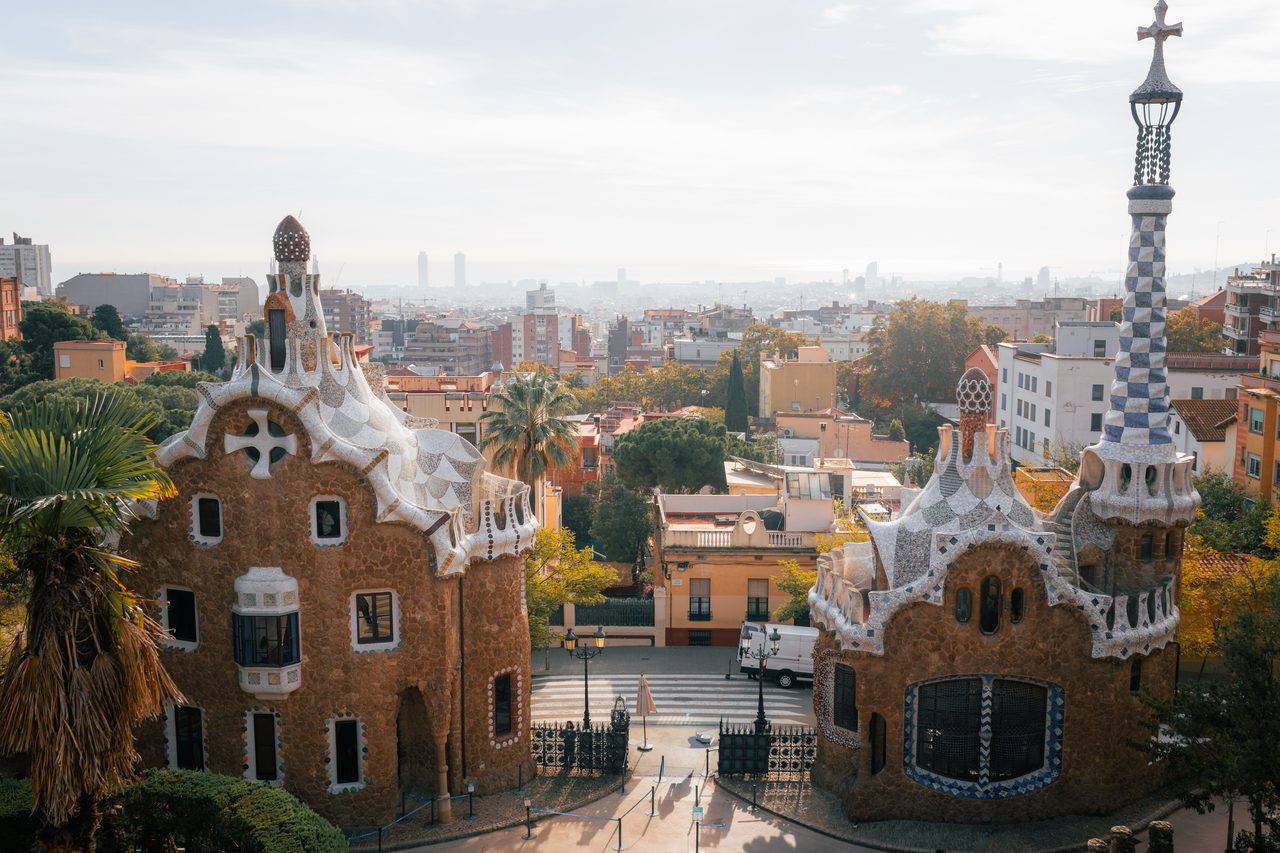
Park Güell

Gaudí's whimsical public park features colorful mosaic sculptures, undulating benches, and the famous mosaic dragon fountain. Originally conceived as a housing development, it's now a UNESCO World Heritage Site offering panoramic city views and architectural marvels.

Royal Palace of Madrid

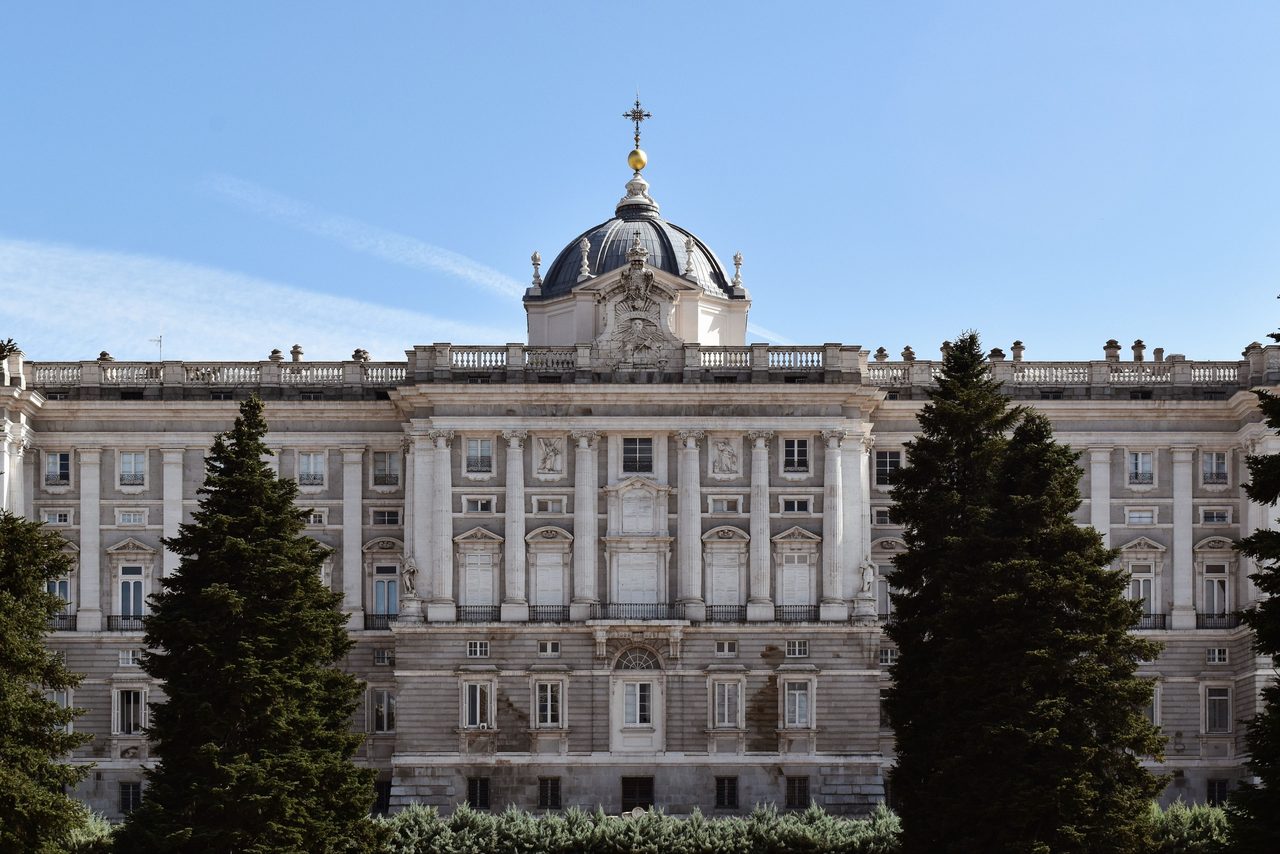
Royal Palace of Madrid

Western Europe's largest functioning royal palace boasts 3,418 rooms filled with priceless tapestries, frescoes, and royal collections. Though no longer the royal residence, it remains the official residence and is used for state ceremonies.

Mezquita-Cathedral of Córdoba

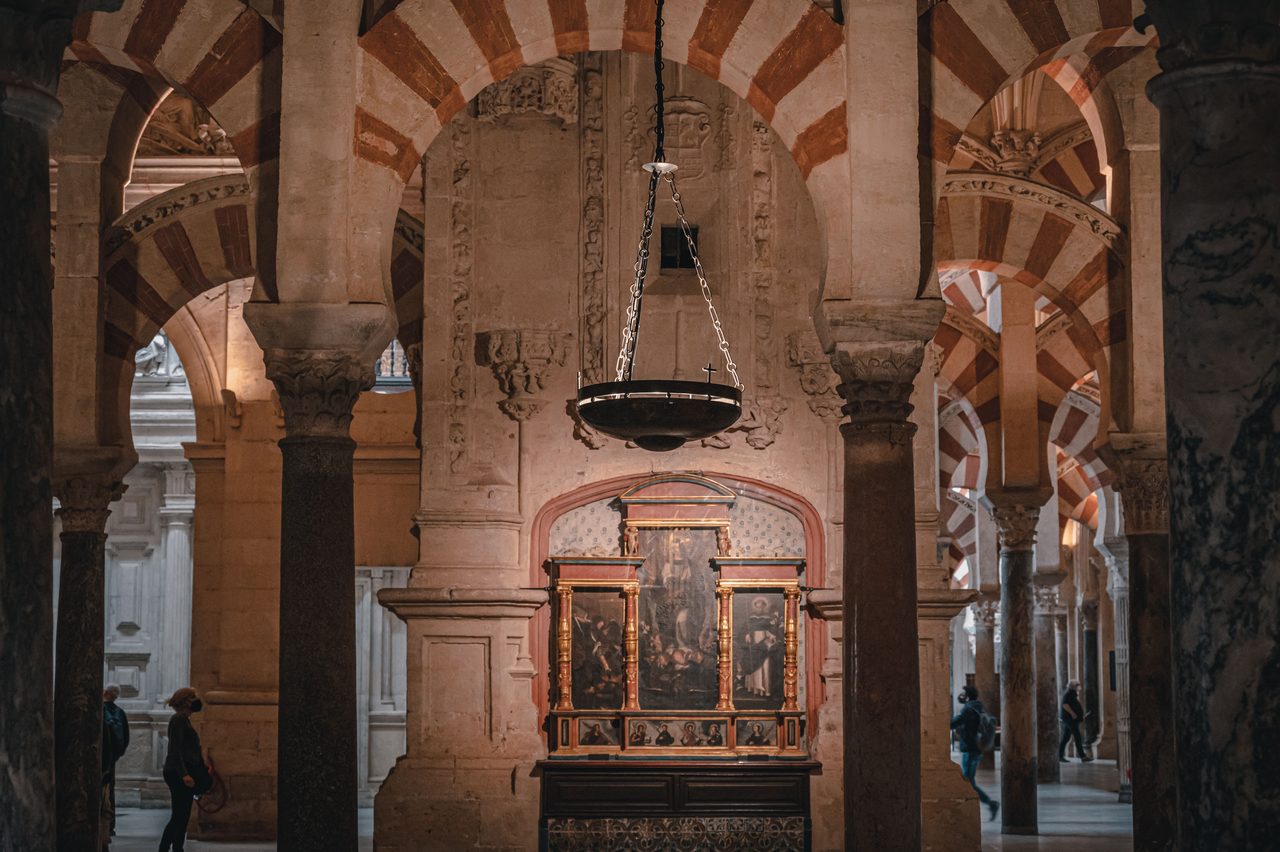
Mezquita-Cathedral of Córdoba

This architectural marvel began as a mosque in 784 AD and features a mesmerizing forest of 856 columns with red-and-white striped arches. A Renaissance cathedral was built in its center, creating a unique fusion of Islamic and Christian architecture.

Recommended itineraries

Pick a length, follow the route. Each itinerary balances headline sights with breathing room.

5-Day Spain Explorer

  • Day 1Arrive in Spain, explore city center
  • Day 2Visit top attractions and museums
  • Day 3Day trip to nearby highlights
  • Day 4Local markets and hidden gems
  • Day 5Final sightseeing, departure

7-Day Classic Spain

  • Days 1-2Spain city highlights
  • Days 3-4Regional exploration
  • Days 5-6Cultural immersion and local experiences
  • Day 7Return and departure

14-Day Ultimate Spain

  • Days 1-3Spain comprehensive city tour
  • Days 4-6Northern region exploration
  • Days 7-9Eastern highlights
  • Days 10-12Southern attractions
  • Days 13-14Return to Spain, departure

Where to stay in Spain

Three tiers, every traveller covered — from cost-conscious to flagship hotels.

Budget $40-60

Hostels, budget hotels, and guesthouses offer affordable stays without sacrificing experience.

Mid-range $100-150

Boutique hotels and well-located accommodations provide comfort and convenience at reasonable prices.

Luxury $300-500+

World-class resorts and premium hotels deliver unforgettable experiences.

Hotel Arts Barcelona

· $350-550 — $500-800

This iconic 44-story beachfront tower offers spectacular Mediterranean views, two Michelin-starred restaurants, and direct beach access. Contemporary art adorns the interiors, while the rooftop pool provides panoramic city and sea views.

Check rates on Booking.com

Hotel Pulitzer Barcelona

· $120-180 — $180-250

A stylish boutique hotel on the edge of Gothic Quarter with rooftop terrace and pool. Modern design meets convenient location for exploring Barcelona's main sights on foot.

Check rates on Booking.com

TOC Hostel Barcelona

· $25-60 — $35-85

Award-winning design hostel near Las Ramblas offers both dorms and private rooms. Rooftop terrace with bar creates a social atmosphere while maintaining cleanliness and comfort.

Check rates on Booking.com

Hotel Ritz Madrid

· $600-900 — $800-1200

A legendary Belle Époque palace hotel that has hosted royalty and celebrities since 1910. Recently renovated by Mandarin Oriental, it combines historic grandeur with modern luxury in the heart of Madrid.

Check rates on Booking.com

Where to eat in Spain

Cafés, neighbourhood gems, and tasting menus worth the table reservation.

DiverXO

Avant-garde Spanish-Asian Fusion · $$$$

Madrid's only three-Michelin-star restaurant offers theatrical dining from chef Dabiz Muñoz. The tasting menu takes diners on a boundary-pushing culinary journey combining Spanish and Asian flavors in innovative ways.

Cervecería Catalana

Catalan Tapas · $$

Always-packed Barcelona tapas bar serves exceptional quality at reasonable prices. The extensive menu features both traditional and creative tapas with excellent wine selection.

Xurrería Trebol

Churros · $

Granada's best churros spot serves fresh, crispy churros with thick hot chocolate for dipping. Perfect for breakfast or afternoon snack, beloved by locals.

Mercat de la Boqueria Food Stalls

Market Food · $

Barcelona's famous market offers fresh fruit juices, seafood tapas, jamón, and more at various stalls. Perfect for sampling diverse Spanish flavors casually.

Café de l'Òpera

Historic Café · $

Barcelona's most atmospheric café opposite the Liceu opera house has served patrons since 1929. Perfect for coffee, cocktails, or light meals in elegant Art Deco surroundings.

Disfrutar

Modern Mediterranean · $$$$

Three-Michelin-star Barcelona restaurant from former El Bulli chefs. Playful, innovative tasting menus showcase molecular gastronomy techniques with Mediterranean ingredients.

Getting around Spain

Budget breakdown

Daily spend by tier in USD, broken out by category.

Category Budget Mid-range Luxury
Accommodation $15-25 (hostel dorm) $50-80 (3-star hotel or private hostel room) $150-300+ (4-5 star hotels)
Food (per day) $15-20 (supermarket breakfast, menú del día lunch, cheap dinner) $30-40 (café breakfast, restaurant lunch, nice dinner) $80-120 (fine dining, Michelin restaurants)
Transportation $5-8 (public transport, walking) $10-15 (metro, occasional taxi) $30-50 (taxis, private transfers, rental car)
Activities $5-7 (free attractions, occasional museum) $10-15 (museums, attractions) $40-80 (skip-line tours, wine tastings, premium experiences)
Daily total $40-60 $100-150 $300-500+

Best time to visit Spain

Essential travel tips

  • Research visa requirements before your trip
  • Learn a few basic phrases in the local language
  • Carry cash as cards may not be accepted everywhere
  • Respect local customs and dress codes
  • Purchase travel insurance before departure

Hidden gems

Off-the-beaten-path corners most travellers miss.

Albarracín, Aragón

Medieval pink-hued town perched on cliffside above Guadalaviar River. Perfectly preserved walls, winding streets, and terracotta roofs create a fairytale atmosphere.

Cadaqués, Catalonia

White-washed fishing village on Costa Brava where Dalí lived. Rocky coves, artistic legacy, and preserved Mediterranean charm despite summer visitors.

Chinchón, Madrid region

Circular Plaza Mayor surrounded by wooden balconies hosts bullfights and markets. This Castilian town offers authentic Spanish rural life 45 minutes from Madrid.

Combarro, Galicia

Coastal village famous for hórreos (traditional raised granaries) lining the waterfront. Authentic Galician fishing culture with amazing seafood restaurants.

Peratallada, Catalonia

Medieval walled village carved from single rock in some places. Stone streets, archways, and castle transport visitors to another era.

Cudillero, Asturias

Colorful fishing village cascading down cliffsides to a tiny harbor

Frigiliana, Andalusia

Arrive early for best light

Whitewashed hilltop village near Nerja with Moorish origins

Fornalutx, Mallorca

Stone mountain village in Tramuntana range, often rated Spain's most beautiful village

Safety information

INFO

Watch for pickpockets in tourist areas and public transport, especially on La Rambla and the Madrid metro

INFO

Keep valuables secure in crowded places and use money belts or hidden pouches for passports

INFO

Be aware of terrorism threat at tourist locations and transportation hubs -- stay alert and report suspicious items

INFO

Prepare for extreme heat in summer (40C/104F+ in southern regions) -- carry water and avoid midday sun

INFO

Use official taxis (white with red stripe in Madrid, yellow-black in Barcelona) or registered rideshare apps

INFO

Avoid political demonstrations and large gatherings, especially in Catalonia during regional tensions

INFO

Register with your embassy before visiting; US Embassy Madrid: +34 91 587 2200

INFO

Common scams: card tricks near monuments, friendship bracelet cons, fake police demanding to see your wallet

INFO

Respect local laws -- public drinking restricted in many cities; topless sunbathing outside designated areas can result in fines

INFO

Carry photocopies of your passport; police can ask for ID at any time -- originals should be kept secure

INFO

EHIC card for EU citizens; non-EU travelers need comprehensive travel insurance; pharmacies (farmacias) can treat minor issues

INFO

Be cautious in less-touristed areas at night, particularly around train stations; stick to well-lit main streets

Frequently asked questions

Is Spain safe to visit in 2026?

Spain is one of Western Europe's safest tourist destinations with low violent crime rates. The primary risks are petty theft and pickpocketing in major tourist areas, particularly Barcelona's La Rambla, Madrid's metro, and Seville's old town during busy periods. Emergency services: police at 091 (National Police), 092 (Local Police), 112 (emergency all services), medical at 061 (ambulance), 112 (emergency services).

What is the best time to visit Spain?

The best time to visit Spain is June-August (hot, crowded, highest prices). Spain encompasses five distinct climate zones across its territories. Central Spain (Madrid, Castile) has a continental climate with hot summers (35-40°C) and cold winters (0-5°C). Coastal Mediterrane

Do I need a visa to visit Spain?

No visa required for stays up to 90 days within 180-day period. Passport must be valid 3 months beyond departure. ETIAS authorization required starting late 2026. Minimum €118/day financial means required. Requirements vary by nationality, so check with your nearest embassy or the official immigration website before traveling.

What currency is used in Spain?

The currency in Spain is the Euro (EUR) (EUR). ATMs are widely available in cities and tourist areas. Credit cards are accepted at most hotels and restaurants, but carry cash for markets and smaller establishments.

What language is spoken in Spain?

The main language(s) spoken in Spain: Spanish (Castilian), Catalan, Basque. In tourist areas, English is generally understood. Learning a few basic phrases in the local language is appreciated by locals.

What are the top attractions in Spain?

The top attractions in Spain include Sagrada Familia, Alhambra Palace, Prado Museum, Park Güell, and Royal Palace of Madrid. Each offers a unique experience, from historic landmarks to natural wonders.

Explore Spain by region

Each region has its own character — coastal, alpine, vineyard, capital. Pick a starting point.

Andalusia

Andalusia is Spain's southernmost autonomous community, renowned for its rich Moorish heritage, stunning Baroque architecture, and vibrant flamenco culture. Home to iconic cities like Seville, Granada, and Córdoba, the region blends centuries of history with sun-soaked Mediterranean beaches and dramatic natural landscapes.

Balearic Islands

The Balearic Islands are an archipelago of four main islands — Mallorca, Menorca, Ibiza, and Formentera — set in the western Mediterranean off the eastern coast of Spain. Renowned for their crystalline turquoise waters, dramatic limestone mountains, and a stunning array of hidden coves, the islands attract everyone from beach lovers and hikers to world-class clubbers and luxury travelers. Each island has its own distinct character: Mallorca offers the most variety with its Gothic capital Palma, the UNESCO-listed Tramuntana mountains, and a world-class food scene; Menorca is a UNESCO Biosphere Reserve celebrated for its prehistoric monuments and pristine wild beaches; Ibiza is globally famous for its nightlife and bohemian spirit; and tiny Formentera offers some of the Mediterranean's most extraordinary beach scenery.

Basque Country

The Basque Country (Euskadi) is an autonomous community in northern Spain nestled between the Cantabrian mountains and the Bay of Biscay, celebrated worldwide for its extraordinary gastronomy, avant-garde architecture, and fiercely proud cultural identity. Home to Bilbao's transformative Guggenheim Museum and San Sebastián's legendary pintxos bars, the region blends industrial heritage with breathtaking coastal scenery and lush green valleys. With more Michelin stars per capita than almost anywhere on earth, the Basque Country offers travelers a uniquely sophisticated yet deeply authentic Spanish experience.

Canary Islands

The Canary Islands are a Spanish archipelago in the Atlantic Ocean off the northwest coast of Africa, known for year-round mild weather, volcanic landscapes, and beaches across islands including Tenerife, Gran Canaria, Lanzarote, and Fuerteventura.

Catalonia

Catalonia is a vibrant autonomous community in northeastern Spain, renowned for its distinct Catalan language, culture, and identity. Barcelona, its capital, is one of Europe's most visited cities, celebrated for Gaudí's architectural masterpieces, world-class cuisine, and a dynamic arts scene. Beyond Barcelona, Catalonia offers the dramatic Costa Brava coastline, the volcanic landscapes of La Garrotxa, medieval villages in the Pyrenees, and world-famous wine regions like Penedès and Priorat.

Madrid

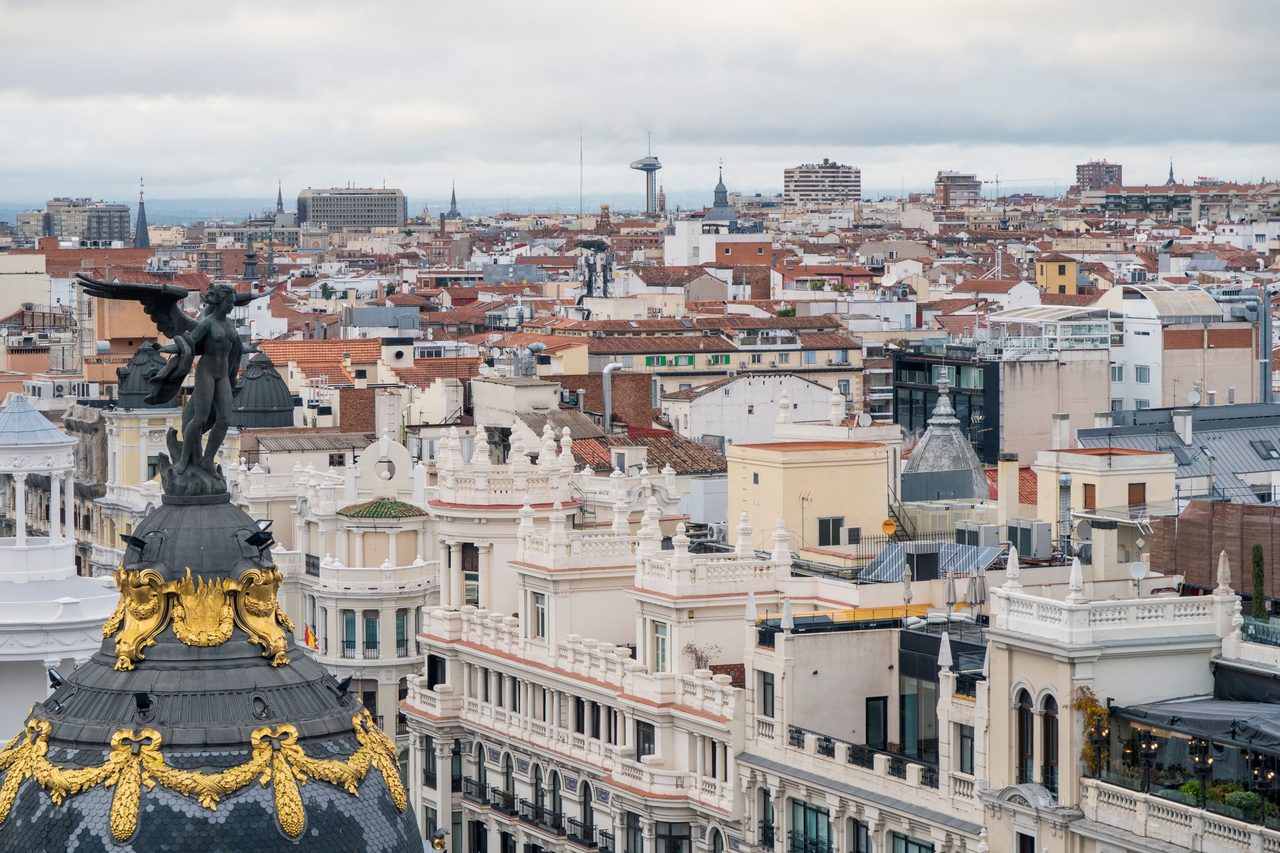
Madrid is Spain's vibrant capital and largest city, a metropolis of world-class art museums, grand boulevards, lively plazas, and an electric nightlife that never sleeps. As the Autonomous Community of Madrid, the region combines the cosmopolitan energy of the city with green sierra mountains, historic royal towns, and charming villages within easy reach.

Valencia

Valencia is a vibrant autonomous community on Spain's eastern Mediterranean coast, renowned as the birthplace of paella and home to the futuristic City of Arts and Sciences. The region stretches from the Pyrenean foothills to sun-kissed beaches along the Costa Blanca and Costa del Azahar, offering a blend of ancient heritage, modern architecture, and world-class cuisine.