Tanzania is East Africa's premier safari destination, home to the legendary Serengeti plains, Africa's highest peak Mount Kilimanjaro, and the pristine beaches of Zanzibar. Experience the Great Migration, explore ancient Stone Town, and discover incredible wildlife diversity.
Tanzania is East Africa's premier safari destination, home to the legendary Serengeti plains, Africa's highest peak Mount Kilimanjaro, and the pristine beaches of Zanzibar. Experience the Great Migration, explore ancient Stone Town, and discover incredible wildlife diversity.
Capital
Dodoma
Largest city
Dar es Salaam
Languages
Swahili (official), English (official), Arabic (in Zanzibar)
The 28 destinations our editors recommend — from iconic landmarks to under-the-radar finds.
Serengeti National Park
One of Africa's most iconic wildlife reserves, home to the Great Migration where over 1.5 million wildebeest and zebras traverse the plains annually. Witness dramatic predator-prey interactions and endless savannah landscapes.
Mount Kilimanjaro National Park
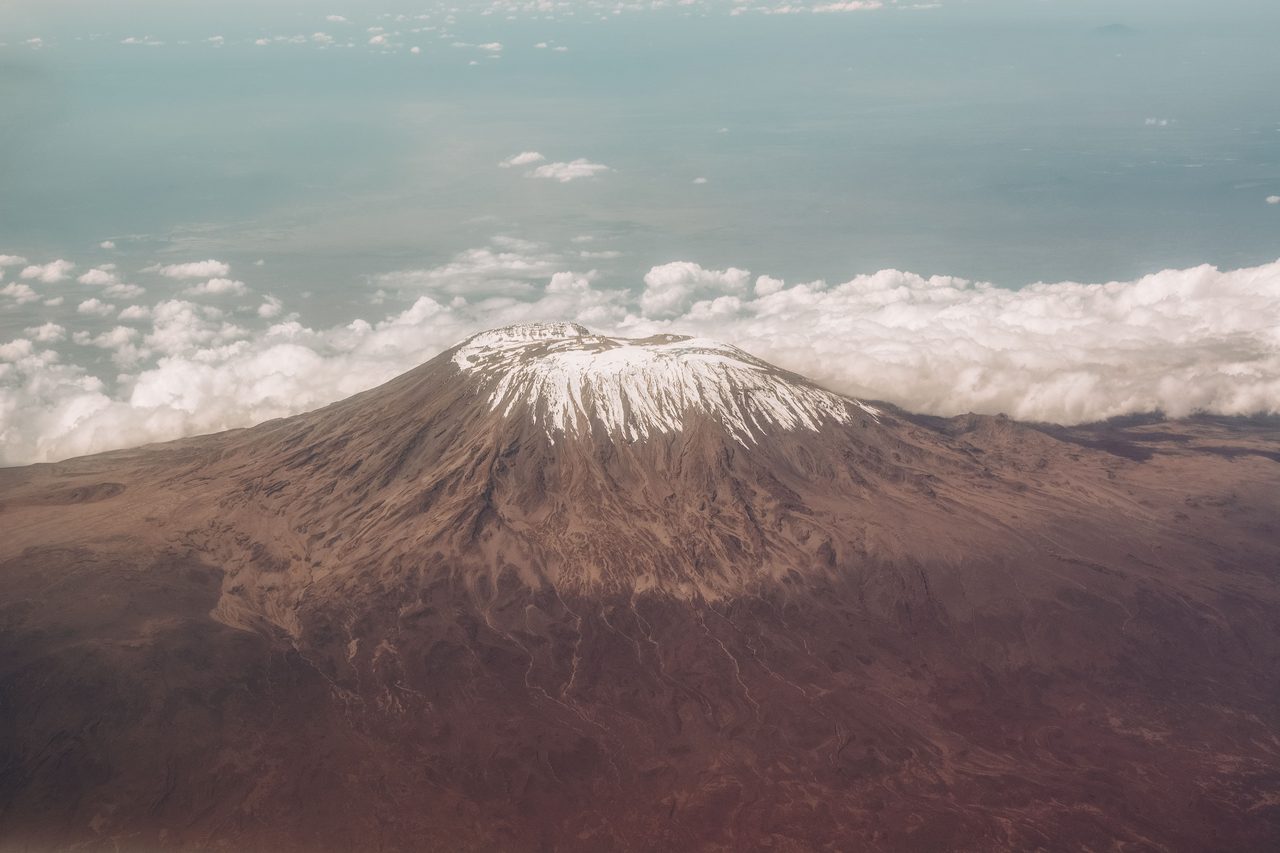
Africa's highest peak at 5,895 meters and the world's tallest free-standing mountain. A once-in-a-lifetime trek requiring no technical climbing skills, offering diverse ecosystems from rainforest to arctic summit.
Ngorongoro Conservation Area
A UNESCO World Heritage site featuring the world's largest intact volcanic caldera. The crater floor hosts 25,000+ large animals including all Big Five species and offers spectacular scenery and Maasai cultural encounters.
Zanzibar Stone Town
A UNESCO World Heritage site and historic Arab trading port featuring narrow winding alleys, ornate carved doors, bustling bazaars, and fascinating cultural fusion of African, Arab, Indian, and European influences.
Tarangire National Park
Famous for its massive elephant herds (up to 3,000 individuals) and iconic baobab trees. The Tarangire River attracts incredible wildlife concentrations during dry season, offering excellent game viewing in a less crowded setting.
Lake Manyara National Park
Compact park known for tree-climbing lions, vast flocks of flamingos, and diverse habitats from groundwater forest to open savannah. Ernest Hemingway called it 'the loveliest I had seen in Africa.'
Recommended itineraries
Pick a length, follow the route. Each itinerary balances headline sights with breathing room.
5-Day Tanzania Explorer
Day 1Arrive in Tanzania, explore city center
Day 2Visit top attractions and museums
Day 3Day trip to nearby highlights
Day 4Local markets and hidden gems
Day 5Final sightseeing, departure
7-Day Classic Tanzania
Days 1-2Tanzania city highlights
Days 3-4Regional exploration
Days 5-6Cultural immersion and local experiences
Day 7Return and departure
14-Day Ultimate Tanzania
Days 1-3Tanzania comprehensive city tour
Days 4-6Northern region exploration
Days 7-9Eastern highlights
Days 10-12Southern attractions
Days 13-14Return to Tanzania, departure
Where to stay in Tanzania
Three tiers, every traveller covered — from cost-conscious to flagship hotels.
Budget $40-70
Hostels, budget hotels, and guesthouses offer affordable stays without sacrificing experience.
Mid-range $100-200
Boutique hotels and well-located accommodations provide comfort and convenience at reasonable prices.
Luxury $400-1000+
World-class resorts and premium hotels deliver unforgettable experiences.
Four Seasons Safari Lodge Serengeti
Mara Region · $900-$1,500
Ultra-luxury safari lodge in the heart of Serengeti with infinity pool overlooking watering hole, spacious suites with floor-to-ceiling windows, and exceptional service. Year-round game viewing from your room.
Well-established lodge built into hillside overlooking Serengeti plains. Traditional African design with modern comfort, infinity pool, and excellent game-viewing location.
Various locations in Serengeti (mobile) · $120-$180
Mobile tented camp following the Great Migration with comfortable tents, en-suite bathrooms, and authentic bush experience. Excellent value for Serengeti safari.
Collection of three exclusive lodges in western Serengeti offering unparalleled luxury and privacy. Located on the Great Migration route with exceptional game viewing, gourmet dining, and personalized service.
Cafés, neighbourhood gems, and tasting menus worth the table reservation.
The Rock Restaurant
Seafood / Continental · $$$
Iconic restaurant perched on a rock in the Indian Ocean. Accessible by boat at high tide, offering fresh seafood, Italian-inspired dishes, and breathtaking ocean views. Zanzibar's most photographed dining spot.
Lukmaan Restaurant
Swahili / Indian · $$
Stone Town institution serving authentic Swahili and Indian dishes since 1970s. Famous for biryanis, curries, and fresh juices. Local favorite with excellent value.
ZanziBarista
Cafe / Swahili Snacks · $
Cozy coffee house in Stone Town serving excellent Tanzanian coffee, fresh pastries, and Swahili snacks like mandazi and katlesi. Perfect breakfast or afternoon break spot.
Forodhani Night Market
Zanzibar Street Food · $
Legendary night market in Stone Town where vendors gather at sunset serving authentic Zanzibari street food. Try Zanzibar pizza, urojo soup, mishkaki skewers, and fresh seafood.
Mercury's Restaurant
Cafe / International · $
Named after Freddie Mercury who was born in Zanzibar, this cafe in Stone Town serves good coffee, breakfast, and light meals in colonial-era building.
Emerson Spice Tea House Restaurant
Swahili / Fusion · $$$
Rooftop fine dining in historic Stone Town mansion with stunning harbor views. Multi-course Swahili tasting menus featuring fresh seafood and traditional spices. Romantic sunset atmosphere.
$15-15 (free beaches, markets; save for occasional paid park entry)
$20-40 (park entries, snorkeling, tours)
$70-200 (exclusive tours, private guides, special experiences)
Daily total
$40-70
$100-200
$400-1000+
Best time to visit Tanzania
Weather through the year in Tanzania
Best timeShoulderWorth avoiding
Average daytime temperature in °C. Figures are for Tanzania.
June to October (dry season, best wildlife viewing)
Essential travel tips
Research visa requirements before your trip
Learn a few basic phrases in the local language
Carry cash as cards may not be accepted everywhere
Respect local customs and dress codes
Purchase travel insurance before departure
Hidden gems
Off-the-beaten-path corners most travellers miss.
Katavi National Park
Tanzania's most remote major park with virtually no tourists. Massive buffalo herds (thousands), huge crocodile and hippo concentrations on Katuma River, and authentic wilderness. Only accessible by charter flight but worth it for solitude seekers.
Mahale Mountains
Pristine chimpanzee sanctuary on Lake Tanganyika shores with habituated chimp troops offering intimate encounters. Crystal-clear lake for swimming, remote beaches, and stunning mountain backdrop. Africa's best-kept primate secret.
Pemba Island
Zanzibar's quieter sister island with world-class diving, pristine beaches, lush clove plantations, and authentic Swahili culture. No mass tourism, just peaceful island life and underwater wonders.
Kondoa Rock Art Sites
UNESCO World Heritage site with ancient rock paintings dating 50,000+ years. Over 150 sites with fascinating depictions of early human life. Rarely visited archaeological treasure in stunning landscape.
Rubondo Island National Park
Island sanctuary in Lake Victoria with introduced chimps, elephants, and giraffes. Pristine rainforest, bird watching paradise (400+ species), and completely off-the-beaten-path. Walking safaris and fishing.
Chole Bay Viewpoint, Mafia Island
A clifftop perch on Mafia Island overlooking turquoise Chole Bay and its forested islets. Reached via a short walk from Kilindoni village, this spot sees almost no tourists despite extraordinary views.
Ngorongoro Rim at Lerai Descent Track
The descent track on the western rim of Ngorongoro Crater offers an elevated panorama most visitors miss. The rim at 2,300m gives a view of the entire caldera.
Ol Doinyo Lengai Summit, Natron Area
Africa's only active carbonatite volcano offers unearthly lunar crater views at dawn after a night climb. The stark white lava and sweeping views of Lake Natron are genuinely otherworldly.
Uhuru Peak, Mount Kilimanjaro (5,895m)
Africa's highest point -- reaching the summit at dawn to watch the sun rise above the clouds is one of the most profound experiences on the continent. The glaciers glow pink-orange and the shadow of Kilimanjaro stretches hundreds of kilometers westward.
Ngorongoro Crater Rim at Simba Campsite
Camping on the crater rim at 2,300m means watching the sun burn off morning fog to reveal the full crater panorama below. Flamingos on Lake Magadi turn pink in the dawn light.
Forodhani Gardens Waterfront, Stone Town
Watching dhow boats sail past as the sun drops into the Indian Ocean from Stone Town's waterfront garden is a quintessential Zanzibar moment. The night market fires up simultaneously, filling the air with grilled seafood smoke.
Lake Natron, Arusha Region
The blood-red alkaline lake turns extraordinary shades of crimson and violet at sunset as millions of flamingos cluster near the shore. The Rift Valley walls frame the scene dramatically.
Safety information
INFO
Avoid demonstrations and political gatherings
INFO
Limit movements after dark in urban areas
INFO
Use reputable tour operators for safaris and excursions
INFO
Register with STEP (Smart Traveler Enrollment Program) if US citizen
INFO
Keep valuables secure and avoid displaying expensive items
INFO
Use ATMs inside banks or shopping malls during daylight
INFO
Hire registered taxis or use ride-sharing apps in cities
INFO
Visit the US/UK embassy website before travel and enroll in STEP for emergency alerts
INFO
Carry proof of yellow fever vaccination required for entry and checked at borders
INFO
Dress conservatively on Zanzibar and in Muslim areas; cover shoulders and knees away from beach
Frequently asked questions
Is Tanzania safe to visit in 2026?
Tanzania is generally safe for tourists who take standard precautions. Violent crime against foreigners is uncommon in tourist areas, but petty theft, pickpocketing, and opportunistic scams are present in cities and tourist hotspots. Zanzibar is considered safer than the mainland. Emergency services: police at 112, medical at 114.
What is the best time to visit Tanzania?
The best time to visit Tanzania is June to October (dry season, best wildlife viewing). Tanzania has a tropical climate with two distinct wet seasons. The long rains (masika) fall from March to May, and the short rains (vuli) in November. The northern circuit experiences the best conditi
Do I need a visa to visit Tanzania?
US citizens must obtain a one-year multiple entry e-visa for $100 valid for 12 months (max 90 days per stay). Apply online at least 2 weeks before travel. Visa on arrival no longer available as of January 2025. Requirements vary by nationality, so check with your nearest embassy or the official immigration website before traveling.
What currency is used in Tanzania?
The currency in Tanzania is the Tanzanian Shilling (TZS) (TZS). ATMs are widely available in cities and tourist areas. Credit cards are accepted at most hotels and restaurants, but carry cash for markets and smaller establishments.
What language is spoken in Tanzania?
The main language(s) spoken in Tanzania: Swahili (official), English (official), Arabic (in Zanzibar). In tourist areas, English is generally understood. Learning a few basic phrases in the local language is appreciated by locals.
What are the top attractions in Tanzania?
The top attractions in Tanzania include Serengeti National Park, Mount Kilimanjaro National Park, Ngorongoro Conservation Area, Zanzibar Stone Town, and Tarangire National Park. Each offers a unique experience, from historic landmarks to natural wonders.
Explore Tanzania by region
Each region has its own character — coastal, alpine, vineyard, capital. Pick a starting point.