Kilimanjaro · 26 Places · Best January-March and June-October
Kilimanjaro
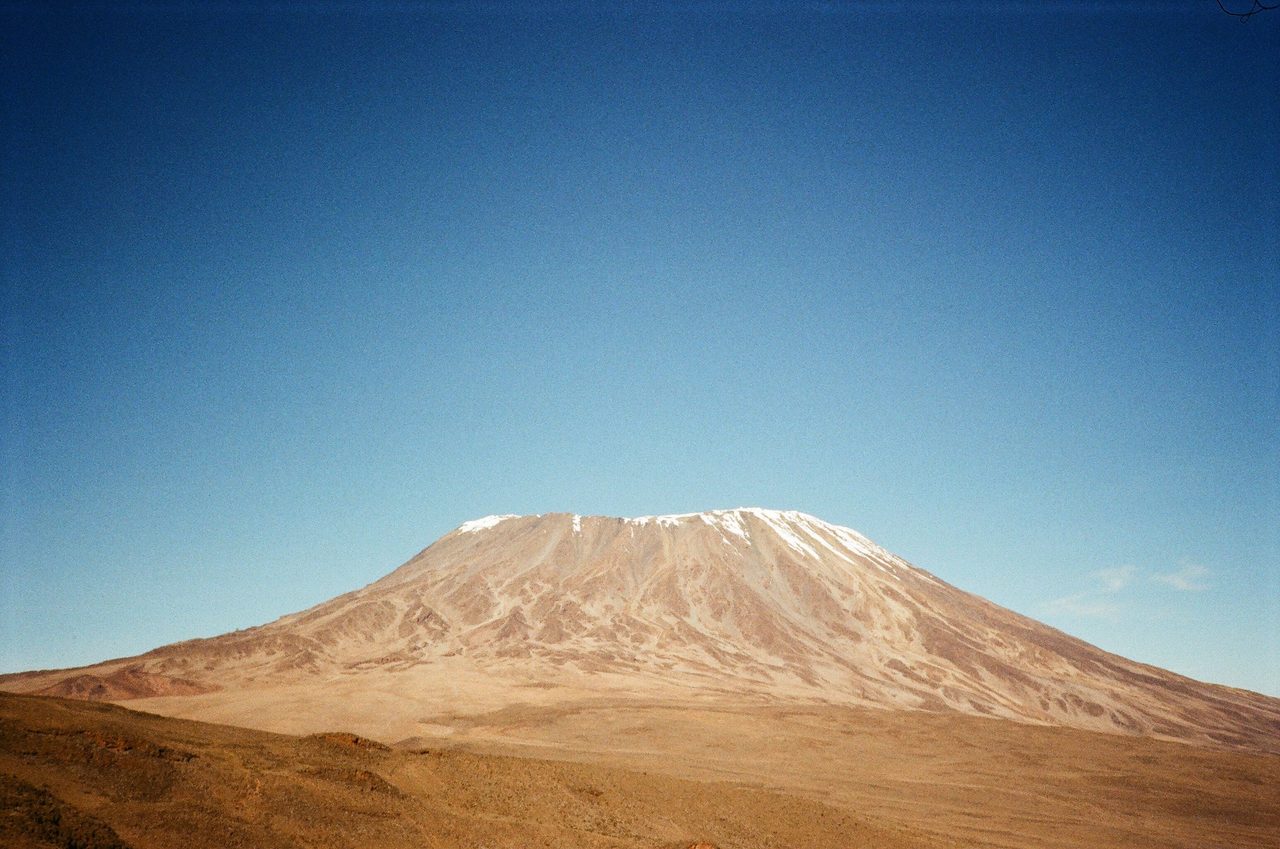
Kilimanjaro Region in northeastern Tanzania is home to Africa's highest peak, Mount Kilimanjaro, rising to 5,895 metres above sea level. The region encompasses lush rainforests, coffee and banana plantations, and the vibrant town of Moshi, making it a premier destination for trekkers and wildlife lovers alike. With a rich Chagga cultural heritage, stunning volcanic landscapes, and world-class safari access, Kilimanjaro Region offers one of Africa's most compelling travel experiences.
Kilimanjaro Region is dominated by the iconic snow-capped peak of Mount Kilimanjaro, Africa's highest mountain and the world's tallest free-standing volcano. The regional capital Moshi serves as the main gateway for trekkers, offering excellent accommodation, tour operators, and a lively market scene. Beyond the mountain, the region features rich Chagga cultural villages, coffee farm tours, crater lakes, hot springs, and close proximity to the Serengeti and Amboseli ecosystems.
The 26 destinations our editors recommend — from iconic landmarks to under-the-radar finds.
Mount Kilimanjaro National Park
Africa's highest peak at 5,895 metres, Mount Kilimanjaro is the world's largest free-standing volcanic mountain. Trekkers can choose from seven official routes including the popular Marangu and Machame trails, with summit success requiring 6-9 days. The park encompasses five distinct ecological zones from rainforest to arctic ice fields.
Materuni Waterfall
A magnificent 70-metre waterfall cascading into a crystal-clear pool, reached by a scenic hike through banana and coffee plantations. The trail passes through Materuni village where the Chagga people have farmed for centuries, and visitors can swim in the refreshing pool at the base. A traditional coffee ceremony at a local farm is often included in tours.
Kikuletwa Hot Springs (Chemka Hot Springs)
A magical oasis of natural freshwater hot springs surrounded by palm trees and lush vegetation, with crystal-clear turquoise water that is perfect for swimming. The springs are fed by underground water that is naturally warmed and emerge as pools deep enough to dive into. A rope swing adds to the fun, and the serene setting feels like a secret paradise.
Lake Chala (Chala Crater Lake)
A stunning emerald-green volcanic crater lake straddling the Tanzania-Kenya border, offering one of the region's most dramatic landscapes. At 90 metres deep, the lake is perfect for kayaking and has exceptional birdwatching with over 60 species recorded. The hike down from the crater rim offers spectacular views of Kilimanjaro on clear mornings.
Marangu Village & Waterfalls
The historic Chagga village of Marangu serves as the gateway for the famous Marangu route up Kilimanjaro, and is itself a destination worth exploring. The village features colonial-era coffee estates, lush valleys, and a beautiful waterfall, along with the historic Marangu Hotel which has operated since 1932. Cultural walks through the village reveal traditional Chagga homesteads and banana groves.
Chagga Living Museum (Mamba Cultural Centre)
An immersive cultural experience showcasing the history and traditions of the Chagga people, the predominant ethnic group of the Kilimanjaro region. The museum features traditional homesteads, weapons, farming tools, medicinal plants, and underground caves used by the Chagga for protection. Live demonstrations of traditional crafts, banana beer brewing, and tribal dances bring history to life.
Recommended itineraries
Pick a length, follow the route. Each itinerary balances headline sights with breathing room.
5-Day Kilimanjaro Explorer
Day 1Arrive in Kilimanjaro, explore city center
Day 2Visit top attractions and museums
Day 3Day trip to nearby highlights
Day 4Local markets and hidden gems
Day 5Final sightseeing, departure
7-Day Classic Kilimanjaro
Days 1-2Kilimanjaro city highlights
Days 3-4Regional exploration
Days 5-6Cultural immersion and local experiences
Day 7Return and departure
14-Day Ultimate Kilimanjaro
Days 1-3Kilimanjaro comprehensive city tour
Days 4-6Northern region exploration
Days 7-9Eastern highlights
Days 10-12Southern attractions
Days 13-14Return to Kilimanjaro, departure
Where to stay in Kilimanjaro
Three tiers, every traveller covered — from cost-conscious to flagship hotels.
Budget $40-60
Hostels, budget hotels, and guesthouses offer affordable stays without sacrificing experience.
Mid-range $120-200
Boutique hotels and well-located accommodations provide comfort and convenience at reasonable prices.
Luxury $350-600
World-class resorts and premium hotels deliver unforgettable experiences.
Kilimanjaro White House Hotel
Moshi Town · $$$
A premier luxury hotel in Moshi offering stunning rooftop views of Mount Kilimanjaro on clear mornings. The hotel features elegantly appointed rooms, an excellent restaurant serving Tanzanian and international cuisine, a rooftop bar, and conference facilities. A popular choice for trekkers and business travellers alike.
A charming boutique luxury hotel set at the foothills of Mount Kilimanjaro in Moshi, offering intimate and personalised service. The Maridadi features beautifully designed rooms with garden views, an outdoor pool surrounded by tropical gardens, and a renowned farm-to-table restaurant. Ideally located 45 minutes from Kilimanjaro International Airport.
A boutique eco-lodge situated right at the foot of Kilimanjaro's Machame route, offering spectacular views of the mountain from its open-air restaurant and garden. The hotel features 30 stylish rooms with African-inspired decor, a swimming pool, and a restaurant serving vegan, vegetarian, and international dishes. The peaceful setting in lush tropical gardens makes it an ideal pre- and post-trek retreat.
One of Moshi's most established luxury hotels, the Keys Hotel offers well-appointed rooms in a tranquil garden setting close to the town centre. The hotel features a large swimming pool, multiple dining options, a bar, and conference facilities. Long a favourite of international trekking groups and NGO workers, the Keys is known for reliable service and comfortable amenities.
Cafés, neighbourhood gems, and tasting menus worth the table reservation.
Kilimanjaro White House Restaurant
Tanzanian/International · $$$
The rooftop restaurant of the Kilimanjaro White House Hotel offers an exclusive dining experience with panoramic views of Mount Kilimanjaro on clear mornings. The menu features expertly prepared local Tanzanian dishes alongside international favourites, using fresh seasonal produce sourced from local Chagga farms.
Indoitaliano Restaurant
Indo-Italian Fusion · $$
A beloved institution in Moshi that has been serving creative Indo-Italian fusion cuisine for over 15 years, making it one of the town's most popular dining options. The eclectic menu features tandoori pizzas, pasta with East African spice influences, and excellent homemade desserts. A favourite haunt of expats, NGO workers, and well-travelled tourists.
El Rancho Restaurant
International/Tanzanian · $$
A long-established Moshi restaurant with a large covered outdoor terrace, garden seating, and a comprehensive menu of international and Tanzanian dishes. El Rancho is known for its generous portions, reliable quality, and popular bar scene in the evenings. A great choice for groups with diverse tastes.
The Maridadi Restaurant
Contemporary Tanzanian · $$$
The restaurant of The Maridadi Hotel offers farm-to-table dining featuring locally sourced ingredients from Chagga farms on Kilimanjaro's slopes. The menu changes seasonally and features artful presentations of traditional Tanzanian ingredients, complemented by a curated wine and cocktail list. Reservations recommended.
Aishi Restaurant
International/Vegetarian-friendly · $$
The open-air restaurant of Aishi Machame Hotel is set in a beautiful garden with views of Kilimanjaro and serves an extensive menu featuring vegan, vegetarian, gluten-free, and meat options. The diverse menu includes pasta, pizza, fresh salads, grilled fish, and local Tanzanian specialties, all prepared with care from fresh ingredients.
Umoja Restaurant
Tanzanian · $
A popular local restaurant in Moshi town centre serving authentic Tanzanian home cooking at very affordable prices. Umoja is where locals come for their ugali, beans, stewed meats, and fresh vegetable dishes. The portions are generous, the atmosphere is lively, and the prices are among the best in Moshi.
Kilimanjaro Region is served by Kilimanjaro International Airport (JRO) – one of Tanzania's two main international airports – located between Moshi and Arusha. Moshi town is the regional hub connected by an extensive network of buses, dala dalas (shared minibuses), and taxis. Road quality within the region varies from excellent tarmac on main routes to unpaved tracks in rural and mountain areas.
Dala Dala (Shared Minibus)
The primary local transport for short and medium distances within Kilimanjaro. Frequent departures between Moshi and surrounding towns/villages.
Cost: $0.30-1
Bus
Long-distance coaches connect Moshi to Dar es Salaam, Arusha, Nairobi, and other cities. Several companies operate comfortable modern coaches.
Cost: $5-20
Taxi
Private taxis available throughout Moshi. Negotiate the fare before departure as meters are rarely used.
Cost: $3-10 within Moshi
Boda Boda (Motorcycle Taxi)
Fast and cheap for short distances within Moshi. Helmets are sometimes available – ask.
Cost: $0.50-2
Shared Taxi (Bajaj/Tuk-tuk)
Three-wheeled auto-rickshaws available in Moshi town for short hops.
Cost: $0.50-1.50
Private Car Hire
4x4 vehicles with drivers available for hire through hotels and tour operators, ideal for day trips and safari transfers.
Cost: $80-150/day including driver
Shuttle Bus
Regular tourist shuttle services connect Moshi to Arusha, Nairobi, and Dar es Salaam, operated by companies like Impala Shuttle and Riverside Shuttle.
Cost: $15-25 Moshi to Arusha
Budget breakdown
Daily spend by tier in USD, broken out by category.
Category
Budget
Mid-range
Luxury
Accommodation
$15-30
$60-100
$180-350
Food (per day)
$8-12
$25-40
$60-100
Transportation
$3-5
$15-25
$50-80
Activities
$10-20
$30-50
$80-150
Daily total
$40-60
$120-200
$350-600
Best time to visit Kilimanjaro
Weather through the year in Kilimanjaro
Best timeShoulderWorth avoiding
Average daytime temperature in °C. Figures are for Kilimanjaro.
Essential travel tips
Book Kilimanjaro permits and guides well in advance, especially for July-September
Allow at least 7-8 days for a Kilimanjaro summit attempt
Carry local currency (TZS) as many smaller vendors don't accept cards
Hire licensed guides registered with KINAPA for all mountain treks
Hidden gems
Off-the-beaten-path corners most travellers miss.
Hotel rooftops along Old Moshi Road for north-facing Kilimanjaro views
Marangu village hilltop for undeveloped mountain perspective
Mama Lishe near Central Market for best-value authentic lunch
Baraka Breakfast at 5:30AM for authentic pre-dawn market worker breakfast
Ng'uni Springs forest walk
very few tourists
Skip: Tourist-priced coffee at hotel shops. Do: Buy direct from Materuni farm or Kahawa House
Skip: Expensive airport exchange desk. Do: Exchange at NMB Bank in Moshi town centre
Skip: Overpriced Moshi airport taxi touts. Do: Pre-book hotel transfer at fixed price
Kilimanjaro White House rooftop (Moshi)
Lake Chala crater rim (50km, Kilimanjaro reflection)
Machame Village elevated roads looking west
Springlands Hotel garden looking north to mountain
Safety information
INFO
Use only licensed, KINAPA-registered tour operators for Kilimanjaro trekking – avoid unlicensed 'budget' operators who may cut safety corners
INFO
Acclimatize properly during any Kilimanjaro trek – altitude sickness (AMS) is the primary risk and can be life-threatening if ignored
INFO
Descend immediately if experiencing severe headache, vomiting, loss of coordination or confusion – these are symptoms of HACE or HAPE which are medical emergencies
INFO
Carry a personal first aid kit including Diamox (acetazolamide) if prescribed, bandages, antiseptic, and blister treatment for treks
INFO
Do not walk alone in Moshi town centre after dark – use taxis even for short distances at night
INFO
Watch for petty theft (bag snatching, pickpocketing) in crowded areas like the central market and bus stands – keep valuables concealed
INFO
Only use official taxis (ask your hotel to recommend) or Bolt app – avoid unlicensed taxis especially at the airport and bus stand
INFO
Drink only bottled or purified water throughout Kilimanjaro Region – tap water is not reliably safe
INFO
Take malaria prophylaxis medication as recommended by your doctor before travel – malaria risk is present in lower altitude areas of the region
INFO
Carry comprehensive travel insurance that includes altitude trekking coverage and emergency evacuation to altitude of at least 6,000 metres
INFO
Do not display expensive cameras, jewellery, or smartphones openly on the street – use them discreetly and store securely
INFO
Register with your country's embassy or consulate upon arrival for major treks or extended stays
INFO
Be cautious on Moshi's roads – traffic accidents are a real risk due to poor road conditions, mixed traffic, and erratic driving
INFO
Sunscreen and UV-protective clothing are essential above the treeline on Kilimanjaro – UV radiation increases significantly with altitude
INFO
Wildlife encounters are possible on the mountain – do not approach or feed animals and keep a safe distance from buffalo, elephant, and Colobus monkeys
Frequently asked questions
Is Kilimanjaro safe to visit in 2026?
Kilimanjaro Region is generally considered one of Tanzania's safer areas for tourists, and Moshi town is a friendly, relatively low-crime city. The primary risks to visitors are altitude sickness during Kilimanjaro treks, road accidents, petty theft in crowded public spaces, and health hazards including malaria and waterborne illness. Emergency services: police at 112 or 110, medical at 114 (ambulance) or go directly to KCMC: +255 27 275 4377.
What is the best time to visit Kilimanjaro?
The best time to visit Kilimanjaro is January-March and June-October. Kilimanjaro Region has a complex climate shaped by the dramatic altitude range from 700 metres at Moshi to 5,895 metres at Uhuru Peak. Moshi town enjoys a warm tropical climate with two wet seasons, w
Do I need a visa to visit Kilimanjaro?
Entry requirements follow Tanzania rules. Most visitors require a visa, available as an e-visa online or on arrival at Kilimanjaro International Airport. East African Tourist Visa covers Tanzania, Kenya and Uganda. Requirements vary by nationality, so check with your nearest embassy or the official immigration website before traveling.
What currency is used in Kilimanjaro?
The currency in Kilimanjaro is the Tanzanian Shilling (TZS). ATMs are widely available in cities and tourist areas. Credit cards are accepted at most hotels and restaurants, but carry cash for markets and smaller establishments.
What language is spoken in Kilimanjaro?
The main language(s) spoken in Kilimanjaro: Swahili, Chagga, English. In tourist areas, English is generally understood. Learning a few basic phrases in the local language is appreciated by locals.
What are the top attractions in Kilimanjaro?
The top attractions in Kilimanjaro include Mount Kilimanjaro National Park, Materuni Waterfall, Kikuletwa Hot Springs (Chemka Hot Springs), Lake Chala (Chala Crater Lake), and Marangu Village & Waterfalls. Each offers a unique experience, from historic landmarks to natural wonders.