Baja California · 24 Places · Best March-June and September-November
Baja California
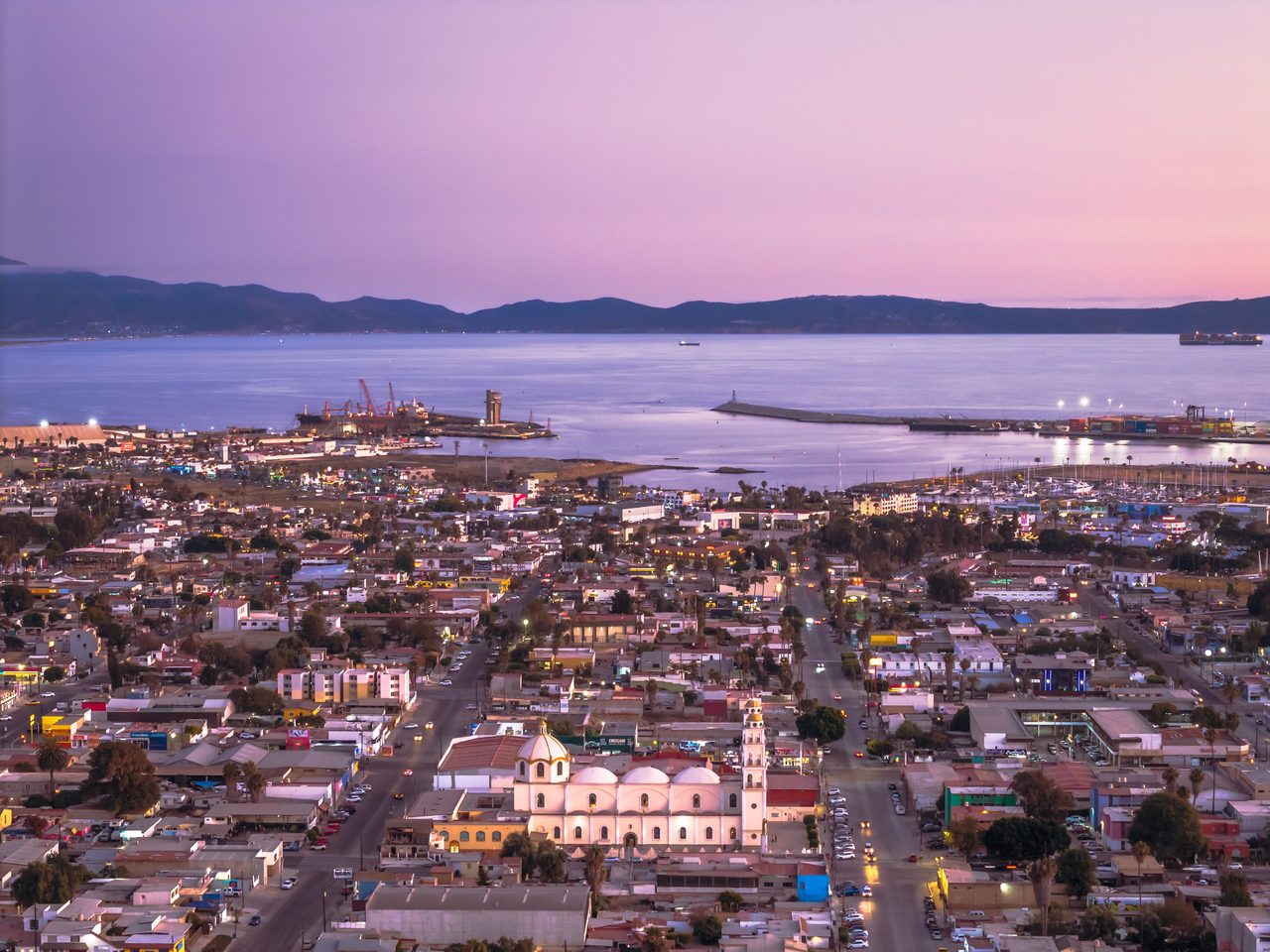
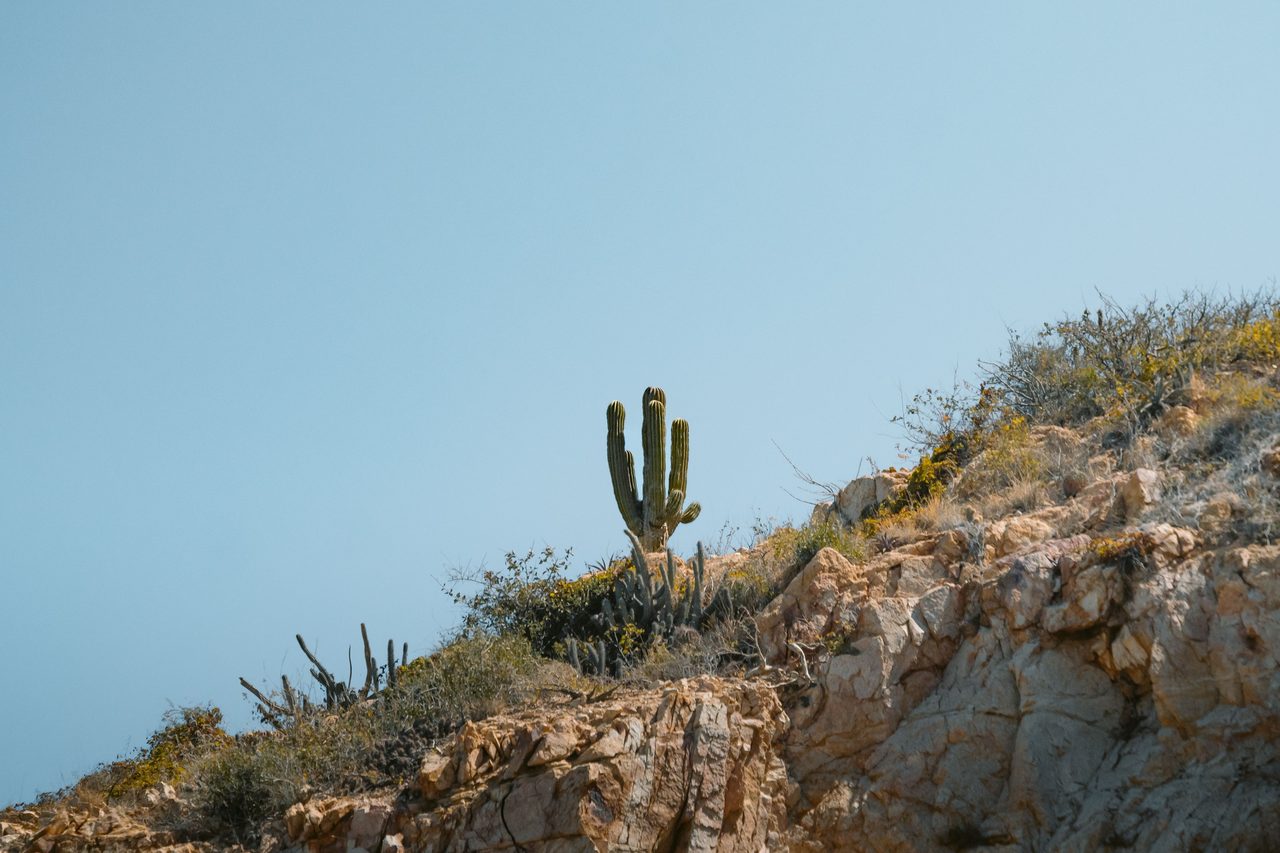
Baja California is Mexico's northwesternmost state, a 1,300 km-long borderland running from the busiest land border crossing on earth at Tijuana down the Pacific coast to the cactus deserts of the Valle de los Cirios. It packs a world-class wine valley, Baja Med cuisine, Pacific surf beaches, a 3,000 m granite sierra and the warm Sea of Cortez into a single drive-friendly state.
Baja California, often called Baja Norte to distinguish it from Baja California Sur, stretches from the US border at Tijuana to the 28th parallel at the Guerrero Negro state line. Roughly 90 percent of its people live in the border corridor of Tijuana, Mexicali, Ensenada, Tecate and Rosarito, while the rest of the state is empty desert, sierra and coastline. Tijuana has grown from a border-town cliche into one of Latin America's most interesting food and craft-beer cities, the birthplace of Baja Med cooking and of the Caesar salad. Forty minutes east of Ensenada, the Valle de Guadalupe produces around three quarters of Mexico's wine among more than 150 wineries and a cluster of open-air restaurants that draw diners from San Diego and Los Angeles. The Pacific coast delivers cold-water surf at Rosarito, San Miguel and the offshore reef island known as Killers. Inland, the Sierra de San Pedro Martir rises to Picacho del Diablo at 3,096 m and hosts Mexico's national astronomical observatory under some of the darkest skies in North America. On the Gulf side, San Felipe and Bahia de los Angeles offer warm swimming water, extreme tides and whale-shark encounters. Nearly everything is reachable on a self-drive loop from the border, and prices sit at roughly half of comparable coastal California.
Capital
Mexicali
Largest city
Tijuana
Population
~3.8 million
Languages
Spanish, English (widely understood in Tijuana, Rosarito and Ensenada)
The 24 destinations our editors recommend — from iconic landmarks to under-the-radar finds.
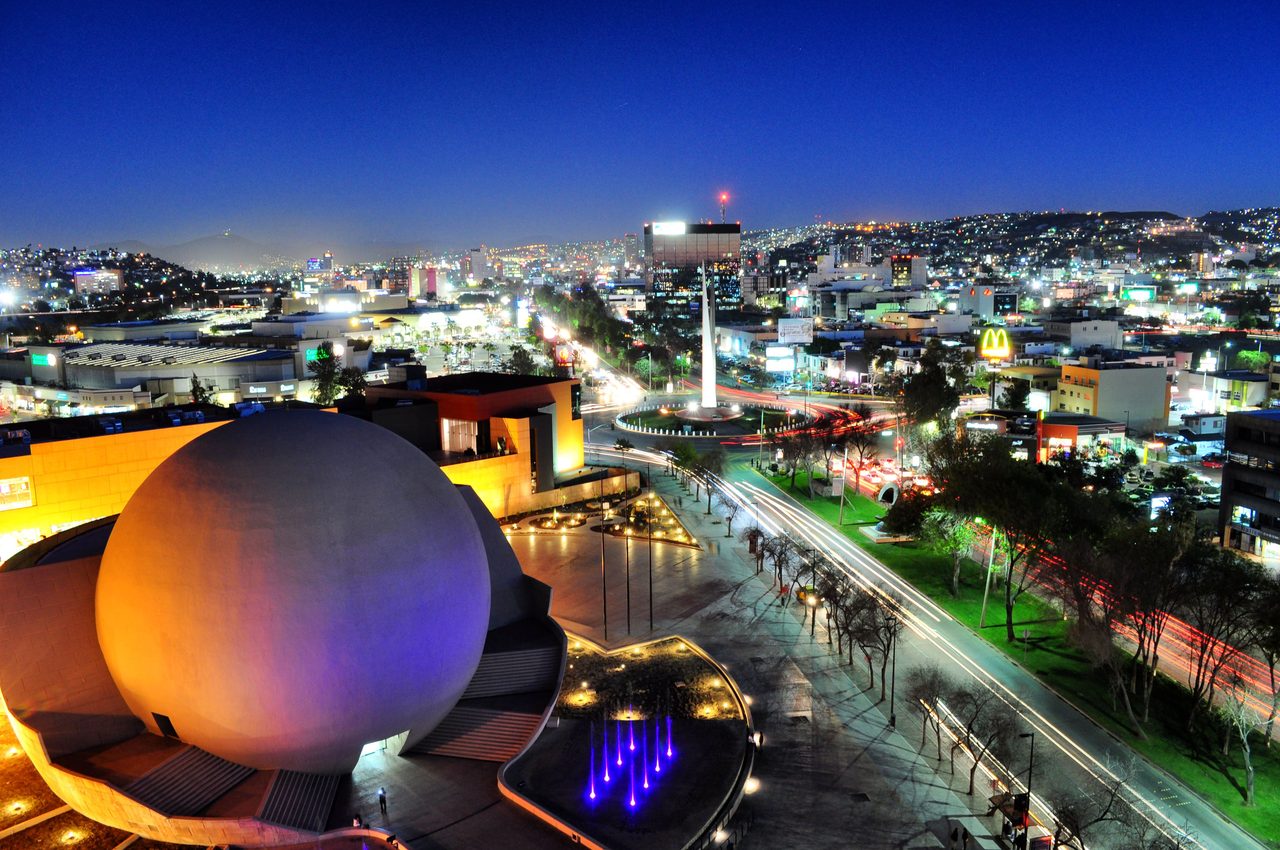
Centro Cultural Tijuana (CECUT)
Tijuana's flagship cultural complex, instantly recognisable by the sand-coloured IMAX sphere locals call La Bola. Inside are the Museo de las Californias, a garden of Mesoamerican replicas, contemporary galleries in El Cubo and a concert hall.
Avenida Revolucion
Tijuana's historic tourist strip, running eight blocks under the steel Millennial Arch past craft arcades, mezcalerias, rooftop bars and the dining room where the Caesar salad was invented. The street has shifted from souvenir kitsch toward craft beer, art spaces and chef-run kitchens.
Mercado Hidalgo
Tijuana's central produce market, a horseshoe of stalls stacked with dried chillies, Baja olive oil, candied fruit, mole pastes and pinatas. It is the cheapest place in the city to buy regional food products and the best single stop for edible souvenirs.
Parque de la Amistad and the Playas border wall murals
The point where the international border runs into the Pacific, marked by a rusting steel fence painted with murals, memorials and the names of deported people. The adjoining Playas boardwalk has seafood stands, a lighthouse and a wide grey-sand beach.
Telefonica Gastro Park
The open-air food-truck park on Boulevard Agua Caliente that launched Tijuana's modern street-food scene, with a dozen kitchens serving octopus tostadas, birria ramen and wood-fired pizza around communal tables. An on-site brewery pours more than 30 taps of Baja craft beer.
La Bufadora
A sea cave on the Punta Banda peninsula that compresses incoming swell and fires a plume of seawater up to 30 m into the air, roughly every minute. A gauntlet of craft stalls, churro stands and clam carts leads down to the viewing platform.
Recommended itineraries
Pick a length, follow the route. Each itinerary balances headline sights with breathing room.
5-Day Baja California Explorer
Day 1Arrive in Baja California, explore city center
Day 2Visit top attractions and museums
Day 3Day trip to nearby highlights
Day 4Local markets and hidden gems
Day 5Final sightseeing, departure
7-Day Classic Baja California
Days 1-2Baja California city highlights
Days 3-4Regional exploration
Days 5-6Cultural immersion and local experiences
Day 7Return and departure
14-Day Ultimate Baja California
Days 1-3Baja California comprehensive city tour
Days 4-6Northern region exploration
Days 7-9Eastern highlights
Days 10-12Southern attractions
Days 13-14Return to Baja California, departure
Where to stay in Baja California
Three tiers, every traveller covered — from cost-conscious to flagship hotels.
Budget MXN 850 (approx USD 50)
Hostels, budget hotels, and guesthouses offer affordable stays without sacrificing experience.
Mid-range MXN 2,550 (approx USD 150)
Boutique hotels and well-located accommodations provide comfort and convenience at reasonable prices.
Luxury MXN 7,500+ (approx USD 440+)
World-class resorts and premium hotels deliver unforgettable experiences.
Encuentro Guadalupe
Valle de Guadalupe · $$$$
Twenty steel-and-glass EcoLoft cabins bolted to a granite hillside above the vineyards, each with a private terrace, fire pit and valley view. The property includes an infinity pool, a restaurant and its own winery.
Eight rooms in a rammed-earth and burnt-timber house built around an oak tree on the Bruma estate, with the winery and the Fauna restaurant a short walk away. Rates include breakfast and a vineyard walk.
A hacienda-style guesthouse with six rooms named after archangels, set among its own vineyards and Azteca horse stables. Rates include breakfast and an evening glass of the estate's Kerubiel or Gabriel blends.
Wooden cabins and canvas tents on a 250-hectare coastal ranch north of Ensenada, sharing the estate with the clifftop Bar Bura sunset bar and a small winery. The Pacific is 200 m below the ridge.
Cafés, neighbourhood gems, and tasting menus worth the table reservation.
Caesar's
Mexican-Italian · $$
The restored 1920s dining room on Avenida Revolucion where Cesare Cardini created the Caesar salad in 1924, still serving it from a trolley beside the table.
Mision 19
Baja Med · $$$$
Javier Plascencia's flagship on the second floor of a glass tower in Zona Rio, the restaurant most identified with the birth of Baja Med cooking.
La Justina
Contemporary Mexican · $$
A loud, popular kitchen off Avenida Revolucion serving sharing plates built on Baja ingredients alongside a long list of state-brewed beer.
Villa Saverios
Baja Med and Italian · $$$
A long-running Zona Rio restaurant set in a converted house with a garden terrace, mixing Italian technique with Baja seafood and the state's wines.
Erizo Baja Fish House
Baja seafood · $$$
A bright seafood house in Zona Rio working exclusively with Pacific and Sea of Cortez catch, from urchin and clams to whole fish over coals.
Telefonica Gastro Park
Mixed street food · $$
The open-air truck park that reset Tijuana street food, with communal tables, more than 30 craft taps and kitchens run by some of the city's best young cooks.
Baja California is a long, thin state, and transport decisions follow from that. For a trip confined to Tijuana, a rental car is a liability: parking is difficult and rideshare is cheap. For anything involving the Valle de Guadalupe, the sierra or the Gulf coast, a car is close to essential, with ABC buses as the fallback between the main towns. Everything hinges on the border: crossing south is quick, crossing north can take hours.
Budget breakdown
Daily spend by tier in MXN, broken out by category.
Category
Budget
Mid-range
Luxury
Accommodation
MXN 420 (approx USD 25)
MXN 1,400 (approx USD 82)
MXN 4,500 (approx USD 265)
Food (per day)
MXN 250 (approx USD 15)
MXN 650 (approx USD 38)
MXN 1,800 (approx USD 106)
Transportation
MXN 120 (approx USD 7)
MXN 300 (approx USD 18)
MXN 700 (approx USD 41)
Activities
MXN 60 (approx USD 3.50)
MXN 200 (approx USD 12)
MXN 500 (approx USD 29)
Daily total
MXN 850 (approx USD 50)
MXN 2,550 (approx USD 150)
MXN 7,500+ (approx USD 440+)
Best time to visit Baja California
Weather through the year in Baja California
Best timeShoulderWorth avoiding
Average daytime temperature in °C. Figures are for Baja California.
September and October give the best combination of warm sea, harvest activity and clear skies. Winter is best for the desert and for whale watching, but brings the coast's rain.
Essential travel tips
Pesos go further than dollars everywhere except right at the border; withdraw from a bank ATM (BBVA, Santander, Banorte) and decline the machine's own currency conversion.
Fill the tank whenever it drops below half south of Ensenada; between El Rosario and the state line, fuel stations can be 100 km or more apart.
The state runs on California time, so US public holidays and San Diego weekends drive local crowds and hotel prices.
Carry a passport at all times; military and immigration checkpoints operate on Highway 1 near San Quintin and at the 28th parallel.
Hidden gems
Off-the-beaten-path corners most travellers miss.
Popotla fishing camp
Boats land the catch on the sand and shacks grill it metres from the surf
Popotla, Rosarito
Museo Comunitario Ruso
The Molokan settlers who planted the valley's first vines, in a one-room adobe museum
Francisco Zarco
Punta Banda tide pools
Anemones, urchins and octopus below the La Bufadora road at low tide
Punta Banda
El Vallecito rock art
Kumiai painted shelters including the solstice-lit El Diablito
La Rumorosa
Mision Santo Tomas ruins
Adobe walls and mission olive trees where Mexican wine began
Santo Tomas
Canon de Guadalupe
Private hot-spring tubs in a palm canyon at the end of 35 km of dirt
Sierra de Juarez
Safety information
INFO
Use the 1D toll road between Tijuana and Ensenada; it is patrolled, better maintained and the standard route.
INFO
Do not drive between towns after dark, particularly south of Ensenada, where unlit vehicles and livestock are common.
INFO
Withdraw cash from ATMs inside bank branches or shopping centres during the day, never from street machines at night.
INFO
Keep to busy areas after dark: Zona Rio and Playas in Tijuana, the Ensenada malecon, Rosarito's main boulevard. Zona Norte in Tijuana should be avoided at night.
INFO
Never leave bags, cameras or dive gear visible in a parked car, especially at trailheads and beach car parks.
INFO
Carry Mexican liability insurance for any private vehicle; driving uninsured after a collision can mean being held until liability is settled.
INFO
Do not drink and drive. Alcoholimetro checkpoints are common in Ensenada and Tijuana at weekends and penalties include detention.
INFO
Tell someone the route before driving to the sierra, Bahia de los Angeles or Canon de Guadalupe, where mobile coverage disappears for hours at a time.
Frequently asked questions
Do I need a visa to visit Baja California?
Most visitors, including citizens of the US, Canada, the UK, the EU and Australia, need no visa for tourism. Everyone needs an FMM tourist permit, which is free for stays of seven days or less inside the Baja California Free Zone and costs about MXN 861 (approx USD 51) for longer stays. Have it stamped at the INM module at the border crossing or airport even when it is free.
Is it safe to drive from San Diego to Ensenada?
Yes, and it is the standard way visitors reach the wine country. Cross at San Ysidro or Otay Mesa, buy Mexican liability insurance in advance, take the 1D toll road (about MXN 120 / approx USD 7 in tolls) and drive in daylight. The corridor is heavily travelled, patrolled and signposted in both languages.
Can I use US dollars in Baja California?
Dollars are accepted in Tijuana, Rosarito, Ensenada and the wine valley, but the shop's exchange rate is usually poor. Paying in pesos typically saves 5-10 percent. Cards work in hotels, wineries and mid-range restaurants; taco stands, beach parking and rural fuel stations are cash only.
What is the best time of year to visit the Valle de Guadalupe?
September and October, when the harvest is in and daytime temperatures sit around 28°C (82°F), or April to June for green hills and lighter crowds. August brings the Fiestas de la Vendimia harvest festival, the busiest and most expensive fortnight of the year, with rooms often booked out months ahead.