
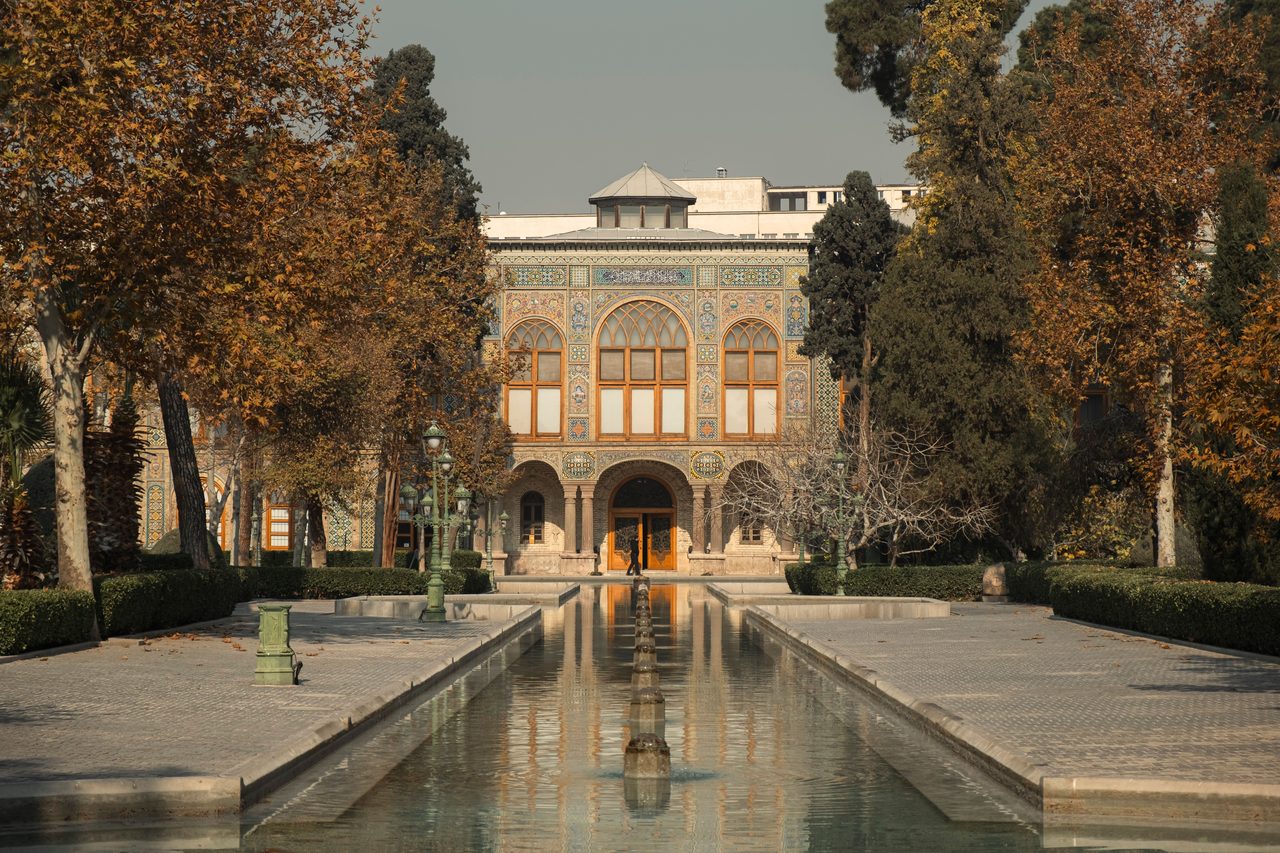
Golestan Palace
UNESCO-listed Qajar-era royal complex with ornate mirror halls and tiled facades in the heart of old Tehran.
Western Asia · 18 Places · Best March
Tehran, Iran's sprawling capital at the foot of the Alborz Mountains, pairs Qajar-era palaces and a vast historic bazaar with modern towers, mountain gondolas, and a genuine after-dark cafe culture built around teahouses rather than bars.
Tehran is both the capital and largest city of Iran, a city of roughly 9.5 million people (over 15 million across the wider metropolitan area) rising from around 1,200 meters at the foot of the Alborz range. The city layers Qajar-dynasty royal architecture -- Golestan Palace, the Tehran Grand Bazaar -- against Pahlavi-era modernization (Azadi Tower, Sa'dabad and Niavaran palace complexes) and the civic identity built since the 1979 Islamic Revolution. Northern, higher-elevation neighborhoods such as Tajrish, Darband and Velenjak give direct access to Alborz hiking trails and the Tochal cable car, while the historic core around the Grand Bazaar and Golestan Palace anchors the south. Alcohol is illegal nationwide, so Tehran's evening life runs on teahouses, shisha lounges and rooftop restaurants rather than bars or clubs. As of September 2026, both the US State Department and the UK FCDO advise against travel to Iran, a serious and current consideration for anyone planning a visit.
Jump straight to the experience you're planning.
The 18 destinations our editors recommend — from iconic landmarks to under-the-radar finds.
UNESCO-listed Qajar-era royal complex with ornate mirror halls and tiled facades in the heart of old Tehran.
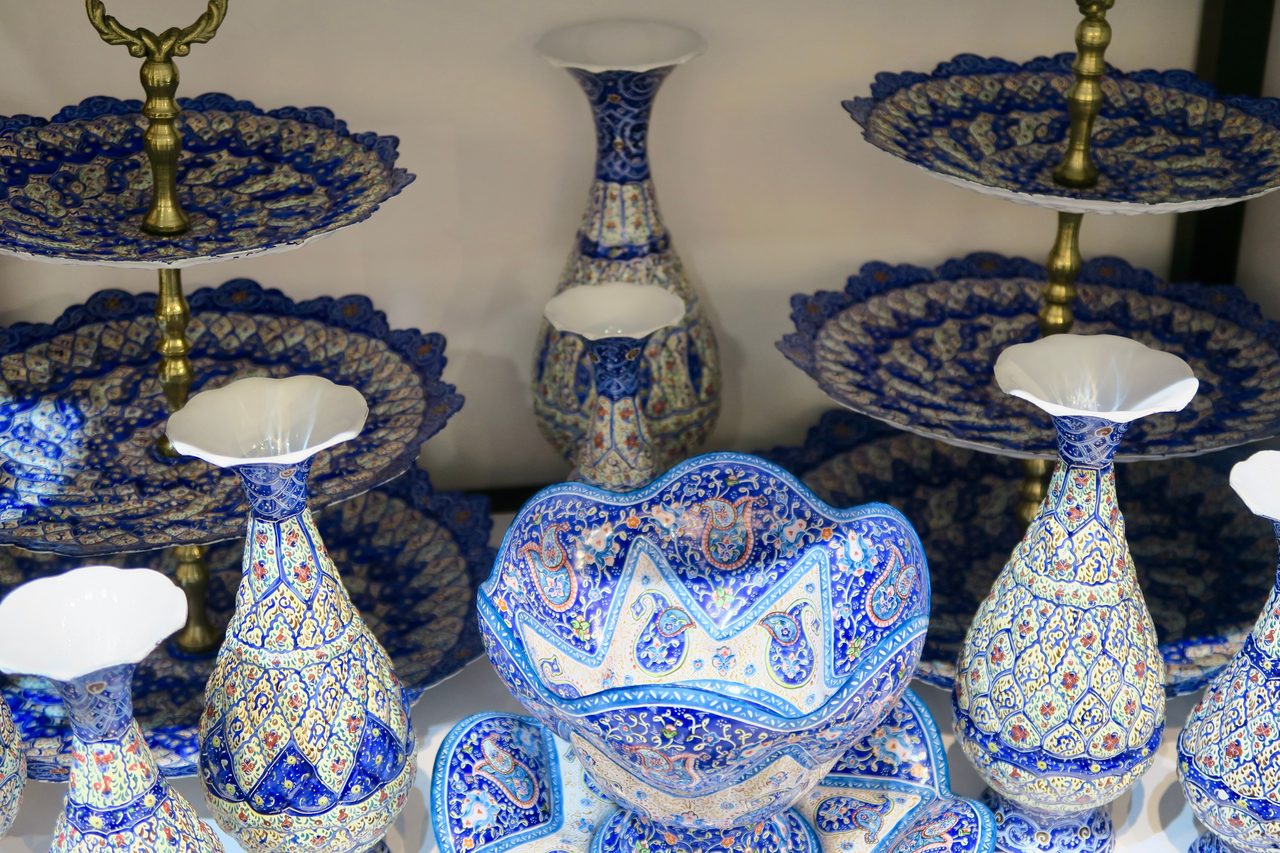
One of the oldest and largest covered marketplaces in the Middle East, spanning more than a square kilometer.
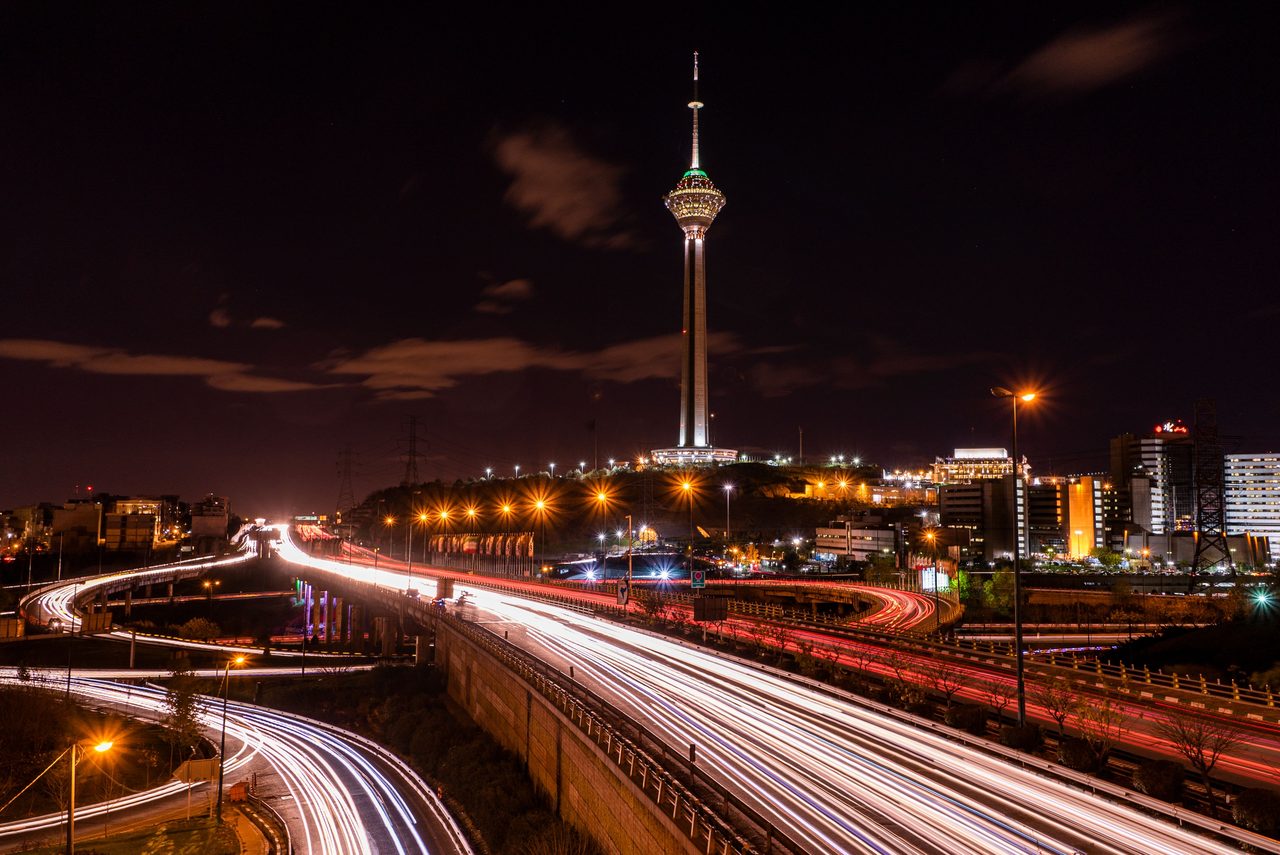
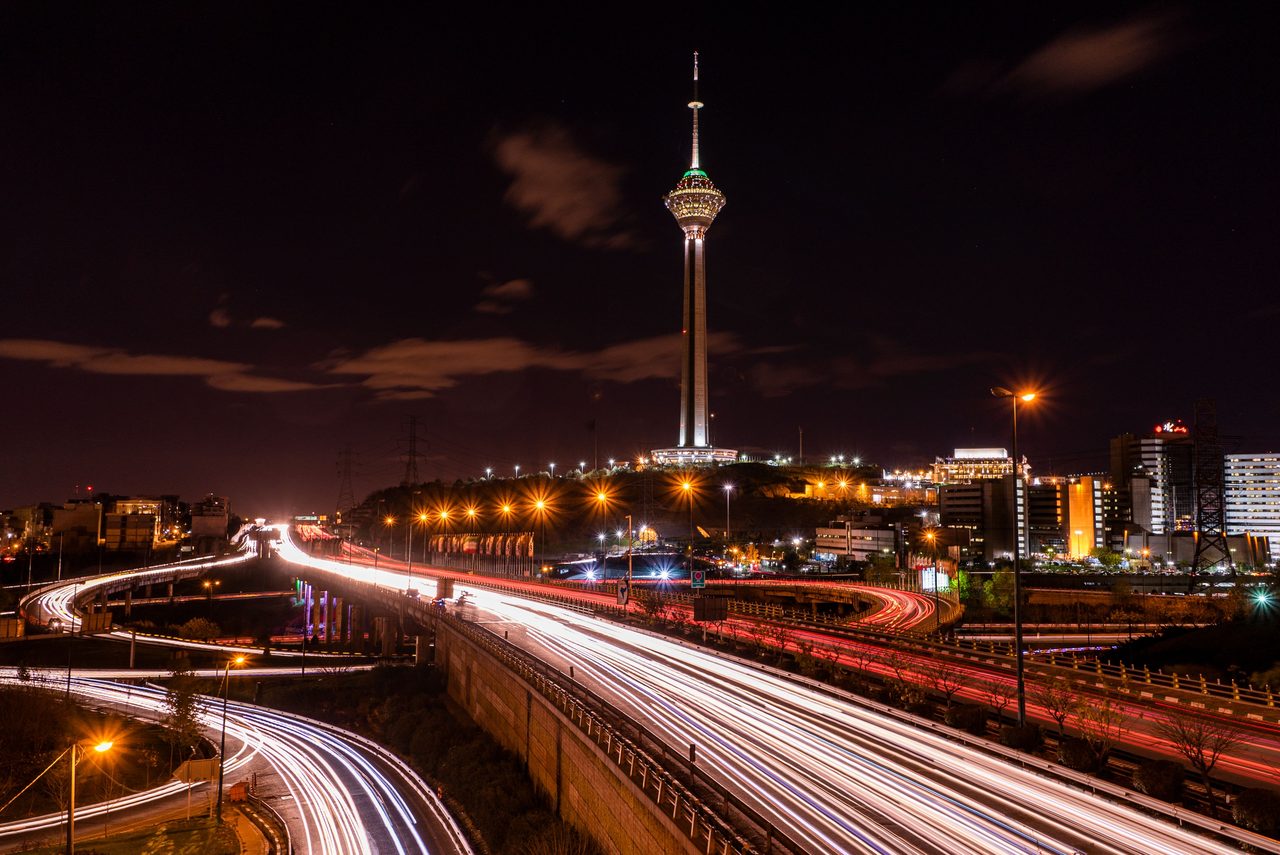
One of the world's tallest telecommunication towers, with an observation deck over the whole city.
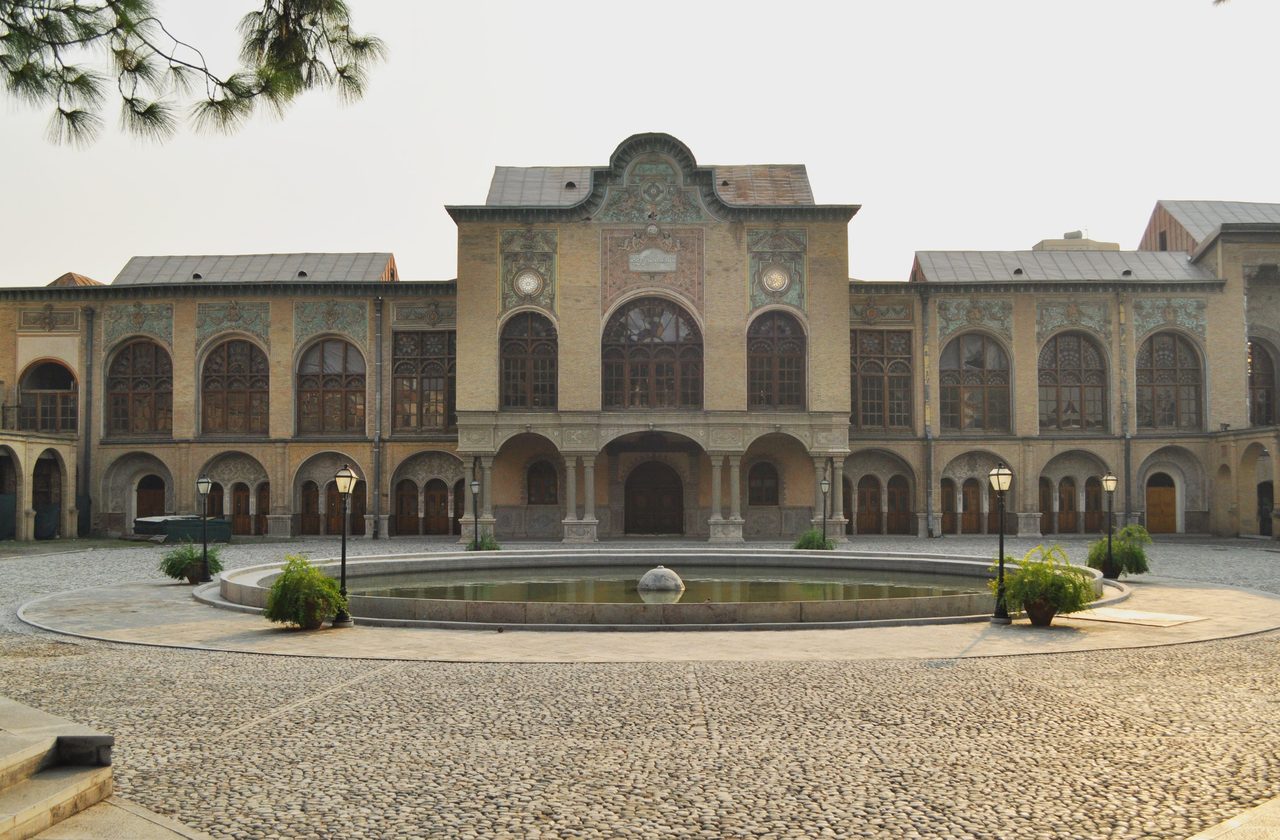
Iran's premier archaeology and history museum, covering the Persian Empire through the Islamic era.
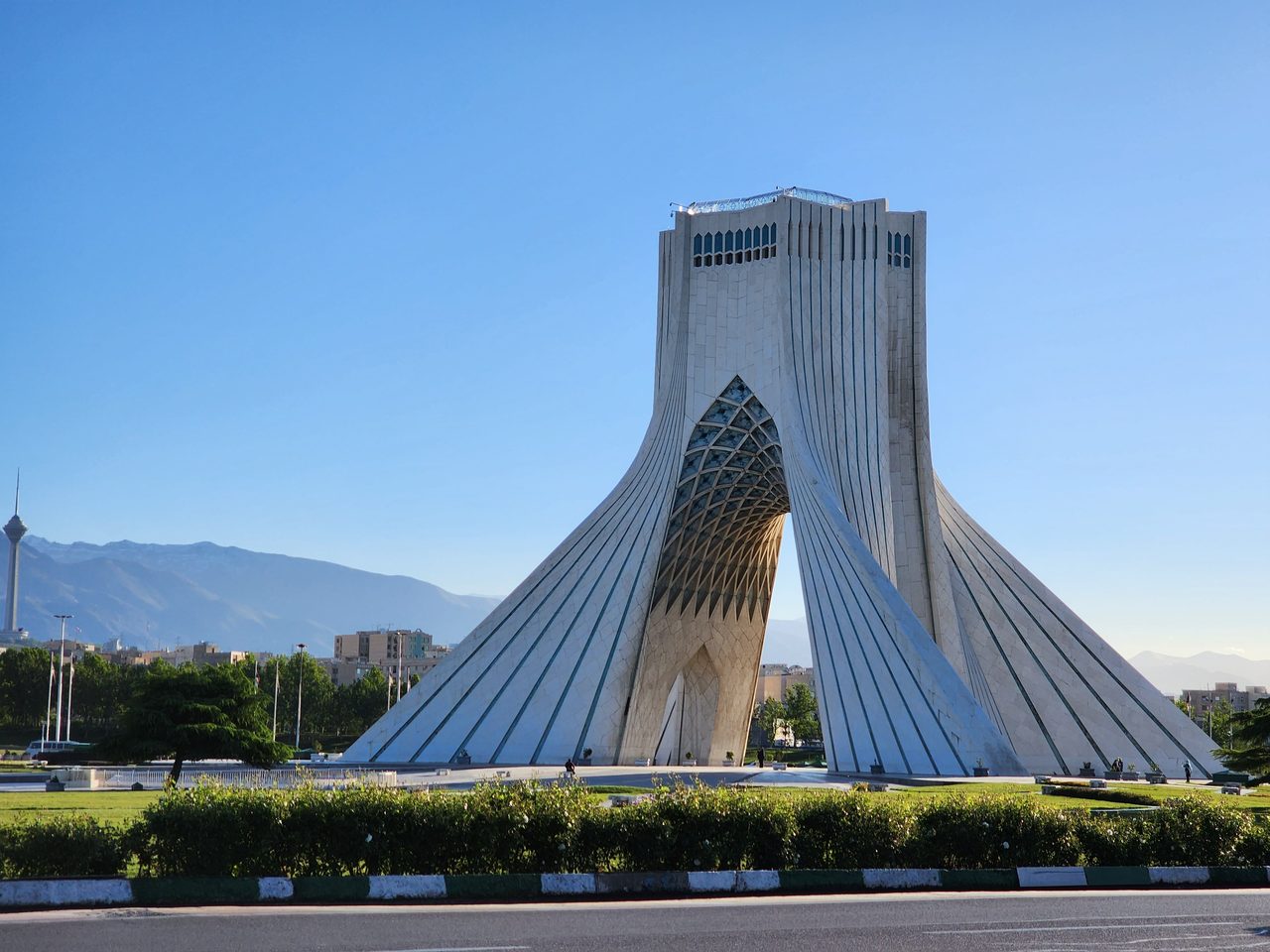
Tehran's white marble Freedom Monument and unofficial symbol of the city, built to mark the Persian Empire's 2,500th anniversary.
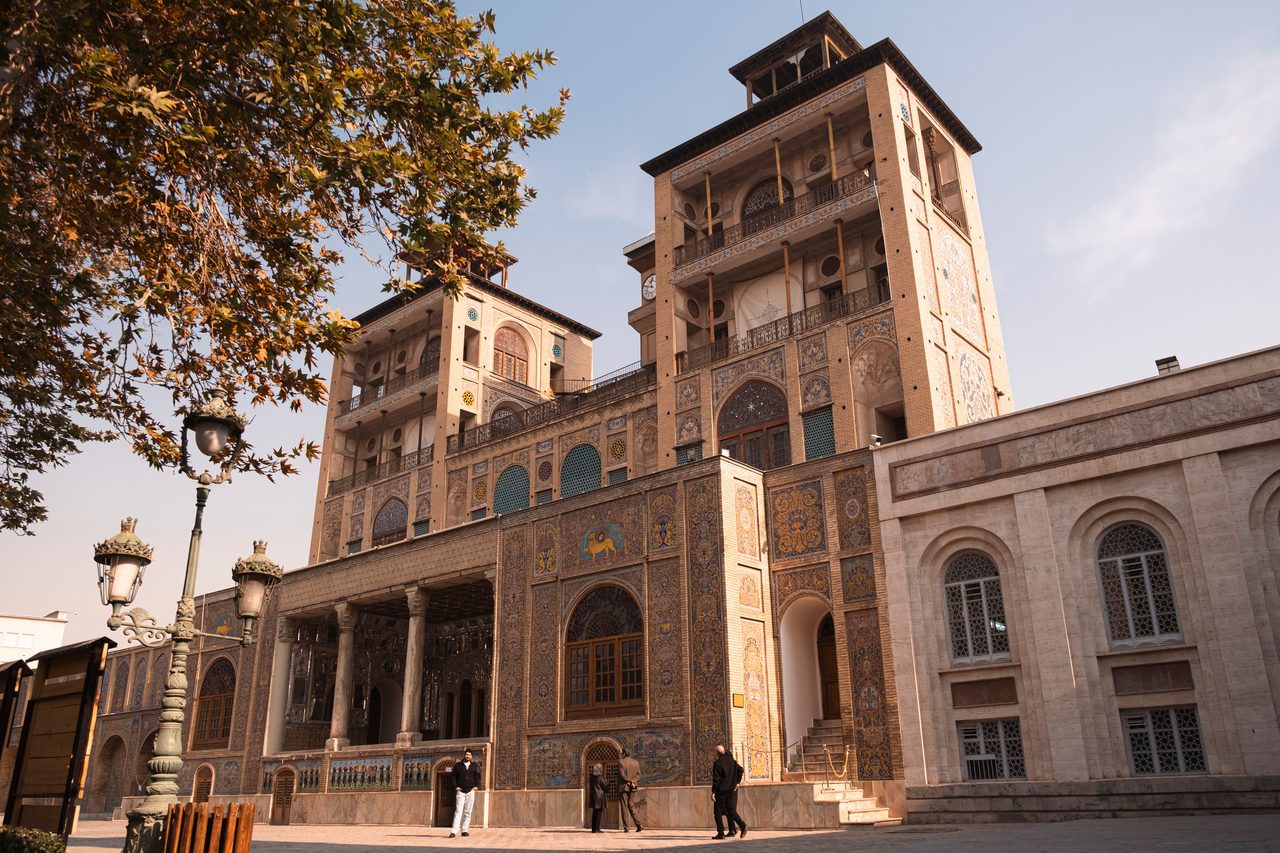
Former royal residence of the Pahlavi dynasty spread across an 80-hectare wooded estate with 18 separate museums.
Pick a length, follow the route. Each itinerary balances headline sights with breathing room.
Three tiers, every traveller covered — from cost-conscious to flagship hotels.
Hostels, budget hotels, and guesthouses offer affordable stays without sacrificing experience.
Boutique hotels and well-located accommodations provide comfort and convenience at reasonable prices.
World-class resorts and premium hotels deliver unforgettable experiences.
Five-star tower hotel in the northern Saadat Abad district, part of the Espinas Hotel Group, with panoramic city and mountain views, multiple restaurants, and a large conference and banquet complex.
Check rates on Booking.comFive-star hotel on Keshavarz Boulevard near Valiasr Square, formerly known as Espinas Persian Gulf Hotel, in a central location convenient for both business and sightseeing in midtown Tehran.
Check rates on Booking.comOpened in 1962 as the Royal Tehran Hilton, this five-star hillside hotel at the corner of Chamran Highway and Vali-e-Asr Avenue was later renamed Esteghlal and is now operated by the state-owned Parsian Hotels group. It is one of Tehran's largest and most historic international hotels.
Check rates on Booking.comOne of Tehran's largest and tallest hotels, positioned on a hilltop in the Evin district overlooking the city, close to Chamran Highway. Operated by the state-owned Parsian Hotels chain.
Check rates on Booking.comCafés, neighbourhood gems, and tasting menus worth the table reservation.
Transportation options in Tehran include local buses, taxis, and rental cars. Check local conditions before planning your travel.
Daily spend by tier in IRR (Iranian Rial), commonly quoted in Toman (1 Toman = 10 Rial); USD figures below are approximate conversions at the September 2026 free-market rate of roughly 2,300,000 IRR (230,000 Toman) per US dollar, which fluctuates significantly and differs from Iran's official government exchange rate, broken out by category.
| Category | Budget | Mid-range | Luxury |
|---|---|---|---|
| Accommodation | 1,200,000-3,000,000 Toman (~$5-13), dormitory beds and budget guesthouses near Amir Kabir Street and Baharestan | 6,500,000-14,500,000 Toman (~$28-63), mid-range hotels such as Howeyzeh, Ferdowsi Grand, or Tehran Grand Hotel | 14,000,000-32,000,000 Toman (~$61-139), five-star hotels such as Espinas Palace, Parsian Esteghlal, or Parsian Azadi |
| Food (per day) | 400,000-800,000 Toman (~$1.70-3.50), traditional bakeries, kebab stalls, and self-service local restaurants | 1,000,000-2,000,000 Toman (~$4.30-8.70), casual and mid-range restaurants | 2,000,000-4,000,000 Toman (~$8.70-17), fine dining restaurants such as Divan or Hestooran |
| Transportation | 100,000-300,000 Toman (~$0.40-1.30), Tehran Metro and shared taxis | 500,000-1,000,000 Toman (~$2.20-4.30), Snapp ride-hailing app and metered taxis | 1,500,000-3,000,000 Toman (~$6.50-13), private drivers arranged through hotel concierge desks |
| Activities | 200,000-500,000 Toman (~$0.90-2.20), museum and palace admission fees, free parks and viewpoints | 800,000-1,500,000 Toman (~$3.50-6.50), guided tours, paid attractions, and museum passes | 2,000,000-4,000,000 Toman (~$8.70-17), private guided tours, hotel spa treatments, Tochal gondola and mountain resort visits |
| Daily total | approximately 2,200,000-4,600,000 Toman (~$10-20) | approximately 9,300,000-17,500,000 Toman (~$40-76) | approximately 23,500,000-41,000,000 Toman (~$102-178) |
Best time Shoulder Worth avoiding
Average daytime temperature in °C. Figures are for Tehran.
March to May (spring) and September to November (fall)
Both the US State Department and the UK FCDO maintain their most severe travel warnings for Iran; independent travel by US and UK nationals carries serious risk and is advised against
Dual nationals (Iranian-American, Iranian-British, and other Iranian dual citizens) face a documented, elevated risk of arbitrary arrest and detention on charges such as espionage — Iran does not recognize dual nationality and treats dual nationals solely as Iranian citizens
Carry a printed copy of the visa and passport photo page separately from the passport itself, and keep the accommodation address written in Farsi to show taxi drivers
Photographing military sites, government buildings, airports, and border areas is illegal and strictly enforced; when in doubt, do not photograph a building
Public protests and demonstrations can arise with little warning and have turned violent in recent years — avoid any gathering or protest activity entirely and leave the area immediately if one begins
Foreign credit and debit cards (Visa, Mastercard, American Express) do not work anywhere in Iran due to international sanctions — carry sufficient cash or arrange a prepaid Iranian tourist card before arrival
Alcohol is illegal in Iran; possession, consumption, or intoxication in public can result in arrest, fines, or corporal punishment under Iranian law
Internet access is heavily restricted and has been subject to nationwide blackouts during periods of unrest in 2026; do not rely on having continuous internet or messaging access, and keep offline copies of maps, bookings, and emergency contacts
Register travel plans and hotel details with someone outside Iran before departure, since consular access for detained dual nationals is frequently denied by Iranian authorities
Women must wear a headscarf covering the hair and loose clothing covering the arms and legs in all public places, including immediately upon leaving the aircraft at the airport
As of September 2026, both the United States and the United Kingdom advise against all travel to Iran, and this advisory covers Tehran along with the rest of the country. The primary risks documented by both governments are the arbitrary detention of foreign nationals — with dual nationals facing es Emergency services: police at 110, medical at 115 (ambulance).
The best time to visit Tehran is March. Tehran has a cold semi-arid climate strongly shaped by its position at the foot of the Alborz mountain range, at an elevation of roughly 1,200 meters. Summers (June-August) are long, hot, and dry, wit
Iran operates an e-visa system, and many nationalities can apply online or receive a visa on arrival at Imam Khomeini International Airport. US, UK and Canadian citizens are a significant exception: they cannot obtain an independent tourist visa and must book their entire trip through a licensed Iranian tour operator, be accompanied by a government-approved guide for the duration of the stay, and obtain visa authorization through that operator rather than applying directly. As of September 2026 the US State Department and UK FCDO both advise against all travel to Iran, and dual nationals (Iranian-American, Iranian-British and other Iranian dual citizens) face a well-documented, elevated risk of arbitrary detention regardless of visa type, since Iran does not recognize dual nationality. Requirements vary by nationality, so check with your nearest embassy or the official immigration website before traveling.
The currency in Tehran is the Iranian Rial (IRR), colloquially quoted and priced in Toman (1 Toman = 10 Rial) in almost all everyday transactions (IRR). ATMs are widely available in cities and tourist areas. Credit cards are accepted at most hotels and restaurants, but carry cash for markets and smaller establishments.
The main language(s) spoken in Tehran: Persian / Farsi (official), Azerbaijani Turkish and other regional languages spoken by minority communities in the city, English is spoken by many younger, educated Tehranis and in tourist-facing businesses, but is not widespread among the general population. In tourist areas, English is generally understood. Learning a few basic phrases in the local language is appreciated by locals.
The top attractions in Tehran include Golestan Palace, Tehran Grand Bazaar, Milad Tower, National Museum of Iran, and Azadi Tower. Each offers a unique experience, from historic landmarks to natural wonders.
The cities below have their own guides — hotels, attractions and where to eat, in depth.