
Basilique Notre-Dame de la Garde
Neo-Byzantine basilica on a 149 m limestone hill, topped by a gilded Madonna, with the widest panorama over the city, the Vieux-Port and the islands. Known locally as la Bonne Mère.
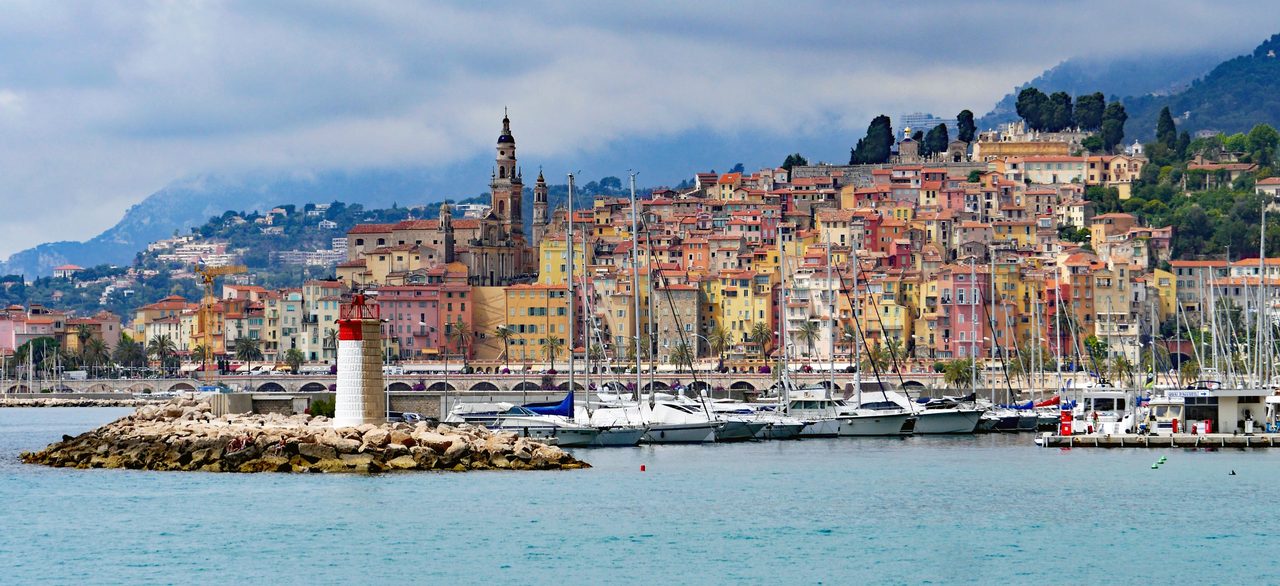
Provence-Alpes-Côte d'Azur · 14 Places · Best April-June and September-October
Marseille travel guide - where to stay, what to do, and where to eat in Marseille, Provence-Alpes-Côte d'Azur, France.
Marseille is France's oldest city and second largest, a Mediterranean port founded by Greek sailors around 600 BC and the capital of the Provence-Alpes-Côte d'Azur region. Its heart is the Vieux-Port, a harbour lined with cafes and a daily morning fish market, flanked by the Le Panier quarter on the north and the hill of Notre-Dame de la Garde to the south. The Mucem, the Vieille Charité and the Cité Radieuse give it a strong cultural identity, while the Corniche Kennedy, the Vallon des Auffes and the Prado beaches open onto the sea. Just beyond the city the white cliffs of the Parc national des Calanques and the Frioul islands offer walking and swimming within the municipal limits. Bouillabaisse, panisses, navettes and pastis are the local specialities, and metro, tram and bus links, plus trains to Cassis, Aix-en-Provence, Arles and Avignon, make day trips easy without a car.
Jump straight to the experience you're planning.
The 14 destinations our editors recommend — from iconic landmarks to under-the-radar finds.
Neo-Byzantine basilica on a 149 m limestone hill, topped by a gilded Madonna, with the widest panorama over the city, the Vieux-Port and the islands. Known locally as la Bonne Mère.
The rectangular harbour at the heart of Marseille, founded by Greek settlers around 600 BC, now a pedestrian quay lined with cafes and fishing boats, with a daily morning fish market on Quai des Belges and Norman Foster's mirrored canopy over the Quai du Port.
National museum opened in 2013 in Rudy Ricciotti's lattice-clad cube at the J4 pier, linked by high footbridges to Fort Saint-Jean and the Panier; exhibitions on Mediterranean societies plus free outdoor terraces and gardens with sea views.
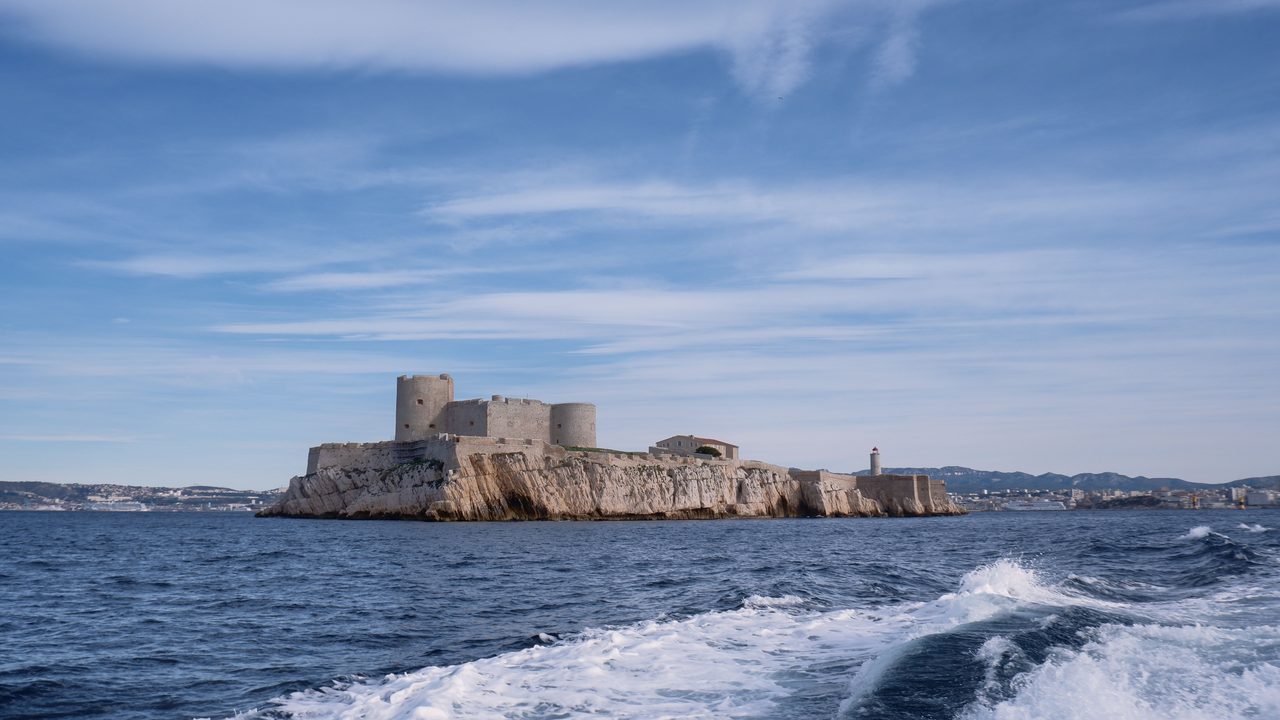
Fortress-prison on a tiny island 3.5 km offshore, built by François I from 1524 and made famous as the setting for Alexandre Dumas's The Count of Monte Cristo; cells, ramparts and views back to the city.
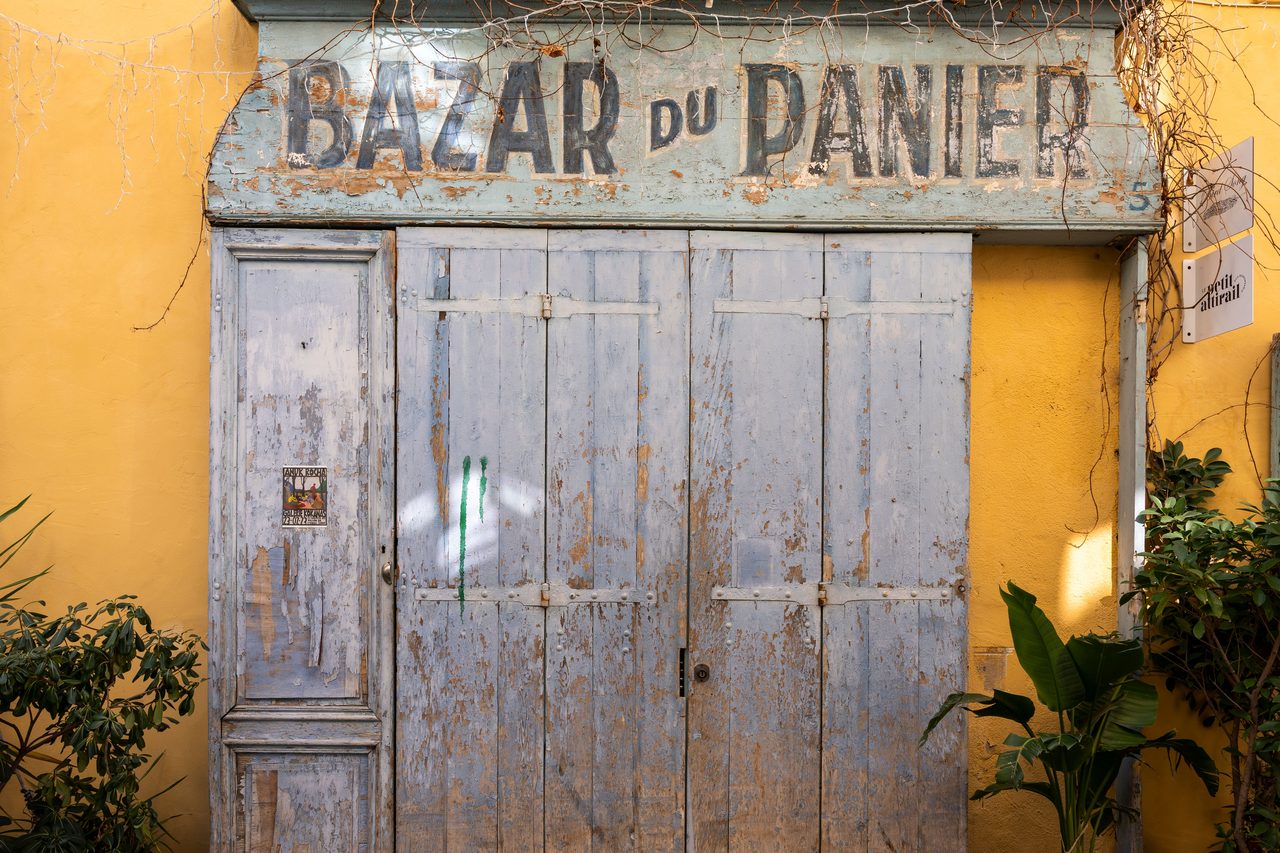
Marseille's oldest quarter on the hill above the north side of the Vieux-Port, a maze of steep lanes, pastel shutters, street art, small ateliers and squares such as Place de Lenche and Place des Moulins. Large parts were dynamited by the Germans in 1943 and rebuilt after the war.
17th-century almshouse designed by Pierre Puget, a pink-stone courtyard ringed by arcaded galleries around a baroque chapel; today it houses the Museum of Mediterranean Archaeology, the Museum of African, Oceanic and Amerindian Arts, a cinema and a cafe.
Pick a length, follow the route. Each itinerary balances headline sights with breathing room.
Three tiers, every traveller covered — from cost-conscious to flagship hotels.
Hostels, budget hotels, and guesthouses offer affordable stays without sacrificing experience.
Boutique hotels and well-located accommodations provide comfort and convenience at reasonable prices.
World-class resorts and premium hotels deliver unforgettable experiences.
Five-star hotel in the 18th-century Hôtel-Dieu hospital building above the Vieux-Port, with a rooftop terrace pool and a Spa by Clarins. It sits at the edge of Le Panier.
Check rates on Booking.comFive-star hotel on the hill of Le Pharo facing the Vieux-Port, with a spa, a rooftop pool and a panoramic bar overlooking the harbour.
Check rates on Booking.comRelais & Châteaux property on a private cove on the Corniche with villa-style suites and the three-Michelin-star restaurant of chef Gérald Passédat.
Check rates on Booking.comFive-star boutique hotel in a historic building on Rue Neuve Sainte-Catherine, a short walk from the Vieux-Port.
Check rates on Booking.comCafés, neighbourhood gems, and tasting menus worth the table reservation.
Chez Fonfon serves bouillabaisse and bourride in the Vallon des Auffes cove. Third-party guides put the bouillabaisse at roughly EUR 60-80 (about $69-92) per person; the restaurant website does not publish the figure, so confirm when booking.
A family house open since 1946 opposite the Plage des Catalans. The 2026 tourism listing gives EUR 80-110 (about $92-127) à la carte; Time Out and Gault&Millau cite bouillabaisse at EUR 80 (about $92) and fresh fish at about EUR 58 (about $67).
Le Miramar lists bouillabaisse from EUR 80 (about $92) per person à la carte and a children's menu at EUR 25 (about $29) for 2026. Cards and cash are accepted.
The 2026 tourism listing gives EUR 40-60 (about $46-69) for a menu or à la carte meal and EUR 15 (about $17) for the children's menu. Capacity around 95 guests.
Holds three Michelin stars according to the tourism office. Adult menus run EUR 230-490 (about $265-564) and the children's menu is EUR 59 (about $68) for 2026.
Three Michelin stars. The tourism listing gives EUR 195-435 (about $224-500) à la carte; a guide cites the full tasting menu at EUR 320-420 (about $368-483).
Book a food tour in Marseille We may earn a commission from bookings made through this link.
Transportation options in Marseille include local buses, taxis, and rental cars. Check local conditions before planning your travel.
Daily spend by tier in EUR, broken out by category.
| Category | Budget | Mid-range | Luxury |
|---|---|---|---|
| Accommodation | EUR 50 (~$57.50) | EUR 120 (~$138) | EUR 300 (~$345) |
| Food (per day) | EUR 25 (~$28.75) | EUR 50 (~$57.50) | EUR 110 (~$126.50) |
| Transportation | EUR 5 (~$5.75) | EUR 8 (~$9.20) | EUR 25 (~$28.75) |
| Activities | EUR 10 (~$11.50) | EUR 22 (~$25.30) | EUR 45 (~$51.75) |
| Daily total | EUR 90 (~$103.50) | EUR 200 (~$230) | EUR 480+ (~$552+) |
Best time Shoulder Worth avoiding
Average daytime temperature in °C. Figures are for France.
Spring and early autumn bring warm sea-side weather, open terraces and manageable crowds, with the Calanques at their best.
Marseille has a hot, dry Mediterranean climate with about 300 sunny days a year: summer highs reach about 29-31C (84-88F), winters are mild at about 11-13C (52-55F) by day, and the cold, dry mistral wind can blow for days, especially in winter and spring. Summer access to the Calanques may be restricted on fire-risk days, and Sugiton needs a free reservation on peak dates. Major events include the Fête de la Chandeleur at Saint-Victor (2 February), the Festival de Marseille (June-July) and Marseille Jazz des cinq continents (July).
Keep phones, passports and wallets in zipped inner pockets at Gare Saint-Charles, on the metro (lines 1 and 2), on buses, in Noailles and Belsunce and around the Vieux-Port, where pickpockets work in pairs or groups
Do not carry a bag on the outside shoulder on bus 83 along the Corniche Kennedy and other crowded buses; keep it in front of the body
Never leave anything visible in a parked car, including at Calanques car parks (Luminy, Callelongue), the Vallon des Auffes and viewpoints; smash-and-grab thefts are common, so empty the car and leave the glove box open
After dark, stay on lit, busy streets (the Vieux-Port, Cours Julien, La Plaine squares, the Prado) and use a taxi or ride-hailing car rather than walking through Belsunce, the lower Canebière, around Gare Saint-Charles and the northern arrondissements late at night
Avoid the northern housing estates (cités) in the 13th-16th arrondissements unless visiting a specific destination by day with a local contact; if hearing shots or seeing a gathering, leave the area calmly and do not film or approach
Check the Préfecture fire-risk map or call 0811 20 13 13 (or use the Mes Calanques app) before any Calanques hike from 1 June to 30 September; do not enter a closed massif and carry at least 1.5 litres of water per person
In strong mistral wind, avoid cliff paths and boat trips, and secure outdoor furniture; check Météo-France vigilance at vigilance.meteofrance.fr
Follow the beach flags at the Prado and the Catalans: swim only when the flag is green, as wind and currents change quickly
Carry a copy of the passport and keep the original and spare cards in the hotel safe
Dial 112 for any emergency and report thefts at a police station to get a récépissé de dépôt de plainte, needed for insurance
Entry follows France/Schengen rules. EU citizens need only a national ID card or passport; visitors from many non-EU countries may stay visa-free for up to 90 days in any 180 days; others need a Schengen visa. Requirements vary by nationality, so check france-visas.gouv.fr or the nearest French embassy before travelling.
Marseille uses the Euro (EUR). ATMs are common around the Vieux-Port, La Canebière and Saint-Charles station. Cards and contactless payments are accepted almost everywhere, but carry a little cash for market stalls and small bakeries.
French is the main language, spoken with a distinctive Marseillais accent, and Provençal expressions appear in local speech. English is widely understood in hotels, museums and tourist restaurants; greeting people with 'Bonjour' is expected.
The top attractions are the Vieux-Port, Notre-Dame de la Garde, the Mucem, Château d'If, Le Panier and the Vieille Charité, the Cité Radieuse and the Calanques national park.
Marseille Provence Airport (MRS) is about 27 km northwest of the centre. A shuttle bus (navette) runs to Gare Saint-Charles in about 25 minutes; confirm the fare, about EUR 10, at marseille.aeroport.fr. Taxis cost roughly EUR 55-65 and the journey takes about 25-35 minutes depending on traffic.