Open Travel Guide
France

Europe · 32 Places · Best June-August

France

France captivates visitors with its iconic landmarks, world-renowned cuisine, and rich cultural heritage spanning millennia. From the romantic streets of Paris to the lavender fields of Provence, sun-soaked beaches of the Riviera to the snow-capped Alps, France offers diverse experiences for every traveler. Discover medieval villages, Gothic cathedrals, Renaissance châteaux, and contemporary art while savoring exceptional wines and cheeses.

Capital
Paris
Currency
Euro (EUR)
Language
French (official)
Time zone
UTC+1 (Central European Time) / UTC+2 in summer
Best time
June-August
Places
32 curated
On this page

About France

France captivates visitors with its iconic landmarks, world-renowned cuisine, and rich cultural heritage spanning millennia. From the romantic streets of Paris to the lavender fields of Provence, sun-soaked beaches of the Riviera to the snow-capped Alps, France offers diverse experiences for every traveler. Discover medieval villages, Gothic cathedrals, Renaissance châteaux, and contemporary art while savoring exceptional wines and cheeses.

Capital
Paris
Largest city
Paris
Population
68 million
Languages
French (official), Regional languages: Breton, Alsatian, Occitan, Corsican, Basque
Currency
Euro (EUR)
Time zone
UTC+1 (Central European Time) / UTC+2 in summer

Explore France by topic

Jump straight to the experience you're planning.

Best places to visit in France

The 32 destinations our editors recommend — from iconic landmarks to under-the-radar finds.

Eiffel Tower

Eiffel Tower

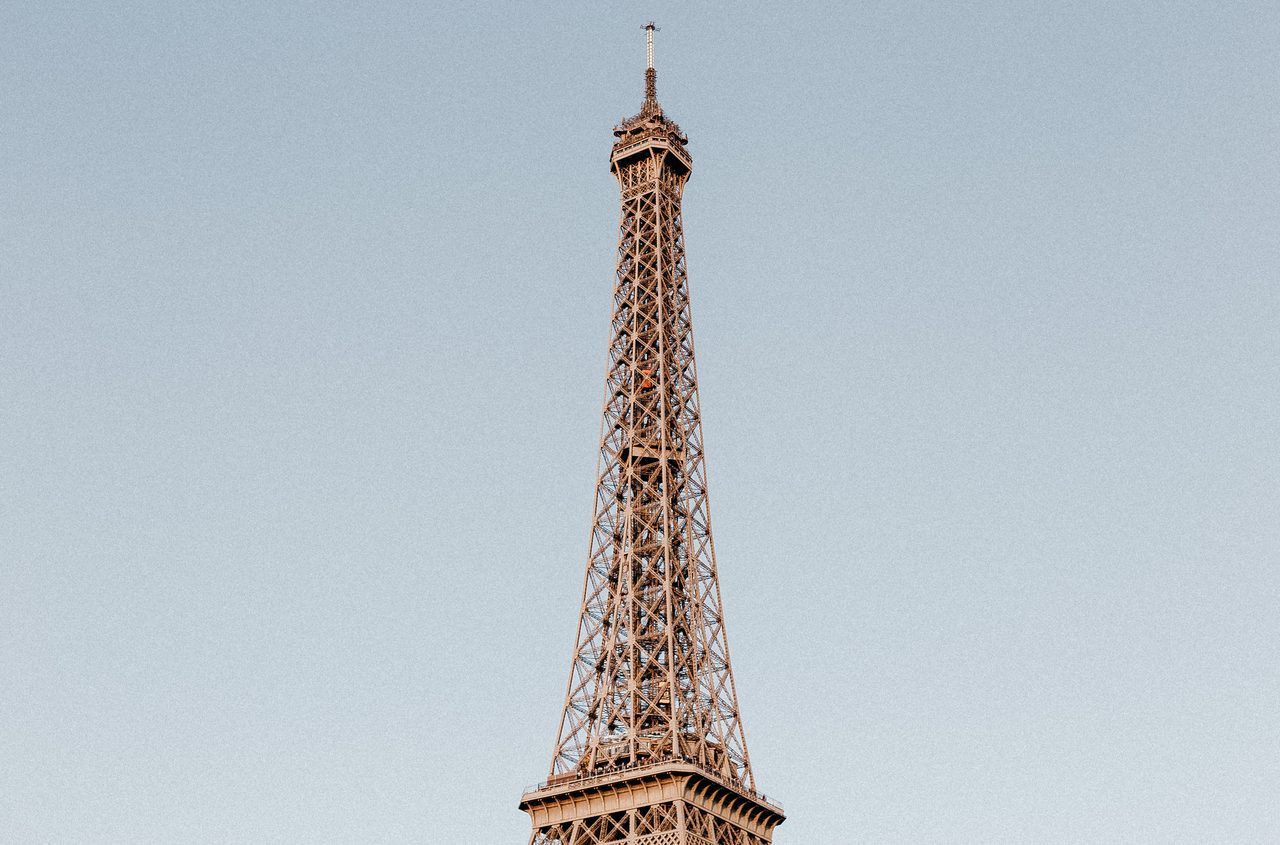
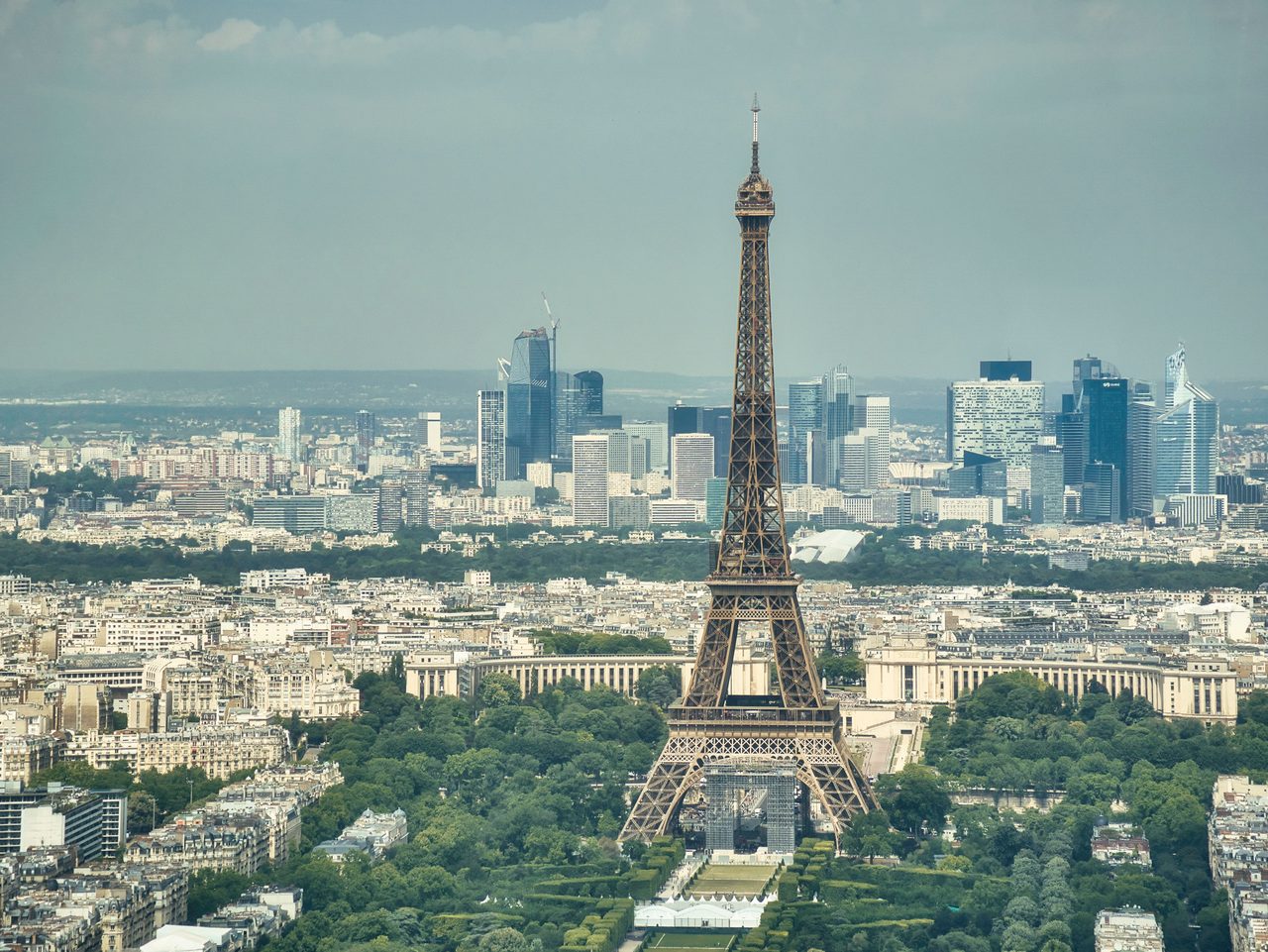
The iconic iron lattice tower built in 1889 stands 330 meters tall as Paris's most recognizable landmark. Ascend to the observation decks for breathtaking panoramic views of the City of Light, especially spectacular at sunset and during the hourly evening light shows.

Louvre Museum

Louvre Museum

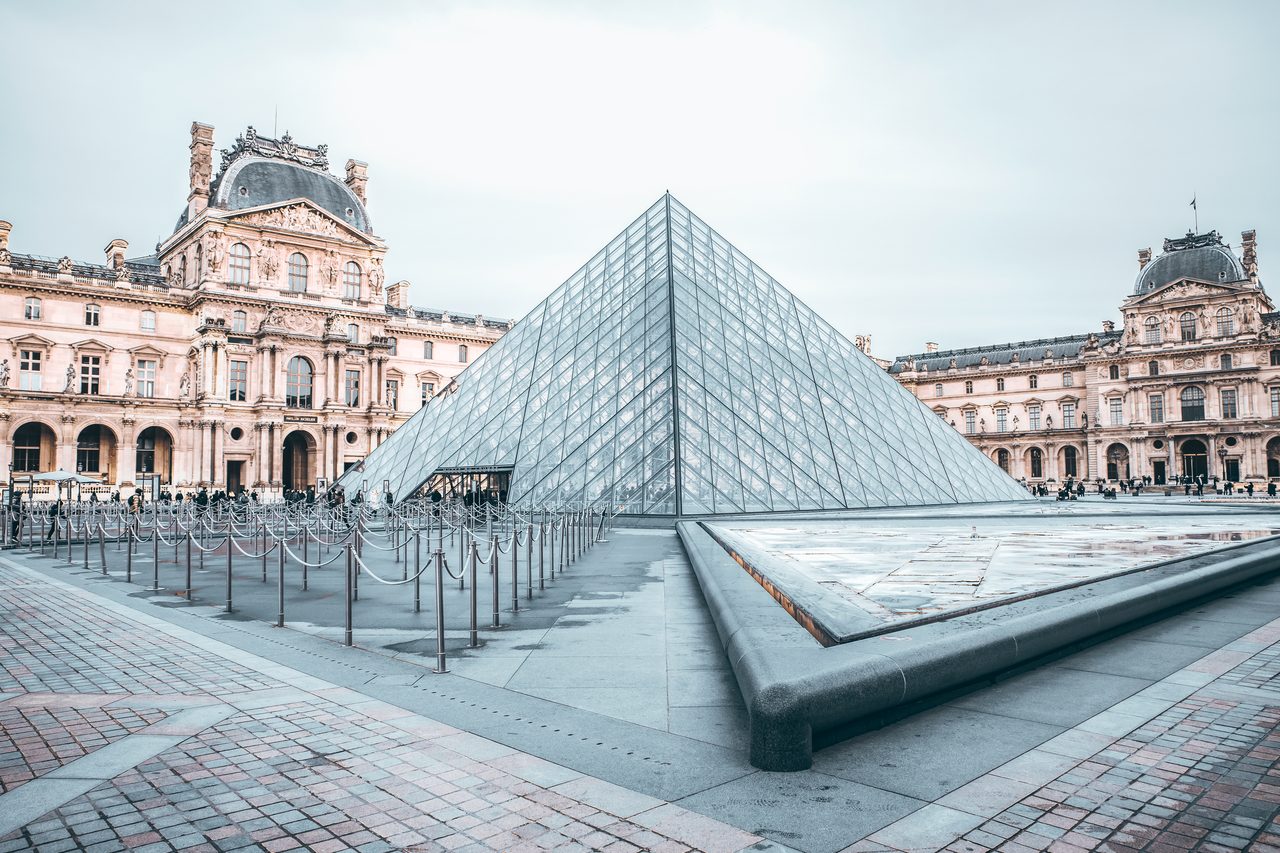
The world's largest art museum houses over 380,000 objects including the Mona Lisa, Venus de Milo, and Winged Victory. Formerly a royal palace, the Louvre's glass pyramid entrance is an architectural marvel contrasting with the historic Renaissance building.

Palace of Versailles

Palace of Versailles

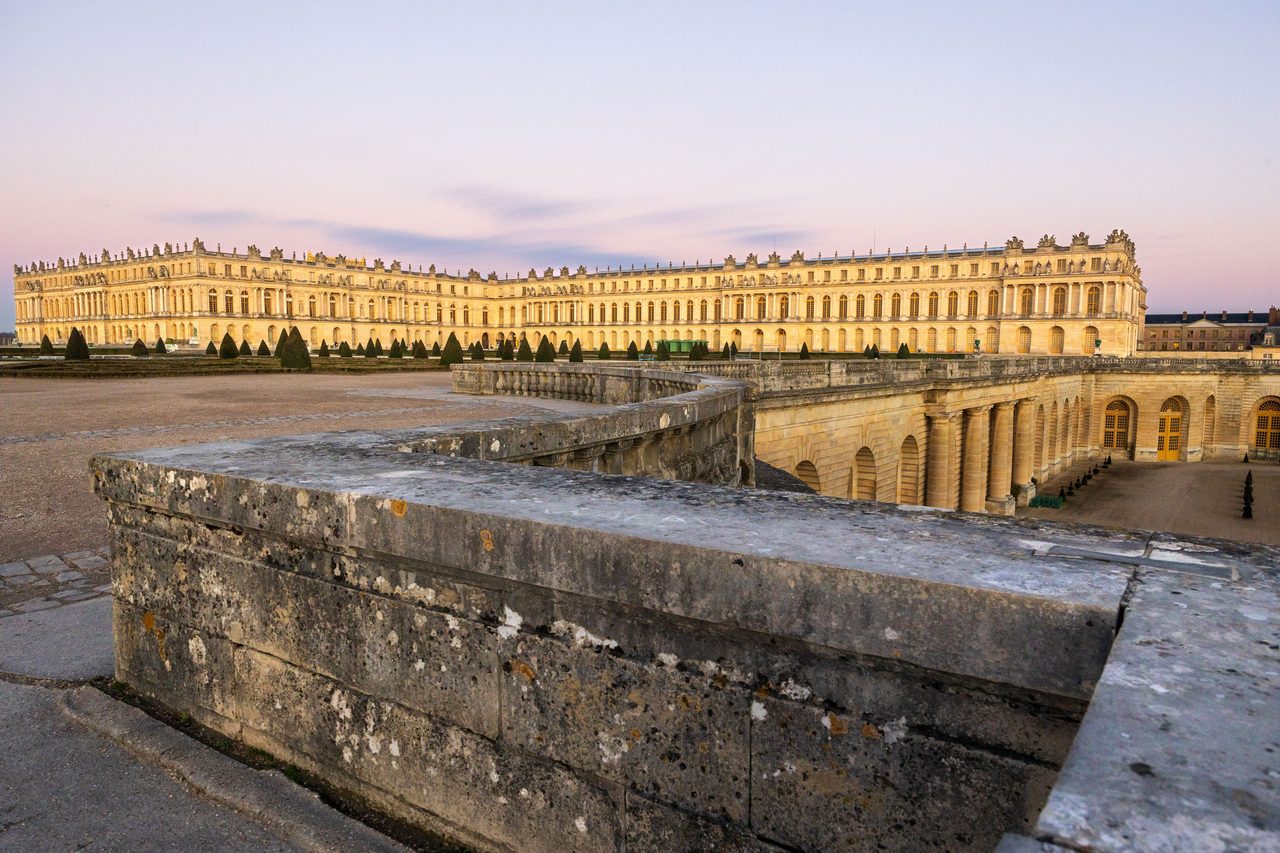
Louis XIV's opulent 17th-century palace epitomizes absolute monarchy with its Hall of Mirrors, royal apartments, and meticulously landscaped gardens. The vast estate includes Marie Antoinette's estate, Grand Trianon, and spectacular musical fountain shows.

Mont-Saint-Michel

Mont-Saint-Michel

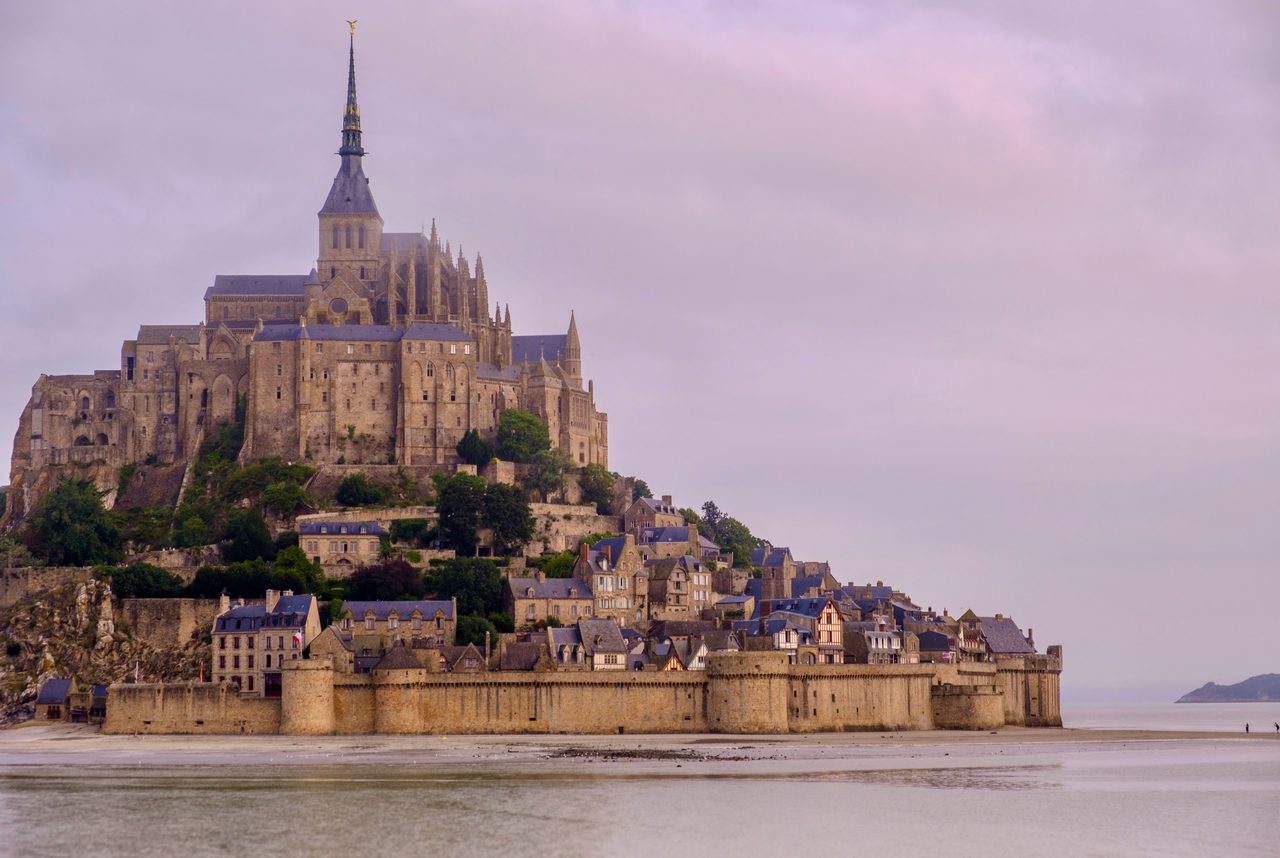
A medieval abbey rising dramatically from a tidal island in Normandy, this UNESCO World Heritage site appears to float on water during high tides. The Gothic abbey, ramparts, and winding village streets create one of Europe's most striking architectural ensembles.

Côte d'Azur (French Riviera)

Côte d'Azur (French Riviera)

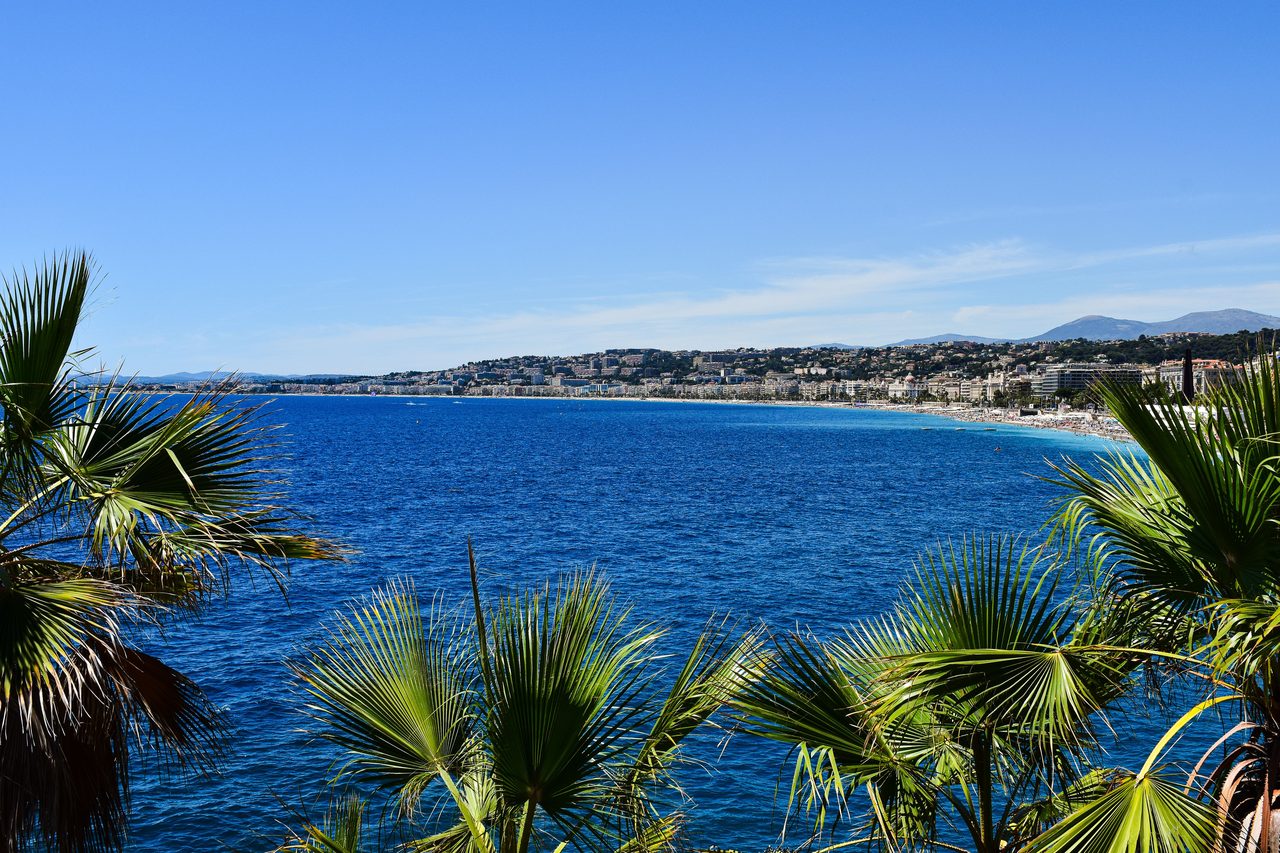
The glamorous Mediterranean coastline stretches from Saint-Tropez to Monaco with azure waters, Belle Époque architecture, and celebrity haunts. Explore Nice's Promenade des Anglais, Cannes' film festival beaches, and Monaco's Monte Carlo Casino.

Château de Chambord

Château de Chambord

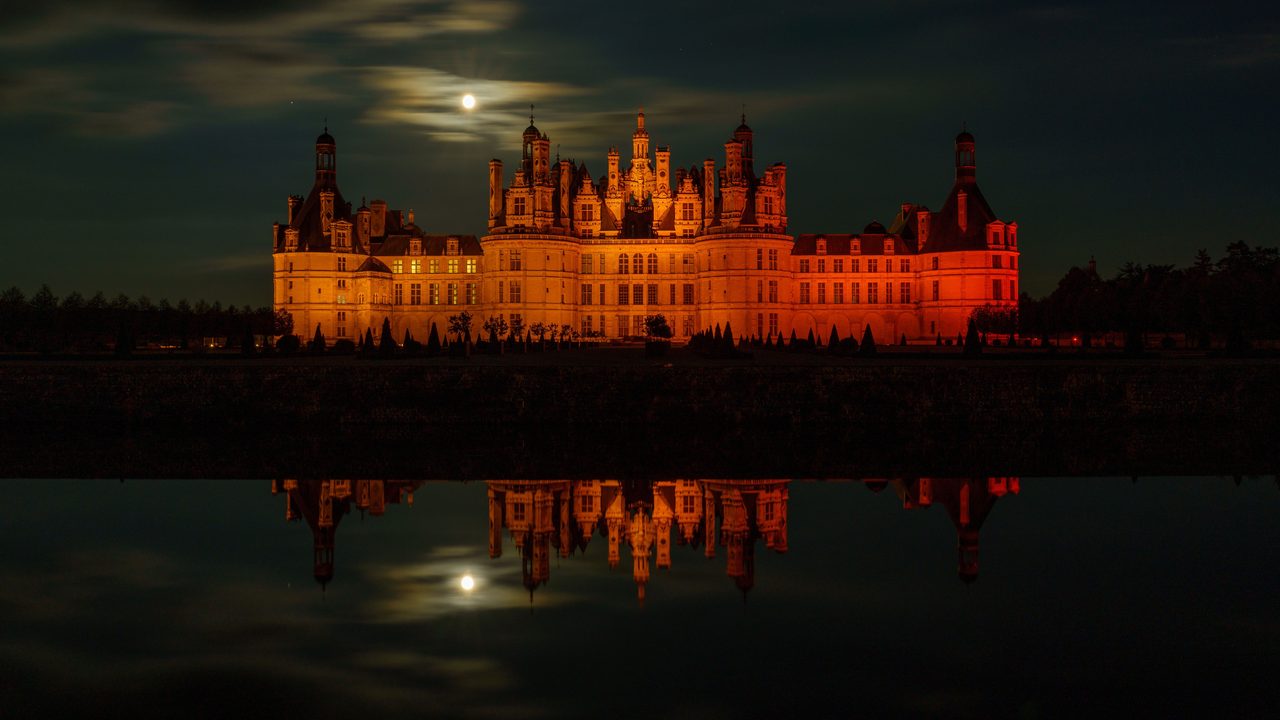
The largest and most magnificent Loire Valley château features French Renaissance architecture with 440 rooms, 282 fireplaces, and Leonardo da Vinci's famous double-helix staircase. Surrounded by a vast forest park, it was built as a hunting lodge for King François I.

Recommended itineraries

Pick a length, follow the route. Each itinerary balances headline sights with breathing room.

5-Day France Explorer

  • Day 1Arrive in France, explore city center
  • Day 2Visit top attractions and museums
  • Day 3Day trip to nearby highlights
  • Day 4Local markets and hidden gems
  • Day 5Final sightseeing, departure

7-Day Classic France

  • Days 1-2France city highlights
  • Days 3-4Regional exploration
  • Days 5-6Cultural immersion and local experiences
  • Day 7Return and departure

14-Day Ultimate France

  • Days 1-3France comprehensive city tour
  • Days 4-6Northern region exploration
  • Days 7-9Eastern highlights
  • Days 10-12Southern attractions
  • Days 13-14Return to France, departure

Where to stay in France

Three tiers, every traveller covered — from cost-conscious to flagship hotels.

Budget $50-70

Hostels, budget hotels, and guesthouses offer affordable stays without sacrificing experience.

Mid-range $150-250

Boutique hotels and well-located accommodations provide comfort and convenience at reasonable prices.

Luxury $500-1000+

World-class resorts and premium hotels deliver unforgettable experiences.

Hôtel Plaza Athénée

· $800-$1500

Legendary palace hotel on Avenue Montaigne features haute couture elegance, five Michelin-starred restaurants, and Dior spa. Red geranium-draped facade and Eiffel Tower views define Parisian luxury.

Check rates on Booking.com

Hôtel Providence

· $150-$250

Bohemian boutique hotel in trendy 10th arrondissement features eclectic vintage décor, intimate bar, and fashionable restaurant. Each room uniquely designed with artistic flair.

Check rates on Booking.com

Hôtel du Temps

· $70-$110

Clean, modern budget hotel in 11th arrondissement near République with stylish minimalist rooms and excellent public transport connections.

Check rates on Booking.com

Le Bristol Paris

· $750-$1400

Palatial hotel with French garden courtyard, three-Michelin-star Epicure restaurant, and opulent Louis XVI décor. Resident cat Fa-raon and rooftop pool create unique five-star charm.

Check rates on Booking.com

Where to eat in France

Cafés, neighbourhood gems, and tasting menus worth the table reservation.

Arpège

French Contemporary · $$$$

Alain Passard's three-Michelin-starred temple to vegetables features produce from his own farms. Revolutionary vegetable-focused haute cuisine with iconic dishes like beetroot baked in salt crust.

Septime

French Contemporary · $$

Trendy Michelin-starred bistro in Oberkampf serves creative seasonal cuisine with natural wines. Hip atmosphere and innovative dishes at reasonable prices.

L'As du Fallafel

Middle Eastern · $

Legendary Jewish quarter falafel stand with lines around the block. Crispy falafel with perfectly spiced filling and tangy tahini.

Marché des Enfants Rouges

International Market · $

Paris's oldest covered market features food stalls serving everything from Moroccan tagine to Japanese bento boxes at communal tables.

Café de Flore

Classic Café · $$

Legendary Art Deco café where Sartre and Simone de Beauvoir held court. Expensive but iconic Saint-Germain-des-Prés experience.

Le Bernardin

Seafood · $$$$

Éric Ripert's three-Michelin-starred seafood temple offers pristine fish preparations with Japanese influences. Legendary for technical precision and pure flavors.

Getting around France

Transportation options in France include local buses, taxis, and rental cars. Check local conditions before planning your travel.

Budget breakdown

Daily spend by tier in USD, broken out by category.

Category Budget Mid-range Luxury
Accommodation $20-35 (hostel dorm, budget hotel) $80-120 (3-star hotel, nice Airbnb) $300-600+ (5-star hotels, palace properties)
Food (per day) $15-20 (supermarkets, street food, one café meal) $40-60 (casual restaurants, bistros, café breakfast) $150-300 (fine dining, Michelin restaurants, wine)
Transportation $5-8 (metro tickets, some walking) $15-25 (metro day passes, occasional taxi) $50-100 (taxis, private drivers, first class trains)
Activities $10-15 (free museums first Sundays, parks, walking tours) $30-50 (museum entries, wine tastings, paid tours) $100-200 (private guides, premium tastings, shows)
Daily total $50-70 $150-250 $500-1000+

Best time to visit France

June-August (summer holidays, warm weather, highest prices)

Essential travel tips

  • Research visa requirements before your trip
  • Learn a few basic phrases in the local language
  • Carry cash as cards may not be accepted everywhere
  • Respect local customs and dress codes
  • Purchase travel insurance before departure

Hidden gems

Off-the-beaten-path corners most travellers miss.

Annecy

The 'Venice of the Alps' features turquoise canals, a medieval old town, and stunning lake backed by mountains. Less touristy than major French destinations with authentic charm, waterside dining, and cycling paths around the pristine lake.

Colmar

Perfectly preserved Alsatian town with half-timbered houses, flower-filled canals in La Petite Venise, and cobblestone streets. Less crowded than Strasbourg but equally charming. Disney's Beauty and the Beast inspiration.

Gorges du Verdon

Europe's deepest canyon with turquoise waters perfect for kayaking. Dramatic cliff-edge roads, hiking trails, and swimming spots offer adventure without crowds of more famous destinations.

Île de Porquerolles

Car-free island off French Riviera with white sand beaches, crystal waters, vineyards, and pine forests. Accessible by ferry but feels worlds away from Côte d'Azur crowds.

Eguisheim

Circular Alsatian village with concentric cobbled streets, flower-filled houses, and family wineries. Voted France's favorite village with authentic charm and excellent wines.

Rocamadour

Medieval pilgrimage village dramatically clinging to cliff face in southwest France

Lot, southwest France

Dinan

Best-preserved medieval town in Brittany with half-timbered houses, cobbled streets, ramparts, and medieval festivals

Brittany

Vézelay

Hilltop Burgundy village crowned by Romanesque basilica, UNESCO site on Santiago de Compostela pilgrimage route

Burgundy

Safety information

INFO

Stay alert in crowded tourist areas and transportation hubs

INFO

Watch for pickpockets in Paris Metro, Eiffel Tower, and major attractions

INFO

Avoid demonstrations and large gatherings

INFO

Keep valuables secure and out of sight

INFO

Use licensed taxis or reputable ride-sharing apps

INFO

Be cautious at night in unfamiliar areas

INFO

Keep copies of passport and important documents

INFO

Register with your embassy or consulate upon arrival for emergency alerts and assistance

INFO

France has strict laws on photography of government buildings, police, and military installations — ask before shooting

INFO

Carry your European Health Insurance Card (EHIC) or travel insurance for medical coverage; pharmacies (identified by green cross signs) are widely available

Frequently asked questions

Is France safe to visit in 2026?

France is a safe destination for tourists with a low violent crime rate and excellent infrastructure. The primary concerns are petty theft and pickpocketing in Paris's tourist-heavy areas, particularly the Metro and major attractions. Terrorism threat has been elevated since 2015 but comprehensive security measures are in place at major sites. Emergency services: police at 17, medical at 15.

What is the best time to visit France?

The best time to visit France is June-August (summer holidays, warm weather, highest prices). France has four distinct climate zones: oceanic in the north and west (mild, year-round rain), continental in the east (cold winters, hot summers), Mediterranean in the south (hot dry summers, mild wi

Do I need a visa to visit France?

No visa required for stays up to 90 days within 180-day period. Passport must be valid for 3 months beyond departure date. ETIAS authorization required starting 2026. Requirements vary by nationality, so check with your nearest embassy or the official immigration website before traveling.

What currency is used in France?

The currency in France is the Euro (EUR) (EUR). ATMs are widely available in cities and tourist areas. Credit cards are accepted at most hotels and restaurants, but carry cash for markets and smaller establishments.

What language is spoken in France?

The main language(s) spoken in France: French (official), Regional languages: Breton, Alsatian, Occitan, Corsican, Basque. In tourist areas, English is generally understood. Learning a few basic phrases in the local language is appreciated by locals.

What are the top attractions in France?

The top attractions in France include Eiffel Tower, Louvre Museum, Palace of Versailles, Mont-Saint-Michel, and Côte d'Azur (French Riviera). Each offers a unique experience, from historic landmarks to natural wonders.

Explore France by region

Each region has its own character — coastal, alpine, vineyard, capital. Pick a starting point.

Auvergne-Rhône-Alpes

Auvergne-Rhône-Alpes is France's most geographically dramatic region, combining the ancient volcanic landscapes of the Massif Central with the highest peaks in the Alps. Lyon, its capital, is consistently ranked among the world's great food cities and is the birthplace of cinema. The region spans skiing at Chamonix and the Trois Vallées, lakeside beauty at Annecy, Roman heritage in Lyon, the volcanic chains of the Auvergne, and one of Europe's finest hiking networks.

Bourgogne-Franche-Comté

Bourgogne-Franche-Comté is France's great dual-heritage region — the grand cru vineyards and Romanesque abbeys of Burgundy in the west, and the forested Jura mountains, Comté dairies, and UNESCO-listed Vauban citadel of Franche-Comté in the east. From the medieval ramparts of Beaune and the ducal palace of Dijon to the cascading waterfalls and ski resorts of the Jura plateau, the region delivers extraordinary depth for travellers willing to look beyond the Eiffel Tower.

Brittany

Brittany (Breizh) is France's westernmost peninsula — a Celtic heartland thrust into the Atlantic where granite cliffs, prehistoric megaliths, medieval walled cities, and 2,800 kilometres of coastline combine into one of Europe's most distinctive travel destinations.

Centre-Val de Loire

Centre-Val de Loire is the garden heart of France, home to the greatest concentration of Renaissance châteaux in the world, two UNESCO World Heritage Sites, and a wine tradition spanning six major appellations along the Loire River.

Corsica

Corsica (Corse in French) is France's largest island and the fourth largest in the Mediterranean — a dramatic collision of granite peaks, ancient maquis scrubland, crystalline bays, and a fiercely proud culture that has absorbed Genoese, Moorish, and French influences while remaining unmistakably its own. This is the birthplace of Napoleon Bonaparte, home to the GR20 — widely regarded as Europe's toughest long-distance trail — and the source of some of the finest charcuterie and cheese in France.

French Guiana

French Guiana is an overseas department and region of France on the northeastern coast of South America, offering a remarkable fusion of pristine Amazonian rainforest, French European infrastructure, and extraordinary cultural diversity. Home to Europe's primary orbital launch facility, the territory combines space-age technology with some of the world's most biodiverse ecosystems.

Grand Est

Grand Est is a vast northeastern French region created in 2016 from the historic provinces of Alsace, Champagne-Ardenne, and Lorraine. Bordered by Germany, Luxembourg, Switzerland, and Belgium, it is a crossroads of European culture, language, and cuisine. Strasbourg, the regional capital, hosts the European Parliament and flaunts one of Europe's finest Gothic cathedrals. Reims preserves the coronation church of French kings and the prestige champagne cellars of the world-famous Champagne region. In between, Colmar's half-timbered lanes, the vine-draped Alsace Wine Route, the Vosges mountain forests, and the solemn WWI battlefields of Verdun create an unrivalled diversity of experiences within a single region.

Guadeloupe

Guadeloupe is an overseas department and region of France in the Caribbean, shaped like a butterfly formed by two main islands — volcanic Basse-Terre to the west and coral-limestone Grande-Terre to the east — connected by a narrow channel crossed by the Rivière Salée. Together with outer islands Les Saintes, Marie-Galante, and La Désirade, it offers volcanic hikes, world-class snorkeling, rum distillery tours, and sun-drenched beaches, all wrapped in an authentically French Caribbean culture.

Hauts-de-France

Hauts-de-France is northern France's dynamic region, forged from the historic provinces of Nord-Pas-de-Calais and Picardy. It is a land of soaring Gothic cathedrals, poignant WWI memorials, vibrant Flemish culture, and a rugged coastline along the Côte d'Opale. Lille, the cosmopolitan capital, anchors a region of surprising contrasts — from the underground citadels of Arras to the vast sandy beaches of Dunkirk and Boulogne-sur-Mer.

Martinique

Martinique is a French Caribbean island and overseas region located in the Lesser Antilles, blending volcanic landscapes, white and black sand beaches, lush rainforest, and a sophisticated Creole culture. As a full part of France and the European Union, it offers the comfort of French infrastructure alongside a distinctly Caribbean soul.

Mayotte

Mayotte is a French overseas department and region in the Indian Ocean, situated between Madagascar and the northern tip of Mozambique. Comprising Grande-Terre and Petite-Terre (Pamanzi) plus several islets, it is home to one of the world's largest coral lagoons, abundant marine life including green turtles and humpback whales, volcanic highland forests, and a vibrant Comorian-influenced culture. The island became France's 101st department in 2011 and uses the euro, making it accessible for French and European visitors while retaining an authentically remote tropical character.

Normandy

Normandy is a historic region in northern France, renowned for its dramatic coastline, medieval architecture, and pivotal role in the D-Day landings of World War II. From the iconic Mont-Saint-Michel abbey to the solemn beaches of the Allied invasion, the region blends natural beauty with profound historical significance. Rolling green countryside, apple orchards, and charming market towns complete the picture of this quintessentially French destination.

Nouvelle Aquitaine

Nouvelle Aquitaine is France's largest region, stretching from the Atlantic coast and Pyrenees mountains in the south to the Loire Valley in the north. It encompasses world-renowned wine regions like Bordeaux and Saint-Émilion, the surf capital of Biarritz, prehistoric wonders at Lascaux, and the dramatic Dune du Pilat. With diverse landscapes, rich gastronomy, and centuries of history, Nouvelle Aquitaine offers an unrivaled travel experience in southwestern France.

Occitanie

Occitanie is a vast region in southern France stretching from the Atlantic Pyrenees to the Mediterranean coast, encompassing the historic cities of Toulouse, Montpellier, Carcassonne, and Nîmes. It blends medieval heritage, Roman ruins, UNESCO World Heritage sites, sandy beaches, and the soaring Pyrenees mountains into one of France's most diverse travel destinations. The region is also France's leading wine producer and home to world-famous culinary traditions including cassoulet and Roquefort cheese.

Pays de la Loire

Pays de la Loire is a diverse western French region anchored by Nantes, one of France's most dynamic and culturally inventive cities. The region spans the lower Loire Valley with its Renaissance châteaux, Atlantic beaches and islands along the Vendée coast, the rillettes-producing Le Mans, and the wine appellations of Muscadet, Anjou, and Saumur. World-class theme park Puy du Fou, the legendary 24 Hours of Le Mans circuit, and the mechanical art installations of Nantes make this one of France's most varied regions for visitors.

Provence-Alpes-Côte d'Azur

Provence-Alpes-Côte d'Azur is France's most sun-drenched region, stretching from the Rhône delta in the west to the Italian border in the east. It encompasses the world-famous French Riviera (Côte d'Azur) — Nice, Cannes, and Saint-Tropez — the ancient Provençal heartland of Aix-en-Provence and Avignon, Marseille's rugged port culture, the violet lavender plateaus of Valensole, the turquoise-water Calanques, and the dramatic Gorges du Verdon. With over 300 days of sunshine per year, the region is France's premier year-round destination.

Réunion

Réunion is a French overseas region and department in the Indian Ocean, 700 km east of Madagascar and 200 km south-west of Mauritius. This volcanic island of extraordinary drama packs an active volcano, three steep-walled cirques, a UNESCO World Heritage mountain core, dense rainforest, and a warm lagoon into 2,512 km². It is simultaneously French enough to accept euros and credit cards everywhere, and exotic enough to feel like another world entirely.

Île-de-France

Île-de-France is France's most populous and economically powerful region, home to Paris and an extraordinary concentration of world-class museums, châteaux, gardens, and culinary experiences. Surrounding the French capital, the region stretches across the Seine and Marne river valleys, encompassing the palaces of Versailles and Fontainebleau, the medieval streets of Provins, and vast forests perfect for cycling and hiking.