
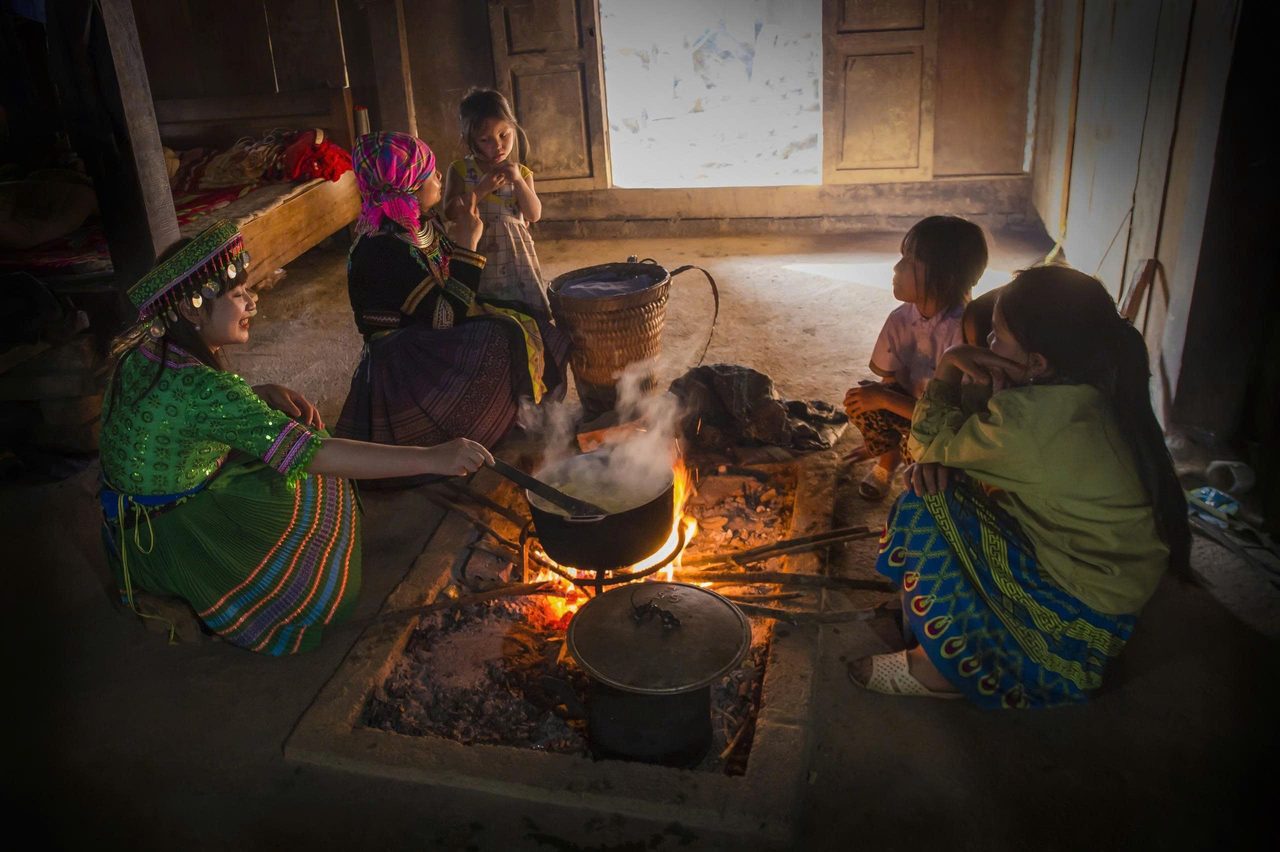
The village of Cacao, located approximately 80 kilometres south of Cayenne along the D5 highway, is home to a Hmong community who arrived in French Guiana as refugees from Laos in the mid-1970s following the Pathet Lao takeover. The community settled in the rainforest interior and built a self-sufficient agricultural village now best known across French Guiana for its vibrant Sunday market — one of the most distinctive cultural experiences in the territory.
Every Sunday morning from 07:00 to 13:00, the market fills the village square with stalls selling Hmong-grown vegetables, tropical fruits, and freshly prepared Lao dishes including nem (spring rolls), steamed dumplings, and soups cooked to order. Intricate Hmong embroidered textiles — wall hangings, patchwork quilts, and decorative clothing made using the traditional pa ndau (flower cloth) technique — are displayed and sold by village artisans, many of whom produce them at home throughout the week. The market is genuinely multicultural: Brazilian and Creole food vendors also set up stalls, and the mix of languages and cooking aromas reflects the broader plurality of French Guiana itself.
Beyond the market, the village is worth exploring on foot: cultivated gardens, vegetable plots, and community buildings reflect the Hmong tradition of intensive small-scale agriculture adapted to jungle terrain. A small Catholic church at the village centre marks the syncretic religious practice adopted after resettlement. Arriving before 09:00 secures the widest selection of food and craft goods; the market winds down rapidly by noon. The drive south from Cayenne on the D5 passes through secondary rainforest with opportunities to spot wildlife along the way. No public transport reliably serves Cacao; a rental car or organized tour is required.
Good to know
- Hours
- Sunday market 07:00–13:00; village accessible daily but most activity on Sunday
- Best time
- Sunday mornings, arriving by 08:00
Location
Village de Cacao, 97351 Cacao, French Guiana
4.5500, -52.4667 View on map
Highlights
- Sunday morning Hmong market with freshly cooked Lao dishes and pa ndau embroidered textiles
- Living encounter with a refugee community that has preserved Laotian culture in the Amazonian interior
- Tropical produce stalls with fruits and vegetables grown in village gardens
- Traditional Hmong patchwork quilts and wall hangings sold directly by village artisans
- Scenic 80 km drive south from Cayenne through secondary Amazonian rainforest on the D5
Tips for visiting
- Arrive by 08:00 on Sunday — the most popular dishes and best produce sell out before 10:00
- Bring cash in euros; the market is entirely cash-based with no card facilities
- Photography of food stalls is generally welcomed; ask permission before photographing individuals
- The round trip from Cayenne takes 3 to 4 hours including market time; combine with a rainforest stop on the D5
- Car rental is essential — collective taxis do not reliably serve Cacao village
- Bring a cooler bag for purchasing vegetables or fresh spring rolls for the return journey
When to visit
Sunday mornings between 08:00 and 10:00 offer the widest selection of food and crafts. The dry season (August to November) makes the D5 drive most reliable, though the market operates year-round.
Accessibility
The village square and main market stalls are on flat, largely paved ground suitable for most visitors. Some stalls and garden paths are unpaved. There are no dedicated wheelchair facilities, but the main market area is generally navigable with assistance.
Visit, book or contact
Frequently asked questions
What is Cacao village known for?
Cacao is a Hmong refugee settlement founded in the 1970s, famous throughout French Guiana for its Sunday market selling Lao food, fresh produce, and traditional Hmong pa ndau embroidered textiles.
Is the Cacao market worth visiting for non-food items?
Yes — Hmong embroidered wall hangings, patchwork quilts, and clothing are genuinely distinctive craft items hand-sewn by village artisans and unavailable elsewhere in French Guiana.
Can visitors explore the village beyond the market?
Yes. The village gardens, church, and surrounding agricultural plots are accessible on foot. The community is generally welcoming; visitors should remain respectful of private property and ask before entering residential areas.