
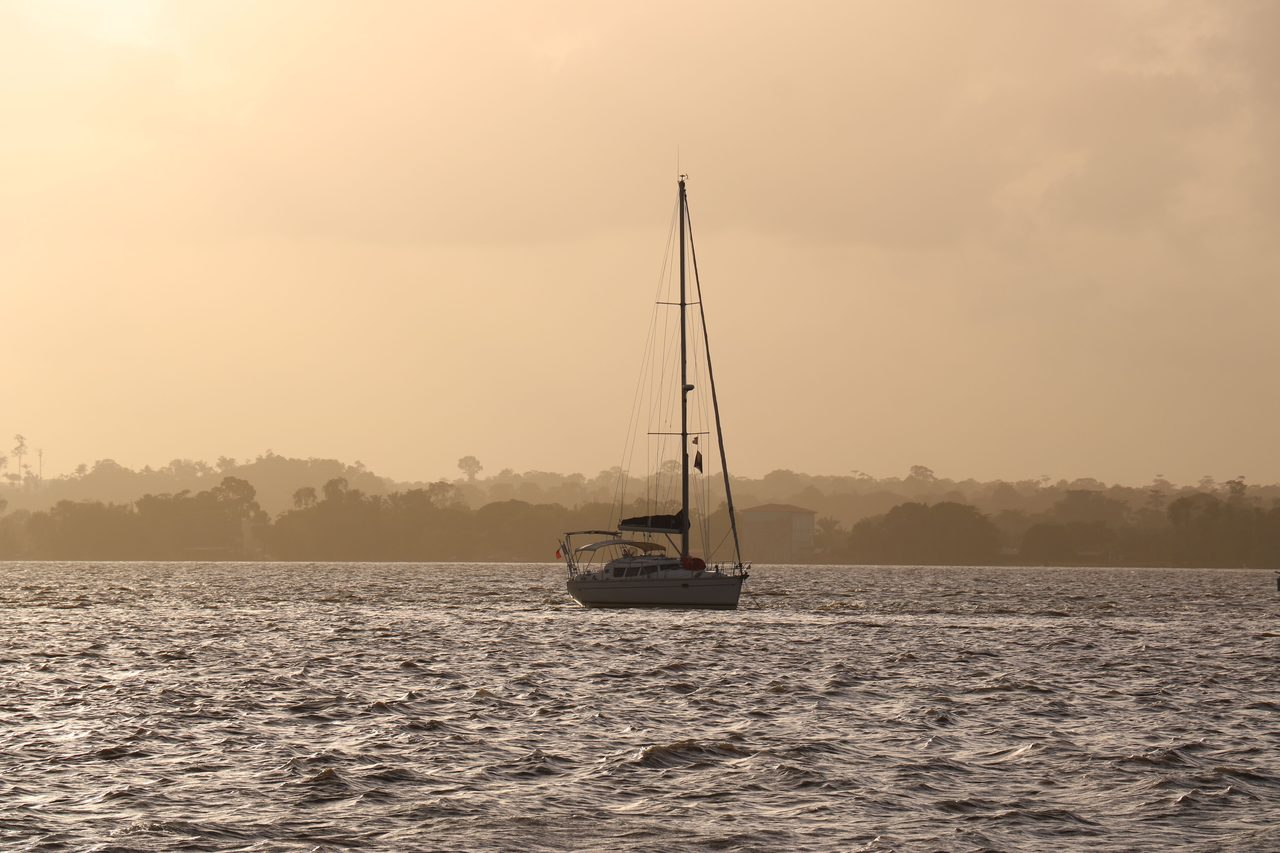
Centre Spatial Guyanais (Guiana Space Center)
Europe's primary orbital launch facility, from which Ariane, Vega, and Soyuz rockets reach orbit. Free tours of the launch pads and control centers, with the adjacent Guyaspace museum.
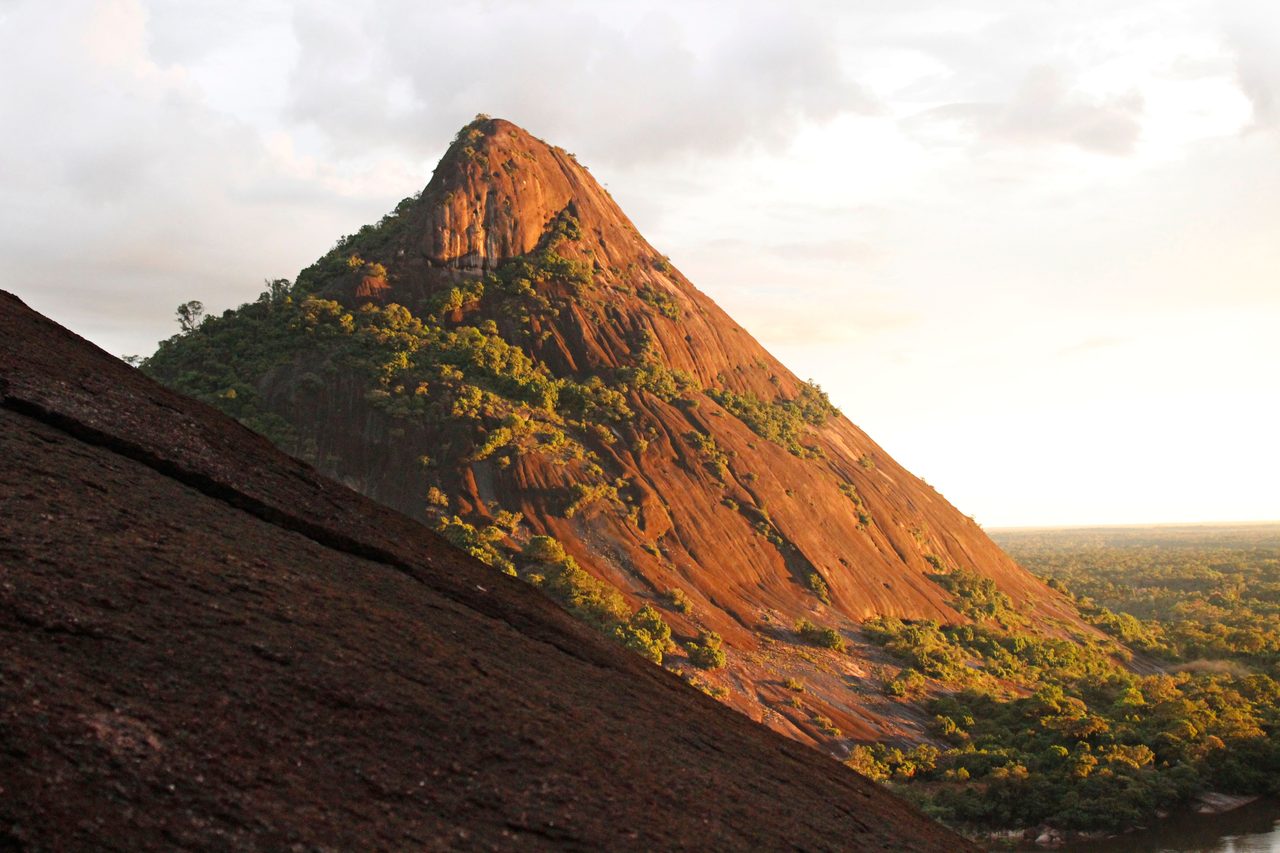
South America · 8 Places · Best September–October
French Guiana is an overseas department and region of France on the northeastern coast of South America, offering a remarkable fusion of pristine Amazonian rainforest, French European infrastructure, and extraordinary cultural diversity. Home to Europe's primary orbital launch facility, the territory combines space-age technology with some of the world's most biodiverse ecosystems.
Covering 83,534 km² — more than 90% of which is pristine Amazonian rainforest — French Guiana stands apart from every other destination in the Americas. As an integral part of France and the European Union, it uses the euro, operates under French law, and is accessible to US citizens without a visa. The capital Cayenne blends colonial Creole architecture with vibrant Wednesday, Friday, and Saturday markets. Kourou, one hour west, hosts the Guiana Space Center, from which Ariane and Vega rockets reach orbit. The Salvation Islands (Îles du Salut) preserve the haunting ruins of France's notorious 19th-century penal colony. Remote Saül — accessible only by 45-minute light aircraft — offers world-class primary rainforest hiking across 45 km of marked trails. Sea turtle nesting on Les Hattes and Montjoly beaches ranks among the most significant leatherback events on the planet. The Hmong village of Cacao holds a legendary Sunday morning market with Vietnamese noodle soups, tropical produce, and handwoven textiles. French Guiana is the most expensive destination in South America, but for wilderness, history, and sheer uniqueness, it offers experiences unavailable anywhere else.
Jump straight to the experience you're planning.
The 8 destinations our editors recommend — from iconic landmarks to under-the-radar finds.
Europe's primary orbital launch facility, from which Ariane, Vega, and Soyuz rockets reach orbit. Free tours of the launch pads and control centers, with the adjacent Guyaspace museum.
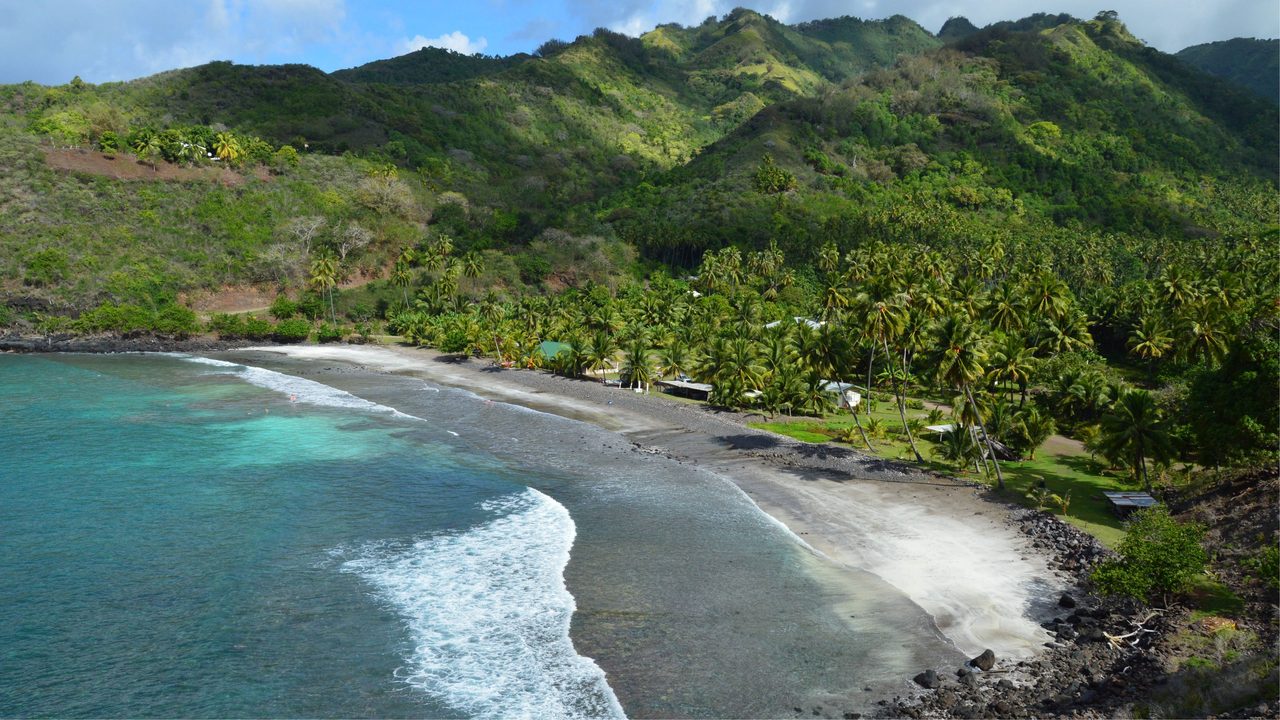
Three Atlantic islands housing the haunting ruins of France's infamous 19th-century penal colony. Île Royale has restored prison buildings, a hotel, and capuchin monkeys; Île Saint-Joseph retains atmospheric solitary-confinement cells in the jungle.
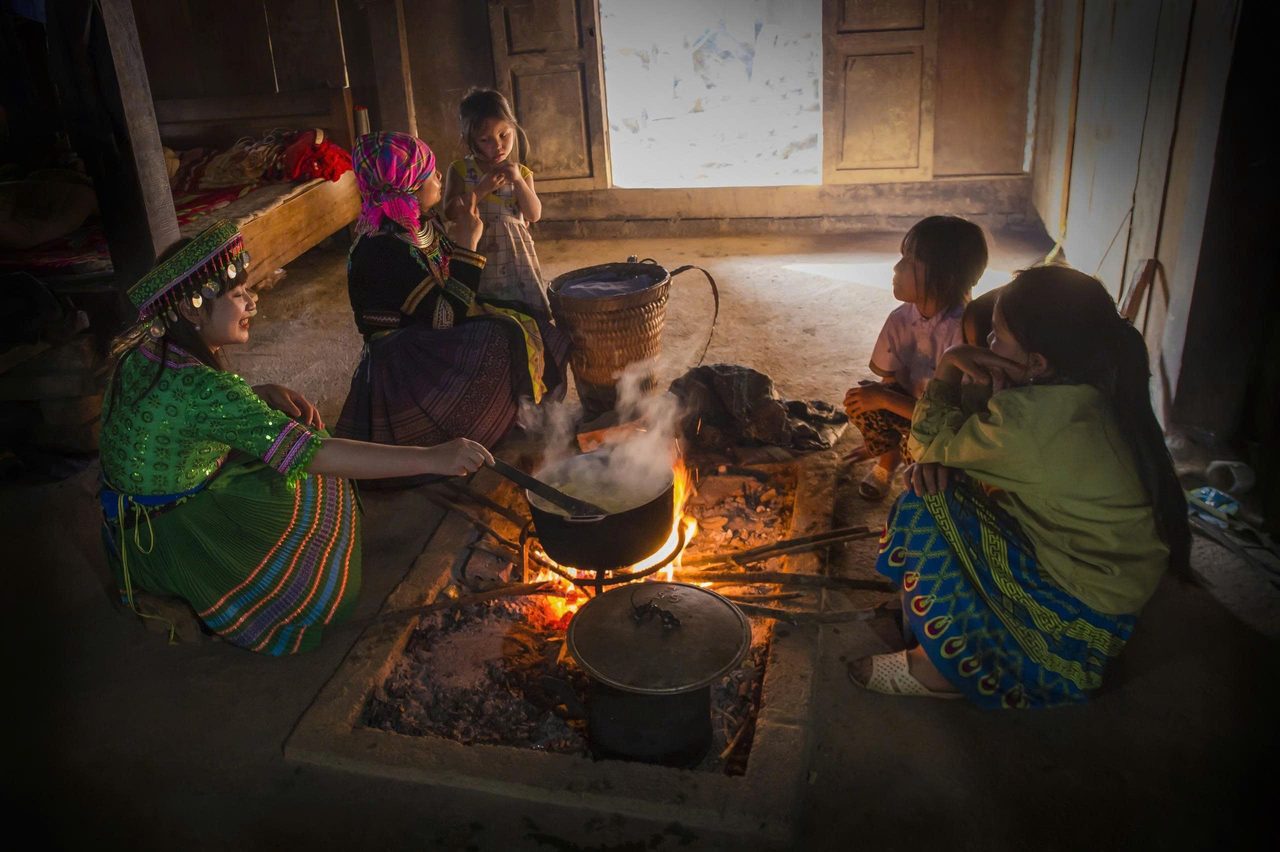
A community of Hmong refugees resettled from Laos in 1977. The legendary Sunday morning market offers Vietnamese noodle soups, tropical produce, handwoven baskets, and paj ntaub embroidery.
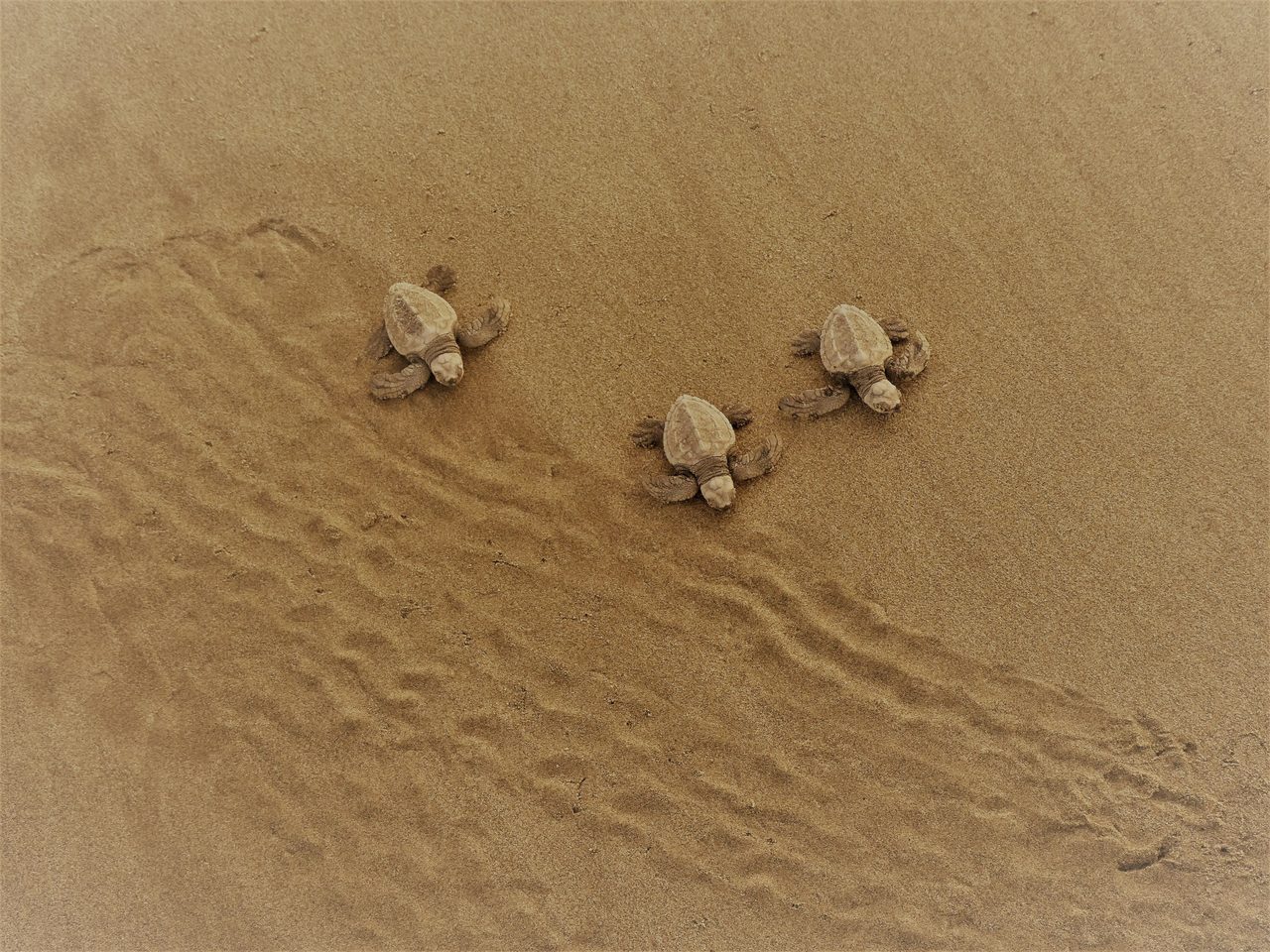
One of the world's most significant leatherback turtle nesting sites, with approximately 20,000 clutches laid annually. Night walks March–August offer unforgettable encounters with nesting females.
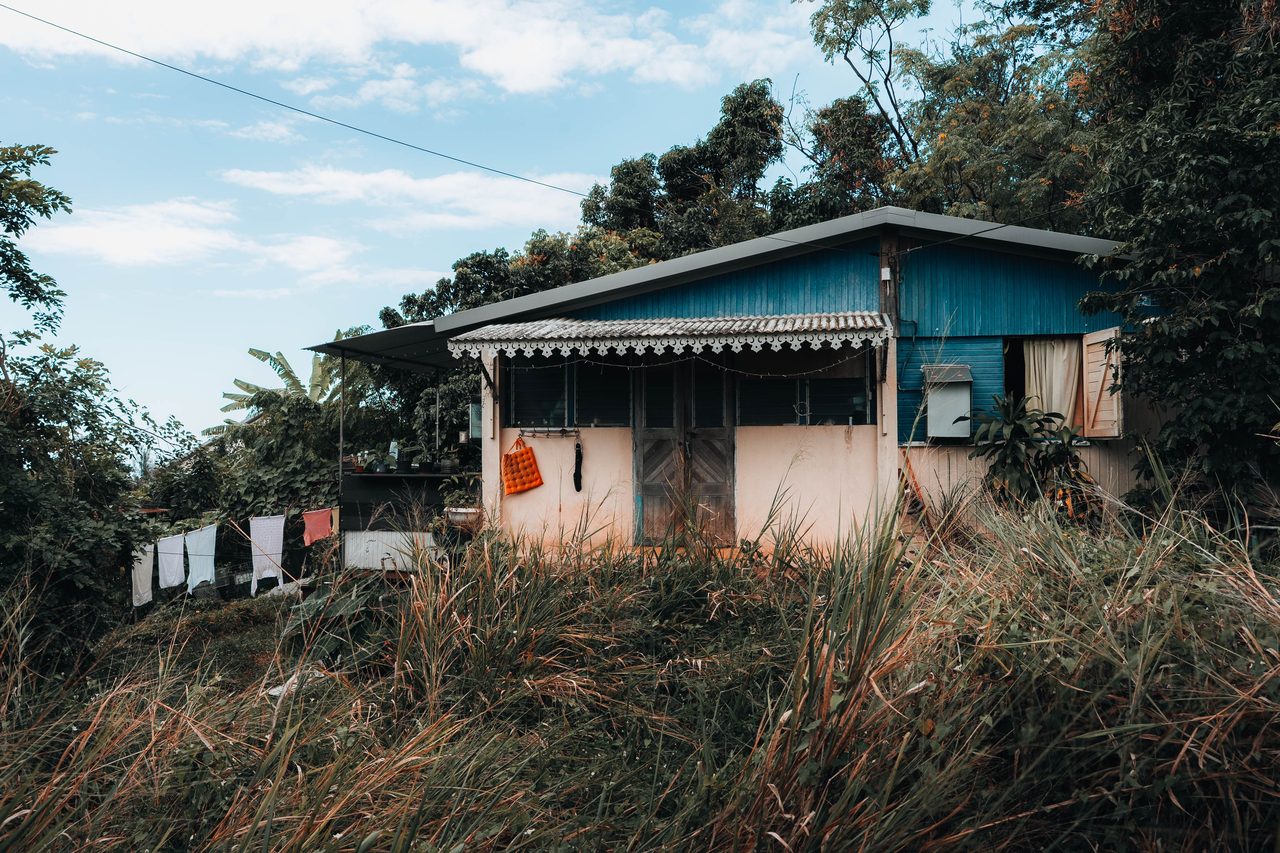
A remote jungle village accessible only by light aircraft, surrounded by 45 km of marked primary rainforest trails. The gateway to the Guiana Amazonian Park's core zone.
The oldest colonial fortification in Cayenne, built by French settlers in the 1640s, with panoramic views over the city and the Atlantic Ocean.
Pick a length, follow the route. Each itinerary balances headline sights with breathing room.
Three tiers, every traveller covered — from cost-conscious to flagship hotels.
Hostels, budget hotels, and guesthouses offer affordable stays without sacrificing experience.
Boutique hotels and well-located accommodations provide comfort and convenience at reasonable prices.
World-class resorts and premium hotels deliver unforgettable experiences.
Cafés, neighbourhood gems, and tasting menus worth the table reservation.
A no-frills Creole dining room in central Cayenne serving the kind of home-style cooking Guianese families make for Sunday lunch. The kitchen works from a short, seasonal menu rather than a long tourist card, and the room is simple tables and fans rather than decor.
Cayenne's upscale option for Creole cooking taken in a French fine-dining direction, pairing river and coastal ingredients with classical technique and plating. The dining room is dressed up relative to the city's mostly casual restaurant scene, aimed at special-occasion meals rather than a quick lunch.
A brasserie facing Place des Palmistes, Cayenne's central square, mixing Creole standards with French brasserie staples for a broad, all-day crowd. It functions as much as a people-watching terrace on the square as a destination kitchen.
Book a food tour in French Guiana We may earn a commission from bookings made through this link.
French Guiana has no rail network. Paved roads cover only the coastal strip. The interior jungle is accessed by light aircraft or pirogue.
Daily spend by tier in EUR, broken out by category.
| Category | Budget | Mid-range | Luxury |
|---|---|---|---|
| Accommodation | €15–€45 (~$16–$49) — hammock carbets, basic guesthouses, or Saül gîtes | €80–€130 (~$86–$140) — 3-star hotel in Cayenne or Kourou | €160–€220 (~$173–$238) — 4-star Mercure properties |
| Food (per day) | €15–€25 (~$16–$27) — market soups, lolos, and Hmong noodles | €30–€50 (~$32–$54) — mix of restaurants and markets | €60–€100 (~$65–$108) — fine dining at L'Amphitryon and top restaurants |
| Transportation | €5–€15 (~$5–$16) — collective taxis or walking | €20–€40 (~$22–$43) — taxis and occasional car rental | €50–€100 (~$54–$108) — rental car or private taxi |
| Activities | €5–€10 (~$5–$11) — most natural sites are free | €15–€35 (~$16–$38) — ferry to Îles du Salut, guided tours | €50–€150 (~$54–$162) — private pirogue expeditions, chartered flights |
| Daily total | €40–€95 (~$43–$103) | €145–€255 (~$157–$275) | €320–€570 (~$346–$616) |
Best time Shoulder Worth avoiding
Average daytime temperature in °C. Figures are for France.
September–October (peak dry season): the driest, sunniest months. September averages only 36 mm of rain and 7–8 rainy days. Temperatures around 30–32°C (86–90°F). Ideal for all activities — hiking, beach, wildlife, Saül.
Sea turtle nesting (April–August) draws wildlife visitors to Les Hattes and Montjoly despite the rainy season. The Space Center operates year-round regardless of weather.
Take malaria prophylaxis for jungle travel — Take anti-malarial medication (mefloquine, doxycycline, or atovaquone-proguanil/Malarone) if visiting jungle areas or Saül. Consult a travel medicine clinic at least 4 weeks before departure. The coastal cities of Cayenne, Kourou, and Saint-Laurent carry low malaria risk.
Yellow fever vaccination required — A valid yellow fever vaccination certificate (ICVP/carnet jaune) is required for entry from most countries and for visiting forested areas. The vaccine must be administered at least 10 days before arrival. Carry the certificate throughout the trip.
Use DEET repellent consistently throughout the territory — Apply 30–50% DEET insect repellent to all exposed skin — not only in jungle areas. Reapply every 3–4 hours. Dengue, chikungunya, and Zika are present year-round. Wear long sleeves and trousers at dawn and dusk when mosquito activity peaks.
Use official taxis and agree fares before boarding — Unlicensed taxi drivers approach arrivals at Cayenne's Félix Eboué airport and the Saint-Laurent river ferry dock. Use only official taxis from the designated airport stand. Always agree the fare before departing or confirm the meter is running. Typical airport-to-Cayenne-center fare is €25–€35 fixed.
Avoid high-crime neighborhoods after dark — In Cayenne, avoid the neighborhoods of Mango, Pascaline, Eaux-Lisette, Brutus, Mirza, Mont-Lucas, Petit-Lucas, and Cabassou after dark. In Kourou, the L'Anse, Eldo, and Saramaca Village areas carry elevated risk at night. Stick to city centers and well-lit streets.
Register your itinerary before jungle hikes — Before hiking in Saül or trekking in the Parc Amazonien de Guyane, register at the village mairie (town hall) in Saül or with a Parc Amazonien ranger (+594 594 29 65 00). Carry a satellite messenger device (SPOT, Garmin inReach) on multi-day treks — mobile phone coverage does not exist in the interior.
Watch for venomous snakes and river wildlife — The fer-de-lance (Bothrops atrox) and bushmaster (Lachesis muta) live in the jungle understory. Always wear closed-toe shoes on forest trails, watch where you step and put your hands, and never wade into jungle waterways without local guidance. Electric eels, piranhas, caimans, and stingrays inhabit Guianese rivers.
Stay hydrated and avoid midday exertion — French Guiana's equatorial climate means temperatures of 28–34°C with high humidity year-round. Drink at least 2–3 liters of water per day. Carry a water bottle on any excursion. Dehydration and heat exhaustion are real risks during physical activity; rest in the shade during 12:00–15:00.
French Guiana is generally safe for tourists who stick to established areas. Cayenne city center and tourist areas around Place des Palmistes are calm. Specific neighborhoods in Cayenne have elevated petty crime rates. Natural hazards (malaria, snakes, heat) pose greater risks than crime for jungle Emergency services: police at 17, medical at 15 (SAMU).
The best time to visit French Guiana is September–October. French Guiana has a hot, humid equatorial climate with temperatures staying between 22°C (72°F) at night and 30–32°C (86–90°F) during the day year-round. The territory lies well south of the Caribbean
US citizens may enter visa-free for up to 90 days. IMPORTANT: French Guiana is outside the Schengen Area — a Schengen visa does NOT grant entry. EU citizens may enter with a national identity card. Brazilian nationals gained visa-free access in 2025. Passport must be valid for at least 6 months beyond intended stay. Requirements vary by nationality, so check with your nearest embassy or the official immigration website before traveling.
The currency in French Guiana is the Euro (EUR, €) (EUR). ATMs are widely available in cities and tourist areas. Credit cards are accepted at most hotels and restaurants, but carry cash for markets and smaller establishments.
The main language(s) spoken in French Guiana: French (official), Guianese Creole, Hmong. In tourist areas, English is generally understood. Learning a few basic phrases in the local language is appreciated by locals.
The top attractions in French Guiana include Centre Spatial Guyanais (Guiana Space Center), Îles du Salut (Salvation Islands), Cacao Hmong Village, Plage Les Hattes Sea Turtle Reserve, and Village de Saül. Each offers a unique experience, from historic landmarks to natural wonders.