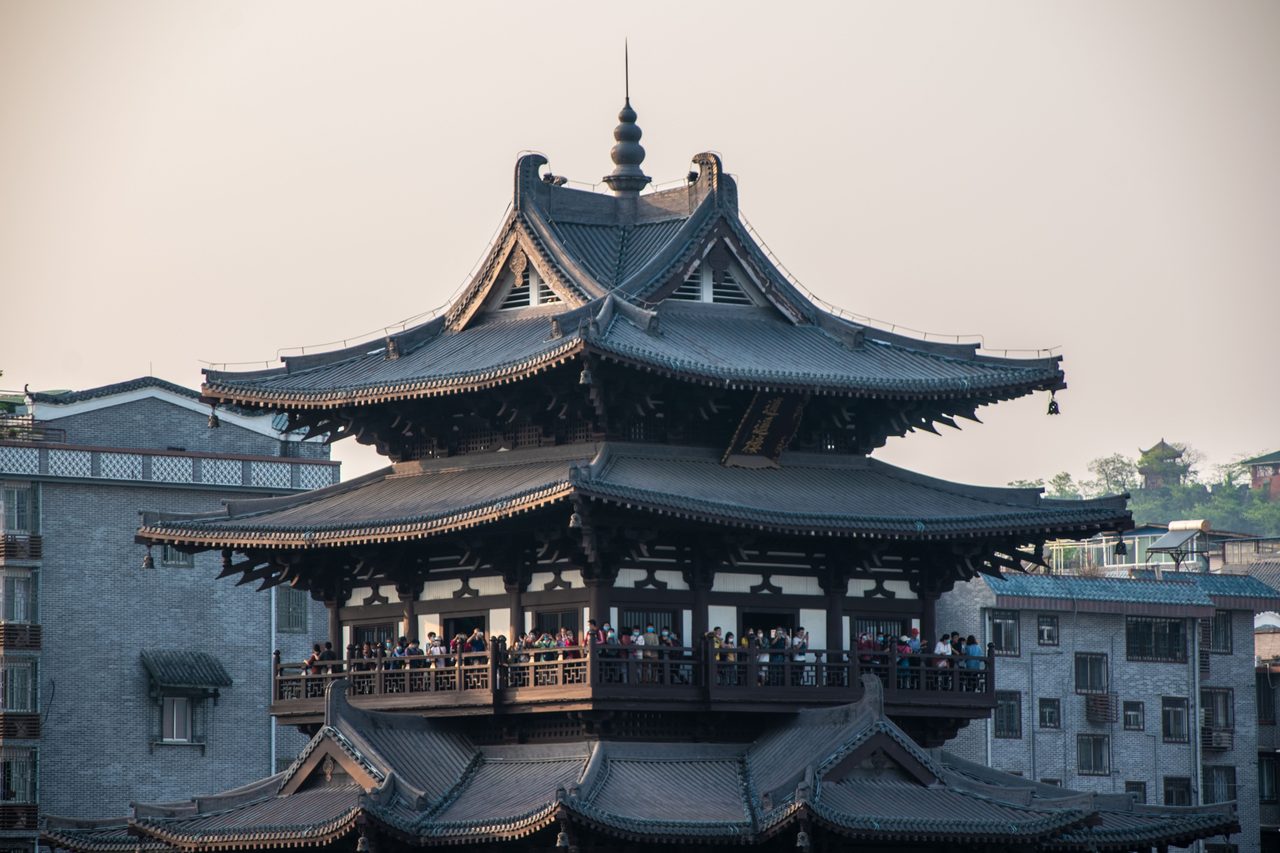
Guangxi Zhuang Autonomous Region is home to China's largest ethnic minority, the Zhuang, alongside significant Yao, Miao, and Dong populations. Famous worldwide for the karst peaks of Guilin and Yangshuo along the Li River, the terraced hillsides of Longji, and the thundering cross-border Detian Waterfall, Guangxi also holds a stretch of tropical coastline on the Gulf of Tonkin at Beihai and Weizhou Island. Its subtropical scenery, minority culture, and relative affordability make it one of southern China's most rewarding travel regions.
Guangxi Zhuang Autonomous Region sits in southern China, bordering Vietnam and the Gulf of Tonkin coastline. The region is defined by dramatic karst topography, most famously along the Li River between Guilin and Yangshuo, and by the terraced mountainsides of the Longji (Dragon's Backbone) Rice Terraces near Ping'an and Dazhai. Nanning, the regional capital, is a green, subtropical city that serves as the gateway to the Vietnam border crossing and the Beibu Gulf coast. Guangxi's food culture is distinct from the rest of China, with Liuzhou's pungent luosifen (river snail rice noodles) among the country's most recognizable regional dishes.
Capital
Nanning
Largest city
Nanning
Population
50 million
Languages
Mandarin Chinese, Standard Zhuang, Cantonese (Yue), Pinghua
The 21 destinations our editors recommend — from iconic landmarks to under-the-radar finds.
Li River Cruise (Li Jiang)
A slow cruise along the Li River between Guilin and Yangshuo passes the single most photographed landscape in China: hundreds of limestone karst peaks rising sheer from farmland and river shallows, the same scenery printed on the back of the RMB 20 note. The four-hour route drifts past water buffalo, bamboo groves, fishing villages, and named peaks such as Nine Horses Fresco Hill and Yellow Cloth Shoal.
Yangshuo West Street (Xi Jie)
A 1,400-year-old pedestrian street at the heart of Yangshuo that has evolved from a Tang Dynasty trading lane into the region's main travelers' hub, lined with cafes, bars, outdoor gear shops, and stalls selling Zhuang and Yao handicrafts. Karst peaks are visible at the end of nearly every side alley, and the street becomes a lively night market after dark.
Moon Hill (Yueliang Shan)
A dramatic karst peak pierced by a natural arch large enough to be seen from the road below, resembling a crescent moon depending on the viewing angle. A steep stone staircase of roughly 800 steps climbs through the arch to a viewpoint overlooking the surrounding countryside and peaks of Yangshuo's Moon Hill scenic area.
Longji Rice Terraces, Ping'an Zhuang Village
Terraced rice paddies carved into steep mountainsides over roughly 650 years by Zhuang and Yao farmers, forming curving contour lines that follow the slope of the 'Dragon's Backbone' ridge. Ping'an is the most accessible of the terrace villages, with wooden stilt houses, viewpoints named Seven Stars Accompanying the Moon and Nine Dragons Five Tigers, and a cable car for those who prefer not to hike up.
Dazhai / Jinkeng Rice Terraces
A larger and less-visited section of the Longji terraces centered on Dazhai village, home to the Red Yao ethnic group, known locally for the exceptionally long uncut hair of Yao women. The Jinkeng terraces spread across a wider amphitheater of mountainside than Ping'an, with multiple viewpoints reached by hiking trails or a cable car connecting Dazhai to the Golden Buddha Peak viewpoint.
Reed Flute Cave (Ludi Yan)
A limestone cave system in use since the Tang Dynasty, named for the reeds growing at its entrance once used to make flutes. The cave's chambers are illuminated in colored light revealing stalactites, stalagmites, and rock formations given poetic names such as the Crystal Palace of the Dragon King, a naturally hollowed chamber said to inspire the underwater palace legend in the classic novel Journey to the West.
Recommended itineraries
Pick a length, follow the route. Each itinerary balances headline sights with breathing room.
5-Day Guangxi Explorer
Day 1Arrive in Guangxi, explore city center
Day 2Visit top attractions and museums
Day 3Day trip to nearby highlights
Day 4Local markets and hidden gems
Day 5Final sightseeing, departure
7-Day Classic Guangxi
Days 1-2Guangxi city highlights
Days 3-4Regional exploration
Days 5-6Cultural immersion and local experiences
Day 7Return and departure
14-Day Ultimate Guangxi
Days 1-3Guangxi comprehensive city tour
Days 4-6Northern region exploration
Days 7-9Eastern highlights
Days 10-12Southern attractions
Days 13-14Return to Guangxi, departure
Where to stay in Guangxi
Three tiers, every traveller covered — from cost-conscious to flagship hotels.
Budget $30
Hostels, budget hotels, and guesthouses offer affordable stays without sacrificing experience.
Mid-range $100
Boutique hotels and well-located accommodations provide comfort and convenience at reasonable prices.
Luxury $320
World-class resorts and premium hotels deliver unforgettable experiences.
Shangri-La Hotel Guilin
Li River waterfront, Guilin · ¥900-1,600 ($134-239)/night
A large five-star hotel on the banks of the Li River in Guilin, surrounded by karst peak scenery, with 439 rooms, extensive gardens, and multiple dining venues.
Li River west bank, central Guilin · ¥700-1,200 ($105-179)/night
A riverside hotel on the west bank of the Li River in Xiufeng District, within walking distance of Elephant Trunk Hill and Fubo Hill, offering modern rooms and river views.
Ronghu Lake, central Guilin · ¥400-650 ($60-97)/night
A well-established hotel overlooking Ronghu Lake in central Guilin, formerly operated as the Holiday Inn Guilin, about a 10-minute walk from the city center.
A modern branded hotel in Guilin's Qixing (Hi-Tech) District, offering straightforward comfort within a short drive of Seven Star Park and Reed Flute Cave.
Cafés, neighbourhood gems, and tasting menus worth the table reservation.
Cloud 9 Restaurant
International/Chinese Fusion · $$
A long-running restaurant on Yangshuo's West Street known both for its menu of Western breakfasts and Guangxi classics and for the cooking school run on its upper floor since 2003. The multi-level building looks directly onto the West Street foot traffic, and the kitchen serves a version of Yangshuo beer fish alongside pizza, pasta, and pancakes for travelers wanting familiar options.
Da Shi Fu Beer Fish
Guangxi · $$
Da Shi Fu (Master Chef) Beer Fish operates several branches around Yangshuo, with the West Street location regarded as the strongest of the chain. The kitchen simmers whole freshwater fish in a sauce built on local beer, chili, tomato, and pickled vegetables, finishing the dish tableside in a wide clay pot so the sauce keeps bubbling through the meal.
Xie Dajie Beer Fish
Guangxi · $$
One of roughly six Xie Dajie branches clustered around Yangshuo West Street, this main-store location prepares beer fish using river fish sourced fresh each morning. The dining room is set up for large clay-pot sharing plates, and the recipe leans slightly sweeter than some competing beer fish kitchens on the street.
Liujie Beer Fish
Guangxi · $$
Located on Pantao Road a short walk from the West Street crowds, Liujie Beer Fish markets its sauce recipe as an unchanged Guangxi heritage formula. The dining room is quieter than the West Street beer fish restaurants, drawing a mix of locals and travelers who prefer a calmer setting for the same dish.
Chuanzhang Beer Fish Restaurant
Guangxi · $$
A well-reviewed beer fish specialist on West Street offering a slightly spicier take on the dish than its neighbors, cooked with extra dried chili and Yangshuo-brewed beer. The restaurant also serves a standard menu of Guilin mifen and stir-fried vegetables for diners splitting a table order.
Karst Cafe
International/Cafe · $$
A two-story cafe at 58 West Street decorated with hand-painted t-shirts, flags, and batik tablecloths, run by a rock-climbing enthusiast well known along the strip. The kitchen is best known for its fruit pizza, though the menu also covers a Yangshuo beer fish and standard Western cafe fare aimed at long-stay travelers and climbers.
Guangxi is served by two main air gateways, Guilin Liangjiang International Airport and Nanning Wuxu International Airport, plus a dense high-speed rail network linking Nanning, Guilin, Liuzhou, and the border city of Pingxiang. Buses and shared minivans fill the gaps to smaller destinations like Yangshuo, Longji, and Detian Waterfall, and DiDi ride-hailing is essential for local transit.
High-speed Train
CRH trains connect Nanning to Guilin (about 3 hours) and Nanning to Liuzhou (about 1.5 hours)
Cost: $8-25
Domestic Flight
Fastest way to reach Beihai or connect Guangxi with major Chinese cities from Guilin or Nanning
Cost: $30-90
Long-distance Bus
Serves routes not covered by rail, including Yangshuo, Longji, and Detian Waterfall
Cost: $3-20
DiDi (Ride-Hailing)
China's Uber equivalent; essential for city transport in Nanning, Guilin, and Liuzhou
Cost: $2-7
Li River Cruise Boat
Scenic cruise between Guilin and Yangshuo along the karst-lined Li River
Cost: $50-100
Bicycle
Ideal for the Yulong River loop and Yangshuo countryside; rental widely available
Cost: $3-6/day
Shared Minivan
Flexible shared transport on tourist routes such as Guilin to Longji or Yangshuo to Xingping
Cost: $4-9 per seat
Budget breakdown
Daily spend by tier in CNY, broken out by category.
Category
Budget
Mid-range
Luxury
Accommodation
$8
$45
$170
Food (per day)
$8
$28
$80
Transportation
$4
$12
$40
Activities
$10
$15
$30
Daily total
$30
$100
$320
Best time to visit Guangxi
Weather through the year in Guangxi
Best timeShoulderWorth avoiding
Average daytime temperature in °C. Figures are for Guangxi.
March to May and September to November
Essential travel tips
Download DiDi (Chinese Uber) for local transport
VPN recommended for accessing foreign websites
WeChat Pay or Alipay essential for cashless payments
Book Li River cruise tickets in advance during peak season
Hidden gems
Off-the-beaten-path corners most travellers miss.
Xingping's back streets away from the boat docks
where locals still run family noodle stalls
Yangshuo's Baisha morning market
for produce and river snacks rarely seen by tour groups
Ping'an terraces from the Seven Stars Accompanying the Moon viewpoint
Seven Stars Accompanying the Moon is the higher and more expansive of Ping'an village's two main terrace viewpoints in the Longji Scenic Area, reached by a climb above the village's stilt houses.
Xingping's karst peaks from across the Li River
Silver Beach's western end, Beihai
The western stretch of Silver Beach in Beihai lies away from the main entrance, water-sport rentals, and paid amenity zones, offering a quieter section of sand and the clearest sightline for sunset over the Gulf of Tonkin.
Fubo Hill summit pavilion over the Li River
The summit pavilion atop Fubo Hill in central Guilin overlooks the bend where the Li River curves past the city, reached by a short climb from the Returned Pearl Cave at the hill's base.
Safety information
INFO
Download and carry digital copies of your passport, visa, and travel insurance — originals may be required at hotels and some attractions
INFO
Wear a life jacket on Li River bamboo rafts and small tourist boats, and follow the boat operator's safety instructions
INFO
Drink only bottled or purified water throughout Guangxi — tap water is not potable and can cause stomach issues
INFO
Use DiDi (the official ride-hailing app) or metered taxis only; avoid unofficial drivers at train stations and tourist sites
INFO
Secure valuables in crowded tourist areas, particularly Yangshuo's West Street, Guilin's riverside promenades, and Nanning's markets
INFO
Register with your embassy or consulate upon arrival for longer stays; US, UK, and Australian embassies have emergency hotlines for citizens
INFO
Be cautious of overpriced 'tea ceremony' or gallery invitations from overly friendly strangers in tourist zones
INFO
Avoid swimming in rivers, canals, or lakes outside designated, supervised areas — currents and water quality are inconsistent
INFO
Check weather and road conditions before driving to Longji Rice Terraces or Detian Waterfall during the rainy season (April-September), when landslides are more likely
INFO
Store emergency numbers in your phone: police 110, ambulance 120, fire 119
INFO
Keep a small amount of cash (¥200-500, ~$30-75) on you, as many rural villages near Longji and Detian do not accept mobile payments
INFO
If cycling around Yangshuo or the Yulong River, wear a helmet and check bike brakes before setting off, and avoid riding after dark on rural roads
INFO
Beihai and Weizhou Island can be affected by typhoons between July and September — check forecasts before coastal travel
INFO
Use reef-safe sunscreen and check for jellyfish warnings before swimming at Beihai's Silver Beach or Weizhou Island
Frequently asked questions
Is Guangxi safe to visit in 2026?
Guangxi is one of China's safer regions for tourists, with low violent crime rates and welcoming communities. The main risks are petty theft in crowded tourist areas like Yangshuo's West Street, boating incidents on the Li River, and landslide-prone mountain roads near Longji and Detian Waterfall during the rainy season. Emergency services: police at 110, medical at 120.
What is the best time to visit Guangxi?
The best time to visit Guangxi is March to May and September to November, when temperatures are mild and rainfall is lower than the summer monsoon season. July and August bring heavy rain, high humidity, and occasional typhoon activity along the Beihai coast, along with the peak of Chinese domestic summer travel.
Do I need a visa to visit Guangxi?
Entry requirements follow China's national rules. Most visitors need a Chinese visa obtained in advance, though citizens of more than 55 countries may qualify for the 240-hour visa-free transit policy through designated ports, including Nanning, Guilin, Beihai, and Liuzhou, if continuing on to a third country or region. Requirements vary by nationality, so check with your nearest embassy or the official immigration website before traveling.
What currency is used in Guangxi?
The currency in Guangxi is the Chinese Yuan (CNY). ATMs are widely available in Nanning, Guilin, and Yangshuo. Credit cards are accepted at larger hotels, but WeChat Pay, Alipay, or cash are needed for most restaurants, markets, and smaller guesthouses.
What language is spoken in Guangxi?
The main languages spoken in Guangxi are Mandarin Chinese, Standard Zhuang, Cantonese (Yue), and Pinghua. In tourist areas like Yangshuo, English is understood by many businesses catering to foreign visitors. Learning a few basic Mandarin phrases is appreciated by locals.
What are the top attractions in Guangxi?
The top attractions in Guangxi include the Li River cruise between Guilin and Yangshuo, the Longji (Dragon's Backbone) Rice Terraces, Reed Flute Cave, Yangshuo's West Street, and Detian Waterfall on the Vietnam border. Beihai's Silver Beach and Weizhou Island offer Guangxi's coastal counterpoint to its inland karst scenery.
Explore Guangxi by city
The cities below have their own guides — hotels, attractions and where to eat, in depth.