

Home / Destinations / China

China

China offers an incredible journey through 5,000 years of history, from the Great Wall and Forbidden City to ultramodern Shanghai skyscrapers. Experience diverse landscapes ranging from karst mountains in Guilin to the Tibetan Plateau, savor world-renowned cuisine, and witness the fusion of ancient traditions with cutting-edge technology.

Asia 33 Places Best: April-May, September-October

About China

China offers an incredible journey through 5,000 years of history, from the Great Wall and Forbidden City to ultramodern Shanghai skyscrapers. Experience diverse landscapes ranging from karst mountains in Guilin to the Tibetan Plateau, savor world-renowned cuisine, and witness the fusion of ancient traditions with cutting-edge technology.

Quick Overview

Capital: Beijing

Largest City: Shanghai

Population: 1.4 billion (2024 estimate)

Languages: Mandarin Chinese (official), Cantonese, Wu, Minbei, Minnan, Xiang, Gan, Hakka dialects

Currency: Chinese Yuan (Renminbi) (CNY)

Time Zone: UTC+8 (China Standard Time)

Explore China by Topic

Best Places to Visit in China

Discover the top 33 must-see destinations in China, from iconic landmarks to off-the-beaten-path treasures.

The Great Wall of China (Mutianyu Section)

The Great Wall of China (Mutianyu Section)

The Mutianyu section offers one of the most scenic and well-preserved stretches of the Great Wall, less crowded than Badaling. Built in the mid-6th century and renovated in 1569, this section features 23 watchtowers along 2.5km of wall. Cable car and toboggan available for easy access.
Forbidden City (Palace Museum)

Forbidden City (Palace Museum)

The world's largest palace complex served as the imperial residence for 24 emperors during Ming and Qing dynasties (1420-1912). This UNESCO World Heritage site contains 980 buildings with 9,999 rooms, showcasing classical Chinese architecture and housing over 1.8 million artifacts.

Terracotta Army

Terracotta Army

Discovered in 1974, this archaeological marvel features over 8,000 life-sized terracotta soldiers, horses, and chariots buried with China's first emperor Qin Shi Huang in 210 BCE. Each figure has unique facial features and represents one of the greatest archaeological finds of the 20th century.

Li River Cruise

Li River Cruise

Cruise through one of China's most stunning landscapes from Guilin to Yangshuo, passing dramatic karst peaks, bamboo groves, and traditional fishing villages. The 83km journey showcases scenery depicted on the 20 yuan note and in countless Chinese paintings.

Temple of Heaven

Temple of Heaven

This 15th-century imperial complex is where Ming and Qing emperors performed annual ceremonies praying for good harvests. The Hall of Prayer for Good Harvests, a masterpiece of Chinese architecture, sits in a 267-hectare park where locals practice tai chi, dance, and traditional music.

The Bund

The Bund

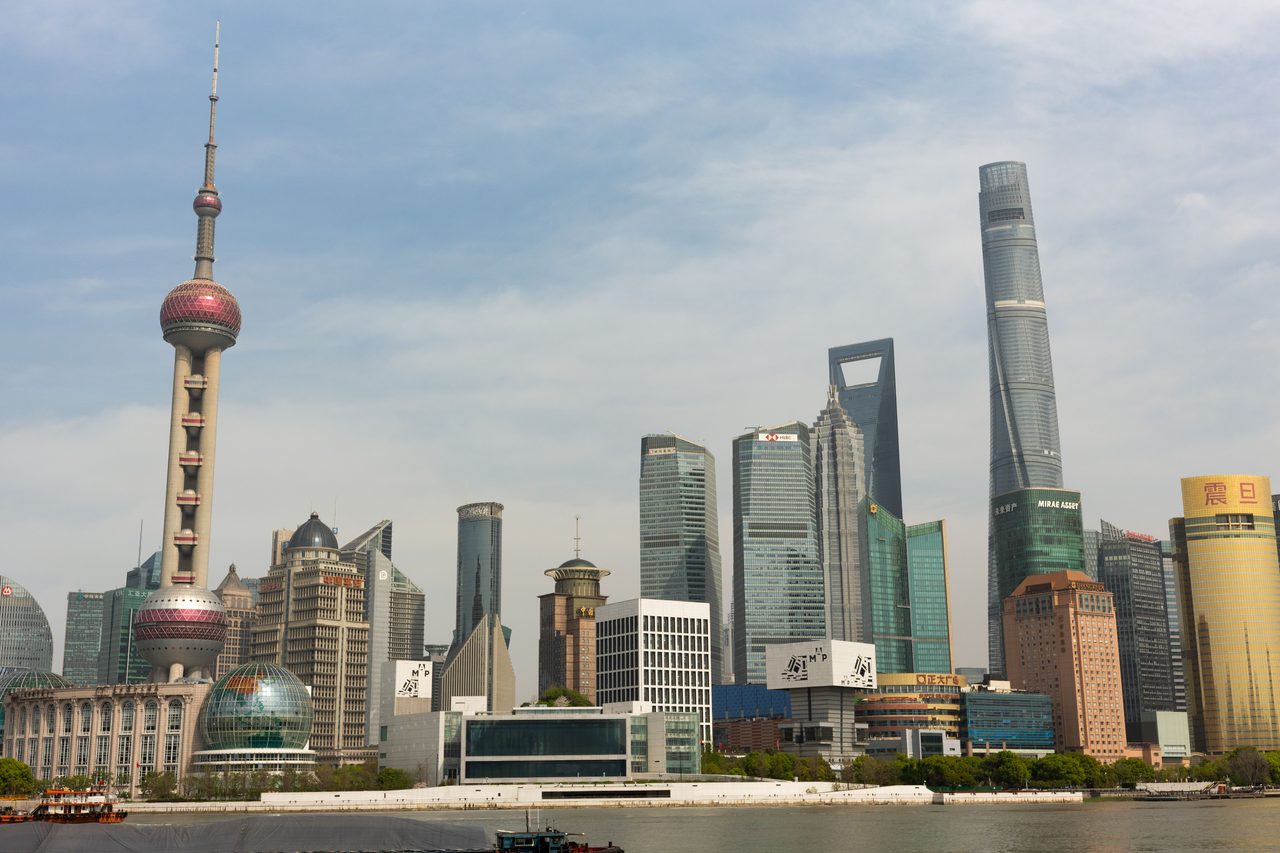
Shanghai's iconic waterfront promenade showcases 52 buildings of various architectural styles from the 1920s-1930s on one side, with futuristic Pudong skyline including Shanghai Tower across the Huangpu River. The mile-long walkway epitomizes Shanghai's blend of historical colonial grandeur and modern ambition.

Summer Palace

Summer Palace

Beijing's largest imperial garden spans 2.9 square kilometers, dominated by Kunming Lake and Longevity Hill. Built in 1750 and rebuilt in 1886, it served as a summer retreat for emperors. Features include the Long Corridor with 14,000 paintings, Marble Boat, and traditional Chinese garden design.

Yu Garden (Yuyuan Garden)

Yu Garden (Yuyuan Garden)

This exquisite classical Chinese garden in Shanghai's old city dates to 1559 during the Ming Dynasty. Spanning 2 hectares, it features rockeries, ponds, pavilions, and the famous Exquisite Jade Rock. The surrounding bazaar offers traditional snacks and souvenirs.

Recommended Itineraries for China

Plan your perfect China trip with our expertly crafted itineraries for every travel style and duration.

5-Day China Explorer

  • Day 1: Arrive in China, explore city center
  • Day 2: Visit top attractions and museums
  • Day 3: Day trip to nearby highlights
  • Day 4: Local markets and hidden gems
  • Day 5: Final sightseeing, departure

7-Day Classic China

  • Days 1-2: China city highlights
  • Days 3-4: Regional exploration
  • Days 5-6: Cultural immersion and local experiences
  • Day 7: Return and departure

14-Day Ultimate China

  • Days 1-3: China comprehensive city tour
  • Days 4-6: Northern region exploration
  • Days 7-9: Eastern highlights
  • Days 10-12: Southern attractions
  • Days 13-14: Return to China, departure

Where to Stay in China

From luxury resorts to budget-friendly options, China offers accommodations for every traveler.

Budget Options ($30-50 (210-350 CNY))

Hostels, budget hotels, and guesthouses offer affordable stays without sacrificing experience.

Mid-Range ($80-120 (560-840 CNY))

Boutique hotels and well-located accommodations provide comfort and convenience at reasonable prices.

Luxury ($200-500+ (1400-3500+ CNY))

World-class resorts and premium hotels deliver unforgettable experiences.

The Peninsula Beijing

| $350-600 — $500-900

Iconic luxury hotel combining 1920s charm with modern amenities in a prime location near Forbidden City and Tiananmen Square. Features Rolls-Royce fleet, Michelin-starred dining, and legendary service. Spacious rooms blend contemporary comfort with Chinese design elements.

Check rates on Booking.com

Hotel Éclat Beijing

| $120-200 — $160-260

Boutique art hotel showcasing Salvador Dalí collection and contemporary Chinese art throughout public spaces and rooms. Modern design, excellent restaurant, and convenient location near 798 Art District. Unique blend of luxury and affordability.

Check rates on Booking.com

Leo Hostel Beijing

| $12-35 — $15-45

Social hostel near Forbidden City with excellent rooftop bar, free walking tours, and helpful staff. Clean dorms and private rooms, communal kitchen, and lively atmosphere. Perfect for meeting fellow travelers in central location.

Check rates on Booking.com

Mandarin Oriental Pudong Shanghai

| $280-500 — $400-750

Occupying floors 60-93 of Shanghai Tower with breathtaking Bund and skyline views from China's tallest building. Ultra-modern rooms with floor-to-ceiling windows, multiple award-winning restaurants, and exclusive Sky Spa. Direct metro connection for convenience.

Check rates on Booking.com

Where to Eat in China

Discover the culinary delights of China, from local street food to fine dining experiences.

TRB Hutong

Contemporary European | $$$$$

Michelin-starred restaurant in a restored 600-year-old temple courtyard near Forbidden City. Chef Ignace Lecleir creates innovative European cuisine using Chinese ingredients. Stunning setting with temple architecture and art gallery upstairs.

Din Tai Fung

Taiwanese/Dim Sum | $$

World-famous xiaolongbao (soup dumplings) chain maintaining exceptional quality and consistency. Each dumpling has exactly 18 pleats. Multiple locations across China, always crowded but worth the wait for perfect dumplings.

Jing-A Taproom

American Gastropub | $

Beijing's best craft brewery serving burgers, wings, and American comfort food alongside creative beers. Industrial-chic space with outdoor seating. Popular with expats and young Chinese. Multiple locations across Beijing.

Wangfujing Snack Street

Beijing Street Food | $

Famous night market near Forbidden City with rows of vendors selling traditional and exotic street foods. Scorpions, starfish, and crickets alongside dumplings, kebabs, and sweets. Tourist prices but fun experience.

Seesaw Coffee

Specialty Coffee | $

Shanghai's premier specialty coffee chain with multiple locations. Single-origin beans, expert baristas, and modern minimalist spaces. Popular with coffee aficionados and freelancers. Pastries and light food available.

Ultraviolet by Paul Pairet

Multi-sensory Avant-garde | $$$$$

The world's first multi-sensory restaurant with only 10 seats per night. 20-course tasting menu synchronized with lights, sounds, and projections. Three Michelin stars. Most exclusive dining experience in China, requires months advance booking.

Getting Around China

Budget Breakdown for China

Plan your spending with our comprehensive cost guide. Currency: USD.

Category Budget Mid-Range Luxury
Accommodation $10-15 hostel dorm $35-60 3-star hotel or nice guesthouse $120-300+ 5-star hotels
Food (per day) $10-15 street food and cheap restaurants $25-35 mix of local restaurants and some nicer meals $60-120 fine dining and upscale restaurants
Transportation $3-8 metro and local buses $8-15 metro, occasional taxis, bike rental $20-50 taxis, private drivers, premium trains
Activities $5-10 free attractions, parks, one paid site $15-25 entry fees to attractions, occasional tour $30-80 VIP tours, exclusive experiences
Daily Total $30-50 (210-350 CNY) $80-120 (560-840 CNY) $200-500+ (1400-3500+ CNY)

Best Time to Visit China

Best Season: April-May, September-October

Peak Season: April-May, September-October

Avoid: December-February, June-August

Essential Travel Tips for China

  • Research visa requirements before your trip
  • Learn a few basic phrases in the local language
  • Carry cash as cards may not be accepted everywhere
  • Respect local customs and dress codes
  • Purchase travel insurance before departure

Hidden Gems in China

Discover off-the-beaten-path treasures that most tourists never find.

Dali Old Town

Charming ancient town at foot of Cangshan Mountains overlooking Erhai Lake

Detian Waterfall

Spectacular transnational waterfall on China-Vietnam border

Jingshan Park Summit

Imperial hill directly north of Forbidden City, offering the most complete aerial view of the golden palace complex

Zhangye Danxia Landform

Xiapu Mudflats

Kanas Lake

Guizhou Villages

Shangri-La (Zhongdian)

Dali Old Town

Charming ancient town at foot of Cangshan Mountains overlooking Erhai Lake

Detian Waterfall

Spectacular transnational waterfall on China-Vietnam border

Dali Old Town

Charming ancient town at foot of Cangshan Mountains overlooking Erhai Lake

Detian Waterfall

Spectacular transnational waterfall on China-Vietnam border

Zhangye Danxia Landform

Xiapu Mudflats

Kanas Lake

Guizhou Villages

Shangri-La (Zhongdian)

Dali Old Town

Charming ancient town at foot of Cangshan Mountains overlooking Erhai Lake

Detian Waterfall

Spectacular transnational waterfall on China-Vietnam border

Jingshan Park Summit

Imperial hill directly north of Forbidden City, offering the most complete aerial view of the golden palace complex

Dali Old Town

Charming ancient town at foot of Cangshan Mountains overlooking Erhai Lake

Detian Waterfall

Spectacular transnational waterfall on China-Vietnam border

Dali Old Town

Charming ancient town at foot of Cangshan Mountains overlooking Erhai Lake

Detian Waterfall

Spectacular transnational waterfall on China-Vietnam border

Safety Information

Travel Advisory

Exercise normal precautions in most of China. Exercise increased caution in Tibet (requires special permit, restricted access), Xinjiang (heightened security, surveillance), and border regions. COVID health measures vary. Check government travel advisories before visiting politically sensitive regions.

INFO

Keep copies of passport and visa separate from originals

INFO

Avoid discussing sensitive political topics in public

INFO

Use registered taxis or ride-hailing apps like Didi

INFO

Be aware of pickpockets in crowded areas and tourist sites

INFO

Download VPN before arrival as many Western websites are blocked

INFO

Carry cash as many places don't accept foreign credit cards

INFO

Don't drink tap water - bottled water widely available

INFO

Register with your embassy or consulate online before arrival through programs like STEP (US citizens) for emergency notifications

INFO

Install WeChat Pay and Alipay before visiting as most street vendors and local restaurants only accept mobile payments - foreign cards work in some apps with setup

INFO

Carry your hotel address card in Chinese script - many taxi drivers and locals do not speak English, and showing the card guarantees you reach your destination

Frequently Asked Questions

Is China safe to visit in 2026?

China is generally very safe for tourists with extremely low rates of violent crime against foreigners. The main risks are petty theft, sophisticated tourist scams, air pollution health concerns, and political sensitivities around certain speech and photography. Medical facilities are excellent in major cities. Emergency services: police at 110, medical at 120.

What is the best time to visit China?

The best time to visit China is April-May, September-October. China's vast size (9.6 million km²) produces extraordinary climatic diversity: tropical Hainan Island has year-round warm weather while Harbin has Siberian winters; the Tibetan Plateau has alpine cond

Do I need a visa to visit China?

US citizens must obtain a visa prior to arrival. Ten-year multiple entry visas available. Passport must have 6+ months validity. 240-hour transit visa-free available for eligible travelers. New online visa application system (COVA) launched September 2025. Requirements vary by nationality, so check with your nearest embassy or the official immigration website before traveling.

What currency is used in China?

The currency in China is the Chinese Yuan (Renminbi) (CNY) (CNY). ATMs are widely available in cities and tourist areas. Credit cards are accepted at most hotels and restaurants, but carry cash for markets and smaller establishments.

What language is spoken in China?

The main language(s) spoken in China: Mandarin Chinese (official), Cantonese, Wu. In tourist areas, English is generally understood. Learning a few basic phrases in the local language is appreciated by locals.

What are the top attractions in China?

The top attractions in China include The Great Wall of China (Mutianyu Section), Forbidden City (Palace Museum), Terracotta Army, Li River Cruise, and Temple of Heaven. Each offers a unique experience, from historic landmarks to natural wonders.

Explore China by Region