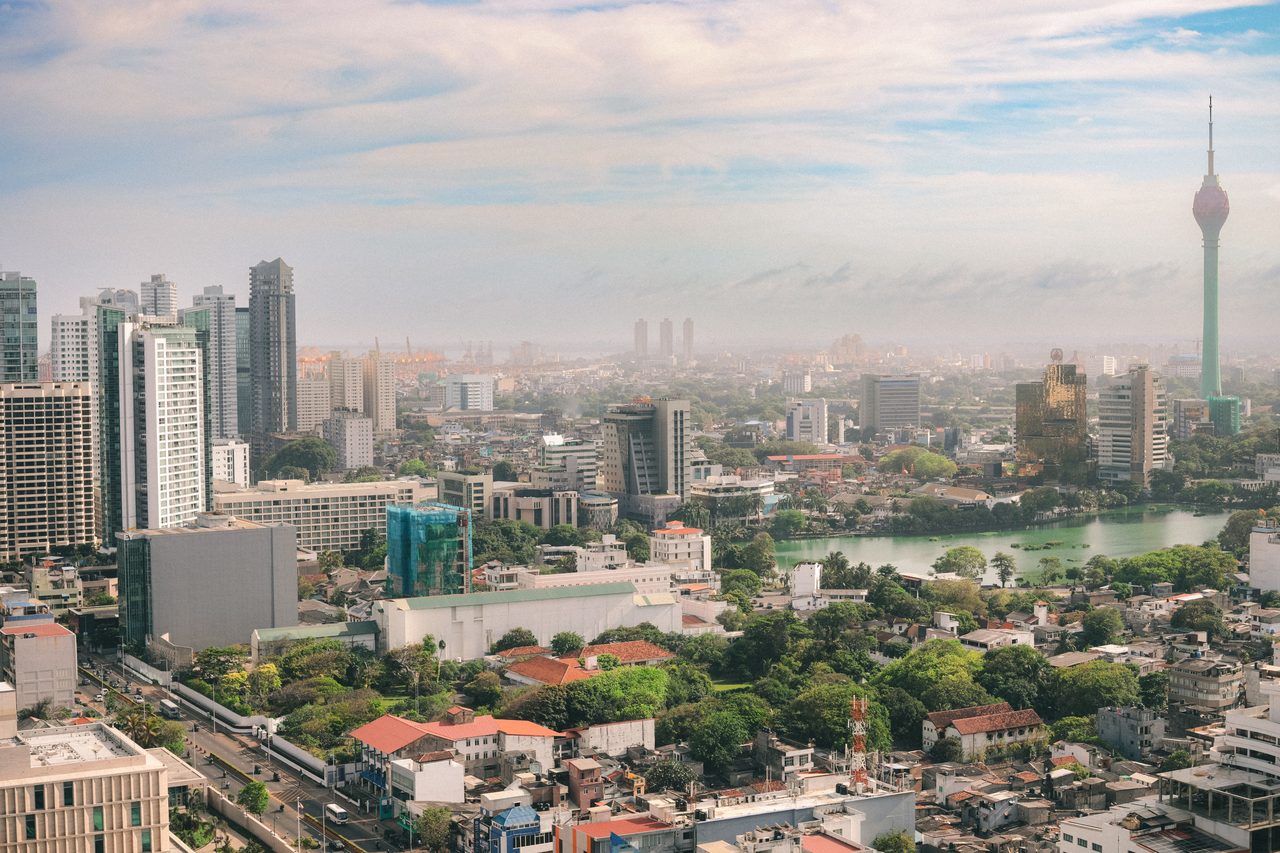
Sri Lanka is a tropical island paradise in South Asia, renowned for its ancient Buddhist ruins, stunning beaches, lush tea plantations, and incredible wildlife. From the iconic rock fortress of Sigiriya to the pristine beaches of the south coast and the misty highlands of Ella, this diverse nation offers unforgettable experiences for every traveler.
Sri Lanka is a tropical island paradise in South Asia, renowned for its ancient Buddhist ruins, stunning beaches, lush tea plantations, and incredible wildlife. From the iconic rock fortress of Sigiriya to the pristine beaches of the south coast and the misty highlands of Ella, this diverse nation offers unforgettable experiences for every traveler.
Capital
Sri Jayawardenepura Kotte
Largest city
Colombo
Population
22,000,000
Languages
Sinhala, Tamil, English (widely spoken in tourist areas)
The 26 destinations our editors recommend — from iconic landmarks to under-the-radar finds.
Sigiriya Rock Fortress
An ancient rock fortress and UNESCO World Heritage Site, Sigiriya rises 200 meters above the surrounding jungle. Built by King Kashyapa in the 5th century, it features remarkable frescoes, mirror wall inscriptions, and stunning panoramic views from the summit.
Temple of the Sacred Tooth Relic
Located in Kandy's Royal Palace complex, this sacred Buddhist temple houses the tooth relic of Buddha. It's one of the most venerated places of worship in the Buddhist world and a UNESCO World Heritage Site.
Yala National Park
Sri Lanka's most visited national park, famous for having one of the highest leopard densities in the world. Also home to elephants, sloth bears, crocodiles, and over 200 bird species across diverse ecosystems.
Galle Fort
A fortified old city founded by Portuguese colonizers in 1588, later fortified by the Dutch. This UNESCO World Heritage Site features colonial architecture, cobblestone streets, boutique hotels, cafes, and craft shops.
Nine Arch Bridge (Ella)
An iconic railway bridge built during British colonial era entirely from stone and cement without steel. Set in the lush green hills of Ella, it's one of Sri Lanka's most photographed locations, especially when trains pass over.
Adam's Peak (Sri Pada)
A 2,243-meter sacred mountain with a 'sacred footprint' at the summit revered by Buddhists, Hindus, Muslims, and Christians. The pilgrimage climb involves 5,500 steps and offers spectacular sunrise views.
Recommended itineraries
Pick a length, follow the route. Each itinerary balances headline sights with breathing room.
5-Day Sri Lanka Explorer
Day 1Arrive in Sri Lanka, explore city center
Day 2Visit top attractions and museums
Day 3Day trip to nearby highlights
Day 4Local markets and hidden gems
Day 5Final sightseeing, departure
7-Day Classic Sri Lanka
Days 1-2Sri Lanka city highlights
Days 3-4Regional exploration
Days 5-6Cultural immersion and local experiences
Day 7Return and departure
14-Day Ultimate Sri Lanka
Days 1-3Sri Lanka comprehensive city tour
Days 4-6Northern region exploration
Days 7-9Eastern highlights
Days 10-12Southern attractions
Days 13-14Return to Sri Lanka, departure
Where to stay in Sri Lanka
Three tiers, every traveller covered — from cost-conscious to flagship hotels.
Budget $25-35
Hostels, budget hotels, and guesthouses offer affordable stays without sacrificing experience.
Mid-range $60-90
Boutique hotels and well-located accommodations provide comfort and convenience at reasonable prices.
Luxury $180-300+
World-class resorts and premium hotels deliver unforgettable experiences.
Shangri-La Colombo
Colombo 00200 · $200-$350
A prestigious 5-star hotel overlooking the Indian Ocean and Galle Face Green with 541 luxurious rooms and suites. Features multiple award-winning restaurants, a rooftop bar, infinity pool, and world-class CHI spa.
A stylish urban hotel in the heart of Colombo with modern design and rooftop pool. Features contemporary rooms, excellent restaurant, and convenient location for business and leisure travelers.
A trendy hostel in Colombo's Fort district with modern pod-style beds, rooftop bar with city views, and social atmosphere. Perfect for backpackers wanting comfort and community.
A luxurious heritage hotel within the UNESCO-listed Galle Fort, originally built in 1684. Features colonial architecture, antique furnishings, beautiful courtyard pool, and exceptional service in a historical setting.
Cafés, neighbourhood gems, and tasting menus worth the table reservation.
Ministry of Crab
Seafood · $$$
World-renowned restaurant in the historic Dutch Hospital complex, specializing in Sri Lankan lagoon crabs. Founded by cricket legends Kumar Sangakkara and Mahela Jayawardene, consistently ranked on Asia's 50 Best Restaurants list.
Upali's
Sri Lankan · $$
Beloved local chain serving authentic Sri Lankan cuisine with commitment to preserving food heritage. Extensive menu including vegetarian, vegan, and organic options in comfortable air-conditioned setting.
Semondu
Sri Lankan Street Food · $
Tiny hole-in-the-wall restaurant in Galle serving exceptional Sri Lankan street food. Famous for lamprais, rolls, and traditional snacks at incredibly low prices.
Galle Face Green Vendors
Street Food · $
Famous seaside promenade filled with street food vendors after 6 PM. Try isso vadai, achcharu, egg hoppers, and various deep-fried snacks in the ocean breeze.
Cafe Kumbuk
Cafe · $$
Trendy health-focused cafe in Colombo serving organic coffee, smoothie bowls, avocado toast, and fresh juices. Modern minimalist interior popular with digital nomads.
Nihonbashi
Japanese · $$$
Elegant Japanese restaurant with serene rock gardens and bamboo walls. Features on Asia's 50 Best Restaurants, offering authentic kaiseki cuisine, fresh sushi, and teppanyaki with theatrical presentation.
Average daytime temperature in °C. Figures are for Sri Lanka.
December to March (dry season, west and south coasts)
Essential travel tips
Research visa requirements before your trip
Learn a few basic phrases in the local language
Carry cash as cards may not be accepted everywhere
Respect local customs and dress codes
Purchase travel insurance before departure
Hidden gems
Off-the-beaten-path corners most travellers miss.
Jaffna Peninsula
Northern region with distinct Tamil culture, pristine islands like Delft, colonial Portuguese and Dutch forts, and unique cuisine. Off the beaten path with authentic experiences.
Wilpattu National Park
Largest and less crowded national park with unique 'villus' (natural lakes) and excellent leopard sightings. More pristine wilderness feeling than popular Yala.
Mannar Island
Remote northwestern island famous for baobab trees, migratory birds, ancient Buddhist ruins, and Adam's Bridge. Peaceful and culturally fascinating.
Sinharaja Rainforest
Last viable primary rainforest in Sri Lanka with endemic species found nowhere else. Serious nature lovers' paradise away from beach crowds.
Ritigala Forest Monastery
Ancient ruined monastery hidden in forest-covered mountain. Atmospheric ruins with less tourists than Anuradhapura or Polonnaruwa, reached by jungle trek.
Knuckles Mountain Range
UNESCO World Heritage wilderness area east of Kandy with cloud forests and remote villages
Ambuluwawa Tower
Multi-religious complex atop Ambuluwawa Hill, Gampola offering 360 degree views of four provinces
Dolukanda Mountain
Sacred limestone peak near Kurunegala, often called the Sigiriya of the North with far fewer visitors
Adam's Peak (Sri Pada)
Sacred mountain in the central highlands; pilgrims climb overnight to catch sunrise from the summit at 2,243 m
Ella Rock Summit
High ridge above Ella town offering panoramic sunrise views over the valley and tea plantations
Galle Fort Ramparts
17th-century Dutch fort on the south coast; sunset from Flag Rock or the lighthouse is iconic
Mirissa Beach
Crescent-shaped beach on the south coast known for whale watching and spectacular sunsets
Safety information
INFO
Register with your country's embassy online before travel — Sri Lanka's emergency number is 119 for police and 110 for ambulance.
INFO
Avoid political demonstrations and large gatherings, especially around Independence Day (February 4).
INFO
Be cautious of landmines in former conflict areas in the north and east; stick to marked paths.
INFO
Watch out for monsoon season flooding and landslides; the south-west monsoon runs May-September and the north-east monsoon October-February.
INFO
Use registered taxis or ride-hailing apps like PickMe or Uber; agree on a price before boarding tuk-tuks.
INFO
Dress modestly when visiting temples and religious sites: cover shoulders and knees, and remove shoes at entrances.
INFO
Be aware of gem scams in Ratnapura and Colombo; only buy gems from reputable, licensed dealers.
INFO
Carry small denomination rupees; ATMs are plentiful in cities but scarce in rural areas, so stock up before heading off the beaten path.
INFO
Do not photograph military personnel, police, or government buildings without permission.
INFO
Protect yourself against dengue fever and malaria by using DEET insect repellent and sleeping under a mosquito net in low-lying coastal and jungle areas.
INFO
Sunburn and heat exhaustion risk is high; wear high-SPF sunscreen, a hat, and drink at least 2-3 litres of water daily.
Frequently asked questions
Is Sri Lanka safe to visit in 2026?
Sri Lanka is generally a safe destination for tourists with low rates of violent crime against visitors. The main risks are traffic accidents (drive defensively and use registered transport), opportunistic scams targeting tourists, and natural hazards including monsoon flooding and rip currents at exposed beaches. Emergency services: police at 119, medical at 110.
What is the best time to visit Sri Lanka?
The best time to visit Sri Lanka is December to March (dry season, west and south coasts). Sri Lanka has a tropical climate with two distinct monsoon seasons that create opposing weather patterns on different coasts. The southwest monsoon (May-September) brings heavy rain to the west and so
Do I need a visa to visit Sri Lanka?
Electronic Travel Authorization (ETA) required before arrival, valid for 30 days. Can be obtained online at eta.gov.lk. Passport must be valid for 6 months beyond arrival date. Requirements vary by nationality, so check with your nearest embassy or the official immigration website before traveling.
What currency is used in Sri Lanka?
The currency in Sri Lanka is the Sri Lankan Rupee (LKR) (LKR). ATMs are widely available in cities and tourist areas. Credit cards are accepted at most hotels and restaurants, but carry cash for markets and smaller establishments.
What language is spoken in Sri Lanka?
The main language(s) spoken in Sri Lanka: Sinhala, Tamil, English (widely spoken in tourist areas). In tourist areas, English is generally understood. Learning a few basic phrases in the local language is appreciated by locals.
What are the top attractions in Sri Lanka?
The top attractions in Sri Lanka include Sigiriya Rock Fortress, Temple of the Sacred Tooth Relic, Yala National Park, Galle Fort, and Nine Arch Bridge (Ella). Each offers a unique experience, from historic landmarks to natural wonders.