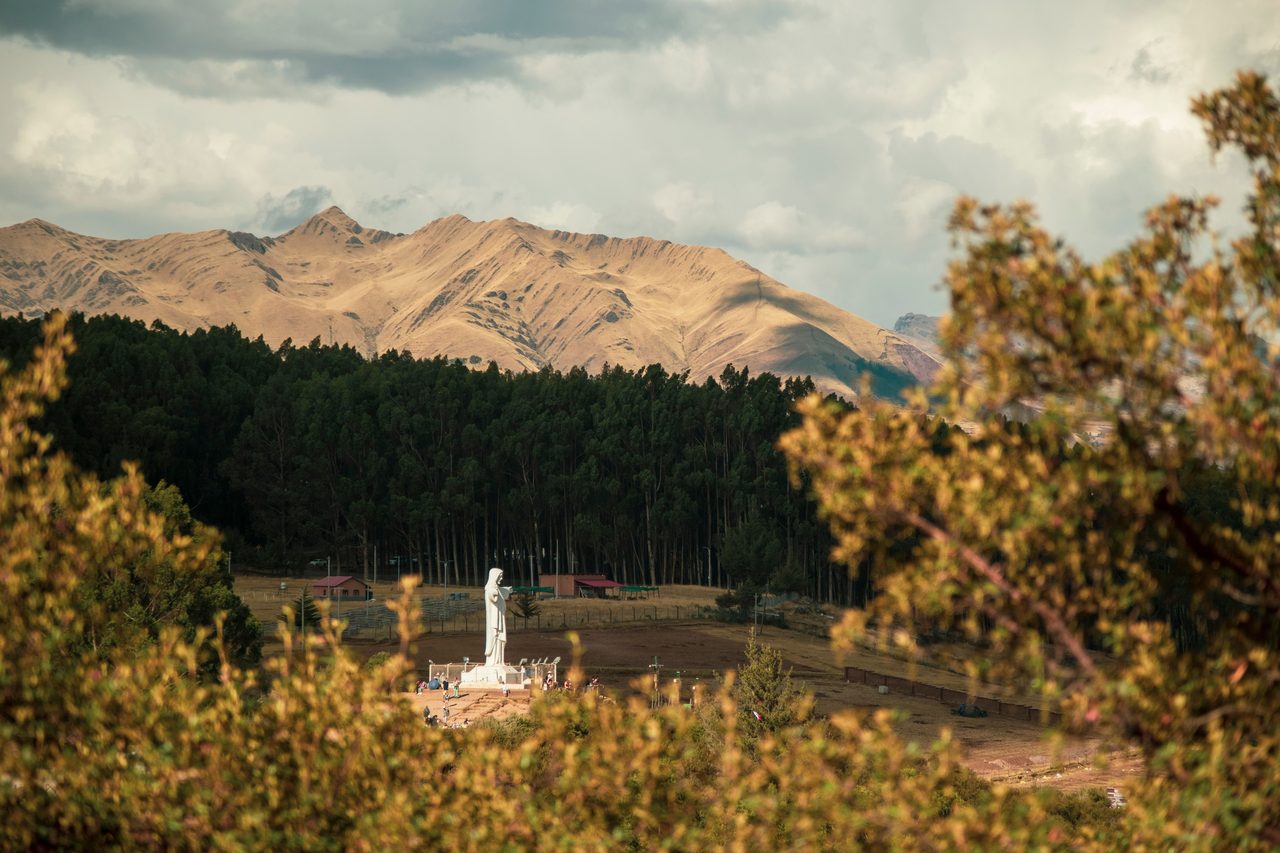
Peru captivates travelers with its ancient Incan heritage, including the iconic Machu Picchu, diverse landscapes from Amazon rainforest to Andean peaks, and vibrant culinary scene. This South American gem offers world-class hiking, rich indigenous cultures, and colonial architecture in cities like Cusco and Lima.
Peru captivates travelers with its ancient Incan heritage, including the iconic Machu Picchu, diverse landscapes from Amazon rainforest to Andean peaks, and vibrant culinary scene. This South American gem offers world-class hiking, rich indigenous cultures, and colonial architecture in cities like Cusco and Lima.
The 26 destinations our editors recommend — from iconic landmarks to under-the-radar finds.
Machu Picchu
The iconic 15th-century Incan citadel set high in the Andes Mountains is Peru's most famous attraction and a UNESCO World Heritage Site. This ancient 'Lost City of the Incas' features remarkable stone architecture, agricultural terraces, and breathtaking mountain vistas. Advanced booking is essential as daily visitor numbers are strictly limited.
Sacred Valley
This stunning valley along the Urubamba River served as the heartland of the Incan Empire and features impressive archaeological sites including Pisac, Ollantaytambo, and Moray. The valley offers traditional markets, Andean villages, and agricultural terraces still in use today. It's an essential stop for acclimatizing before visiting Machu Picchu.
Rainbow Mountain (Vinicunca)
This stunning natural geological formation features vibrant stripes of red, yellow, turquoise, and lavender created by mineral deposits over millions of years. Located at 5,200 meters (17,060 feet) altitude, the challenging hike rewards visitors with otherworldly landscapes and panoramic Andean views. The site has become one of Peru's most photographed destinations.
Lake Titicaca
The world's highest navigable lake at 3,812 meters straddling the Peru-Bolivia border is home to indigenous communities including the famous floating Uros islands made entirely of reeds. Visitors can experience homestays on Taquile and Amantani islands, learning traditional textile weaving and local customs. The deep blue waters and mountain backdrop create unforgettable scenery.
Colca Canyon
One of the world's deepest canyons at twice the depth of the Grand Canyon offers spectacular trekking, traditional Andean villages, and prime condor viewing at Cruz del Condor viewpoint. The canyon features agricultural terraces dating back 2,000 years and natural hot springs. Morning visits provide the best chances to see Andean condors soaring on thermal currents.
Nazca Lines
These ancient geoglyphs etched into the desert floor between 500 BCE and 500 CE depict animals, plants, and geometric shapes visible only from the air. The mysterious lines cover nearly 450 square kilometers and their purpose remains debated by archaeologists. Scenic flights offer the best viewing experience of these UNESCO World Heritage wonders.
Recommended itineraries
Pick a length, follow the route. Each itinerary balances headline sights with breathing room.
5-Day Peru Explorer
Day 1Arrive in Peru, explore city center
Day 2Visit top attractions and museums
Day 3Day trip to nearby highlights
Day 4Local markets and hidden gems
Day 5Final sightseeing, departure
7-Day Classic Peru
Days 1-2Peru city highlights
Days 3-4Regional exploration
Days 5-6Cultural immersion and local experiences
Day 7Return and departure
14-Day Ultimate Peru
Days 1-3Peru comprehensive city tour
Days 4-6Northern region exploration
Days 7-9Eastern highlights
Days 10-12Southern attractions
Days 13-14Return to Peru, departure
Where to stay in Peru
Three tiers, every traveller covered — from cost-conscious to flagship hotels.
Budget $30-45
Hostels, budget hotels, and guesthouses offer affordable stays without sacrificing experience.
Mid-range $80-130
Boutique hotels and well-located accommodations provide comfort and convenience at reasonable prices.
Luxury $250-500+
World-class resorts and premium hotels deliver unforgettable experiences.
Belmond Hotel Monasterio
Cusco 08000 · $450-650
This exquisite 16th-century monastery in Cusco's historic center has been transformed into a luxury hotel featuring oxygen-enriched rooms, colonial art collection, and a baroque chapel. The property combines authentic Spanish colonial architecture with modern amenities and impeccable service. Its central location makes it the perfect base for exploring Cusco.
Well-located mid-range hotel near Cusco's Plaza de Armas offers comfortable rooms with heating, oxygen enrichment system, and colonial-meets-contemporary design. The property features an excellent breakfast buffet, helpful staff, and good value for money. On-site planetarium offers evening astronomy presentations.
Popular backpacker hostel near Plaza de Armas offers dorms and private rooms, excellent social atmosphere, and helpful staff. The property features bar, communal kitchen, daily activities, and good breakfast included. Great for meeting fellow travelers and arranging tours at budget prices.
The only hotel located at the entrance to Machu Picchu offers unparalleled access to the citadel for sunrise and sunset visits. This intimate luxury lodge features just 31 rooms with mountain views, gourmet dining, and exclusive access to ruins before and after public hours. The location eliminates the need for early morning trains from Aguas Calientes.
Cafés, neighbourhood gems, and tasting menus worth the table reservation.
Central
Contemporary Peruvian · $$$$$
Ranked among the world's best restaurants, Central showcases Peruvian biodiversity through innovative tasting menus organized by altitude zones. Chef Virgilio Martínez sources ingredients from coast, mountains, and jungle to create state-of-the-art culinary experiences. Reservations required months in advance.
La Mar Cebichería
Seafood/Ceviche · $$$
Gastón Acurio's casual cevichería serves Lima's best ceviche in lively atmosphere. Fresh seafood prepared daily with creative variations on classic dishes. The restaurant fills quickly for lunch with locals and tourists. Excellent cocktails and casual but quality service.
El Chinito
Chifa (Chinese-Peruvian) · $
Local favorite chifa serves generous portions of Chinese-Peruvian fusion at low prices. The menu includes fried rice, noodles, and sweet and sour dishes with Peruvian twist. Busy, no-frills atmosphere. Great value for quick satisfying meal.
Anticuchos Doña Pochita
Anticuchos · $
Famous street cart serves Lima's best anticuchos (grilled beef heart skewers) marinated in spicy sauce. Operating for decades, Doña Pochita attracts long lines of locals and tourists. Arrive early as they sell out. Cash only, outdoor eating.
Café del Museo
Cafe · $$
Beautiful cafe in courtyard of Museo Larco in Lima serves excellent coffee, teas, and light meals. Surrounded by gardens and museum collections. Perfect for afternoon break. Quality pastries and sandwiches.
Maido
Nikkei (Japanese-Peruvian) · $$$$$
Chef Mitsuharu Tsumura's flagship restaurant consistently ranks among Latin America's best, blending Japanese technique with Peruvian ingredients. The Nikkei experience tasting menu showcases this unique fusion through creative dishes like sea urchin causas and tiraditos. Reserve well in advance.
Transportation options in Peru include local buses, taxis, and rental cars. Check local conditions before planning your travel.
Budget breakdown
Daily spend by tier in USD, broken out by category.
Category
Budget
Mid-range
Luxury
Accommodation
$8-15 (hostel dorm)
$30-50 (private room in mid-range hotel or hostel)
$120-300+ (4-5 star hotels, luxury lodges)
Food (per day)
$10-15 (markets, menu del día, street food)
$25-40 (casual restaurants, some mid-range dining)
$80-150 (fine dining, wine)
Transportation
$3-8 (local buses, collectivos)
$10-20 (taxis, some intercity buses)
$30-50 (private transfers, taxis)
Activities
$5-10 (free attractions, occasional paid entry)
$15-30 (entrance fees, occasional tours)
$50-100+ (private tours, premium experiences)
Daily total
$30-45
$80-130
$250-500+
Best time to visit Peru
Weather through the year in Peru
Best timeShoulderWorth avoiding
Average daytime temperature in °C. Figures are for Peru.
June to August (dry season, best for Machu Picchu and hiking)
Essential travel tips
Research visa requirements before your trip
Learn a few basic phrases in the local language
Carry cash as cards may not be accepted everywhere
Respect local customs and dress codes
Purchase travel insurance before departure
Hidden gems
Off-the-beaten-path corners most travellers miss.
Máncora
Northern Peru's best beach town offers year-round warm weather, excellent surfing, seafood restaurants, and bohemian vibe. Far from tourist circuit, popular with Peruvian and South American travelers. Great place to decompress after highland trekking.
Huayna Picchu Back Path
Lesser-known trail descending from Huayna Picchu mountain at Machu Picchu leads to Temple of the Moon caves. Most visitors climb up and return same way, missing this spectacular ancient temple in natural grotto. Requires Huayna Picchu permit.
Chachapoyas Region
Northern Peru's cloud forest region features Kuelap fortress, Gocta waterfall, sarcophagi of Karajía, and adventure activities. Stunningly beautiful area with pre-Incan archaeological sites receiving fraction of Cusco crowds.
Huancavelica
Authentic highland city at 3,600m rarely visited by foreign tourists preserves colonial architecture and traditional Andean culture. Weekly market, thermal baths, and genuine insight into modern Peruvian highlands life without tourism veneer.
Tarma and Valley
Called 'Pearl of the Andes,' this highland town features flower-filled balconies, cave systems at Gruta de Guagapo, and access to Selva Central cloud forest. Charming colonial architecture without tourist crowds.
Choquequirao
Remote Incan ruins often called Machu Picchu's 'sister city' with only 5% excavated
Laguna 69
Stunning turquoise glacial lake at 4,600m in Huascarán National Park beneath ice-capped peaks
Reserva Nacional de Paracas Remote Beaches
Beyond the main tourist viewpoints, dirt tracks lead to deserted red sand beaches including Playa Roja and Playa Yumaque
Lagunas de Llanganuco
Twin turquoise glacial lakes in Huascarán National Park surrounded by snow-capped peaks
Safety information
INFO
Register with your embassy on arrival — the US STEP program and UK FCDO offer alerts for Peru
INFO
Use only registered taxis (apps like Uber, Cabify, or InDriver) — never hail street taxis in Lima
INFO
Keep valuables hidden and use anti-theft bags or money belts in crowded markets and buses
INFO
Altitude sickness (soroche) is real — acclimatize for 1-2 days in Cusco (3,400m) before hiking
INFO
Drink bottled or filtered water only; avoid ice in local restaurants unless confirmed purified
INFO
Beware fake police officers — real police never ask for your passport or money on the street
INFO
Watch out for distraction scams (spilled sauce, bird droppings) in tourist areas; keep walking
INFO
Book Machu Picchu tickets and Inca Trail permits far in advance — quotas fill months ahead
INFO
Do not accept food or drinks from strangers; scopolamine (burundanga) drugging does occur
INFO
Photograph protests, roadblocks, or military personnel cautiously — avoid confrontations
INFO
Use ATMs inside banks or malls during daylight; cover keypad and check for skimming devices
INFO
Travel insurance covering emergency evacuation is essential, especially for remote trekking areas
INFO
Carry a photocopy of your passport at all times; leave the original in your hotel safe
INFO
Dress conservatively when entering churches and indigenous community sites as a sign of respect
Frequently asked questions
Is Peru safe to visit in 2026?
Peru is generally safe for tourists who take standard precautions. Lima's tourist districts of Miraflores, Barranco, and San Isidro are relatively safe, while Cusco's historic center is secure with good tourist police presence. The main risks are petty theft, taxi scams, and rare but serious drink spiking in nightlife areas. Emergency services: police at 105, medical at 106.
What is the best time to visit Peru?
The best time to visit Peru is June to August (dry season, best for Machu Picchu and hiking). Peru has three distinct climate zones creating radically different weather experiences in the same country. The Pacific coast including Lima is desert with mild temperatures (15-22°C) year-round and g
Do I need a visa to visit Peru?
No visa required for stays up to 90 days. Passport must have 6 months validity and proof of onward travel required. Requirements vary by nationality, so check with your nearest embassy or the official immigration website before traveling.
What currency is used in Peru?
The currency in Peru is the Peruvian Sol (PEN) (PEN). ATMs are widely available in cities and tourist areas. Credit cards are accepted at most hotels and restaurants, but carry cash for markets and smaller establishments.
What language is spoken in Peru?
The main language(s) spoken in Peru: Spanish, Quechua, Aymara. In tourist areas, English is generally understood. Learning a few basic phrases in the local language is appreciated by locals.
What are the top attractions in Peru?
The top attractions in Peru include Machu Picchu, Sacred Valley, Rainbow Mountain (Vinicunca), Lake Titicaca, and Colca Canyon. Each offers a unique experience, from historic landmarks to natural wonders.
Explore Peru by region
Each region has its own character — coastal, alpine, vineyard, capital. Pick a starting point.