Asia · 26 Places · Best March-May and September-October
Pakistan
Pakistan is a land of stunning contrasts, from the towering peaks of the Karakoram and Himalayas to the vibrant Mughal heritage of Lahore and the bustling metropolis of Karachi. Experience world-class trekking, ancient Silk Road history, and some of the most hospitable people on Earth.
Pakistan is a land of stunning contrasts, from the towering peaks of the Karakoram and Himalayas to the vibrant Mughal heritage of Lahore and the bustling metropolis of Karachi. Experience world-class trekking, ancient Silk Road history, and some of the most hospitable people on Earth.
The 26 destinations our editors recommend — from iconic landmarks to under-the-radar finds.
Badshahi Mosque
One of the largest and most magnificent mosques in the world, built by Mughal Emperor Aurangzeb in 1673. This architectural masterpiece features intricate red sandstone and marble inlay work, with a massive courtyard that can accommodate 100,000 worshippers. The mosque's four minarets stand 196 feet tall.
Lahore Fort (Shahi Qila)
A UNESCO World Heritage Site dating back to antiquity with major reconstruction during Mughal era. The fort contains 21 remarkable monuments including Sheesh Mahal (Palace of Mirrors), Naulakha Pavilion, and the spectacular Alamgiri Gate. Recently restored with support from the Aga Khan Trust.
Shalimar Gardens
One of the finest Persian-style gardens in the world, built by Shah Jahan in 1642. This UNESCO World Heritage Site features three descending terraces with 410 fountains, marble pavilions, and elaborate waterworks. The gardens showcase the pinnacle of Mughal landscape architecture.
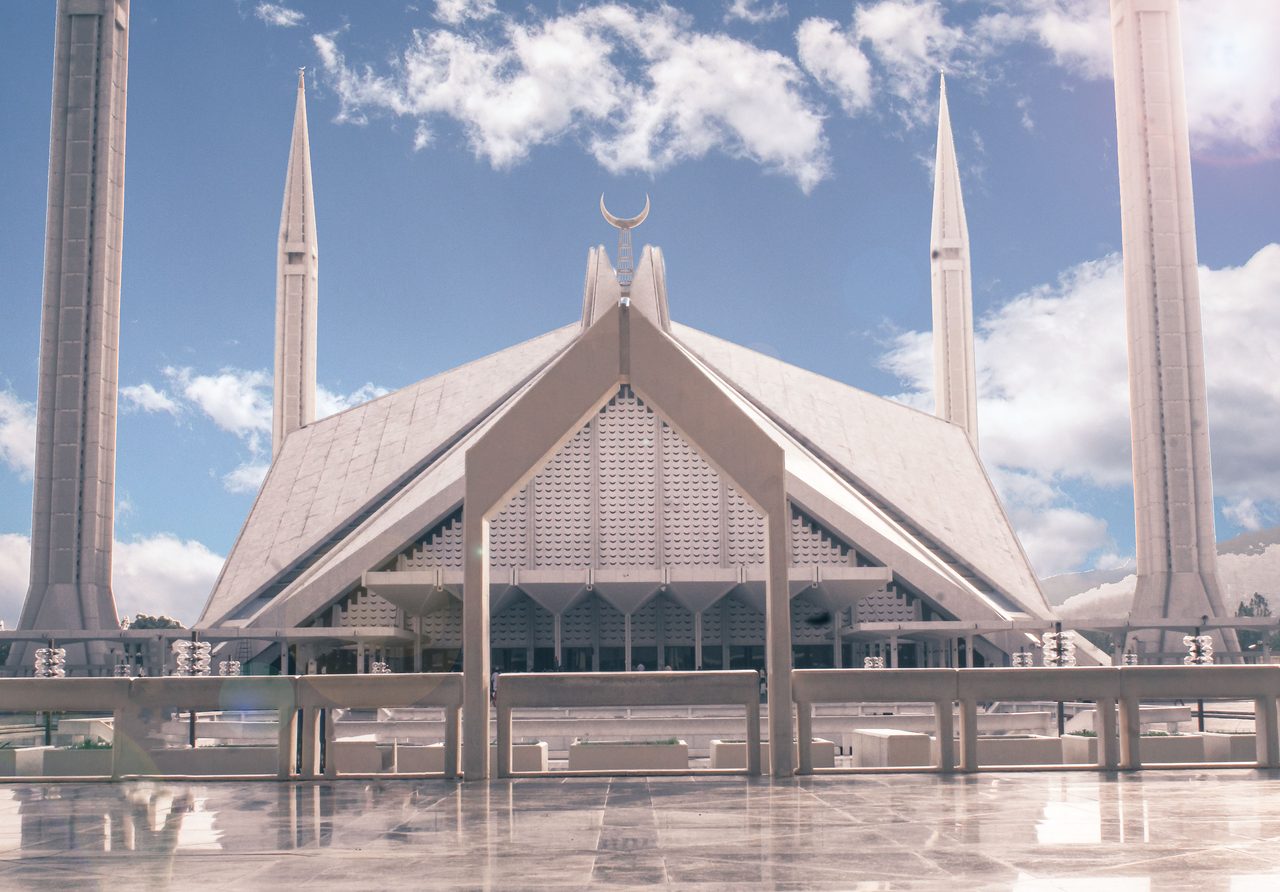
Faisal Mosque
One of the largest mosques in the world and an iconic symbol of Islamabad. Designed by Turkish architect Vedat Dalokay, this modernist masterpiece resembles a Bedouin tent set against the backdrop of the Margalla Hills. Completed in 1986, it can accommodate 300,000 worshippers.
Mohenjo-daro
One of the world's earliest major urban settlements, dating back to 2500 BCE. This UNESCO World Heritage Site was the largest city of the Indus Valley Civilization, featuring advanced urban planning, drainage systems, and the famous Great Bath. Archaeological ruins offer glimpse into Bronze Age sophistication.
K2 Base Camp Trek
The ultimate trekking experience to the base of the world's second-highest peak (8,611m). This challenging 12-16 day trek through the Karakoram takes you past Concordia, where four of the world's 14 highest peaks converge. Arguably the most spectacular mountain scenery on Earth.
Recommended itineraries
Pick a length, follow the route. Each itinerary balances headline sights with breathing room.
5-Day Pakistan Explorer
Day 1Arrive in Pakistan, explore city center
Day 2Visit top attractions and museums
Day 3Day trip to nearby highlights
Day 4Local markets and hidden gems
Day 5Final sightseeing, departure
7-Day Classic Pakistan
Days 1-2Pakistan city highlights
Days 3-4Regional exploration
Days 5-6Cultural immersion and local experiences
Day 7Return and departure
14-Day Ultimate Pakistan
Days 1-3Pakistan comprehensive city tour
Days 4-6Northern region exploration
Days 7-9Eastern highlights
Days 10-12Southern attractions
Days 13-14Return to Pakistan, departure
Where to stay in Pakistan
Three tiers, every traveller covered — from cost-conscious to flagship hotels.
Budget $24-30
Hostels, budget hotels, and guesthouses offer affordable stays without sacrificing experience.
Mid-range $60-80
Boutique hotels and well-located accommodations provide comfort and convenience at reasonable prices.
Luxury $147-200
World-class resorts and premium hotels deliver unforgettable experiences.
Islamabad Serena Hotel
Islamabad 44000 · $180-$250
The finest hotel in Pakistan, blending traditional Islamic architecture with modern luxury. Set in landscaped gardens with mountain views, this property offers impeccable service, multiple dining options, and a world-class spa. Many consider it the best hotel in the country.
Modern boutique hotel in F-6 sector offering excellent value with contemporary design. Rooftop restaurant with Margalla Hills views, comfortable rooms with smart amenities, and attentive service. Popular with both tourists and business travelers.
Popular hostel in F-7 sector catering to backpackers and budget travelers. Dorm beds and private rooms available, communal kitchen, rooftop terrace, and helpful travel advice. Great place to meet other travelers planning northern trips.
The only 5-star deluxe property in Lahore with 607 guest rooms and suites. Features a massive 40,000 sq.ft. conference center, rooftop pool with city views, and multiple award-winning restaurants. Located on Mall Road near major attractions.
Cafés, neighbourhood gems, and tasting menus worth the table reservation.
Andaaz Restaurant
Pakistani Fine Dining · $$$
The best Pakistani restaurant in Lahore with magical ambience overlooking a 400-year-old mosque. Offers refined versions of traditional dishes with impeccable service, live music, and stunning rooftop seating in the heart of the Walled City.
Butt Karahi Tikka
Pakistani · $$
Undoubtedly the best karahi in Lahore, this legendary restaurant has been satisfying generations. No-frills atmosphere but the mutton and chicken karahi are perfection. Always packed with locals - a sure sign of quality.
Bundu Khan
Pakistani BBQ · $
Popular casual chain specializing in barbecue and traditional Pakistani food. Great for quick, delicious meals at reasonable prices. The tikkas and naan are consistently excellent across all locations.
Phaja Siri Paye
Street Food · $
Located near Badshahi Mosque serving some of the best street food in Lahore. Specializes in paya (goat trotters) and mutton brain curry. Authentic local experience with incredible flavors at rock-bottom prices.
Espresso Lahore
Cafe · $$
Upscale cafe chain serving excellent coffee, fresh juices, and light meals. Popular with young professionals and students. Multiple locations with consistent quality and comfortable seating.
Haveli Restaurant
Traditional Pakistani · $$$
Iconic rooftop restaurant in Old Lahore offering spectacular views of Badshahi Mosque and Lahore Fort. Traditional haveli architecture with live classical music creates unforgettable dining atmosphere serving authentic Lahori cuisine.
Getting around Pakistan
Transportation options in Pakistan include local buses, taxis, and rental cars. Check local conditions before planning your travel.
Budget breakdown
Daily spend by tier in USD, broken out by category.
Category
Budget
Mid-range
Luxury
Accommodation
$8-12 (hostel dorm or budget guesthouse)
$30-50 (3-star hotel or good guesthouse with private room)
$80-120 (Serena Hotels, Pearl Continental, 5-star properties)
Food (per day)
$8-10 (street food, local restaurants, occasional mid-range meal)
$20-25 (mix of local restaurants and mid-range dining)
$40-60 (fine dining, hotel restaurants, variety of cuisines)
Average daytime temperature in °C. Figures are for Pakistan.
March-May and September-October for most regions, May-September for northern mountains
Essential travel tips
Research visa requirements before your trip
Learn a few basic phrases in the local language
Carry cash as cards may not be accepted everywhere
Respect local customs and dress codes
Purchase travel insurance before departure
Hidden gems
Off-the-beaten-path corners most travellers miss.
Kalash Valleys (Bumburet, Rumbur, Birir)
Home to the Kalash people, one of the world's smallest pre-Islamic ethnic groups in Pakistan. Unique polytheistic culture, colorful traditional dress, and ancient festivals. Remote valleys in Chitral district offering cultural immersion unlike anywhere else.
Shigar Fort & Amburiq Mosque
Restored 17th-century fort now operating as Serena heritage hotel in Skardu. Stunning traditional Balti architecture with intricately carved wood. Nearby 500-year-old Amburiq Mosque showcases organic architecture blended with nature.
Thar Desert
Vast desert in Sindh featuring unique culture, colorful villages, and hospitable communities. Experience traditional desert life, crafts, music, and stunning dunes. February's Thar Festival showcases regional culture.
Uchhalli Lakes (Soon Valley)
Complex of three saltwater lakes nestled in Soon Valley mountains near Khushab. Migratory bird paradise, tranquil setting, and Mughal-era ruins scattered throughout. Rarely visited by tourists.
Katas Raj Temples
Ancient Hindu temple complex dating to 6th-7th century connected to Mahabharata mythology. Sacred pond surrounded by deteriorating but atmospheric temples. Important pilgrimage site with Pakistani government restoration ongoing.
Gorakh Hill Station
Arrive early for best light
Pakistan's highest plateau at 5,689 feet in Sindh province
Ranikot Fort
The world's largest fort with 32km of walls snaking across barren Sindh hills
Deosai Plains Panorama
A vast treeless plateau stretching between the Karakoram and Western Himalayas. Snow-capped peaks ring the horizon and the silence is absolute. One of Asia's most otherworldly landscapes.
Deosai National Park, Gilgit-Baltistan - world's second-highest plateau at 4,114 m
Safety information
INFO
Avoid travel to Balochistan Province and Khyber Pakhtunkhwa Province
INFO
Stay away from the India-Pakistan border and Line of Control
INFO
Remain vigilant in public places and avoid large gatherings
INFO
Monitor local media for security updates
INFO
Register with your embassy upon arrival
INFO
Dress conservatively and respect local customs
INFO
Be prepared for internet and mobile service disruptions during protests
INFO
Use reputable hotels and transport in major cities
INFO
Carry copies of your passport and visa at all times; police checkpoints are common near tribal areas and the northern regions
INFO
Avoid photographing military installations, government buildings, checkpoints, or uniformed personnel; always ask permission before photographing people
Frequently asked questions
Is Pakistan safe to visit in 2026?
Pakistan presents a divided safety picture — major tourist cities of Islamabad, Lahore, and coastal Karachi are manageable for experienced travelers with sensible precautions, while significant parts of the country including Balochistan Province and much of Khyber Pakhtunkhwa carry genuine security risks. The spectacular northern areas (Hunza, Gilgit-Baltistan, Swat Valley) are considered significantly safer and host thousands of international tourists annually. Emergency services: police at 15,
What is the best time to visit Pakistan?
The best time to visit Pakistan is March-May and September-October for most regions, May-September for northern mountains. Pakistan has one of the world's most varied climates reflecting its enormous geographic range from Arabian Sea coastline to 8,000m Karakoram peaks. The south (Sindh, coastal Balochistan) is hot desert
Do I need a visa to visit Pakistan?
E-visa available online free of charge within 24 hours. Electronic Travel Authorization (ETA) must be obtained at least 48 hours before travel through Pakistan Online Visa System for stays up to 90 days. Requirements vary by nationality, so check with your nearest embassy or the official immigration website before traveling.
What currency is used in Pakistan?
The currency in Pakistan is the Pakistani Rupee (PKR) (PKR). ATMs are widely available in cities and tourist areas. Credit cards are accepted at most hotels and restaurants, but carry cash for markets and smaller establishments.
What language is spoken in Pakistan?
The main language(s) spoken in Pakistan: Urdu, English, Punjabi. In tourist areas, English is generally understood. Learning a few basic phrases in the local language is appreciated by locals.
What are the top attractions in Pakistan?
The top attractions in Pakistan include Badshahi Mosque, Lahore Fort (Shahi Qila), Shalimar Gardens, Faisal Mosque, and Mohenjo-daro. Each offers a unique experience, from historic landmarks to natural wonders.
Explore Pakistan by region
Each region has its own character — coastal, alpine, vineyard, capital. Pick a starting point.