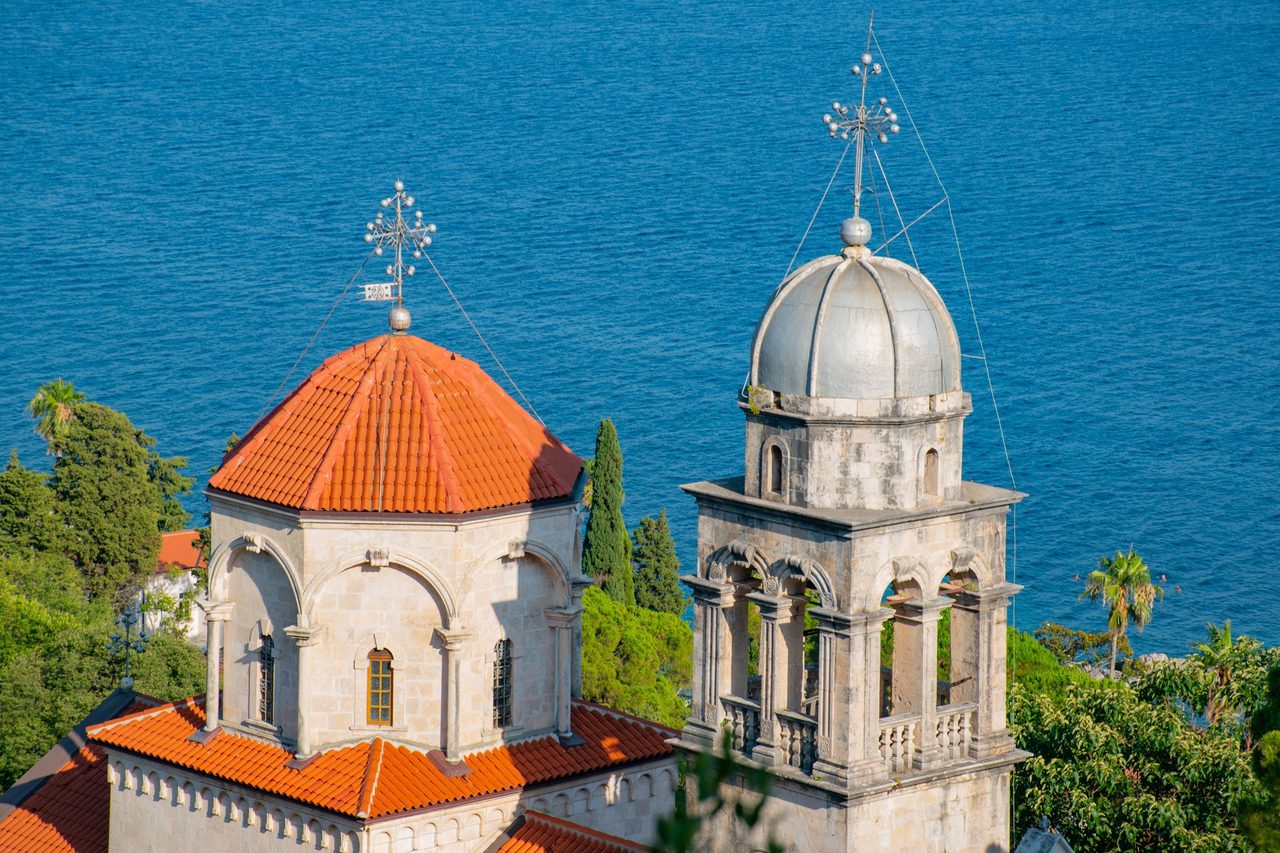
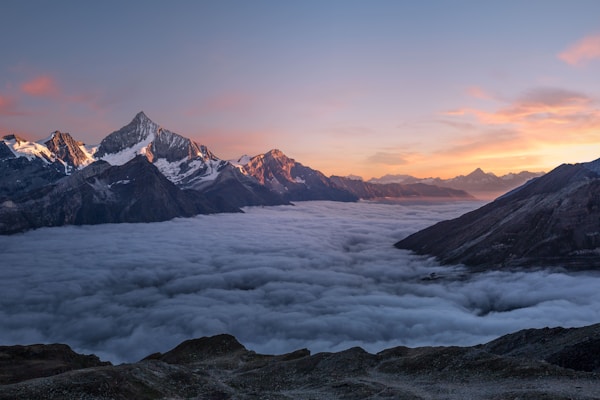
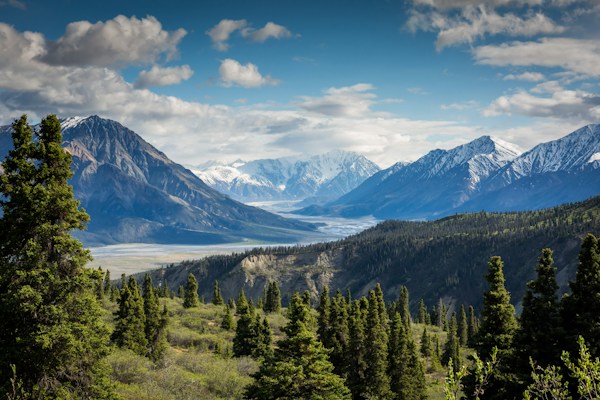
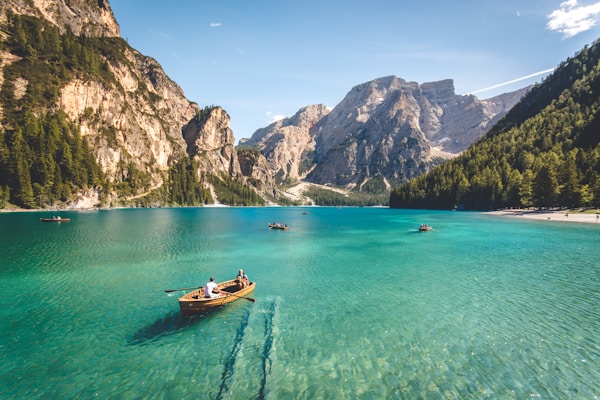
Montenegro is a stunning Balkan country featuring dramatic Adriatic coastline, medieval towns, and rugged mountains. From the UNESCO-listed Bay of Kotor to the beaches of Budva, Montenegro offers remarkable natural beauty and rich cultural heritage in a compact, accessible destination.
Montenegro is a stunning Balkan country featuring dramatic Adriatic coastline, medieval towns, and rugged mountains. From the UNESCO-listed Bay of Kotor to the beaches of Budva, Montenegro offers remarkable natural beauty and rich cultural heritage in a compact, accessible destination.
The 25 destinations our editors recommend — from iconic landmarks to under-the-radar finds.
Kotor Old Town
One of the best-preserved medieval towns in Europe and a UNESCO World Heritage Site. Wander through a maze of narrow cobblestone streets, historic churches, and charming squares surrounded by impressive Venetian fortifications dating back to the 9th-14th centuries.
Bay of Kotor
Often called Europe's southernmost fjord, this stunning bay is a UNESCO World Heritage Site featuring dramatic mountain landscapes, medieval towns, and serene turquoise waters. Take a boat tour to explore the bay's historic villages and islands.
Sveti Stefan
Montenegro's most iconic sight - a fortified island village turned exclusive resort connected to the mainland by a narrow causeway. While the island itself is reserved for resort guests, the viewpoint and beaches offer spectacular photo opportunities.
Budva Old Town
A charming medieval walled town jutting into the Adriatic Sea, featuring Venetian-style architecture, ancient churches, narrow streets, and lively squares. The citadel dates back 2,500 years and offers stunning coastal views.
Our Lady of the Rocks
A man-made island in the Bay of Kotor featuring a stunning 17th-century Catholic church and museum. According to legend, local seamen created the island by sinking old ships and rocks after finding an icon of the Madonna on a reef.
Durmitor National Park
A UNESCO World Heritage Site featuring dramatic mountain peaks, glacial lakes including the stunning Black Lake, deep canyons, and pristine forests. Perfect for hiking, rafting, and experiencing Montenegro's wild interior.
Recommended itineraries
Pick a length, follow the route. Each itinerary balances headline sights with breathing room.
5-Day Montenegro Explorer
Day 1Arrive in Montenegro, explore city center
Day 2Visit top attractions and museums
Day 3Day trip to nearby highlights
Day 4Local markets and hidden gems
Day 5Final sightseeing, departure
7-Day Classic Montenegro
Days 1-2Montenegro city highlights
Days 3-4Regional exploration
Days 5-6Cultural immersion and local experiences
Day 7Return and departure
14-Day Ultimate Montenegro
Days 1-3Montenegro comprehensive city tour
Days 4-6Northern region exploration
Days 7-9Eastern highlights
Days 10-12Southern attractions
Days 13-14Return to Montenegro, departure
Where to stay in Montenegro
Three tiers, every traveller covered — from cost-conscious to flagship hotels.
Budget $35-50
Hostels, budget hotels, and guesthouses offer affordable stays without sacrificing experience.
Mid-range $80-130
Boutique hotels and well-located accommodations provide comfort and convenience at reasonable prices.
Luxury $300-600+
World-class resorts and premium hotels deliver unforgettable experiences.
One&Only Portonovi
Herceg Novi 85346 · $650-$1200
Montenegro's most exclusive resort featuring contemporary luxury on the Bay of Kotor. World-class spa, private beach, multiple restaurants, and stunning infinity pools overlooking the bay create an unforgettable experience.
Modern beachfront hotel perfectly positioned between Budva Old Town and Slovenska Beach. Comfortable rooms with sea views, rooftop pool, spa facilities, and excellent restaurant make this a popular choice.
Friendly hostel in a renovated stone building within Kotor's medieval walls. Clean dorms and private rooms, communal kitchen, sociable atmosphere, and unbeatable location for budget travelers.
The iconic island resort occupying a 15th-century fortified village, offering unparalleled luxury and privacy. Pink-sand beaches, exceptional service, and stunning Adriatic views define this exclusive property.
Cafés, neighbourhood gems, and tasting menus worth the table reservation.
Restaurant Galion
Mediterranean Seafood · $$$
Kotor's most elegant waterfront restaurant offering exceptional fresh seafood and Adriatic specialties. Romantic setting with bay views, impeccable service, and extensive wine list featuring regional and international selections.
Konoba Stari Mlini
Traditional Montenegrin · $$
Beloved watermill restaurant near Kotor serving authentic local dishes in rustic stone setting. Generous portions, friendly service, and traditional recipes passed through generations.
Tanjga
Grill Traditional · $
Popular local grill house in Kotor serving excellent ćevapi, pljeskavica, and grilled meats. No-frills atmosphere, generous portions, and unbeatable prices make it a favorite with locals and budget travelers.
Burek Olimp
Balkan Pastry · $
The best burek in Budva served fresh from the oven throughout the day. Flaky layers filled with cheese, meat, or spinach - perfect quick breakfast or late-night snack.
Forza Caffe
Cafe & Pastries · $
Stylish cafe in Kotor Old Town serving excellent coffee, fresh pastries, and light meals. Beautiful terrace overlooking the square, perfect for people-watching and relaxing.
Jadran kod Krsta
Traditional Montenegrin Seafood · $$$
Family-run institution on Kotor Bay serving the finest fresh fish for over 50 years. Simple elegance, waterfront terrace, and perfectly prepared seafood make this a local favorite and visitor destination.
Average daytime temperature in °C. Figures are for Montenegro.
Essential travel tips
Research visa requirements before your trip
Learn a few basic phrases in the local language
Carry cash as cards may not be accepted everywhere
Respect local customs and dress codes
Purchase travel insurance before departure
Hidden gems
Off-the-beaten-path corners most travellers miss.
Lustica Peninsula Villages
Network of traditional stone villages with olive groves, hidden coves, and authentic Montenegrin life away from tourist crowds. Explore Rose, Krasici, and Radovici.
Blue Grotto (Plava Spilja)
Magical sea cave where sunlight creates ethereal blue glow. Less crowded than Croatia's Blue Cave, with swimming allowed in the illuminated waters.
Prokletije Mountains
Montenegro's wildest and most remote mountains on Albanian border. Pristine alpine lakes, challenging treks, and traditional mountain culture virtually untouched by tourism.
Mrtvica Canyon
Lesser-known dramatic canyon with emerald river, old mill ruins, and hiking trail through spectacular narrow gorge. Perfect adventure off the beaten path.
Valdanos Bay
Secluded bay near Ulcinj surrounded by ancient olive groves. Pebble beach, crystal-clear water, and excellent seaside restaurant make this a local secret.
Rijeka Crnojevica
Picturesque river village on Lake Skadar with iconic stone bridge, traditional restaurants serving smoked carp, and stunning viewpoint overlooking river meanders
Pavlova Strana Viewpoint
Incredible panoramic viewpoint over the entire Bay of Kotor from 1,000m elevation
Stara Planina Ridge
Spectacular mountain ridge walk between Durmitor peaks offering 360-degree views of glacial lakes, canyons, and dramatic limestone formations
Safety information
INFO
Watch for pickpockets in tourist areas and public transport, particularly in Kotor and Budva during peak season
INFO
Be cautious of taxi scams - always agree on the fare before getting in or insist on the meter; use official taxi stands
INFO
Drive carefully as roads can be narrow, winding, and steep, especially in mountain areas near Durmitor and Lovćen
INFO
Register with local police within 24 hours of arrival if staying privately; hotels do this automatically on your behalf
INFO
Be aware of wildfires from April to October in dry areas; follow local authority warnings and emergency broadcasts
INFO
Carry a copy of your passport at all times and keep the original secure at your accommodation safe
INFO
Register with your country embassy in Podgorica before traveling to remote areas; keep emergency numbers saved
INFO
Dress modestly when visiting Orthodox monasteries and churches - cover shoulders and knees; women may need headscarf
INFO
Health care facilities are limited outside Podgorica; buy comprehensive travel insurance including medical evacuation
INFO
Montenegro uses the Euro despite not being in the EU; credit cards accepted in cities but carry cash for markets and rural areas
INFO
Avoid hiking alone in remote national parks such as Prokletije and Durmitor; hire local guides for multi-day treks
INFO
Swimming at unmarked or rocky beaches carries risks; look for beaches with lifeguard flags and heed warning flags
Frequently asked questions
Is Montenegro safe to visit in 2026?
Montenegro is a generally safe travel destination with low violent crime rates and a welcoming attitude toward tourists. The main concerns are petty theft in tourist areas during summer, traffic accidents on mountain roads, and natural hazards such as wildfires in dry season. Emergency services: police at 122, medical at 124.
What is the best time to visit Montenegro?
The best time to visit Montenegro is July-August. Montenegro has two distinct climate zones: a warm Mediterranean climate on the coast with hot dry summers and mild wet winters, and a continental alpine climate inland with cold snowy winters and warm
Do I need a visa to visit Montenegro?
No visa required for stays up to 90 days within 180-day period. Passport must be valid for 3 months beyond intended stay. Requirements vary by nationality, so check with your nearest embassy or the official immigration website before traveling.
What currency is used in Montenegro?
The currency in Montenegro is the Euro (EUR) (EUR). ATMs are widely available in cities and tourist areas. Credit cards are accepted at most hotels and restaurants, but carry cash for markets and smaller establishments.
What language is spoken in Montenegro?
The main language(s) spoken in Montenegro: Montenegrin, Serbian, Bosnian. In tourist areas, English is generally understood. Learning a few basic phrases in the local language is appreciated by locals.
What are the top attractions in Montenegro?
The top attractions in Montenegro include Kotor Old Town, Bay of Kotor, Sveti Stefan, Budva Old Town, and Our Lady of the Rocks. Each offers a unique experience, from historic landmarks to natural wonders.