
On this page
About Kolkata
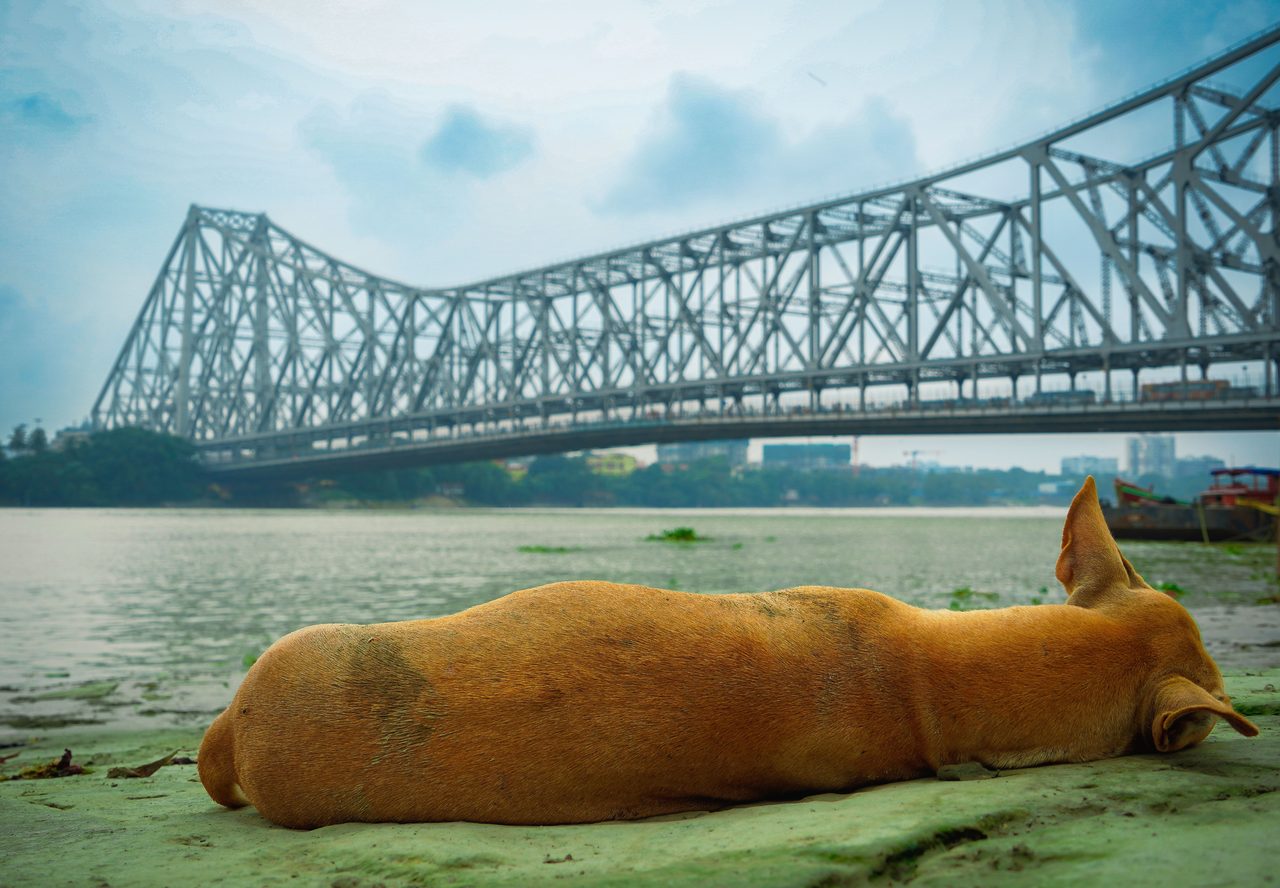
Kolkata, formerly Calcutta, grew from the trading settlement of Job Charnock's East India Company in 1690 into the capital of British India until 1911. The result is a city of grand Victorian and Indo-Saracenic buildings, the white-marble Victoria Memorial, the cantilever Howrah Bridge over the Hooghly and the sprawling Maidan park, alongside older Bengali neighbourhoods such as Kumartuli, where clay idols are made, and North Kolkata's crumbling zamindar mansions. It is India's intellectual and literary capital, home to College Street's book market, Rabindranath Tagore's family house at Jorasanko, Satyajit Ray's film legacy and the Indian Museum, the country's oldest. Durga Puja, inscribed by UNESCO as intangible cultural heritage in 2021, turns the city into an open-air art festival each autumn. Food is central: kathi rolls, phuchka, mishti doi, rosogolla, hilsa fish and Bengali thali meals are everyday pleasures. The city is also the base for trips to the Sundarbans mangrove delta, Shantiniketan and the old French and Dutch settlements along the Hooghly. Winters are mild and dry, summers are hot and humid, and the monsoon runs from June to September.
- Capital
- Kolkata is the capital of West Bengal state
- Largest city
- Kolkata
- Population
- About 4.5 million in the city proper and roughly 14 million across the Kolkata metropolitan area
- Languages
- Bengali, English, Hindi, Urdu
- Currency
- Indian Rupee
- Time zone
- IST (UTC+5:30), no daylight saving
Explore Kolkata by topic
Jump straight to the experience you're planning.
Best places to visit in Kolkata
The 20 destinations our editors recommend — from iconic landmarks to under-the-radar finds.
Howrah Bridge (Rabindra Setu)
Dakshineswar Kali Temple
Belur Math
Indian Museum
St. Paul's Cathedral
Recommended itineraries
Pick a length, follow the route. Each itinerary balances headline sights with breathing room.
5-Day Kolkata Explorer
- Day 1Arrive in Kolkata, explore city center
- Day 2Visit top attractions and museums
- Day 3Day trip to nearby highlights
- Day 4Local markets and hidden gems
- Day 5Final sightseeing, departure
7-Day Classic Kolkata
- Days 1-2Kolkata city highlights
- Days 3-4Regional exploration
- Days 5-6Cultural immersion and local experiences
- Day 7Return and departure
14-Day Ultimate Kolkata
- Days 1-3Kolkata comprehensive city tour
- Days 4-6Northern region exploration
- Days 7-9Eastern highlights
- Days 10-12Southern attractions
- Days 13-14Return to Kolkata, departure
Where to stay in Kolkata
Three tiers, every traveller covered — from cost-conscious to flagship hotels.
Budget ₹2,000 (approx $21 USD)
Hostels, budget hotels, and guesthouses offer affordable stays without sacrificing experience.
Mid-range ₹6,500 (approx $68 USD)
Boutique hotels and well-located accommodations provide comfort and convenience at reasonable prices.
Luxury ₹25,000+ (approx $260 USD)
World-class resorts and premium hotels deliver unforgettable experiences.
The Oberoi Grand
Check rates on Booking.comTaj Bengal
Check rates on Booking.comITC Royal Bengal, a Luxury Collection Hotel
Check rates on Booking.comJW Marriott Hotel Kolkata
Check rates on Booking.comWhere to eat in Kolkata
Cafés, neighbourhood gems, and tasting menus worth the table reservation.
6 Ballygunge Place
Oh! Calcutta
Aaheli
Sonar Tori
Suruchi
Kewpie's Kitchen
Book a food tour in Kolkata We may earn a commission from bookings made through this link.
Getting around Kolkata
Kolkata stretches along the east bank of the Hooghly River, and most visitors move between the colonial core around Esplanade and Park Street, the north around College Street and Shobhabazar, the south around Gariahat and Ballygunge, and the eastern suburbs of Salt Lake and New Town. The metro is the fastest way to cross the city, with buses, trams, yellow taxis, app cabs and ferries providing cheap local coverage.
Budget breakdown
Daily spend by tier in INR, broken out by category.
| Category | Budget | Mid-range | Luxury |
|---|---|---|---|
| Accommodation | ₹800 (approx $8.33 USD) | ₹3,500 (approx $36 USD) | ₹15,000 (approx $156 USD) |
| Food (per day) | ₹500 (approx $5.21 USD) | ₹1,500 (approx $15.63 USD) | ₹5,000 (approx $52 USD) |
| Transportation | ₹200 (approx $2.08 USD) | ₹700 (approx $7.29 USD) | ₹2,500 (approx $26 USD) |
| Activities | ₹500 (approx $5.21 USD) | ₹800 (approx $8.33 USD) | ₹2,500 (approx $26 USD) |
| Daily total | ₹2,000 (approx $21 USD) | ₹6,500 (approx $68 USD) | ₹25,000+ (approx $260 USD) |
Best time to visit Kolkata
Weather through the year in Kolkata
Best time Shoulder Worth avoiding
Average daytime temperature in °C.
Kolkata is at its best from November to February, when days are sunny and dry with highs of about 24-27°C and nights as low as 12-14°C. October brings Durga Puja, the city's biggest festival, with huge crowds and road closures around the pandals. March to May is hot and humid, with highs of 35-38°C, and the monsoon from June to September brings heavy rain and flooded streets. Cyclones from the Bay of Bengal can affect the city in May and again in October and November.
Durga Puja in 2026 falls in mid-to-late October; hotels book out and prices rise sharply, so accommodation should be reserved months ahead. Winter air quality can be poor with smog on some mornings. Visitors in monsoon months should carry an umbrella and expect slow traffic.
Essential travel tips
- Take the metro for north-south trips; buy a smart card or tokens at station counters and avoid peak hours 09:00-11:00 and 17:00-20:00
- Foreign-visitor tickets cost far more than Indian rates: Victoria Memorial is about ₹500 (approx $5.21 USD) and the Indian Museum is about ₹500 (approx $5.21 USD); both are closed on Mondays
- Visit Marble Palace only with a free permit from the West Bengal Tourism office at 3/2 BBD Bagh (East); it is closed on Mondays and Thursdays
- The best weather is November to February; avoid April to June for heat and July to September for flooding
- Book hotels months ahead for Durga Puja in October and for the December-January peak
- Carry small-denomination notes for rickshaws, ferries and temple fees; use UPI or cards in larger restaurants and shops
- Bengali is the main language, but English is widely understood in hotels and shops; learning namaskar (hello) and dhonnobad (thank you) is warmly received
- Visit the flower market at Mullick Ghat and Kumartuli early in the morning for the best light and the fewest crowds
Safety information
Kolkata is generally considered one of India's safer big cities for visitors, with violent crime against tourists rare; the realistic risks are petty theft in crowded markets and buses, traffic, monsoon waterlogging, and stomach upsets
The monsoon runs June to September and many streets, including parts of Park Circus, Behala, Tollygunge and the Hooghly-side lanes, flood quickly; avoid wading through standing water because of open drains and exposed wiring
Do not drink tap water; buy sealed bottled water, check the seal, and avoid ice in unbranded roadside drinks during the first days of a trip
Use the Kolkata Metro, which is cheap, air-conditioned and policed, and use the first coach reserved for women when travelling alone; avoid the Esplanade and Park Street interchange crush from 08:30-10:30 and 17:00-20:00
Use app cabs (Uber, Ola, inDrive) or the yellow Ambassador taxis only when the driver agrees to run the meter; taxis are required by law to use the meter, and pre-paid taxi counters operate at the airport and Howrah station
Pickpockets work the crowds at Howrah Station, New Market, Sealdah, Burrabazar and on packed buses and trams; carry valuables in a front pocket or cross-body bag
Carry sunscreen, a hat and electrolytes from April to June, when daytime highs reach 36-40°C with high humidity, and schedule sightseeing for early morning and late afternoon
Dress modestly at Kalighat, Dakshineswar and other temples, remove shoes at the entrance, and ask before photographing worshippers or the cremation ghats
Air quality is poor from November to January when smog settles over the city; anyone with asthma should carry medication and consider an N95 mask on high-AQI days
Dial 112 for the unified emergency number, 100 for Kolkata Police, 101 for fire, and 102 or 108 for an ambulance
Frequently asked questions
What is the best time to visit Kolkata?
November to February is the best period, with dry, sunny weather and daytime highs of 24-27°C. October brings Durga Puja, the city's largest festival, with heavy crowds. April to June is very hot and humid, and the monsoon from July to September brings heavy rain and waterlogging.
Is Kolkata safe for tourists?
Kolkata is generally safe for visitors and is regarded as one of India's safer large cities. The main problems are taxi and rickshaw overcharging, touts at railway stations, and pickpocketing in crowded places. Visitors can dial 112 for emergencies, and 1091 for women in distress.
How do I get from Kolkata airport to the city?
Netaji Subhas Chandra Bose International Airport is about 17 km from the city centre. Prepaid taxi counters and Uber, Ola and Rapido cabs take 45-90 minutes depending on traffic and cost about ₹500-900 (approx $5.21-9.38 USD) to central hotels; air-conditioned airport buses also run to Esplanade.
Do travellers need a visa to visit Kolkata?
Most foreign nationals need a visa for India. Citizens of around 165 eligible countries can apply online for an e-Tourist Visa, available in 30-day, 1-year or 5-year variants. Passports must be valid for at least six months, and travellers should confirm current rules at indianvisaonline.gov.in.
What are the must-see sights in Kolkata?
Victoria Memorial, Howrah Bridge and the Mullick Ghat flower market, the Indian Museum, Dakshineswar Kali Temple, College Street, Kumartuli and Mother House are the main sights. Victoria Memorial and the Indian Museum each cost about ₹500 (approx $5.21 USD) for foreign visitors and are closed on Mondays.
What are good day trips from Kolkata?
Belur Math and Dakshineswar are near the city; Chandannagar, Serampore and Bandel on the Hooghly are old European settlements; Shantiniketan is about 3 hours by train and the Sundarbans mangrove forest is a 2-3 day trip. Digha and Mandarmani are the nearest beaches, about 4-5 hours by road.