About India
India is a vast and diverse South Asian nation offering ancient temples, vibrant cities, pristine beaches, and the majestic Himalayas. From the iconic Taj Mahal to spiritual Varanasi and tropical Kerala backwaters, India delivers unforgettable experiences across its 28 states and 8 union territories.
Quick Overview
Capital: New Delhi
Largest City: Mumbai
Population: 1.44 billion
Languages: Hindi, English, Bengali, Telugu, Marathi, Tamil, Urdu, Gujarati
Currency: Indian Rupee (INR)
Time Zone: UTC+5:30 (India Standard Time)
Explore India by Topic
Best Places to Visit in India
Discover the top 31 must-see destinations in India, from iconic landmarks to off-the-beaten-path treasures.
Taj Mahal
The world's most famous monument to love, this white marble mausoleum was built by Mughal Emperor Shah Jahan for his beloved wife Mumtaz Mahal. The intricate marble inlay work, symmetrical gardens, and reflecting pools create an ethereal experience, especially at sunrise.
Red Fort
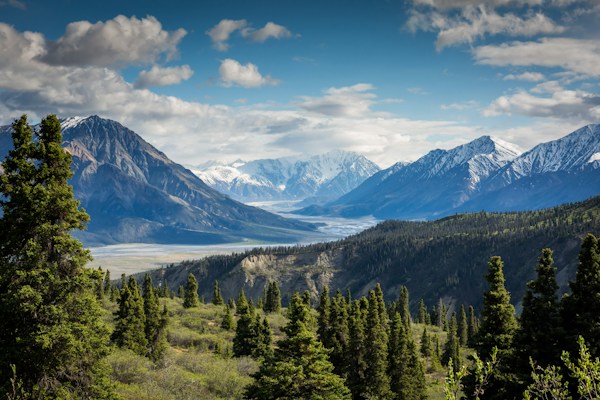
This massive red sandstone fort served as the main residence of Mughal emperors for nearly 200 years. The sprawling complex includes palaces, audience halls, and museums showcasing India's rich history and the struggle for independence.
Hawa Mahal
The iconic Palace of Winds features 953 small windows (jharokhas) that allowed royal ladies to observe street festivals while remaining unseen. The pink sandstone facade is one of Jaipur's most photographed landmarks.
Golden Temple
The holiest shrine of Sikhism, this stunning gold-plated temple sits in the middle of a sacred pool. The temple welcomes visitors of all faiths and serves free meals to over 100,000 people daily in the world's largest community kitchen.
Gateway of India
This iconic 26-meter high arch monument was built to commemorate the visit of King George V and Queen Mary in 1911. Located on the waterfront in Mumbai, it's the starting point for boat rides to Elephanta Caves.
Mysore Palace
This Indo-Saracenic palace is one of India's most magnificent royal residences, featuring intricate carvings, stained glass ceilings, and opulent halls. The palace is illuminated with nearly 100,000 lights on Sundays and holidays.
Amber Fort
This hilltop fort palace showcases a stunning blend of Hindu and Mughal architecture with its ornate mirror work, intricate frescoes, and sprawling courtyards. The elephant ride up to the fort is a popular tourist experience.
Qutub Minar
This 73-meter tall victory tower is the tallest brick minaret in the world and a UNESCO World Heritage Site. The complex includes ancient ruins, the famous Iron Pillar, and beautiful Indo-Islamic architecture.
Recommended Itineraries for India
Plan your perfect India trip with our expertly crafted itineraries for every travel style and duration.
5-Day India Explorer
- Day 1: Arrive in India, explore city center
- Day 2: Visit top attractions and museums
- Day 3: Day trip to nearby highlights
- Day 4: Local markets and hidden gems
- Day 5: Final sightseeing, departure
7-Day Classic India
- Days 1-2: India city highlights
- Days 3-4: Regional exploration
- Days 5-6: Cultural immersion and local experiences
- Day 7: Return and departure
14-Day Ultimate India
- Days 1-3: India comprehensive city tour
- Days 4-6: Northern region exploration
- Days 7-9: Eastern highlights
- Days 10-12: Southern attractions
- Days 13-14: Return to India, departure
Where to Stay in India
From luxury resorts to budget-friendly options, India offers accommodations for every traveler.
Budget Options ($25-$40)
Hostels, budget hotels, and guesthouses offer affordable stays without sacrificing experience.
Mid-Range ($60-$100)
Boutique hotels and well-located accommodations provide comfort and convenience at reasonable prices.
Luxury ($200-$500+)
World-class resorts and premium hotels deliver unforgettable experiences.
The Taj Mahal Palace
This iconic heritage hotel overlooks the Gateway of India and Arabian Sea. Built in 1903, it combines old-world charm with modern luxury, featuring opulent suites, award-winning restaurants, and a world-class spa.
Check rates on Booking.comHotel Surya
Well-located hotel in Varanasi offering clean, comfortable rooms with modern amenities. The rooftop restaurant provides views of the Ganges and serves excellent Indian and continental cuisine.
Check rates on Booking.comSmyle Inn
Clean, no-frills accommodation in Delhi's Paharganj area. Basic rooms with essential amenities, perfect for backpackers exploring Old Delhi and nearby attractions.
Check rates on Booking.comThe Oberoi Amarvilas
Every room offers unobstructed views of the Taj Mahal from just 600 meters away. This luxury property features Mughal-inspired architecture, terraced lawns, fountains, and exceptional service in Agra.
Check rates on Booking.comWhere to Eat in India
Discover the culinary delights of India, from local street food to fine dining experiences.
Bukhara
Legendary restaurant at ITC Maurya serving rustic North-West Frontier cuisine. Famous for its dal bukhara and tandoori dishes, frequented by world leaders and celebrities since 1978.
Karim's
Historic restaurant established in 1913 near Jama Masjid, famous for its mutton dishes and authentic Mughlai flavors. A must-visit for traditional Delhi cuisine.
Haldiram's
Popular chain serving vegetarian Indian snacks, sweets, and meals. Great for trying chaat, samosas, and traditional sweets at budget prices.
Paranthe Wali Gali
Narrow lane in Old Delhi famous for paratha shops operating since the 1870s. Try various stuffed parathas from multiple small vendors.
Blue Tokai Coffee Roasters
Specialty coffee roaster with cafes serving single-origin Indian coffee. Modern minimalist design with excellent espresso-based drinks.
Indian Accent
Award-winning restaurant reinventing Indian cuisine with global ingredients and innovative techniques. Set in a beautiful manor with exceptional presentation and service.
Getting Around India
Budget Breakdown for India
Plan your spending with our comprehensive cost guide. Currency: USD.
| Category | Budget | Mid-Range | Luxury |
|---|---|---|---|
| Accommodation | $8-$15 (hostels, budget guesthouses) | $30-$50 (mid-range hotels, Airbnb) | $120-$300+ (luxury hotels, heritage properties, palace hotels) |
| Food (per day) | $8-$12 (street food, local restaurants, self-catering) | $18-$25 (mix of local and tourist restaurants, some cafes) | $50-$100 (fine dining, hotel restaurants, high-end cafes) |
| Transportation | $3-$5 (local buses, metro, auto-rickshaws) | $8-$12 (Uber/Ola, some auto-rickshaws, occasional trains) | $25-$80 (private car with driver, domestic flights) |
| Activities | $5-$8 (free temples, cheap entry fees, walking tours) | $15-$20 (paid attractions, guides, some experiences) | $50-$120 (private guides, exclusive experiences, spa treatments) |
| Daily Total | $25-$40 | $60-$100 | $200-$500+ |
Best Time to Visit India
Best Season: October to March (cool and dry)
Peak Season: October to March (cool and dry)
Avoid: April to September (hot and monsoon season)
Essential Travel Tips for India
- Research visa requirements before your trip
- Learn a few basic phrases in the local language
- Carry cash as cards may not be accepted everywhere
- Respect local customs and dress codes
- Purchase travel insurance before departure
Safety Information
Travel Advisory
Exercise normal security precautions in most of India. Avoid Jammu and Kashmir (except Union Territory administration areas), Manipur, and areas near the Pakistan border. The UK Foreign Office and US State Department advise against non-essential travel to certain northeastern states and border regions.
Register with your country's embassy or consulate upon arrival for emergency contact.
Women should avoid traveling alone at night; use women-only compartments on trains and metros.
Keep valuables, passports, and cash in a money belt or hotel safe; avoid displaying expensive jewelry.
Only use prepaid registered taxis, Ola, or Uber — avoid unmarked vehicles or touts at airports.
Drink only sealed bottled water; avoid ice in drinks and raw salads from street stalls.
Be vigilant in crowded tourist sites like the Taj Mahal and Red Fort for pickpockets and bag snatchers.
Research required vaccinations (typhoid, hepatitis A/B, rabies) and carry antimalarial medication for rural areas.
Respect local dress codes; cover shoulders and knees when visiting temples, mosques, and shrines.
Beware of common scams: gem investment schemes, fake tour operators, and closed-monument diversions.
Air quality in Delhi can reach hazardous levels October to February; carry an N95 mask.
Carry a paper copy of your visa, passport, and travel insurance details in case of theft.
Negotiate auto-rickshaw and taxi fares before boarding or insist on the meter to avoid overcharging.
Frequently Asked Questions
Is India safe to visit in 2026?
India is a generally safe country for tourists but requires vigilance and preparation. Crime against tourists is mostly opportunistic theft and scams rather than violent crime. Women travelers face additional challenges around street harassment, particularly in North India's smaller cities and towns. Emergency services: police at 100, medical at 102 (ambulance) or 108 (in some states).
What is the best time to visit India?
The best time to visit India is October to March (cool and dry). India's vast geography creates dramatically different climatic zones — from the alpine cold of the Himalayas to the tropical heat of Kerala and the desert aridity of Rajasthan. The Indian subcontinent
Do I need a visa to visit India?
e-Visa available online for tourist, business, and medical purposes. Multiple-entry tourist visa valid up to 10 years with maximum 180-day stay per visit. Passport must have 6 months validity from arrival date. Requirements vary by nationality, so check with your nearest embassy or the official immigration website before traveling.
What currency is used in India?
The currency in India is the Indian Rupee (INR) (INR). ATMs are widely available in cities and tourist areas. Credit cards are accepted at most hotels and restaurants, but carry cash for markets and smaller establishments.
What language is spoken in India?
The main language(s) spoken in India: Hindi, English, Bengali. In tourist areas, English is generally understood. Learning a few basic phrases in the local language is appreciated by locals.
What are the top attractions in India?
The top attractions in India include Taj Mahal, Red Fort, Hawa Mahal, Golden Temple, and Gateway of India. Each offers a unique experience, from historic landmarks to natural wonders.
Explore India by Region
Delhi
Delhi, India's sprawling capital territory, is a city where ancient monuments stand beside ultramodern malls and Mughal gardens shadow gleaming corporate towers. As one of the world's most populous cities, Delhi offers an intoxicating blend of history spanning 3,000 years, from Iron Age settlements to British colonial architecture. The city serves as the political, cultural, and commercial heart of India, drawing millions of visitors annually to its UNESCO World Heritage Sites, vibrant street food scene, and legendary bazaars.
Goa
Goa is India's smallest state by area but one of its most vibrant, famous for its stunning Arabian Sea coastline, Portuguese colonial heritage, and a unique fusion of Indian and European culture. From the party beaches of Baga and Anjuna in the north to the tranquil coves of Palolem and Agonda in the south, Goa offers something for every traveler.
Kerala
Kerala, known as 'God's Own Country,' is a lush tropical state on India's southwest Malabar Coast, celebrated for its serene backwaters, verdant tea plantations, pristine beaches, and rich cultural heritage. It is one of the most literate and developed states in India, offering a unique blend of Ayurvedic traditions, diverse wildlife, and vibrant festivals.
Maharashtra
Maharashtra is India's second-most populous state and a powerhouse of culture, history, and natural beauty. Home to the bustling metropolis of Mumbai, ancient UNESCO World Heritage cave complexes at Ajanta and Ellora, majestic Sahyadri mountain forts, and pristine Konkan coastline beaches, Maharashtra offers an extraordinary diversity of experiences for every type of traveler.
Rajasthan
Rajasthan, India's largest state by area, is a land of vibrant colors, majestic forts, and royal palaces that transport visitors back to an era of Maharajas and ancient trade routes. From the pink-hued city of Jaipur to the blue alleys of Jodhpur and the shimmering lakes of Udaipur, Rajasthan offers an unparalleled tapestry of history, culture, and natural beauty. The Thar Desert in the west and the Aravalli mountain range create dramatic landscapes that make Rajasthan one of India's most photogenic and culturally rich destinations.
Tamil Nadu
Tamil Nadu is a southern Indian state renowned for its Dravidian temples, classical dance, and rich cultural heritage spanning over 2,000 years. From the ancient Chola temples of Thanjavur to the pristine beaches of Kanyakumari, the state offers an unparalleled blend of history, spirituality, and natural beauty.