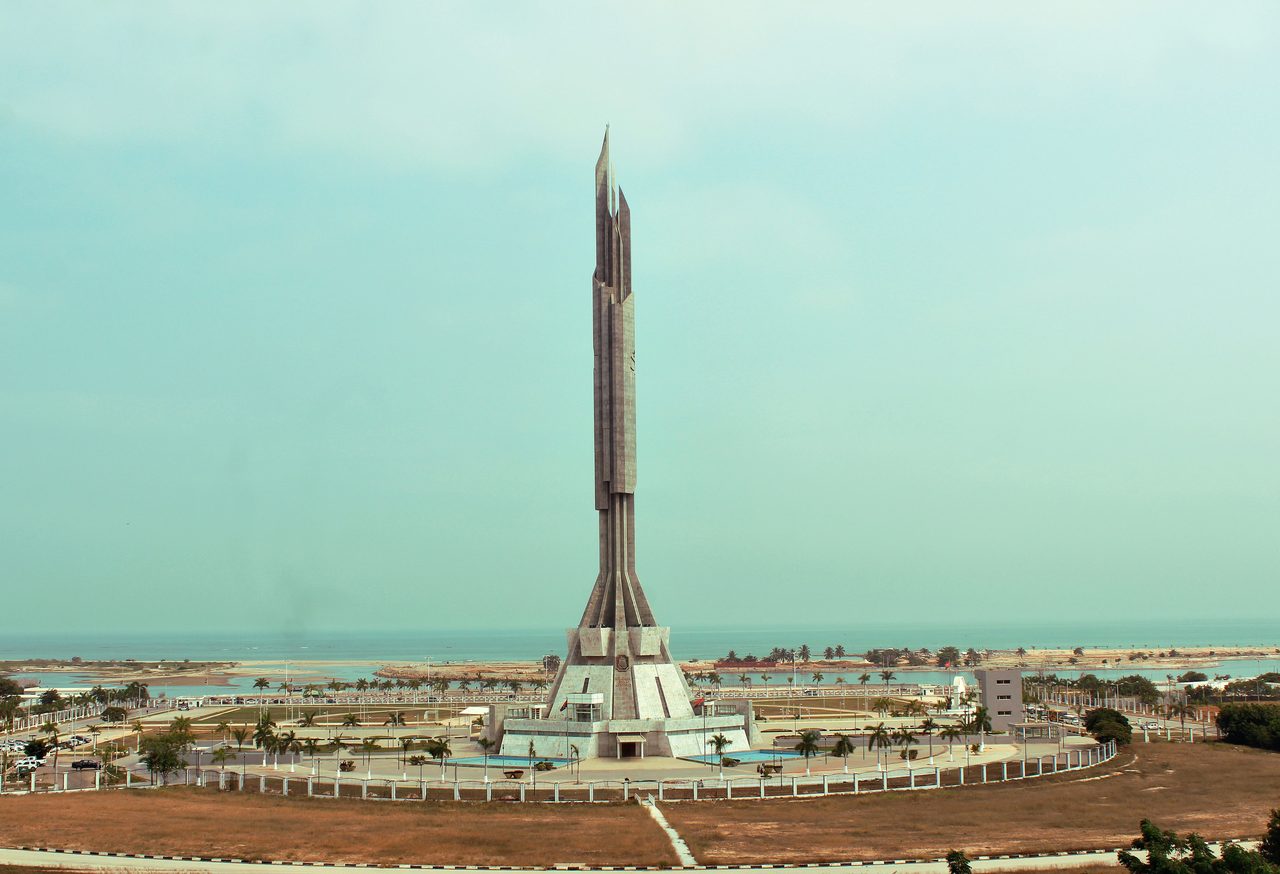
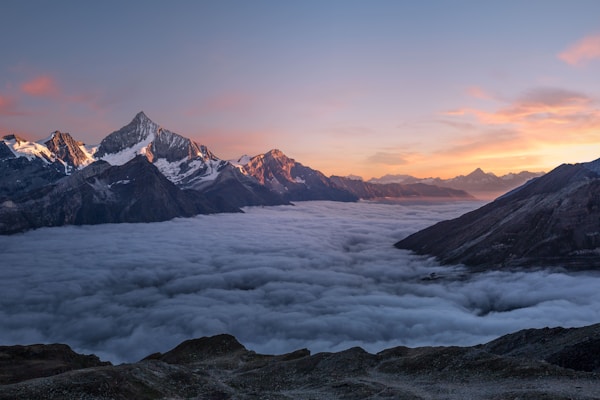
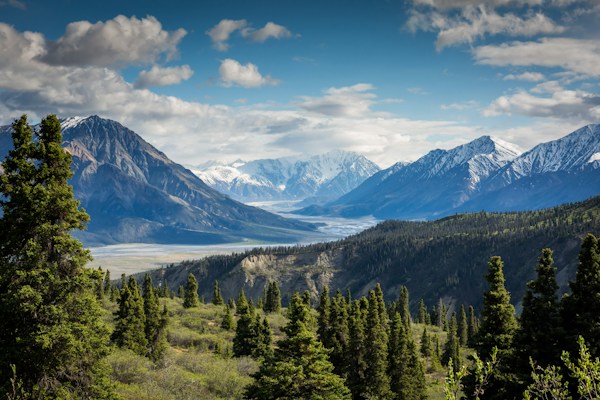
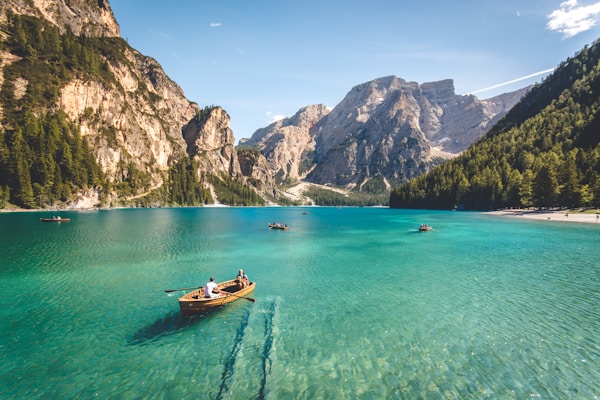
Angola is a vibrant Southern African nation offering dramatic landscapes from the lunar-like formations of Miradouro da Lua to pristine Atlantic beaches. Experience Portuguese-influenced colonial architecture in Luanda, explore wildlife in Kissama National Park, and discover Kalandula Falls, one of Africa's largest waterfalls.
Angola is a vibrant Southern African nation offering dramatic landscapes from the lunar-like formations of Miradouro da Lua to pristine Atlantic beaches. Experience Portuguese-influenced colonial architecture in Luanda, explore wildlife in Kissama National Park, and discover Kalandula Falls, one of Africa's largest waterfalls.
The 26 destinations our editors recommend — from iconic landmarks to under-the-radar finds.
Fortaleza de São Miguel
This historic Portuguese fortress, built in 1576, sits atop a hill overlooking Luanda Bay and houses the Museum of the Armed Forces. The fortress offers stunning panoramic views of the city and Atlantic Ocean, with well-preserved colonial military architecture and artifacts spanning Angola's complex history.
Miradouro da Lua
The 'Moon Viewpoint' features dramatic red and ochre cliffs carved by erosion into lunar-like formations, creating one of Angola's most photographed landscapes. Located 40 km south of Luanda along the coast, this geological wonder offers breathtaking views over the Atlantic Ocean, especially stunning at sunset.
Kalandula Falls
One of Africa's largest waterfalls, Kalandula plunges 105 meters over a 400-meter-wide curtain of cascading water on the Lucala River. Located in Malanje Province, these spectacular falls rival Victoria Falls in grandeur and are surrounded by lush vegetation and dramatic rock formations.
Kissama National Park
Angola's most accessible national park spans 9,960 square kilometers and is home to elephants, giraffes, zebras, and various antelope species reintroduced through Operation Noah's Ark. The park sits just 70 km south of Luanda along the coast, offering both savanna and coastal ecosystems.
Ilha do Mussulo
This narrow 30-km-long sandy peninsula separates Luanda Bay from the Atlantic Ocean, featuring pristine beaches, coconut palm groves, and crystal-clear waters. Mussulo is Luanda's premier beach destination with beach clubs, restaurants, and water sports facilities.
Palácio de Ferro
The Iron Palace, designed by Gustave Eiffel in 1890, stands as a unique architectural landmark in downtown Luanda. This prefabricated iron structure was originally intended for Madagascar but ended up in Angola, now serving as a cultural center and museum.
Recommended itineraries
Pick a length, follow the route. Each itinerary balances headline sights with breathing room.
5-Day Angola Explorer
Day 1Arrive in Angola, explore city center
Day 2Visit top attractions and museums
Day 3Day trip to nearby highlights
Day 4Local markets and hidden gems
Day 5Final sightseeing, departure
7-Day Classic Angola
Days 1-2Angola city highlights
Days 3-4Regional exploration
Days 5-6Cultural immersion and local experiences
Day 7Return and departure
14-Day Ultimate Angola
Days 1-3Angola comprehensive city tour
Days 4-6Northern region exploration
Days 7-9Eastern highlights
Days 10-12Southern attractions
Days 13-14Return to Angola, departure
Where to stay in Angola
Three tiers, every traveller covered — from cost-conscious to flagship hotels.
Budget $50-70
Hostels, budget hotels, and guesthouses offer affordable stays without sacrificing experience.
Mid-range $150-250
Boutique hotels and well-located accommodations provide comfort and convenience at reasonable prices.
Luxury $400-700
World-class resorts and premium hotels deliver unforgettable experiences.
InterContinental Luanda Miramar
Luanda · $250-$400
Angola's first internationally branded five-star hotel, located in the leafy Miramar district. Features world-class service, rooftop pool, multiple restaurants, and modern amenities catering to business and leisure travelers.
Sophisticated 4-star hotel in Talatona offering spacious suites with kitchenettes, perfect for business travelers and families. Modern amenities at reasonable rates.
Budget-friendly guesthouse with artistic touches and friendly atmosphere. Clean basic rooms, shared spaces, and helpful staff make it popular with backpackers and budget travelers.
Luxury waterfront hotel on the Ilha do Cabo with stunning bay views, infinity pool, and upscale Portuguese-influenced dining. Perfect for those seeking beachside luxury in the city.
Cafés, neighbourhood gems, and tasting menus worth the table reservation.
Oon.dah
Contemporary Fusion · $$$$$
Luanda's premier fine dining destination offering contemporary fusion cuisine with minimalist design and impeccable presentation. The innovative menu blends Angolan ingredients with international techniques.
Lookal Mar
Angolan Seafood · $$$
Oceanfront restaurant famous for fresh seafood and traditional Angolan dishes like calulu and moamba. Beautiful sunset views and relaxed atmosphere make this a local favorite.
Nando's Luanda
Portuguese-African · $
Popular chain restaurant serving flame-grilled peri-peri chicken with Portuguese-African flavors. Casual atmosphere, reliable quality, and affordable prices.
Mercado do Kinaxixi Street Vendors
Angolan Street Food · $
Bustling market with numerous street food stalls selling grilled meats, fried fish, and traditional snacks. Authentic local experience at very low prices.
Café del Mar Lounge
Cafe-Bar · $$
Stylish beachfront cafe serving excellent coffee, fresh juices, light meals, and cocktails. Popular morning to evening spot with WiFi.
K Luanda Chic
Japanese · $$$$$
Upscale Japanese restaurant with sleek, intimate atmosphere offering authentic sushi, sashimi, and contemporary Japanese cuisine. Premium ingredients and polished service.
Getting around Angola
Transportation options in Angola include local buses, taxis, and rental cars. Check local conditions before planning your travel.
Budget breakdown
Daily spend by tier in USD, broken out by category.
Category
Budget
Mid-range
Luxury
Accommodation
$25-40 (budget guesthouse/hostel)
$80-130 (mid-range hotel)
$220-450 (5-star hotel)
Food (per day)
$15-20 (street food, local restaurants, self-catering)
$40-70 (mix of casual and mid-range restaurants)
$100-180 (fine dining, hotel restaurants)
Transportation
$5-8 (local buses, shared taxis)
$15-25 (taxis, rideshare apps)
$40-60 (private car, airport transfers)
Activities
$5-10 (free attractions, occasional paid entry)
$15-25 (paid attractions, tours, entertainment)
$40-70 (private tours, premium experiences)
Daily total
$50-70
$150-250
$400-700
Best time to visit Angola
Weather through the year in Angola
Best timeShoulderWorth avoiding
Average daytime temperature in °C. Figures are for Angola.
May to August (dry season, coolest temperatures)
Essential travel tips
Research visa requirements before your trip
Learn a few basic phrases in the local language
Carry cash as cards may not be accepted everywhere
Respect local customs and dress codes
Purchase travel insurance before departure
Hidden gems
Off-the-beaten-path corners most travellers miss.
Baia dos Tigres
Remote ghost town on a peninsula in southern Namibe Province, once a thriving fishing village now abandoned and consumed by desert. Eerie ruins, flamingo lagoons, and endless sand dunes create a hauntingly beautiful post-apocalyptic landscape accessible only by 4x4.
Pedras Negras de Pungo Andongo
Massive black rock formations rising dramatically from savanna plains, steeped in local legend and featuring ancient rock paintings. Far less visited than Kalandula Falls but equally impressive.
Cangandala National Park
Angola's smallest park is the last sanctuary of the critically endangered giant sable antelope, Angola's national symbol. Exclusive guided tours offer chances to see this majestic endemic species.
Cuanza River Valley
Scenic river valley with opportunities for boat trips, fishing, and visiting traditional riverside villages. Less touristy alternative to coastal attractions.
Benguela Colonial Quarter
Well-preserved Portuguese colonial architecture in a relaxed coastal city, less chaotic than Luanda. Beautiful railway station, historic churches, and waterfront promenade.
Namibe Desert Coast
Where the Namib Desert meets the Atlantic Ocean, creating dramatic landscapes of towering dunes plunging into the sea
Tundavala Gap
Huila Province, 18km from Lubango — a dramatic escarpment plunging 1,000m to the plains below
Miradouro da Lua
40km south of Luanda — lunar-like eroded clay cliffs carved by rain into fantastical formations along the Atlantic coast
Kalandula Falls
Malanje Province, 400km from Luanda — second-largest waterfall in Africa by volume, surrounded by lush forest
Ponta do Padrao
Congo River mouth near Soyo, northern Angola — where the river meets the Atlantic Ocean at a historic Portuguese explorer landing site
Safety information
INFO
Avoid demonstrations and large gatherings
INFO
Do not travel outside major cities after dark
INFO
Carry certified copies of passport and visa, not originals
INFO
Be aware of landmines outside major urban areas
INFO
Use reputable transportation services only
INFO
Avoid displaying valuables or large amounts of cash
INFO
Stay informed about cholera outbreak updates
INFO
Drink only bottled or purified water
INFO
Register with your country's embassy upon arrival — Angola has limited consular resources and registration ensures you can be contacted in emergencies.
INFO
Be respectful when photographing people or military installations — always ask permission before photographing individuals, and avoid photographing government buildings, police, or military personnel, as this can lead to detention.
Frequently asked questions
Is Angola safe to visit in 2026?
Angola is a moderate-risk destination where urban crime in Luanda — particularly petty theft, mugging, and vehicle crime — is the primary concern for visitors. Travelers who stay aware, use reputable transportation, and follow standard urban safety practices generally have trouble-free experiences. Emergency services: police at 113, medical at 112.
What is the best time to visit Angola?
The best time to visit Angola is May to August (dry season, coolest temperatures). Angola has a tropical climate with a distinct dry season (cacimbo) from May to October and a wet season from November to April. Luanda on the coast is warm year-round (22-30°C) while the southern high
Do I need a visa to visit Angola?
Visa-free for tourism up to 30 days per trip (90 days total per calendar year). Passport must be valid for duration of stay with at least 1 blank page. Proof of onward travel and accommodation required. Requirements vary by nationality, so check with your nearest embassy or the official immigration website before traveling.
What currency is used in Angola?
The currency in Angola is the Angolan Kwanza (AOA) (AOA). ATMs are widely available in cities and tourist areas. Credit cards are accepted at most hotels and restaurants, but carry cash for markets and smaller establishments.
What language is spoken in Angola?
The main language(s) spoken in Angola: Portuguese (official), Umbundu, Kimbundu. In tourist areas, English is generally understood. Learning a few basic phrases in the local language is appreciated by locals.
What are the top attractions in Angola?
The top attractions in Angola include Fortaleza de São Miguel, Miradouro da Lua, Kalandula Falls, Kissama National Park, and Ilha do Mussulo. Each offers a unique experience, from historic landmarks to natural wonders.