South America · 26 Places · Best December-February (summer)
Uruguay
Uruguay is South America's hidden gem, offering a sophisticated blend of colonial history, vibrant beach resorts, and gaucho culture. This small nation between Argentina and Brazil boasts UNESCO World Heritage sites, world-class wine regions, and some of the continent's best beaches.
Uruguay is South America's hidden gem, offering a sophisticated blend of colonial history, vibrant beach resorts, and gaucho culture. This small nation between Argentina and Brazil boasts UNESCO World Heritage sites, world-class wine regions, and some of the continent's best beaches.
The 26 destinations our editors recommend — from iconic landmarks to under-the-radar finds.
Ciudad Vieja (Old Town Montevideo)
Montevideo's historic heart features colonial architecture, art galleries, museums, and vibrant nightlife. The cobblestone streets are lined with 18th and 19th-century buildings, creating an atmospheric blend of past and present. This is the cultural and artistic hub of the capital.
Plaza Independencia
This grand square marks the gateway between Old Town and modern Montevideo, featuring the imposing Artigas Mausoleum beneath an equestrian statue. Surrounded by architectural landmarks including the Palacio Salvo and Solís Theatre, it's the symbolic heart of Uruguayan independence. The underground mausoleum honors national hero José Artigas.
Mercado del Puerto
This iconic 1868 iron-wrought market building is Uruguay's culinary temple, famous for sizzling parrillas serving traditional asado. The atmospheric indoor-outdoor space features open-fire grills where you can watch master parrilleros prepare succulent meats. Beyond food, it hosts artisan shops and live music on weekends.
Estadio Centenario
This legendary stadium hosted the first-ever FIFA World Cup in 1930 and remains a pilgrimage site for football fans worldwide. The Art Deco structure can hold 60,000 spectators and features a museum showcasing Uruguay's remarkable football heritage including their World Cup victories. Attending a match here is an unforgettable cultural experience.
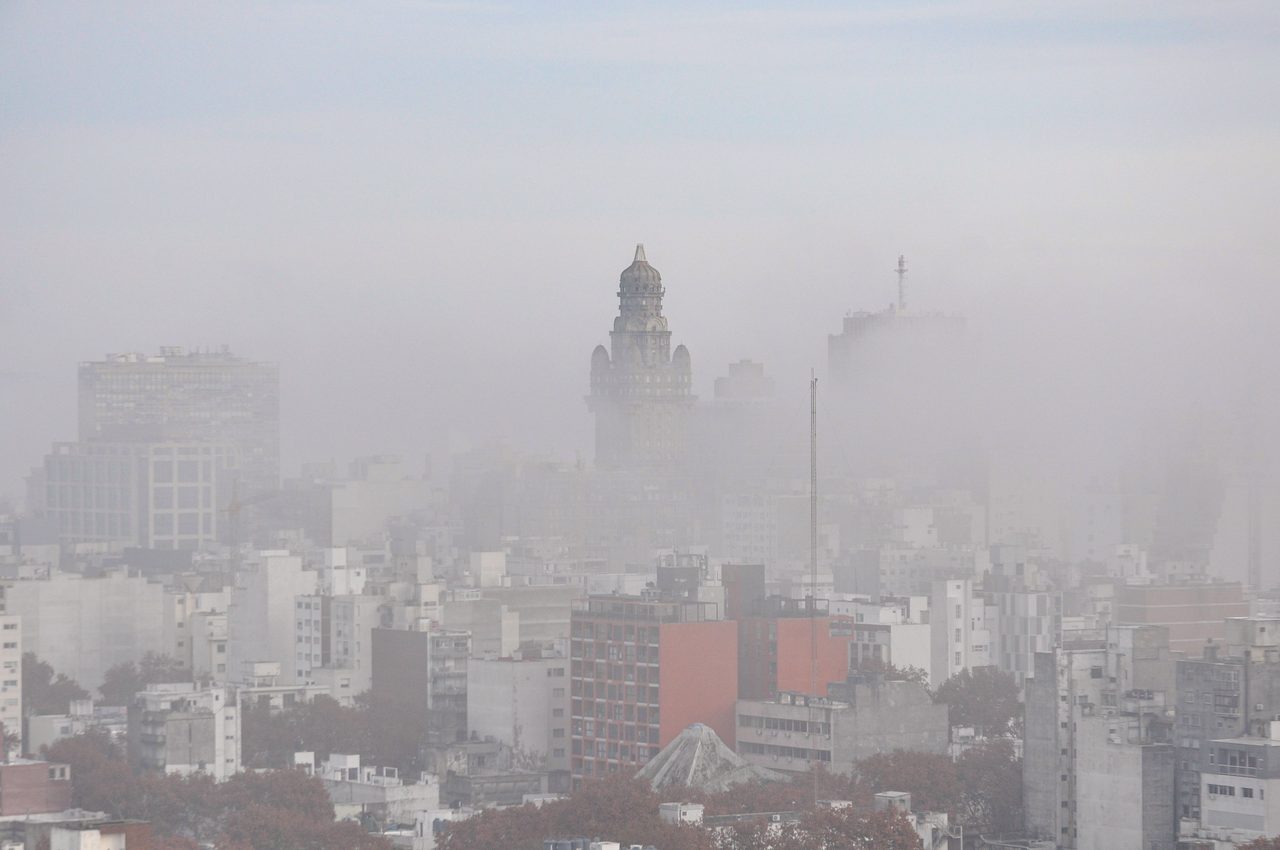
Palacio Salvo
Once South America's tallest building, this 1928 Art Deco masterpiece dominates Montevideo's skyline with its 95-meter height and eclectic architectural style. The building's distinctive lighthouse-like tower and ornate details make it an iconic symbol of the city. Visitors can tour the building and ascend for panoramic city views.
Fortaleza del Cerro
This 18th-century fortress overlooks Montevideo Bay from atop Cerro Hill, offering spectacular panoramic views of the city and harbor. The military museum inside displays historical artifacts, weapons, and exhibits on Uruguay's colonial and independence periods. The lighthouse and fortress walls provide excellent photo opportunities.
Recommended itineraries
Pick a length, follow the route. Each itinerary balances headline sights with breathing room.
5-Day Uruguay Explorer
Day 1Arrive in Uruguay, explore city center
Day 2Visit top attractions and museums
Day 3Day trip to nearby highlights
Day 4Local markets and hidden gems
Day 5Final sightseeing, departure
7-Day Classic Uruguay
Days 1-2Uruguay city highlights
Days 3-4Regional exploration
Days 5-6Cultural immersion and local experiences
Day 7Return and departure
14-Day Ultimate Uruguay
Days 1-3Uruguay comprehensive city tour
Days 4-6Northern region exploration
Days 7-9Eastern highlights
Days 10-12Southern attractions
Days 13-14Return to Uruguay, departure
Where to stay in Uruguay
Three tiers, every traveller covered — from cost-conscious to flagship hotels.
Budget $40-50
Hostels, budget hotels, and guesthouses offer affordable stays without sacrificing experience.
Mid-range $90-120
Boutique hotels and well-located accommodations provide comfort and convenience at reasonable prices.
Luxury $250-400
World-class resorts and premium hotels deliver unforgettable experiences.
Sofitel Montevideo Casino Carrasco & Spa
Montevideo · $180-350
This Belle Époque palace turned 5-star resort features a grand casino, luxury spa, and beachfront location. The 116 elegantly appointed rooms blend historic architecture with modern amenities. Multiple restaurants, indoor pool, and impeccable service make it Montevideo's premier luxury address.
Modern hotel in Montevideo's business district offering comfortable rooms with contemporary design. Rooftop pool with city views, full breakfast buffet, and professional service at reasonable rates. Convenient location near shopping and restaurants.
Budget-friendly hotel in upscale Pocitos neighborhood near beach and parks. Clean, simple rooms with basic amenities and friendly service. Excellent value for the location with supermarkets and restaurants nearby.
Hyatt's first South American property occupies a prime waterfront location with boutique atmosphere and 178 smart rooms. Contemporary design meets Uruguayan hospitality with rooftop pool, excellent restaurant, and personalized service. Walking distance to Ciudad Vieja and the port.
Cafés, neighbourhood gems, and tasting menus worth the table reservation.
Parador La Huella
Coastal/Seafood · $$$
José Ignacio's most famous restaurant sits right on the beach serving fresh seafood and grilled meats with Mediterranean influences. The laid-back elegance, excellent wine list, and spectacular location make it a must-visit. Reservations essential during peak season.
La Pulpería
Parrilla/Steakhouse · $$
Beloved local parrilla serving top-quality meats in a casual, authentic atmosphere. The simple menu focuses on perfectly grilled cuts with traditional sides. Always packed with locals which speaks to the quality and value.
Chivitería Marcos
Uruguayan Fast Food · $
The best chivito in Montevideo according to locals, served in generous portions with perfect meat-to-topping ratio. This casual spot in Pocitos has been perfecting Uruguay's national sandwich for decades. Always busy but worth the wait.
Mercado del Puerto Parrillas
Grilled Meats · $
Multiple parrilla stalls in the iconic market building serve sizzling chorizo, morcilla, and beef cuts right off the grill. Stand at the bar with a medio y medio (sparkling wine) and order from the display. Authentic Montevideo experience.
Café Brasilero
Traditional Café · $
Montevideo's oldest café (opened 1877) maintains its Belle Époque charm with original wood furnishings and marble tables. Perfect for cortado and medialunas while soaking in literary history. Writers and artists still frequent this institution.
Francis
Contemporary Uruguayan · $$$
Chef Francis Mallmann's flagship restaurant in Punta del Este showcases his fire-cooking techniques with dramatic presentations. The menu features premium meats, local seafood, and seasonal vegetables prepared over open flames. Wine cellar holds 10,000 bottles.
Average daytime temperature in °C. Figures are for Uruguay.
Essential travel tips
Research visa requirements before your trip
Learn a few basic phrases in the local language
Carry cash as cards may not be accepted everywhere
Respect local customs and dress codes
Purchase travel insurance before departure
Hidden gems
Off-the-beaten-path corners most travellers miss.
Pueblo Edén
Tiny artistic village inland from Punta del Este featuring street murals, sculpture gardens, and bohemian atmosphere. Local artists welcome visitors to galleries and workshops. Completely off the tourist radar despite being close to major resort.
Quebrada de los Cuervos
Uruguay's first protected natural landscape features dramatic gorge with waterfalls, native forest, and diverse birdlife. Hiking trails reveal stunning geological formations rarely seen in Uruguay. Remote location means few visitors.
Laguna de Rocha
Coastal lagoon separating from the ocean by narrow sandbar, creating unique ecosystem. Flamingos, black-necked swans, and over 200 bird species inhabit the area. Pristine beaches and fishing village atmosphere.
Valle Edén
Lush valley with waterfalls, swimming holes, and hiking trails in an area known for beautiful landscapes. The microclimate creates dense vegetation unusual for Uruguay. Local estancias offer horseback riding.
Cabo Polonio in winter
Visit this famous spot off-season to experience true isolation. Winter reveals the raw beauty without summer crowds. Sea lion colonies are even larger, and you'll have pristine beaches entirely to yourself.
Cerro de Montevideo Summit
The only hill in Montevideo (139 m) offers a 360 degree panorama of the city, Rio de la Plata estuary, and port. Reached via Parque del Cerro, the hilltop fortress Fortaleza del Cerro adds historic atmosphere. Locals jog here at dawn.
Rambla de Montevideo at Punta Brava Lighthouse
The western end of the Rambla near Punta Brava offers unobstructed views across the estuary mouth with the red-and-white lighthouse as a foreground. Almost no tourists venture this far west.
Mirador de Punta del Este Peninsula Tip
Walk to the very tip of the Punta del Este peninsula at dawn for views over the port, the Atlantic, and the Rio de la Plata simultaneously. The fingers sculpture on Playa Brava is visible from here.
Playa Brava, Punta del Este
Face east on Playa Brava at dawn to watch the sun rise directly from the Atlantic horizon. The iconic Dedos (Fingers) sculpture emerges from the sand in golden light, completely deserted before 7am.
Laguna Garzon Bridge
The circular bridge over Laguna Garzon reflects the sunrise beautifully in the still water. Flamingos and other wading birds feed in the shallows at dawn, making this a magical sunrise location.
Rambla Armenia, Montevideo
The long Montevideo waterfront promenade faces west into the Rio de la Plata, creating spectacular sunsets. The wide estuary acts like an inland sea, turning orange and pink. Locals gather with mate to watch the evening sky.
Playa de los Ingleses, Colonia del Sacramento
Colonia faces the setting sun over the Rio de la Plata. The historic quarter colonial rooftops silhouetted against a crimson sky make this one of Uruguay's most photographed sunset scenes.
Safety information
INFO
Register your trip with your home country's embassy in Montevideo before arrival.
INFO
Be aware of pickpockets in crowded tourist areas like Ciudad Vieja and Mercado del Puerto.
INFO
Avoid displaying expensive jewelry, cameras, or electronics in public.
INFO
Use only official taxis (Remis) or verified rideshare apps like Uber; avoid unmarked vehicles.
INFO
Stay in well-lit, populated areas at night, especially outside the main tourist zones.
INFO
Keep copies of important documents (passport, visa) stored separately from originals.
INFO
Cannabis is legal in Uruguay but only for residents; tourists cannot legally purchase it.
INFO
Tap water is generally safe in Montevideo and major cities but use bottled water in rural areas.
INFO
Healthcare is good quality; ensure your travel insurance covers medical evacuation.
INFO
Be cautious driving outside cities; roads can be poorly lit and livestock may stray onto roads at night.
INFO
Beach rips and currents at Atlantic coast beaches can be strong; always swim between the flags.
INFO
Petty theft from cars is common; never leave valuables visible inside a parked vehicle.
Frequently asked questions
Is Uruguay safe to visit in 2026?
Uruguay is one of South America's safest countries with a stable democracy, effective police force, and low rates of violent crime compared to regional neighbours. Montevideo has petty theft issues in tourist areas but serious crime targeting visitors is uncommon. The country is generally safe for solo travellers, families, and LGBTQ+ visitors. Emergency services: police at 911 or 109, medical at 911 or 105.
What is the best time to visit Uruguay?
The best time to visit Uruguay is December-February (summer). Uruguay has a temperate oceanic climate with four distinct seasons and no extreme temperatures. Summers (December-February) are warm to hot at 25-35°C while winters (June-August) are mild to cool at 1
Do I need a visa to visit Uruguay?
No visa required for stays up to 90 days. Passport must be valid upon arrival. Requirements vary by nationality, so check with your nearest embassy or the official immigration website before traveling.
What currency is used in Uruguay?
The currency in Uruguay is the Uruguayan Peso (UYU) (UYU). ATMs are widely available in cities and tourist areas. Credit cards are accepted at most hotels and restaurants, but carry cash for markets and smaller establishments.
What language is spoken in Uruguay?
The main language(s) spoken in Uruguay: Spanish. In tourist areas, English is generally understood. Learning a few basic phrases in the local language is appreciated by locals.
What are the top attractions in Uruguay?
The top attractions in Uruguay include Ciudad Vieja (Old Town Montevideo), Plaza Independencia, Mercado del Puerto, Estadio Centenario, and Palacio Salvo. Each offers a unique experience, from historic landmarks to natural wonders.