
On this page
About Washington
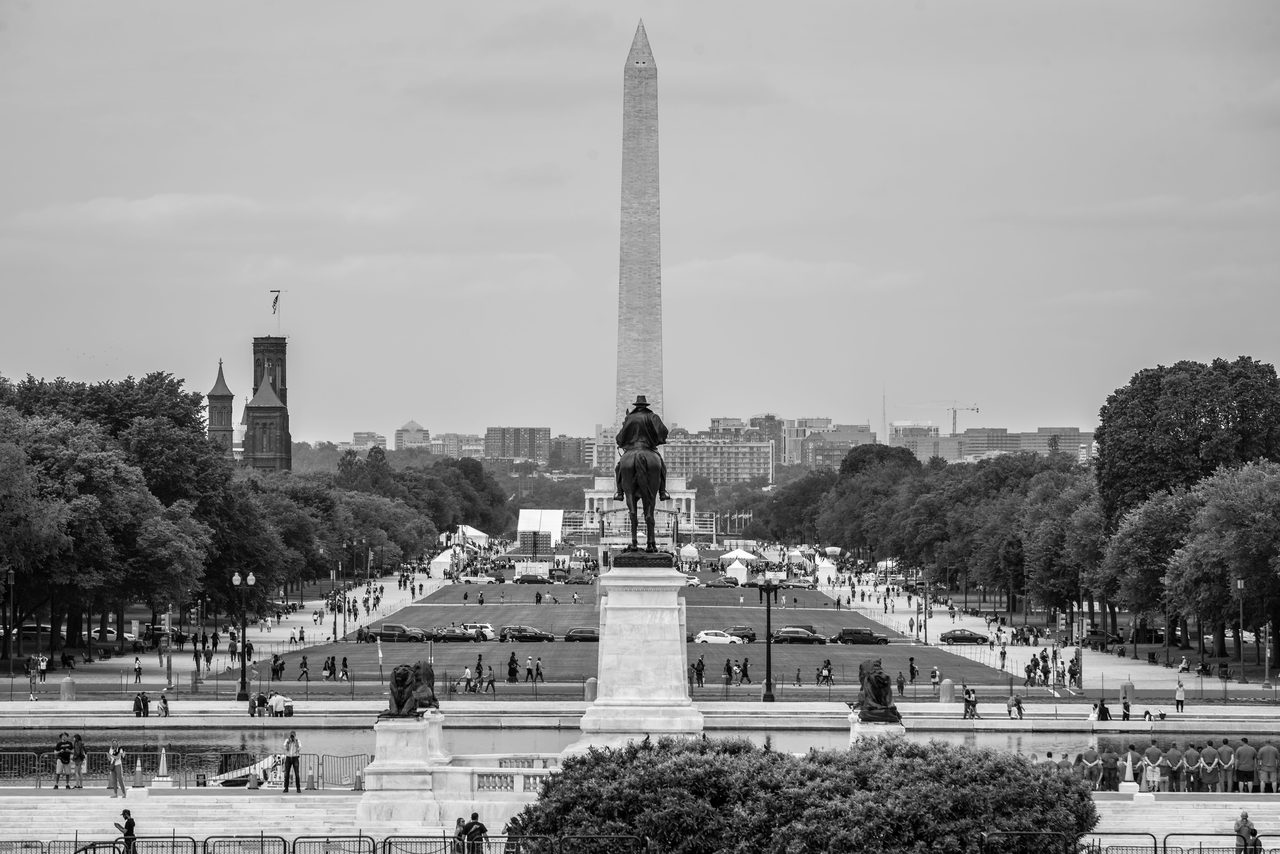
Founded in 1790 and laid out from L'Enfant's 1791 plan, Washington blends neoclassical government buildings with lively neighborhoods. The National Mall runs from the Lincoln Memorial to the U.S. Capitol, flanked by Smithsonian museums that charge no admission. Georgetown, Dupont Circle, U Street, Capitol Hill, Shaw, Adams Morgan and The Wharf supply dining, nightlife and shopping. The core is walkable and served by the WMATA Metro, while Rock Creek Park, the C&O Canal and the Potomac give quick escapes into green space.
- Capital
- Washington, D.C.
- Largest city
- Washington, D.C.
- Population
- Approximately 702,000 (2024 estimate; 689,545 at the 2020 census)
- Languages
- English
- Currency
- US Dollar (USD)
- Time zone
- Eastern Time (ET), UTC-5 in winter and UTC-4 during daylight saving time
Explore Washington by topic
Jump straight to the experience you're planning.
Best places to visit in Washington
The 19 destinations our editors recommend — from iconic landmarks to under-the-radar finds.
Washington Monument
United States Capitol and Capitol Visitor Center
Smithsonian National Air and Space Museum
National Museum of Natural History
National Museum of American History
Recommended itineraries
Pick a length, follow the route. Each itinerary balances headline sights with breathing room.
5-Day Washington Explorer
- Day 1Arrive in Washington, explore city center
- Day 2Visit top attractions and museums
- Day 3Day trip to nearby highlights
- Day 4Local markets and hidden gems
- Day 5Final sightseeing, departure
7-Day Classic Washington
- Days 1-2Washington city highlights
- Days 3-4Regional exploration
- Days 5-6Cultural immersion and local experiences
- Day 7Return and departure
14-Day Ultimate Washington
- Days 1-3Washington comprehensive city tour
- Days 4-6Northern region exploration
- Days 7-9Eastern highlights
- Days 10-12Southern attractions
- Days 13-14Return to Washington, departure
Where to stay in Washington
Three tiers, every traveller covered — from cost-conscious to flagship hotels.
Budget $120-$225 USD per day
Hostels, budget hotels, and guesthouses offer affordable stays without sacrificing experience.
Mid-range $285-$530 USD per day
Boutique hotels and well-located accommodations provide comfort and convenience at reasonable prices.
Luxury $670-$1,440 USD per day
World-class resorts and premium hotels deliver unforgettable experiences.
The Willard InterContinental Washington DC
Beaux-Arts grand hotel on Pennsylvania Avenue, two blocks from the White House and a short walk to Metro Center and the National Mall. Home of the historic Round Robin Bar.
Check rates on Booking.comThe Hay-Adams
Italian Renaissance-style landmark facing Lafayette Square and the White House, known for rooms with direct White House views and a rooftop terrace bar.
Check rates on Booking.comThe Jefferson, Washington DC
Small 1923 luxury hotel four blocks north of the White House, with period antiques, a library-style lounge and the Petite Spa.
Check rates on Booking.comFour Seasons Hotel Washington, DC
Georgetown flagship at the edge of Rock Creek Park and the C&O Canal, with a full spa, plunge pool and a short walk to M Street shops.
Check rates on Booking.comWhere to eat in Washington
Cafés, neighbourhood gems, and tasting menus worth the table reservation.
Ben's Chili Bowl
Le Diplomate
Old Ebbitt Grill
The Dabney
Bresca
Rose's Luxury
Book a food tour in Washington We may earn a commission from bookings made through this link.
Getting around Washington
Washington is served by three airports and the WMATA Metro rail system, with six lines covering the city and inner suburbs. Metrobus, the DC Circulator, Capital Bikeshare, scooters, taxis, Uber and Lyft fill the gaps, and Amtrak and MARC commuter rail use Union Station. Metro fares run about $2.25-$6.75 USD by distance and time of day; pay with a SmarTrip card (plastic card about $2 USD plus value) or a SmarTrip card in Apple or Google Wallet. Information: wmata.com, +1-202-637-7000.
Budget breakdown
Daily spend by tier in USD, broken out by category.
| Category | Budget | Mid-range | Luxury |
|---|---|---|---|
| Accommodation | $80-$140 USD per night (hostel or budget hotel; DC rates are high) | $180-$320 USD per night | $400-$800 USD per night |
| Food (per day) | $30-$50 USD per day | $70-$120 USD per day | $170-$320 USD per day |
| Transportation | $8-$15 USD per day | $15-$30 USD per day | $50-$120 USD per day |
| Activities | $0-$20 USD per day (Smithsonian museums are free) | $20-$60 USD per day | $50-$200 USD per day |
| Daily total | $120-$225 USD per day | $285-$530 USD per day | $670-$1,440 USD per day |
Best time to visit Washington
Weather through the year in United States
Best time Shoulder Worth avoiding
Average daytime temperature in °C. Figures are for United States.
Spring and fall are the best seasons; summer is hot but busy, and winter is quiet and cheaper.
Hotels fill and rates rise during cherry blossom season and major events such as the July 4 celebration; book 2-3 months ahead. Check the NPS bloom watch for the peak date.
Essential travel tips
- Most Smithsonian museums are free and open 10am-5:30pm; several use free timed-entry passes, so book each online.
- Use Metro, buses and rideshare rather than a car; downtown parking costs $20-$40 USD per day.
- Tickets for the Washington Monument ($1 USD service fee) and the Capitol tour (free) must be reserved ahead on recreation.gov and visitthecapitol.gov.
- The National Mall is about 2 miles long; wear comfortable shoes and carry water in summer.
- Metro runs roughly 5am-midnight on weekdays and later on weekends; check wmata.com for service changes.
- Tipping is expected: 18-22 percent in restaurants, $1-$2 USD per drink at bars.
Safety information
Keep phones and wallets in front pockets or zipped bags on Metro and at crowded monuments.
Do not leave valuables visible in a parked car; vehicle break-ins occur near tourist sites.
Use ATMs inside bank branches rather than street machines at night.
Carry a photo ID; museums and federal buildings screen bags.
Cross streets at crosswalks; cyclists and e-scooter riders share many sidewalks and bike lanes.
During demonstrations, stay on the outskirts and follow police directions.
Dial 911 for police, fire or ambulance emergencies.
Frequently asked questions
Is Washington safe to visit in 2026?
The National Mall, Capitol Hill, Georgetown, Dupont Circle, Penn Quarter and the Navy Yard are heavily trafficked and well lit, with a visible police and National Park Service presence. Petty theft, phone snatching, and car break-ins are the most common crimes affecting visitors. Visitors should res
What is the best time to visit Washington?
The best time to visit Washington is Late. Washington has a humid subtropical climate with four distinct seasons. Summers (June-August) are hot and humid, with highs in the upper 80s F (about 31-32 C) and heat indexes above 100 F (38 C). Winte
Do I need a visa to visit Washington?
Visitors from Visa Waiver Program countries (including the UK, most of the EU, Japan and Australia) need an approved ESTA before boarding; all other nationalities need a B-1/B-2 visitor visa from a US embassy or consulate. A passport valid for the length of stay is required. Check travel.state.gov for current requirements. Requirements vary by nationality, so check with your nearest embassy or the official immigration website before traveling.
What currency is used in Washington?
The currency in Washington is the US Dollar (USD) (USD). ATMs are widely available in cities and tourist areas. Credit cards are accepted at most hotels and restaurants, but carry cash for markets and smaller establishments.
What language is spoken in Washington?
The main language(s) spoken in Washington: English. In tourist areas, English is generally understood. Learning a few basic phrases in the local language is appreciated by locals.
What are the top attractions in Washington?
The top attractions in Washington include Lincoln Memorial, Washington Monument, United States Capitol and Capitol Visitor Center, Smithsonian National Air and Space Museum, and National Museum of Natural History. Each offers a unique experience, from historic landmarks to natural wonders.