
Royal Castle
The Royal Castle was the seat of Polish kings and the Sejm and was rebuilt after its destruction in 1944. Its Royal Apartments, Canaletto Room and Great Assembly Hall are the best-known interiors.
World · 22 Places · Best May-June and September
Warsaw is Poland's capital and largest city, a Vistula river city of roughly 1.86 million people that combines a reconstructed UNESCO-listed Old Town, royal palaces, major museums and a modern skyline.
Warsaw replaced Krakow as the seat of the Polish court around 1596 and has been the capital ever since. German forces destroyed most of the city in 1944-1945, and the Old Town and Royal Route were painstakingly rebuilt, earning UNESCO World Heritage status in 1980. The Old Town Market Square, Royal Castle and Barbican form the historic core, while the Palace of Culture and Science towers over the modern centre. Museums such as POLIN, the Warsaw Uprising Museum and the Copernicus Science Centre, the royal parks of Łazienki and Wilanów, and the revived east-bank district of Praga fill out a visit. The Vistula boulevards, cafes and a lively craft-beer and music scene keep the city busy through the year.
Jump straight to the experience you're planning.
The 22 destinations our editors recommend — from iconic landmarks to under-the-radar finds.
The Royal Castle was the seat of Polish kings and the Sejm and was rebuilt after its destruction in 1944. Its Royal Apartments, Canaletto Room and Great Assembly Hall are the best-known interiors.
The Old Town Market Square is the centre of the Old Town, a UNESCO-listed district rebuilt after World War II from surviving plans and paintings. Merchant townhouses ring the square, with the Warsaw Mermaid statue at its centre.
The museum tells the story of the 63-day Warsaw Uprising against German occupation in August-October 1944 through objects, films, soundscapes and a replica bomber. A viewpoint tower and a memorial wall of names stand beside the main building.
POLIN presents a thousand years of Jewish life in Poland in a multimedia core exhibition, in a building facing the Monument to the Ghetto Heroes. It stands on the site of the former Warsaw Ghetto.
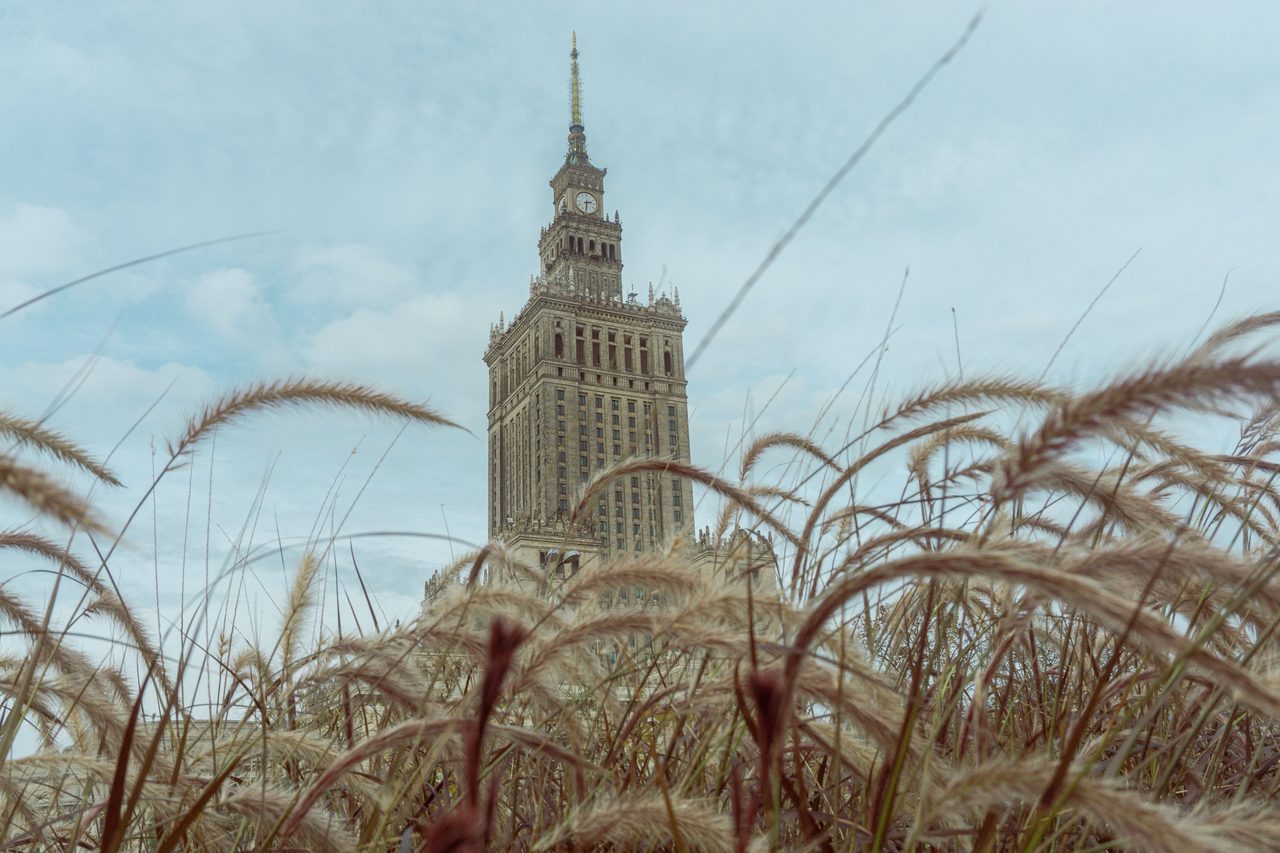
The Palace of Culture and Science is a 237-metre Stalinist tower built in 1952-1955 as a gift from the Soviet Union and remains Warsaw's most recognisable building. A 30th-floor terrace gives panoramic views, and the building houses theatres, cinemas, a museum and offices.
Łazienki is Warsaw's largest royal park, laid out around the 18th-century Palace on the Isle, the summer residence of King Stanisław August Poniatowski. The grounds include the Chopin Monument, an amphitheatre on the water, the Old Orangery and free-roaming peacocks.
Pick a length, follow the route. Each itinerary balances headline sights with breathing room.
Three tiers, every traveller covered — from cost-conscious to flagship hotels.
Hostels, budget hotels, and guesthouses offer affordable stays without sacrificing experience.
Boutique hotels and well-located accommodations provide comfort and convenience at reasonable prices.
World-class resorts and premium hotels deliver unforgettable experiences.
Raffles Europejski Warsaw occupies the historic Hotel Europejski building on the Royal Route, a short walk from the Old Town and Castle Square. The address is ul. Krakowskie Przedmieście 13, Warszawa.
Check rates on Booking.comHotel Bristol, a Luxury Collection Hotel, Warsaw is a landmark hotel from the early 20th century on the Royal Route, beside the Presidential Palace and a few minutes' walk from the Old Town. The address is ul. Krakowskie Przedmieście 42/44, Warszawa.
Check rates on Booking.comRegent Warsaw stands beside Łazienki Park and the Belweder, with the Wellness Club Regent and the Venti-tre restaurant on site. The address is ul. Belwederska 23, Warszawa.
Check rates on Booking.comNobu Hotel Warsaw is a design-led luxury hotel in southern Śródmieście, close to the cafés and nightlife around Plac Zbawiciela. The address is ul. Wilcza 73, Warszawa.
Check rates on Booking.comCafés, neighbourhood gems, and tasting menus worth the table reservation.
Bar Mleczny Prasowy is a central Warsaw milk bar on Marszałkowska where pierogi, cutlets and soups are ordered at a counter for a few złoty.
Bar Mleczny Familijny is a budget milk bar on Nowy Świat, known for pancakes, dumplings and set lunches.
Bar Bambino is a milk bar on the corner of Krucza and Hoża serving Polish home cooking at low prices.
Bar Mleczny Pod Barbakanem serves bigos, barszcz and dumplings near the Barbican, between the Old Town and the New Town.
Pyzy, Flaki Gorące! is a casual Praga restaurant specialising in pyzy potato dumplings and flaki tripe soup.
U Fukiera is a formal restaurant in a historic townhouse on the Old Town Market Square, serving refined Polish dishes and a long wine list.
Book a food tour in Warsaw We may earn a commission from bookings made through this link.
Warsaw is large, with a two-line metro, trams and buses; the Old Town and Śródmieście are walkable, while trams and the metro link Praga, Mokotów, Wola and Żoliborz. A car is unnecessary and parking in the centre is paid.
Daily spend by tier in PLN, broken out by category.
| Category | Budget | Mid-range | Luxury |
|---|---|---|---|
| Accommodation | 80-150 PLN / USD 21-39 (hostel dorm bed) | 350-650 PLN / USD 92-171 (3-4 star hotel) | 1000-2500 PLN / USD 263-658 (5-star hotel) |
| Food (per day) | 60-100 PLN / USD 16-26 (milk bars, street food, supermarkets) | 150-250 PLN / USD 39-66 (sit-down restaurants) | 350-800 PLN / USD 92-211 (fine dining) |
| Transportation | 15 PLN / USD 4 (24-hour public transport ticket) | 20-50 PLN / USD 5-13 (transit passes, occasional ride-hailing) | 80-200 PLN / USD 21-53 (private driver, taxis) |
| Activities | 30-60 PLN / USD 8-16 (discounted museums, free Thursday entries) | 80-180 PLN / USD 21-47 (major museums and palaces) | 200-500 PLN / USD 53-132 (private tours) |
| Daily total | 185-325 PLN / USD 49-85 | 600-1130 PLN / USD 158-297 | 1630-4000 PLN / USD 429-1054 |
Best time Shoulder Worth avoiding
Average daytime temperature in °C. Figures are for Masovian.
May-June and September (warm days of 18-25°C / 64-77°F, long daylight, riverside terraces open) and the Christmas market season for a winter visit
The shoulder months of April-May and September-October combine mild weather with lower hotel prices. Free Chopin recitals in Łazienki Park run on Sundays in summer, and the Multimedia Fountain Park shows run on Fridays and Saturdays from May to September. Easter and the 1-3 May long weekend are busy domestic holidays, and All Saints Day (1 November) brings crowds to Powązki Cemetery with thousands of candles.
Dial 112 for any emergency; operators speak English
Keep wallets and phones in zipped front pockets on trams, the metro, bus 175 and at Warszawa Centralna
Use Bolt, Uber or a licensed taxi with the company name on the roof; avoid unmarked cars at the airport and station
Validate paper ZTM tickets on first boarding and keep them until the end of the journey; use the mobile ticket apps as an alternative
Check menu prices before ordering in nightlife venues and decline strangers' bar invitations
Carry a passport copy and keep the original in the hotel safe; police can ask for ID
Check Polish airspace and flight status with the airline before travel and follow official announcements during border or airspace alerts
Do not photograph or fly drones near military or government security installations, as the FCDO advises
Travel insurance with medical cover is advised for non-EU visitors; EU citizens should carry the EHIC
Use the Airly app on cold, still winter days and avoid heavy exercise outdoors when the air index is red
Warsaw is safe for visitors day and night in the Old Town, Śródmieście, Powiśle, Praga and the main tourist areas. The main risks are petty theft at Warszawa Centralna, on bus 175 and on crowded trams, taxi overcharging, bar scams in nightlife areas and occasional winter smog. Poland is a NATO and E
The best time to visit Warsaw is May-June and September. Warsaw has a humid continental climate with warm summers, cold winters and precipitation in every month; the wettest period is June to August, when short heavy thunderstorms are common. Summer highs a
Entry requirements follow Poland/EU Schengen rules. EU/EEA citizens need only a valid passport or national ID. Citizens of the US, UK, Canada, Australia and many other countries can stay up to 90 days in any 180-day period without a visa; the passport should be valid for at least 3 months beyond departure. ETIAS travel authorisation is due to apply to visa-exempt visitors; check the official EU ETIAS site before travel. Requirements vary by nationality, so check with your nearest embassy or the official immigration website before traveling.
The currency in Warsaw is the Polish zloty (PLN) (PLN). ATMs are widely available in cities and tourist areas. Credit cards are accepted at most hotels and restaurants, but carry cash for markets and smaller establishments.
The main language(s) spoken in Warsaw: Polish (official); English widely spoken in tourist areas and by younger residents. In tourist areas, English is generally understood. Learning a few basic phrases in the local language is appreciated by locals.
The top attractions in Warsaw include Royal Castle, Old Town Market Square (Rynek Starego Miasta), Warsaw Uprising Museum, POLIN Museum of the History of Polish Jews, and Palace of Culture and Science. Each offers a unique experience, from historic landmarks to natural wonders.