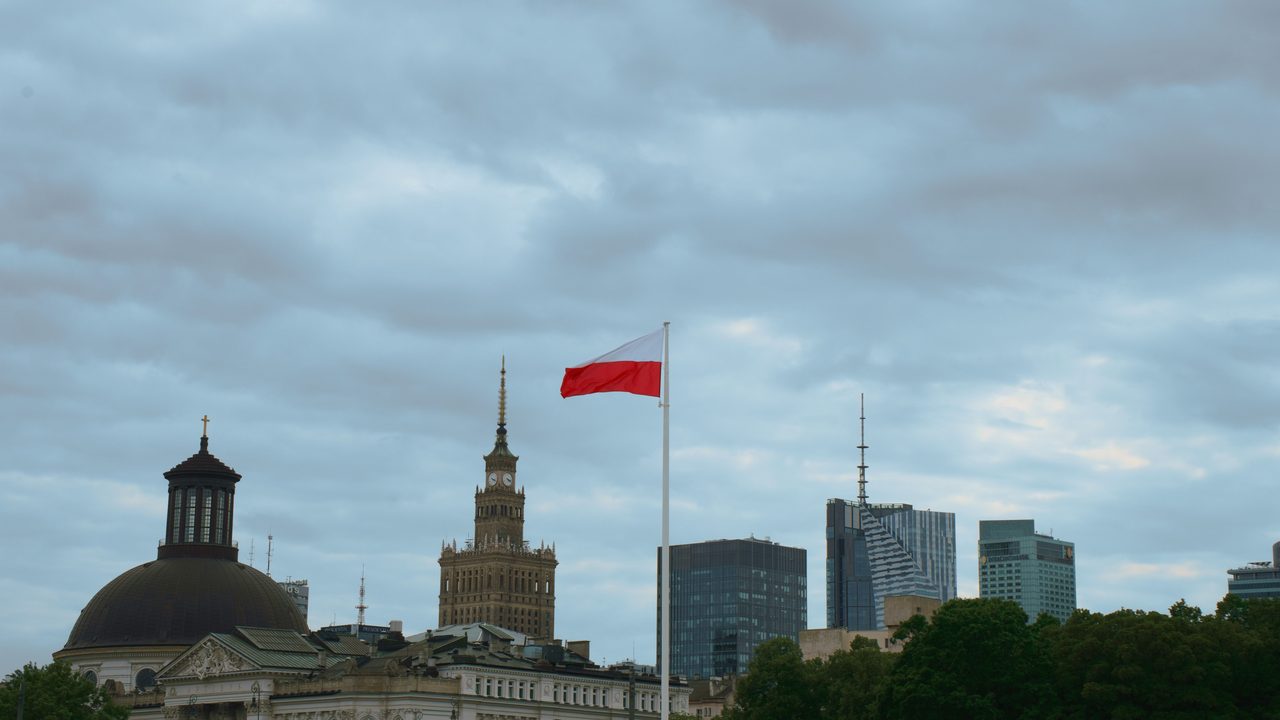
Poland offers a captivating blend of medieval architecture, poignant history, and vibrant culture. From the reconstructed Old Towns of Warsaw and Gdansk to the stunning medieval squares of Krakow, visitors discover a nation that has risen from the ashes of war while preserving its rich heritage. The country combines world-class museums, UNESCO sites, hearty cuisine, and warm hospitality at prices that make it one of Europe's best-value destinations.
Poland offers a captivating blend of medieval architecture, poignant history, and vibrant culture. From the reconstructed Old Towns of Warsaw and Gdansk to the stunning medieval squares of Krakow, visitors discover a nation that has risen from the ashes of war while preserving its rich heritage. The country combines world-class museums, UNESCO sites, hearty cuisine, and warm hospitality at prices that make it one of Europe's best-value destinations.
The 31 destinations our editors recommend — from iconic landmarks to under-the-radar finds.
Wawel Royal Castle
Historic fortified castle complex perched on a limestone hill overlooking the Vistula River. This architectural masterpiece served as the residence of Polish monarchs for over 500 years and remains a powerful symbol of Polish statehood and culture.
Auschwitz-Birkenau Memorial and Museum
Poignant memorial and museum at the site of the largest Nazi concentration camp, where over 1.1 million people were murdered during World War II. The site serves as a powerful reminder of the Holocaust and the depths of human cruelty.
Warsaw Old Town
UNESCO World Heritage Site featuring meticulously reconstructed medieval architecture following its complete destruction in WWII. The colorful facades, cobblestone streets, and market square represent an extraordinary feat of historical reconstruction and Polish resilience.
Main Market Square (Rynek Glowny)
Europe's largest medieval market square and the beating heart of Krakow since the 13th century. Dominated by the Cloth Hall and St. Mary's Basilica, the square buzzes with street performers, cafe culture, and flower sellers.
Wieliczka Salt Mine
UNESCO-listed underground labyrinth of tunnels, chambers, and chapels carved entirely from rock salt over 700 years. The highlight is the breathtaking Chapel of St. Kinga with salt crystal chandeliers and intricate carvings.
Malbork Castle
The world's largest castle by surface area, this massive 13th-century Teutonic fortress dominates the landscape along the Nogat River. The Gothic architecture and extensive complex showcase medieval military might and religious order life.
Recommended itineraries
Pick a length, follow the route. Each itinerary balances headline sights with breathing room.
5-Day Poland Explorer
Day 1Arrive in Poland, explore city center
Day 2Visit top attractions and museums
Day 3Day trip to nearby highlights
Day 4Local markets and hidden gems
Day 5Final sightseeing, departure
7-Day Classic Poland
Days 1-2Poland city highlights
Days 3-4Regional exploration
Days 5-6Cultural immersion and local experiences
Day 7Return and departure
14-Day Ultimate Poland
Days 1-3Poland comprehensive city tour
Days 4-6Northern region exploration
Days 7-9Eastern highlights
Days 10-12Southern attractions
Days 13-14Return to Poland, departure
Where to stay in Poland
Three tiers, every traveller covered — from cost-conscious to flagship hotels.
Budget $35-45
Hostels, budget hotels, and guesthouses offer affordable stays without sacrificing experience.
Mid-range $80-120
Boutique hotels and well-located accommodations provide comfort and convenience at reasonable prices.
Luxury $250-400
World-class resorts and premium hotels deliver unforgettable experiences.
Hotel Bristol Warsaw
Krakowskie Przedmieście, Warsaw Old Town Royal Way · $250-$400
Legendary luxury hotel dating from 1901 with opulent Art Nouveau and Art Deco styling. Located steps from the Presidential Palace, this iconic property offers timeless elegance, Michelin-quality dining, and impeccable service.
Poznańska Street, Śródmieście, central Warsaw · $80-$140
Stylish boutique hotel near Palace of Culture and Science combining Art Deco design with modern comforts. Offers excellent value, central location, and distinctive character.
Poznańska Street, Śródmieście, central Warsaw · $15-$45
Social hostel near Palace of Culture with colorful design, friendly atmosphere, and regular events. Features dorms and private rooms, communal kitchen, and excellent location.
Kanonicza Street, Krakow Old Town, below Wawel Castle · $200-$350
Boutique luxury hotel in a Renaissance palace within Krakow's Old Town. Features period architecture with modern amenities, rooftop terrace with castle views, and exceptional fine dining restaurant.
Cafés, neighbourhood gems, and tasting menus worth the table reservation.
Nuta
Modern Polish · $$$
Michelin-starred restaurant led by chef Andrea Camastra offering innovative fusion of Polish traditions with contemporary techniques. Intimate setting with seasonal tasting menus that showcase local ingredients.
Podwale 25
Traditional Polish · $$
Popular restaurant near Warsaw Old Town serving hearty Polish classics in rustic setting. Generous portions, traditional recipes, and warm atmosphere.
Chlopskie Jadlo
Polish Comfort Food · $
Chain restaurant serving traditional Polish peasant food in rustic farmhouse setting. Large portions, affordable prices, and family-friendly atmosphere.
Obwarzanek Stands
Polish Street Food · $
Street carts throughout Krakow selling obwarzanek - twisted bread rings similar to pretzels. Traditional snack dusted with poppy seeds or sesame.
Café Camelot
Café · $
Charming candlelit café in Krakow near Market Square. Bohemian atmosphere with cakes, coffee, and intimate ambiance.
Bottiglieria 1881
Modern European · $$$
Krakow's first two-Michelin-star restaurant offering exceptional tasting menus that highlight Polish flavors. Set in a historic wine cellar with intimate ambiance and wine-focused experience.
Transportation options in Poland include local buses, taxis, and rental cars. Check local conditions before planning your travel.
Budget breakdown
Daily spend by tier in USD, broken out by category.
Category
Budget
Mid-range
Luxury
Accommodation
$12-20 (hostel dorm)
$50-75 (mid-range hotel or Airbnb)
$150-250 (luxury hotel)
Food (per day)
$12-15 (milk bars, street food, supermarkets)
$25-35 (casual restaurants, one nice meal)
$70-100 (fine dining, quality restaurants)
Transportation
$3-5 (public transport)
$5-10 (public transport, occasional taxi)
$15-25 (taxis, private transfers)
Activities
$8-10 (free attractions, occasional museum)
$15-25 (museums, tours, attractions)
$40-60 (private tours, premium experiences)
Daily total
$35-45
$80-120
$250-400
Best time to visit Poland
Weather through the year in Poland
Best timeShoulderWorth avoiding
Average daytime temperature in °C. Figures are for Poland.
Essential travel tips
Research visa requirements before your trip
Learn a few basic phrases in the local language
Carry cash as cards may not be accepted everywhere
Respect local customs and dress codes
Purchase travel insurance before departure
Hidden gems
Off-the-beaten-path corners most travellers miss.
Crooked Forest (Krzywy Las)
Mysterious grove of 400 pine trees with bizarre 90-degree bends at their base near Gryfino. The cause remains unexplained, creating an otherworldly atmosphere perfect for unique photos.
Zalipie Painted Village
Unique village where houses, wells, and buildings are covered in colorful floral paintings. This folk art tradition transforms the entire village into an open-air gallery.
Bialowieza Primeval Forest
Last remaining primeval forest in Europe, virtually unchanged for thousands of years. Home to 800 European bison and ancient oak trees. UNESCO World Heritage Site off most tourist radars.
Kadzielnia Nature Reserve
Former limestone quarry turned amphitheater, climbing area, and nature reserve with dramatic rock faces, caves, and turquoise lake in Kielce.
Bledow Desert
Central Europe's largest sand desert covering 32 square kilometers. Surreal landscape created by medieval environmental degradation, used as Sahara film set.
Torun Old Town
Perfectly preserved Gothic town and Copernicus' birthplace, UNESCO site with less tourist chaos than Krakow
Bieszczady Mountains
Remote mountain range in southeastern Poland with pristine wilderness, rolling poloniny peaks, and sparse population
Wroclaw Cathedral Island (Ostrow Tumski)
The oldest part of Wroclaw, a gas-lit island of Gothic churches and quiet lanes that feels untouched by modern tourism
Safety information
INFO
Register your trip with your country's embassy in Warsaw before arrival; the US Embassy is at Al. Ujazdowskie 29/31, Warsaw.
INFO
Avoid demonstrations and large gatherings, which can escalate quickly; Poland has seen political protests in recent years.
INFO
Keep valuables secure in crowded tourist areas, especially the Krakow Main Square and Warsaw Old Town.
INFO
Use official taxis (recognizable by the company name on top) or ride-sharing apps like Uber or Bolt to avoid overcharging.
INFO
Be cautious near the borders with Ukraine and Belarus; follow government travel advisories for these areas.
INFO
Carry a photocopy of your passport at all times — Polish law requires identification on your person.
INFO
Tap water is safe to drink in all major cities including Warsaw, Krakow, Gdansk, and Wroclaw.
INFO
Pharmacies (Apteka) are widely available; many are open 24 hours in cities. Bring prescription medications with documentation.
INFO
Beware of counterfeit zloty notes and card skimming at ATMs; use bank-affiliated ATMs only.
INFO
Dress modestly when visiting churches and religious sites — shoulders and knees should be covered.
INFO
Emergency number in Poland: 112 (EU-wide); Police: 997; Ambulance: 999; Fire: 998.
INFO
Travel insurance is highly recommended; EHIC card covers EU citizens for public healthcare.
INFO
Watch for pickpockets on trams and buses in major cities, especially on routes connecting train stations to tourist centers.
INFO
Night trains between cities are generally safe but keep your compartment locked and valuables with you.
Frequently asked questions
Is Poland safe to visit in 2026?
Poland is one of Central Europe's safest countries with low rates of violent crime and a welcoming attitude toward tourists. Major cities Warsaw, Krakow, and Gdansk are generally safe for independent travel, including at night in tourist areas. Standard urban precautions apply. Emergency services: police at 112 (EU-wide emergency) or 997 (Polish police direct), medical at 112 or 999 (ambulance direct).
What is the best time to visit Poland?
The best time to visit Poland is June-August. Poland has a temperate continental climate with four distinct seasons. Winters (December-February) are cold with regular snowfall, particularly in the mountains. Summers (June-August) are warm to hot
Do I need a visa to visit Poland?
No visa required for stays up to 90 days within 180-day period. ETIAS authorization will be required from 2026. Requirements vary by nationality, so check with your nearest embassy or the official immigration website before traveling.
What currency is used in Poland?
The currency in Poland is the Polish Zloty (PLN) (PLN). ATMs are widely available in cities and tourist areas. Credit cards are accepted at most hotels and restaurants, but carry cash for markets and smaller establishments.
What language is spoken in Poland?
The main language(s) spoken in Poland: Polish. In tourist areas, English is generally understood. Learning a few basic phrases in the local language is appreciated by locals.
What are the top attractions in Poland?
The top attractions in Poland include Wawel Royal Castle, Auschwitz-Birkenau Memorial and Museum, Warsaw Old Town, Main Market Square (Rynek Glowny), and Wieliczka Salt Mine. Each offers a unique experience, from historic landmarks to natural wonders.
Explore Poland by region
Each region has its own character — coastal, alpine, vineyard, capital. Pick a starting point.