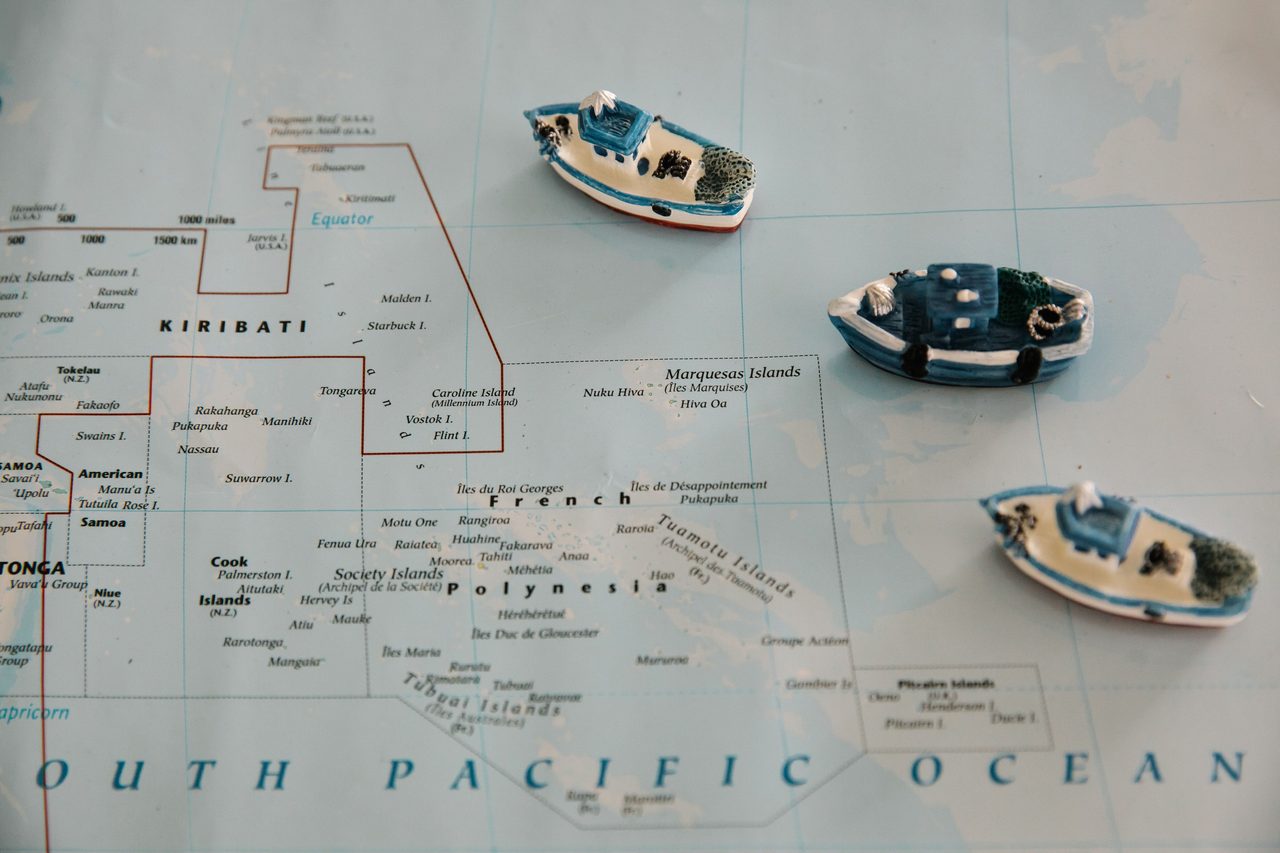
Kiribati is a remote Pacific island nation consisting of 33 coral atolls scattered across the equator. Known for pristine beaches, world-class diving, significant WWII history sites, and being among the first places on Earth to see the sunrise, this tropical paradise offers an authentic, unhurried island experience far from mass tourism.
Kiribati is a remote Pacific island nation consisting of 33 coral atolls scattered across the equator. Known for pristine beaches, world-class diving, significant WWII history sites, and being among the first places on Earth to see the sunrise, this tropical paradise offers an authentic, unhurried island experience far from mass tourism.
The 24 destinations our editors recommend — from iconic landmarks to under-the-radar finds.
Battle of Tarawa WWII Sites - Betio Island
Betio Island is the site of one of the bloodiest battles in the Pacific during WWII. The 1943 Battle of Tarawa left numerous relics including massive Japanese 8-inch anti-ship guns still in position, concrete bunkers, command posts, and an American memorial. This outdoor museum offers a sobering glimpse into Pacific War history.
Te Umanibong Cultural Museum
Kiribati's national museum showcases traditional I-Kiribati culture with displays of shark tooth weapons, intricate shell jewelry, outrigger canoe models, historical photographs, and traditional artifacts. The centerpiece is a large thatched 'mwameaba' traditional meeting house. Small but fascinating for understanding local heritage.
Christmas Island (Kiritimati) Lagoons
Christmas Island, the world's largest coral atoll, features stunning turquoise lagoons, expansive salt flats, and pristine beaches. The lagoons offer world-class bonefishing and spectacular birdwatching with millions of seabirds. This remote paradise is one of the first places on Earth to see the sunrise each day.
Parliament Building on Ambo Island
Kiribati's distinctive Parliament Building sits on an artificial island in the Tarawa lagoon, connected by a causeway. When parliament is not in session, visitors can often tour the grounds and take photos. The bar overlooking the sea offers cold drinks and sunset views. A unique example of modern I-Kiribati architecture.
Red Beach (Betio)
Red Beach earned its name from the tragic bloodshed during the 1943 Battle of Tarawa when US Marines landed here. Today it's a peaceful stretch of sand with calm waters, still bearing remnants of war including rusting landing craft. A poignant spot for reflection on the human cost of WWII in the Pacific.
North Tarawa Villages
North Tarawa offers authentic village life far from the bustle of South Tarawa. Visit traditional communities at Buariki, Abaokoro, and Taborio where life moves at island pace. Experience genuine I-Kiribati hospitality, pristine beaches, traditional fishing methods, and beautiful lagoon views. Accessible by boat from South Tarawa.
Recommended itineraries
Pick a length, follow the route. Each itinerary balances headline sights with breathing room.
5-Day Kiribati Explorer
Day 1Arrive in Kiribati, explore city center
Day 2Visit top attractions and museums
Day 3Day trip to nearby highlights
Day 4Local markets and hidden gems
Day 5Final sightseeing, departure
7-Day Classic Kiribati
Days 1-2Kiribati city highlights
Days 3-4Regional exploration
Days 5-6Cultural immersion and local experiences
Day 7Return and departure
14-Day Ultimate Kiribati
Days 1-3Kiribati comprehensive city tour
Days 4-6Northern region exploration
Days 7-9Eastern highlights
Days 10-12Southern attractions
Days 13-14Return to Kiribati, departure
Where to stay in Kiribati
Three tiers, every traveller covered — from cost-conscious to flagship hotels.
Budget $50-75 USD
Hostels, budget hotels, and guesthouses offer affordable stays without sacrificing experience.
Mid-range $100-150 USD
Boutique hotels and well-located accommodations provide comfort and convenience at reasonable prices.
Luxury $200-350 USD
World-class resorts and premium hotels deliver unforgettable experiences.
Nemat Resort
North Tarawa · $120-180
A secluded family-run resort on beautiful Buariki, North Tarawa, offering pristine beaches, crystal-clear lagoon waters, and authentic I-Kiribati hospitality. Features traditional-style bungalows with modern amenities, stunning ocean views, and access to excellent snorkeling and fishing. The ultimate peaceful retreat away from South Tarawa's bustle.
Family-owned hotel in the heart of Betio, conveniently located near the wharf, government offices, and WWII historical sites. Offers clean, comfortable rooms with air conditioning, friendly service, and an on-site restaurant. Perfect base for exploring Battle of Tarawa sites and experiencing local life in Betio.
A family-run bed and breakfast in Temaiku village, just 5 minutes from Bonriki Airport. Offers basic but clean rooms with fans, shared bathrooms, and genuine I-Kiribati hospitality. The family can help arrange tours, transportation, and local experiences. Perfect for budget travelers wanting an authentic homestay experience.
Christmas Island's premier accommodation offering comfortable rooms with air conditioning, one of the best restaurants on the island, and easy access to world-class bonefishing. Popular with serious anglers visiting Kiritimati, the hotel can arrange fishing guides, equipment, and transportation. Restaurant serves fresh seafood and international cuisine.
Cafés, neighbourhood gems, and tasting menus worth the table reservation.
The Captain's Table
International Seafood · $$$
South Tarawa's most upscale dining experience offering fresh seafood, imported steaks, and international cuisine in a romantic waterfront setting. Known for excellent service, extensive wine selection, and beautiful sunset views. Reservations recommended, especially on weekends.
Babes Place
Traditional I-Kiribati · $$
A South Tarawa institution known for authentic I-Kiribati cuisine using locally-sourced ingredients. The menu features fresh fish, coconut crab (when available), taro, breadfruit, and other traditional dishes. Family-run with warm hospitality and recipes passed down through generations.
Chatterbox Cafe
Cafe & Light Meals · $
Friendly cafe popular with locals and expats for coffee, light meals, and snacks. Known for good sandwiches, fresh pastries, and the best coffee in South Tarawa. Air-conditioned with Wi-Fi, making it a great spot to escape the heat and catch up on emails. Relaxed, welcoming atmosphere.
Betio Night Market Stalls
Street Food · $
Every evening, street vendors set up under umbrellas in Betio serving island favorites. Try fried taro, breadfruit chips, grilled fish skewers, fried bananas, and fresh coconuts. Authentic local experience at incredibly low prices. Cash only, arrive before 9 PM for best selection.
Café @ Parliament
Cafe · $
Small cafe at the Parliament building complex serving coffee, tea, cold drinks, and light snacks. Beautiful views overlooking the lagoon, especially at sunset. Popular spot for a drink after touring the Parliament grounds. Air-conditioned indoor and outdoor seating.
Otintaai Hotel Restaurant
Pacific Fusion · $$$
Upscale hotel restaurant blending traditional I-Kiribati ingredients with international cooking techniques. The menu features creative dishes incorporating fresh local seafood, taro, breadfruit, and coconut alongside international favorites. Elegant atmosphere with air conditioning and attentive service.
Getting around Kiribati
Transportation options in Kiribati include local buses, taxis, and rental cars. Check local conditions before planning your travel.
Budget breakdown
Daily spend by tier in USD, broken out by category.
Category
Budget
Mid-range
Luxury
Accommodation
$15-35 (dormitory or basic guesthouse)
$60-100 (mid-range hotel or motel)
$120-220 (best hotels, resorts)
Food (per day)
$15-20 (street food, market meals, self-catering)
$30-40 (mix of local restaurants and hotel dining)
$50-80 (hotel restaurants, fine dining, imported items)
Transportation
$5-10 (local buses, walking)
$15-25 (taxis, occasional rentals)
$30-50 (private drivers, boat charters)
Activities
$10-15 (mostly free beaches and sites, occasional paid entry)
$20-35 (tours, cultural experiences, diving trips)
Average daytime temperature in °C. Figures are for Kiribati.
May to October (dry season with calmer seas and better diving conditions)
Essential travel tips
Research visa requirements before your trip
Learn a few basic phrases in the local language
Carry cash as cards may not be accepted everywhere
Respect local customs and dress codes
Purchase travel insurance before departure
Hidden gems
Off-the-beaten-path corners most travellers miss.
Japanese Seaplane Ramp - Betio
An overgrown concrete seaplane ramp from WWII that most tourists miss. Located on the lagoon side of Betio, this atmospheric relic shows how the Japanese utilized the lagoon for aircraft operations. Rarely visited, offering solitude for reflection and photography.
Taborio Village - North Tarawa
The most remote accessible village on North Tarawa, Taborio sees very few tourists. Experience completely authentic I-Kiribati village life, pristine beaches with zero development, and some of the friendliest people in Kiribati. Arrange homestay through village council for deep cultural immersion.
Abandoned LVT Wrecks - Betio Reef
At low tide on Betio's reef, rusting remains of American Landing Vehicle Tracked (LVT) amphibious assault vehicles from the 1943 battle become visible. Haunting reminders of the invasion scattered across the shallow reef, these are rarely photographed and offer powerful historical connection.
Bikenibeu Fish Market
Unlike the touristy Betio Market, this small local fish market in Bikenibeu is where I-Kiribati families buy their daily catch. Watch fishermen clean huge tuna, bargain with vendors, and see species you won't find in Western markets. Completely authentic, zero tourists.
Teaoraereke Lagoon Sunset Point
A quiet spot on the lagoon side near Sacred Heart Cathedral where locals gather at sunset. Families fish, children play in shallow water, and the setting sun creates golden reflections on the calm lagoon. No tourists, just authentic daily life and beautiful light.
South Tarawa Causeway Midpoint Viewpoint
The midpoint of the main causeway between Betio and Bairiki offers a spectacular 360-degree panorama of the Tarawa lagoon on one side and the open Pacific on the other. At low tide the sandbanks appear and the color contrast between jade lagoon and deep blue ocean is extraordinary. Best at golden hour.
Buariki Island North Point North Tarawa
The northernmost tip of Buariki Island on North Tarawa — accessible only by foot after the 45-minute boat crossing — offers an unobstructed view of the open Pacific, undisturbed reef, and the curve of the atoll stretching south. At sunrise the light is golden and serene, with frigatebirds circling overhead and no other tourists in sight.
Ambo Island Reef Edge at Low Tide
At extreme low tide, the reef flat on the ocean side of Ambo Island is exposed to reveal a vast, walkable coral platform studded with tide pools, sea stars, small octopuses, and brilliantly colored reef fish. Standing on the reef edge at sunset with the Pacific dropping away below is one of Kiribati's most surreal and private experiences.
Bonriki Ocean Beach
The long Pacific-facing ocean beach at Bonriki at the eastern end of South Tarawa offers open-horizon sunrises with no obstructions. The beach faces due east and the pre-dawn light turns the shallow reef to glass before the sun breaks the horizon in spectacular equatorial fashion.
South Tarawa Causeway Midpoint
The causeway between Betio and Bairiki faces broadly east on the lagoon side, making it a perfect sunrise viewing point where the low, flat horizon of the lagoon and the rising sun create extraordinary reflections across the still water. The silhouettes of outrigger canoes heading out to fish complete the scene.
Buariki North Point North Tarawa
For those staying overnight in North Tarawa, the northern point of Buariki Island offers a completely unobstructed Pacific sunrise from a deserted beach — the kind of scene few travellers to the Pacific ever see. Without roads or electricity, the silence and darkness before dawn are absolute, making the sunrise an extraordinary sensory experience.
Betio Lagoon Causeway at Dusk
The western end of the South Tarawa causeway, near Betio, faces west across the lagoon and delivers some of the most photogenic sunsets in the Pacific. The flat, still water of the Tarawa lagoon mirrors the orange and purple sky, while silhouettes of outrigger canoes returning from fishing complete the scene. Completely free, easily accessible, and consistently spectacular.
Ambo Island Ocean Side at Sunset
The ocean-facing side of Ambo Island provides a wide, unobstructed view of the Pacific horizon at sunset. At low tide the reef flat is exposed, creating an otherworldly foreground of coral and tide pools lit amber by the setting sun. Completely undeveloped and often entirely empty — one of the most serene sunset spots in Kiribati.
Safety information
INFO
Do not swim in South Tarawa lagoon due to severe pollution — use ocean-side beaches only
INFO
Be extremely cautious of strong rip tides and reef drop-offs when swimming in the ocean
INFO
Register with your country's embassy upon arrival — nearest embassies are in Fiji or Australia
INFO
Secure valuables and travel documents at all times; petty theft occurs in Betio town areas
INFO
Road safety is a serious concern — vehicles are often poorly maintained, drive cautiously and wear seatbelts
INFO
Bring sufficient Australian dollars in cash; ATMs are limited and frequently out of service, credit cards rarely accepted
INFO
Respect local customs — dress modestly (cover shoulders and knees) in villages and churches
INFO
Carry oral rehydration sachets and sunscreen; heat exhaustion is common in the equatorial climate
INFO
Consult a travel doctor 6-8 weeks before travel for hepatitis A, typhoid, and tetanus vaccinations
INFO
Beware of informal taxi overcharging at Bonriki Airport — agree on fares before entering any vehicle
INFO
Avoid walking alone after dark in Betio; stick to main roads and well-lit areas at night
INFO
Do not photograph government buildings, the airport, or military infrastructure without permission
Frequently asked questions
Is Kiribati safe to visit in 2026?
Kiribati is generally a safe destination with low rates of violent crime against tourists. The main risks are environmental — extreme sun, ocean rip currents, limited medical facilities, and road safety — rather than criminal. Petty theft occurs in Betio town areas and vigilance with valuables is recommended, but violent crime targeting foreigners is rare. Emergency services: police at 999, medical at 994.
What is the best time to visit Kiribati?
The best time to visit Kiribati is May to October (dry season with calmer seas and better diving conditions). Kiribati has a tropical equatorial climate with hot and humid conditions year-round, sitting directly on and near the equator. Temperatures remain consistently warm, averaging 28-32°C (82-90°F) throug
Do I need a visa to visit Kiribati?
US citizens can enter visa-free for up to 90 days. Passport must be valid for at least 6 months from arrival date. Requirements vary by nationality, so check with your nearest embassy or the official immigration website before traveling.
What currency is used in Kiribati?
The currency in Kiribati is the Australian Dollar (AUD) (AUD). ATMs are widely available in cities and tourist areas. Credit cards are accepted at most hotels and restaurants, but carry cash for markets and smaller establishments.
What language is spoken in Kiribati?
The main language(s) spoken in Kiribati: English (official), Gilbertese (I-Kiribati). In tourist areas, English is generally understood. Learning a few basic phrases in the local language is appreciated by locals.
What are the top attractions in Kiribati?
The top attractions in Kiribati include Battle of Tarawa WWII Sites - Betio Island, Te Umanibong Cultural Museum, Christmas Island (Kiritimati) Lagoons, Parliament Building on Ambo Island, and Red Beach (Betio). Each offers a unique experience, from historic landmarks to natural wonders.