
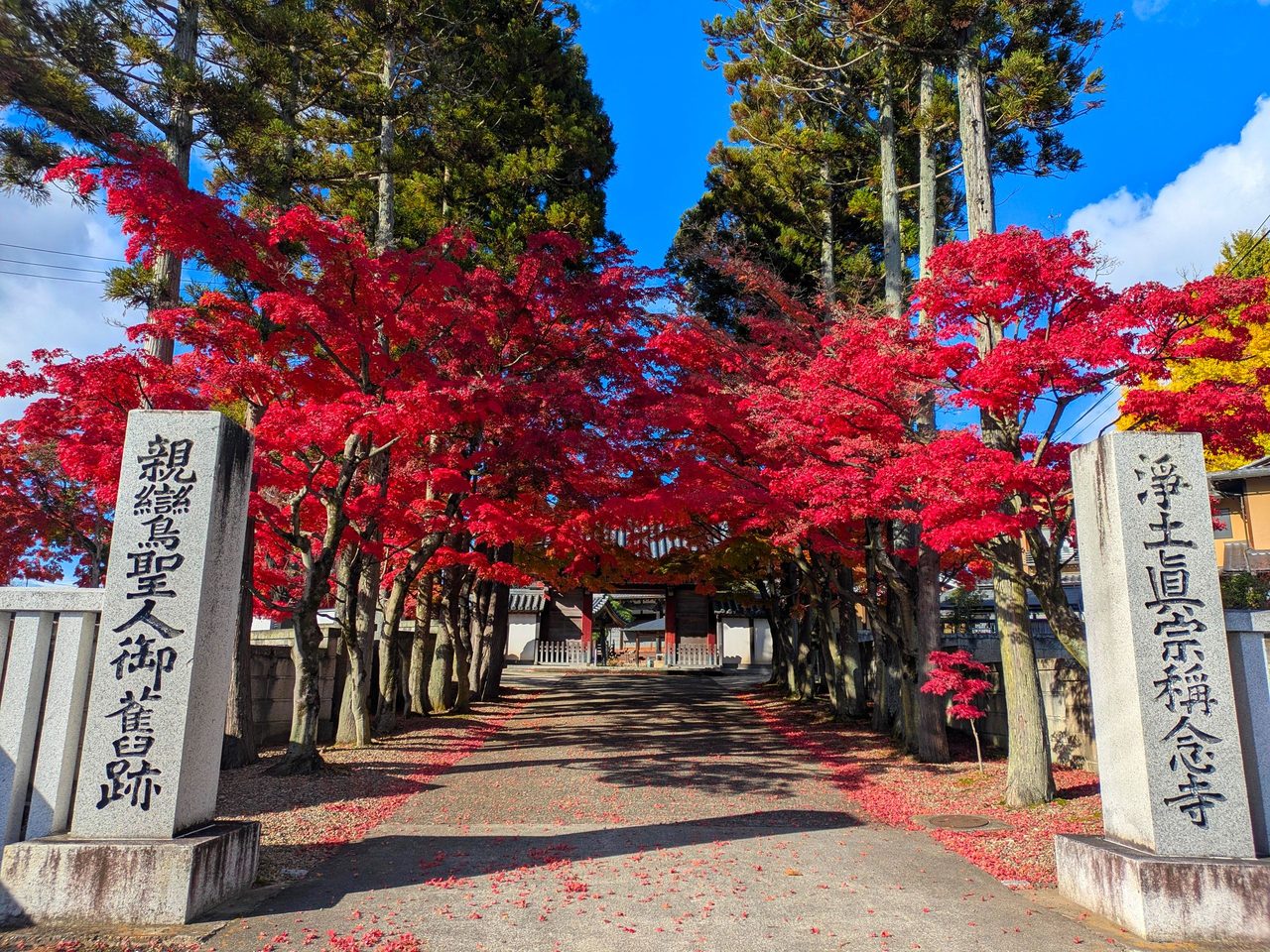
Zuihoden is the mausoleum of Date Masamune (1567-1636), the founder of Sendai and the most famous daimyo of Miyagi Prefecture in Japan's Tohoku region. It stands on a wooded hillside at 23-2 Otamayashita in Aoba-ku, a short distance from the old city centre. Visitors climb a path lined with tall cedars to a gate decorated in the lavish Momoyama style, with carved and painted details in red, black, gold and vivid mineral pigments that are unusual for northern Japan. The original buildings were destroyed in the 1945 air raids and reconstructed in 1979, and the rebuilt halls reproduce the colourful ornamentation of the 17th century. Beyond the main gate, the Kuromon (Black Gate) and the Haiden worship hall lead to the Honden, where Masamune is enshrined. Nearby hillside sites hold the mausoleums of his son Tadamune (Kansenden) and grandson Tsunamune (Zenshoden), which are quieter and often less crowded. A small museum beside the complex displays grave goods excavated during rebuilding, including armour fragments and personal items. The walk from the entrance to the main hall takes around ten minutes at an easy pace, and a full visit including the museum and the neighbouring mausoleums usually takes one to one and a half hours. Photographers favour the view back down the cedar-lined approach and close-ups of the carved gate eaves. Crowds peak at midday when coach tours arrive, and during the autumn foliage season from late October to mid-November, when the maples around the halls turn deep red. Early mornings and late afternoons are calmer and the light on the lacquered surfaces is softer. The approach includes stone steps, so comfortable shoes with good grip are useful, particularly after rain or in winter.
| Admission | Adults ¥570 (~$3.80); high school students ¥410 (~$2.70); elementary/junior high ¥210 (~$1.40); confirm at zuihoden.com |
|---|---|
| Hours | 09:00-16:50 (Feb 1-Nov 30; last entry 16:30); 09:00-16:20 (Dec 1-Jan 31; last entry 16:00); closed Dec 31 |
| Typical visit | 1-1.5 hours |
| Best time | Late October to mid-November for autumn colour; early morning for fewer tour groups |
| Getting there | Loople Sendai bus to the Zuihoden-mae stop (4th stop from Sendai Station; Loople is one-way, so return by regular city bus), or Tozai Line to Omachi-Nishikoen then a 15-20 minute walk |
| Address | 23-2 Otamayashita, Aoba-ku, Sendai, Miyagi 980-0814 |
Location
23-2 Otamayashita, Aoba-ku, Sendai, Miyagi 980-0814
38.2508, 140.8657 View on map
Highlights
- Ornate Momoyama-style gates and halls rebuilt in 1979 with painted and gilded carvings
- Cedar-lined approach path leading up to the shrine of Date Masamune
- Neighbouring mausoleums of Tadamune and Tsunamune, usually quieter
- Small museum showing artefacts excavated during reconstruction
Tips for visiting
- Arrive at opening (09:00) to avoid tour groups and enjoy the quiet cedar path.
- Loople Sendai is one-way, so plan to return by regular city bus or on foot to Omachi-Nishikoen Station.
- Wear shoes with good grip; the stone steps become slippery in rain and snow.
- Photography is generally fine outdoors; follow posted signs for restrictions inside buildings.
- Combine with Sendai Castle Ruins and the City Museum in one day.
When to visit
Late October to mid-November brings autumn colour but also the heaviest crowds. Early morning on weekdays is the quietest time in any season.
Accessibility
The approach path and the main hall involve uphill sections and stone steps, so mobility is limited. Visitors using wheelchairs should check at the ticket office about alternative routes.
Visit, book or contact
Frequently asked questions
How long does a visit to Zuihoden take?
Allow one to one and a half hours, including the walk up from the entrance, the main halls, the museum and the neighbouring mausoleums.
Is Zuihoden worth visiting with children?
Older children interested in samurai history often enjoy the colourful gates and armour exhibits. The stone steps and quiet atmosphere may be tiring for toddlers.
Is photography allowed at Zuihoden?
Photography is generally permitted on the grounds and around the exterior of the halls. Signs indicate where it is restricted, such as inside certain buildings.