
Taj Mahal
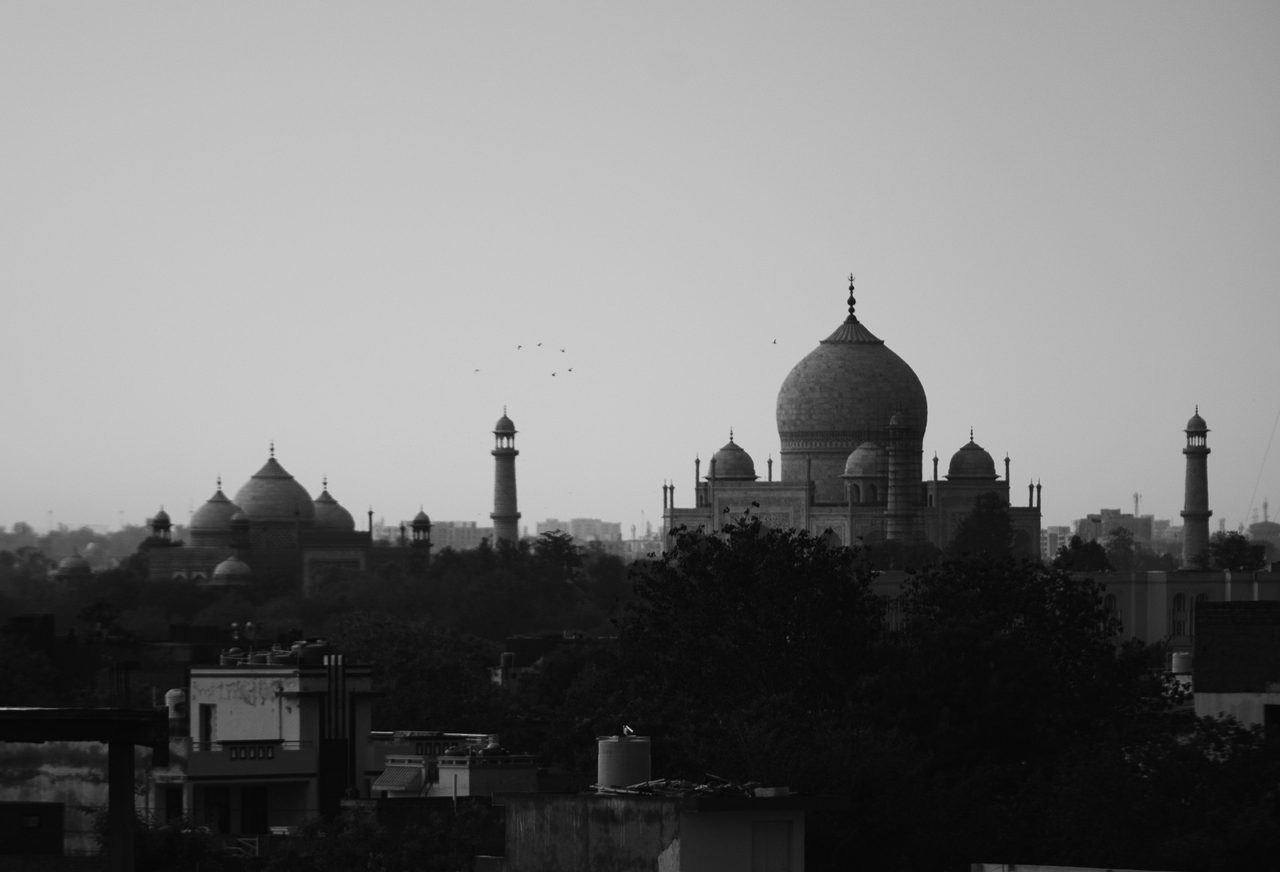
White-marble Mughal mausoleum built by Shah Jahan between 1632 and 1653 for Mumtaz Mahal, a UNESCO World Heritage Site and one of the most visited monuments in India.
Uttar Pradesh · 21 Places · Best October to March
Uttar Pradesh, India's most populous state, is the heartland of the Ganges plain and home to the Taj Mahal in Agra, the ghats of Varanasi, the Buddhist site of Sarnath and the Nawabi culture of Lucknow. Its cities hold some of the oldest continuously inhabited places in the world, Mughal-era monuments, major Hindu pilgrimage towns such as Ayodhya and Mathura, and a distinctive food tradition of kebabs, chaat and sweets.
Uttar Pradesh combines the Taj Mahal, Agra Fort and Fatehpur Sikri with the riverfront ghats of Varanasi, the Buddhist heritage of Sarnath and Kushinagar, and the temple towns of Ayodhya and Mathura-Vrindavan. Lucknow, the capital, is known for Awadhi cuisine, the Bara Imambara and Nawabi-era architecture. Winter (October to March) is the comfortable season for sightseeing; summers are very hot and the monsoon runs from July to September. Agra and Varanasi are the busiest visitor bases, linked to Delhi by fast trains and expressways.
Jump straight to the experience you're planning.
The 21 destinations our editors recommend — from iconic landmarks to under-the-radar finds.
White-marble Mughal mausoleum built by Shah Jahan between 1632 and 1653 for Mumtaz Mahal, a UNESCO World Heritage Site and one of the most visited monuments in India.
Red-sandstone Mughal fortress-palace begun by Akbar in 1565 and extended by Shah Jahan, with the Diwan-i-Am, Diwan-i-Khas, Musamman Burj and views toward the Taj Mahal. UNESCO World Heritage Site.
Abandoned Mughal capital built by Akbar from 1571, with the Buland Darwaza, Jama Masjid, Panch Mahal and the tomb of Sheikh Salim Chishti. UNESCO World Heritage Site.
Mughal tomb on the east bank of the Yamuna, completed around 1628 and noted for its marble inlay (pietra dura) work that foreshadowed the Taj Mahal.
Mughal-era garden across the Yamuna from the Taj Mahal, used for sunset and moonlit views of the monument without crowds.
Red-sandstone and marble tomb of Emperor Akbar, completed in 1613 within a large garden with gateways and roaming deer.
Pick a length, follow the route. Each itinerary balances headline sights with breathing room.
Three tiers, every traveller covered — from cost-conscious to flagship hotels.
Hostels, budget hotels, and guesthouses offer affordable stays without sacrificing experience.
Boutique hotels and well-located accommodations provide comfort and convenience at reasonable prices.
World-class resorts and premium hotels deliver unforgettable experiences.
A Mughal-inspired luxury hotel roughly 600 metres from the Taj Mahal, with terraced gardens and Taj-facing rooms.
Check rates on Booking.comA sprawling Mughal-garden resort on Fatehabad Road with Peshawri-style dining and a large spa.
Check rates on Booking.comA Taj Group property near the Taj Mahal's eastern gate with a large pool and conference facilities.
Check rates on Booking.comA large palatial resort on Fatehabad Road set in extensive grounds, popular with groups and families.
Check rates on Booking.comCafés, neighbourhood gems, and tasting menus worth the table reservation.
Lucknow's best-known kebab house, traced by travel writers to 1905, serving melt-in-the-mouth galouti kebab with ulte tawe ka paratha from the Chowk original.
A small no-frills biryani shop near Raja Bazar in old Lucknow, popular with locals for Awadhi-style mutton and chicken biryani.
A long-established Aminabad kulfi shop known for kulfi falooda, serving dense, slow-reduced milk kulfi in the old-city market district.
A Hazratganj cafe associated with the city's famous Lucknowi basket chaat, a crisp fried potato basket filled with chutneys, curd and sev.
A Chowk institution for slow-cooked mutton nihari eaten with khameeri roti or kulcha, traditionally a breakfast dish in old Lucknow.
A well-known Hazratganj chaat shop serving dahi bhalla, aloo tikki, papdi chaat and matar chaat.
Book a food tour in Uttar Pradesh We may earn a commission from bookings made through this link.
Uttar Pradesh is served by a dense rail network, an expanding expressway grid and several airports, including Lucknow, Varanasi, Ayodhya and the newly opened Noida International Airport. Trains are the backbone of intercity travel, with Vande Bharat, Gatimaan and Shatabdi services linking the main tourist cities. Three cities run metro systems: Lucknow, Kanpur and Agra, the last only partly open. Within cities, e-rickshaws, auto-rickshaws and app-based cabs handle most trips.
Daily spend by tier in INR, broken out by category.
| Category | Budget | Mid-range | Luxury |
|---|---|---|---|
| Accommodation | $9 (₹870) | $45 (₹4,350) | $230 (₹22,200) |
| Food (per day) | $6 (₹580) | $18 (₹1,740) | $80 (₹7,700) |
| Transportation | $4 (₹390) | $12 (₹1,160) | $40 (₹3,860) |
| Activities | $3 (₹290) | $10 (₹970) | $30 (₹2,900) |
| Daily total | $22 (₹2,100) | $85 (₹8,200) | $380 (₹36,700) |
Best time Shoulder Worth avoiding
Average daytime temperature in °C. Figures are for Uttar Pradesh.
Keep digital and paper copies of the passport, visa, and travel insurance separate from the originals
Use prepaid taxis, Ola, Uber, or inDrive instead of unmarked cars offered at stations and airports
Drink only sealed bottled or filtered water; tap water in Uttar Pradesh is not safe for visitors
Be cautious of touts at Agra, Mathura, and Varanasi stations who claim a hotel is closed or full
Agree prices for boat rides, rickshaws, and guides before starting
Dress modestly at temples, mosques, and dargahs by covering shoulders and knees
Take care at crowded events such as Magh Mela, Dev Deepawali, and aarti ceremonies where pickpocketing and crowd-crush risk are higher
Watch for monkeys in Vrindavan, Mathura, and Agra; keep food, glasses, and phones out of sight
Avoid driving at night on highways, where winter fog, unlit trucks, and stray animals cause crashes
Do not swim in the Ganga or Yamuna near the ghats because of strong currents and water quality
Keep small notes (₹10, ₹20, ₹50, ₹100) for rickshaws, donations, and tips
Do not accept food or drinks from strangers on trains or buses
Carry travel insurance with medical cover; the best hospitals are in Lucknow, Noida, Agra, and Varanasi
Avoid drone use and photography near military zones, railway bridges, and security installations
Check local news before travelling during major religious gatherings, when roads and bridges close
Uttar Pradesh is generally safe for tourists in Agra, Varanasi and Lucknow. The main concerns are touts, overcharging, petty theft and extreme summer heat. Emergency services: police at 100, ambulance at 108, general emergency at 112.
The best time to visit Uttar Pradesh is October to March, when days are mild and dry. Summers (April to June) are very hot, often above 40C, and the monsoon runs from July to September. Winter mornings can be foggy, which sometimes delays trains.
Entry requirements follow India rules. Most foreign nationals need an e-Visa, applied for at indianvisaonline.gov.in, or a regular visa from an Indian mission. Requirements vary by nationality, so check the official portal before traveling.
The currency in Uttar Pradesh is the Indian Rupee (INR). At 1 USD = 96.5 INR, INR 1,000 is about $10. ATMs are widely available in cities, and cards are accepted at most hotels, but carry cash for markets, autos and street food.
The main languages spoken in Uttar Pradesh are Hindi and Urdu, with regional Awadhi, Bhojpuri and Braj Bhasha. In tourist areas and hotels, English is generally understood.
The top attractions in Uttar Pradesh include the Taj Mahal, Agra Fort, Fatehpur Sikri, the ghats and Kashi Vishwanath Temple in Varanasi, Sarnath and the Bara Imambara in Lucknow.
The cities below have their own guides — hotels, attractions and where to eat, in depth.