
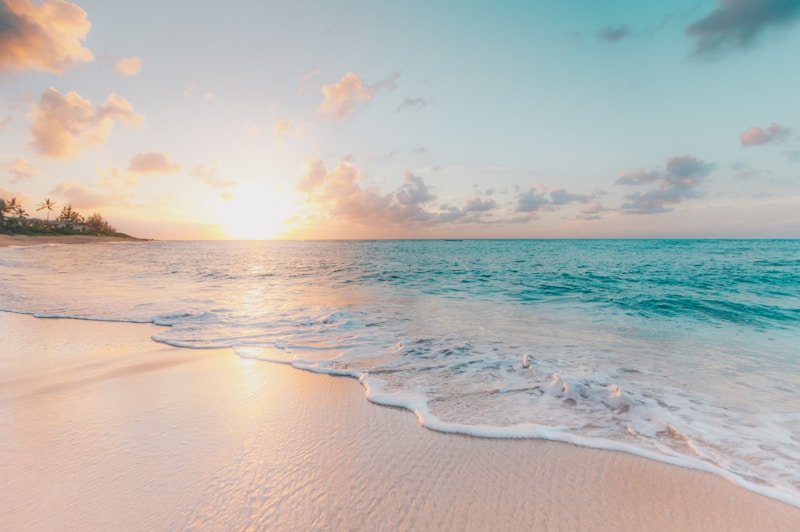
Xirokampi Beach is a quiet, pebble-and-sand beach on the western Laconia coast, near the village of Xirokampi in the Peloponnese, Greece, about 25 km south of Sparti (Sparta). The beach occupies a small bay sheltered by headlands on both sides, giving it generally calm conditions for swimming throughout the main season. The seabed is a mixture of sand and smooth pebbles in the shallows, transitioning to sandy patches and submerged rocks further out. This mixed character creates a good habitat for marine life and makes Xirokampi one of the more rewarding snorkelling beaches on the Laconian coast. Octopus, bream, moray eels, and sea urchins are commonly seen among the rocks, and the water clarity is consistently high. Development at Xirokampi is deliberately minimal: a few umbrellas are available for hire in high season, but there are no beach bars or restaurants directly on the sand, and the nearest café is in the village a short drive inland. The beach is popular with Greek families from the Sparti area seeking a quiet, local option close to home, and with snorkellers and beachcombers who prefer texture and marine life over resort facilities. The surrounding landscape is rugged and rocky, with scrub-covered Laconian hills behind the bay providing a scenic and undeveloped backdrop. The absence of commercial infrastructure is part of the appeal — visitors experience the Laconian coast in something close to its natural state. Xirokampi pairs well as a complement to a cultural visit to the Byzantine ghost city of Mystras, approximately 40 km northwest, or to the harbour town of Gythio, 15 km southeast, which has good fish tavernas and ferry services to Kythira and Crete.
| Distance | 25 km south of Sparti |
|---|---|
| Getting there | Car from Sparti: 35 min. |
| Difficulty | easy |
| Best season | June–September |
| Address | Xirokampi, Laconia 230 62, Greece |
Amenities
- Quiet pebble-and-sand beach with clear water, minimal development, a few umbrellas for hire. Excellent snorkeling among the rocks.
Good to know
- Best for
- snorkellers, couples, beachcombers, swimmers, solo
Location
Xirokampi, Laconia 230 62, Greece
36.7500, 22.5800 View on map
Highlights
- Mixed pebble-and-sand seabed with submerged rocky outcrops providing excellent snorkelling habitat
- Sheltered bay with calm water — reliable for swimming throughout the main season
- Very low level of commercialisation — quiet and authentic even at the height of summer
- Octopus, bream, and sea urchins commonly visible for snorkellers among the rocks
- Scenic backdrop of rugged Laconian hills and rocky headlands on both sides of the bay
Tips for visiting
- A snorkel mask and fins are well worth bringing; the rocks at both ends of the bay hold the most varied marine life.
- Water sandals are strongly recommended for the pebble-and-rock entry into the water.
- The bay is at its calmest in the morning; a light northerly wind occasionally picks up from midday onward.
- Mystras, the extraordinary Byzantine fortress city, is about 40 km northwest and makes a natural companion to a beach day here.
- There are no food or water facilities at or near the beach; bring a full packed lunch and ample water.
When to visit
June and September are ideal — calm water, good marine life activity, and light crowds. July and August are still enjoyable but the beach attracts more local Greek visitors and is at its busiest in the mornings.
Accessibility
The beach is reached by a short path from a roadside parking area. The pebble-and-sand surface is uneven and not suitable for wheelchair access. No adapted facilities or beach wheelchair are available at Xirokampi.
Frequently asked questions
How do I reach Xirokampi Beach from Sparti?
Drive south from Sparti toward the Mani coast following signs for Xirokampi village. The beach is about 25 km from Sparti and takes approximately 35 minutes. There is no public bus service to the beach.
Is the water entry comfortable for children?
The beach has a pebble-and-sand bottom, which is easier than a pure-pebble beach but still requires water sandals, especially for children. The water is calm and the bay is sheltered, making it manageable for confident young swimmers.
What are the best months for snorkelling at Xirokampi?
June through September all offer good water clarity and active marine life. Water temperatures are warmest in July and August (around 25–26 degrees C). Sea urchins are most active in summer — take care when snorkelling close to the rocks.
Are there any facilities at Xirokampi Beach?
Minimal. A few umbrellas are available for hire in summer but there are no beach bars, restaurants, or showers on the beach itself. Visitors should arrive entirely self-sufficient with food, water, and sun protection.