
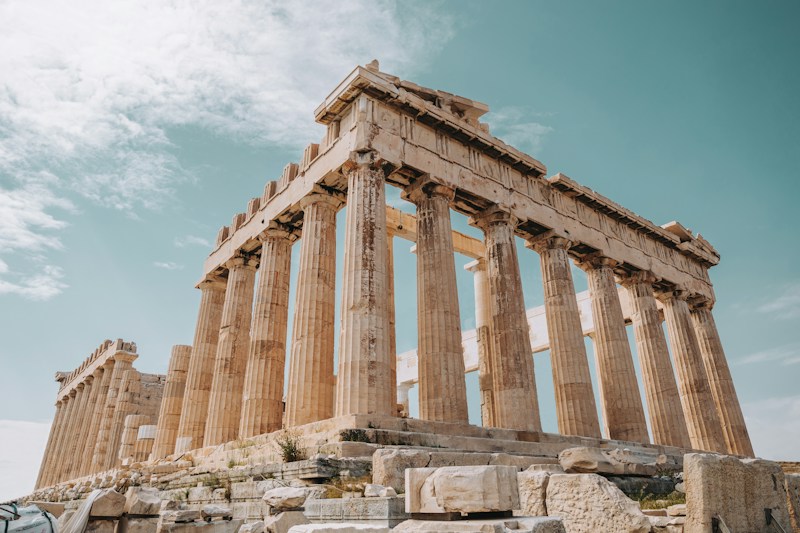
Ancient Olympia
Birthplace of the Olympic Games, with Temple of Zeus, ancient stadium and outstanding museum.
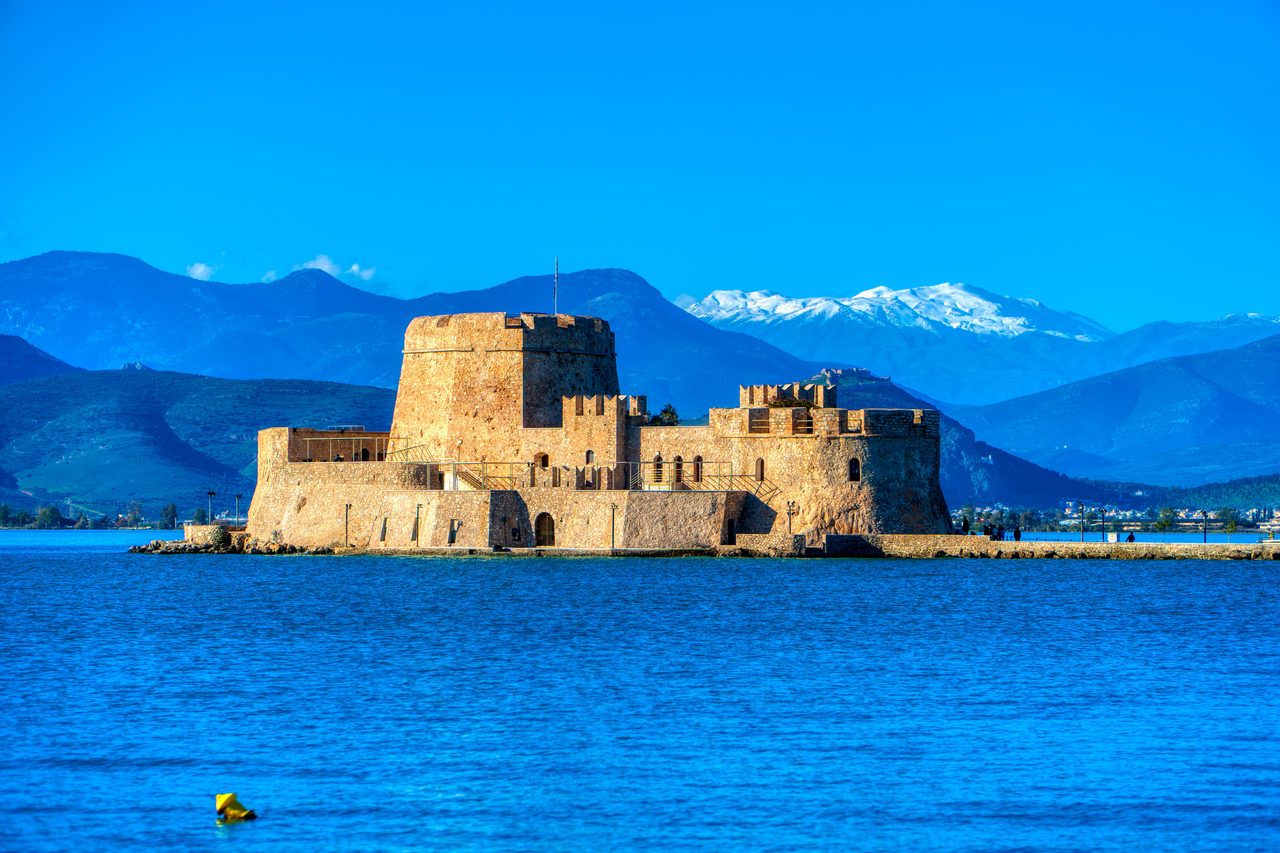
World · 12 Places · Best April–June and September–October
The Peloponnese is a large peninsula in southern Greece, separated from the mainland by the Corinth Canal and connected by the Isthmus of Corinth. It is one of the most historically rich regions in the world, home to four UNESCO World Heritage Sites — Ancient Olympia, Mycenae and Tiryns, Epidaurus, and Mystras — as well as the medieval castle-town of Monemvasia and the dramatic Mani Peninsula. The region blends Bronze Age citadels, classical temples, Byzantine ghost towns, Venetian fortresses, and rugged Mediterranean coastline into a single destination that rewards slow travel.
The Peloponnese stretches across southern Greece as a hand-shaped peninsula covering 15,490 km². Its landscape ranges from the forested mountains of Arcadia and Achaia to the arid, tower-house villages of the Mani and the fertile plains of Messenia where Kalamata olives and figs grow. Nafplio, the first capital of the modern Greek state, serves as the region's most refined base. Ancient Olympia in the northwest hosted the original Olympic Games from 776 BC. The Bronze Age citadels of Mycenae and Tiryns date from 1600–1100 BC. The theater at Epidaurus still stages classical performances every summer with perfect acoustics. Byzantine Mystras was the last bastion of the Palaiologos dynasty before the Ottoman conquest. The castle-town of Monemvasia perches on an enormous sea rock accessible by a single causeway. Together these sites span more than 3,500 years of continuous civilization.
Jump straight to the experience you're planning.
The 12 destinations our editors recommend — from iconic landmarks to under-the-radar finds.
Birthplace of the Olympic Games, with Temple of Zeus, ancient stadium and outstanding museum.

UNESCO Bronze Age citadel with Lion Gate, Treasury of Atreus and Grave Circle A.
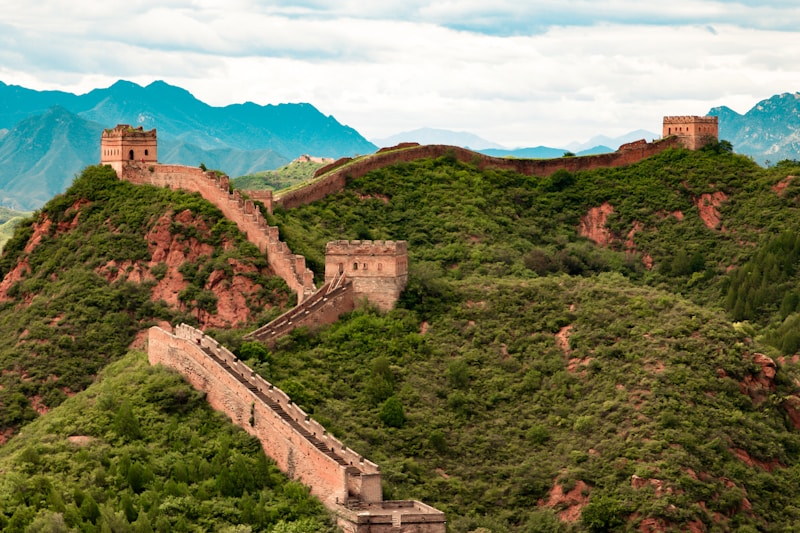
UNESCO best-preserved ancient Greek theater with perfect acoustics; summer festival venue.
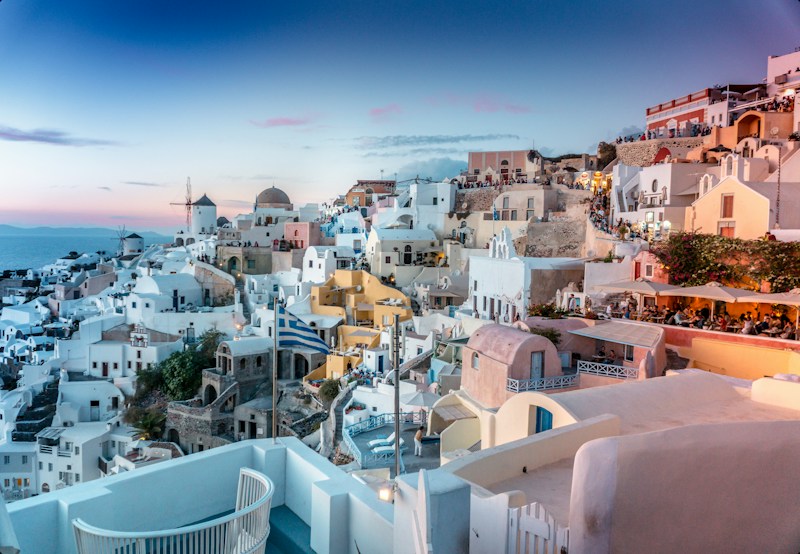
Greece's most beautiful town and first capital, with Venetian mansions and a seafront promenade.

UNESCO ruined Byzantine city on Mount Taygetos with frescoed churches and the Despots' Palace.
Car-free medieval walled town on a sea rock with Byzantine churches and Venetian mansions.
Pick a length, follow the route. Each itinerary balances headline sights with breathing room.
Three tiers, every traveller covered — from cost-conscious to flagship hotels.
Hostels, budget hotels, and guesthouses offer affordable stays without sacrificing experience.
Boutique hotels and well-located accommodations provide comfort and convenience at reasonable prices.
World-class resorts and premium hotels deliver unforgettable experiences.
Cafés, neighbourhood gems, and tasting menus worth the table reservation.
Book a food tour in Peloponnese We may earn a commission from bookings made through this link.
A rental car is the most practical and versatile way to explore the Peloponnese. Public buses (KTEL) connect major towns but cannot reach most archaeological sites, isolated beaches, or mountain villages. A scenic narrow-gauge railway connects Corinth and Nafplio. Ferries link western Peloponnese to the Ionian Islands. Kalamata Airport receives international flights in summer.
Daily spend by tier in EUR, broken out by category.
| Category | Budget | Mid-range | Luxury |
|---|---|---|---|
| Accommodation | €25–50/night (hostel or budget guesthouse) | €80–150/night (3-star hotel or B&B) | €250–700+/night (boutique or resort) |
| Food (per day) | €15–25/day | €35–60/day | €80–150/day |
| Transportation | €5–15/day (buses) | €30–50/day (rental car) | €50–100/day (private car or premium rental) |
| Activities | €10–20/day | €20–40/day | €60–200/day |
| Daily total | €55–110 | €165–300 | €440–1150+ |
Best time Shoulder Worth avoiding
Average daytime temperature in °C. Figures are for Greece.
Spring brings wildflowers and mild temperatures ideal for hiking and archaeology. Autumn has warm sea temperatures and the olive harvest. Winter is quiet, hotels are cheaper, and snow on Taygetos is beautiful — most sites remain open.
Carry at least 2 litres of water per person when visiting open-air archaeological sites in summer; heat exhaustion is the most common tourist health problem.
Never light fires outdoors in summer — outdoor fires are illegal from June to September and fines are severe. Wildfire risk is extreme in July–August.
On mountain roads (Bassae, Deep Mani, Taygetos), drive slowly and sound the horn on blind bends — these roads are narrow and oncoming vehicles are a real hazard.
Keep valuables out of sight in rental cars, especially at archaeological site car parks (Mycenae, Olympia). Break-ins do occur in peak season.
Download offline maps (Google Maps or maps.me) before driving in the Deep Mani or Arcadian highlands — mobile signal is absent in many remote areas.
Sea urchins are common on rocky shores — wear water shoes when swimming from rocky beaches and coastlines.
Greece uses EU emergency number 112 — works from any mobile even without SIM credit. Tourist Police (171) speak English and handle visitor-specific issues.
Travel insurance covering medical costs and helicopter evacuation is strongly recommended, particularly for hiking and water sports.
A minimum of 5–7 days covers the key UNESCO sites and a couple of coastal areas. Ten days allows a thorough circuit including the Mani Peninsula and Ancient Olympia.
Yes, a rental car is strongly recommended. KTEL buses serve main towns but many archaeological sites and beaches are inaccessible without private transport.
Nafplio is the most convenient base for northeastern sites (Mycenae, Epidaurus, Tiryns). Kalamata suits the Mani Peninsula and Messenia. Olympia has its own hotels if visiting the west.
Yes. The region is very family-friendly with safe beaches, interactive archaeological sites, and a relaxed pace of life. Child admission is often free or half-price at state sites.
The Athens & Epidaurus Festival runs from June to August. Ancient drama and modern productions are staged at the 2,500-year-old theater. Check greekfestival.gr for the current programme.