
Open Travel Guide
  1. Home
  2. Destinations
  3. France
  4. Bourgogne-Franche-Comté
  5. Attractions
  6. Abbaye de Cluny

Attractions · Bourgogne-Franche-Comté, Bourgogne-Franche-Comté

Abbaye de Cluny

  • CategoryRomanesque Abbey
  • AdmissionAdults €9.50 (~$10.35)
  • Rating★ 4.7

The Abbaye de Cluny, in the town of Cluny in Saône-et-Loire, was once the largest Christian church in the world — a distinction it held from its completion in the 12th century until the construction of the new St. Peter's Basilica in Rome more than four centuries later. Founded in 910 CE by Duke William I of Aquitaine, the Cluniac order that grew from this monastery shaped medieval European monasticism and the political history of the Western Church.

Abbaye de Cluny

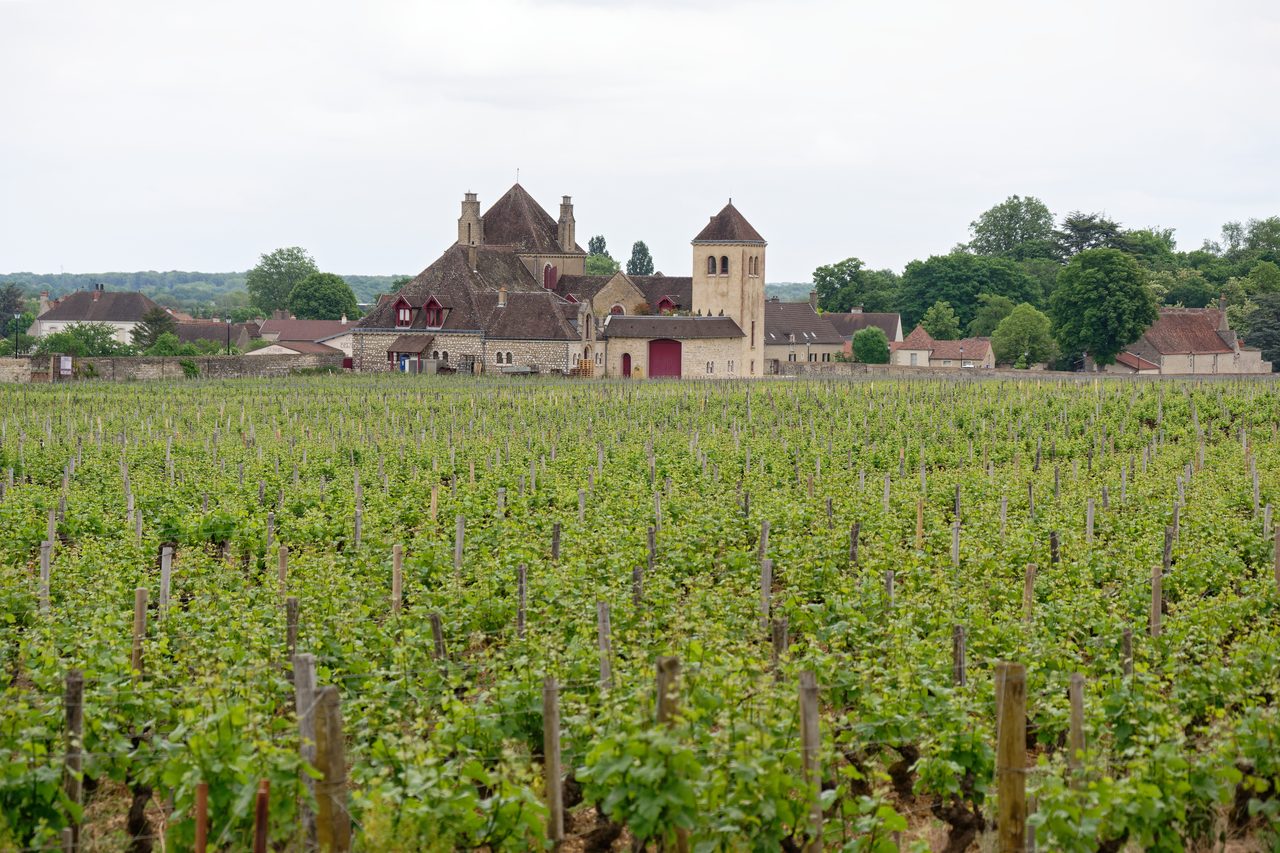
The Abbaye de Cluny, in the town of Cluny in Saône-et-Loire, was once the largest Christian church in the world — a distinction it held from its completion in the 12th century until the construction of the new St. Peter's Basilica in Rome more than four centuries later. Founded in 910 CE by Duke William I of Aquitaine, the Cluniac order that grew from this monastery shaped medieval European monasticism and the political history of the Western Church. Today, only a fraction of the original complex survives: the Romanesque south transept, two towers, and stretches of the ambulatory walls remain standing after the Revolutionary demolition that used the stones as a local quarry. Yet these remnants convey the extraordinary scale of the original construction. A scale model and interactive digital reconstruction inside the Musée d'Art et d'Archéologie de Cluny, which occupies the surviving 15th-century abbatial palace, allow visitors to comprehend what once stood. The museum displays finely carved Romanesque capitals retrieved from the choir — among the earliest examples of Romanesque figurative sculpture in Bourgogne-Franche-Comté. The surrounding town of Cluny preserves a remarkable number of medieval buildings, and a circuit on foot through the rue de la République and the Haras National stables compound rewards those who extend their stay. A typical visit to the abbey ruins and museum takes 1.5 to 2 hours. The site is administered by the Centre des Monuments Nationaux.

Highlights

  • Surviving Romanesque transept and towers of what was once the world's largest church
  • Original carved choir capitals — early masterworks of Romanesque figurative sculpture
  • Scale model and digital reconstruction of the full 12th-century abbey complex
  • Cluniac abbatial palace housing the archaeology and art museum
  • Well-preserved medieval townscape with Haras National stables surrounding the abbey site

Tips for visiting

  • The combined ticket covering the abbey and the Haras National (national stud) offers better value than purchasing separately.
  • The digital reconstruction display inside the museum is essential for understanding the original scale — do not skip it.
  • Flat shoes are recommended; the archaeological site has uneven stone surfaces.
  • Cluny is best combined with a drive along the Mâconnais wine road for a full-day itinerary from Beaune or Mâcon.
  • Centre des Monuments Nationaux card holders enter free — valid if visiting multiple CMN sites in Burgundy.

When to visit

April through October offers the best visiting conditions, with pleasant weather for exploring the outdoor ruins. The site is open year-round but with reduced winter hours; check the Centre des Monuments Nationaux website before travelling in January or February.

Accessibility

The main courtyard and parts of the ruins are accessible at ground level. The museum inside the abbatial palace has lift access to most floors. Some sections of the archaeological site have uneven paving. A wheelchair-accessible route is posted at the entrance.

Frequently asked questions

How long does a visit to Abbaye de Cluny take?

The abbey ruins and museum together take approximately 1.5 to 2 hours. Adding a walk through the medieval town centre adds another 30 to 60 minutes.

Why is so little of the original abbey standing?

After the French Revolution the abbey was nationalised and sold for building materials. Locals quarried the stone for decades before preservation efforts halted the demolition. Only about 10% of the original church survives above ground.

Is photography allowed at Abbaye de Cluny?

Photography is permitted throughout the outdoor ruins and in most areas of the museum. Some specific gallery rooms with delicate capitals may have restrictions — signage is posted at each room entrance.

Ready to book

Abbaye de Cluny

Buy tickets on cluny-abbaye.fr