HR · 25 Places · Best May–June and September–October
Dalmatia
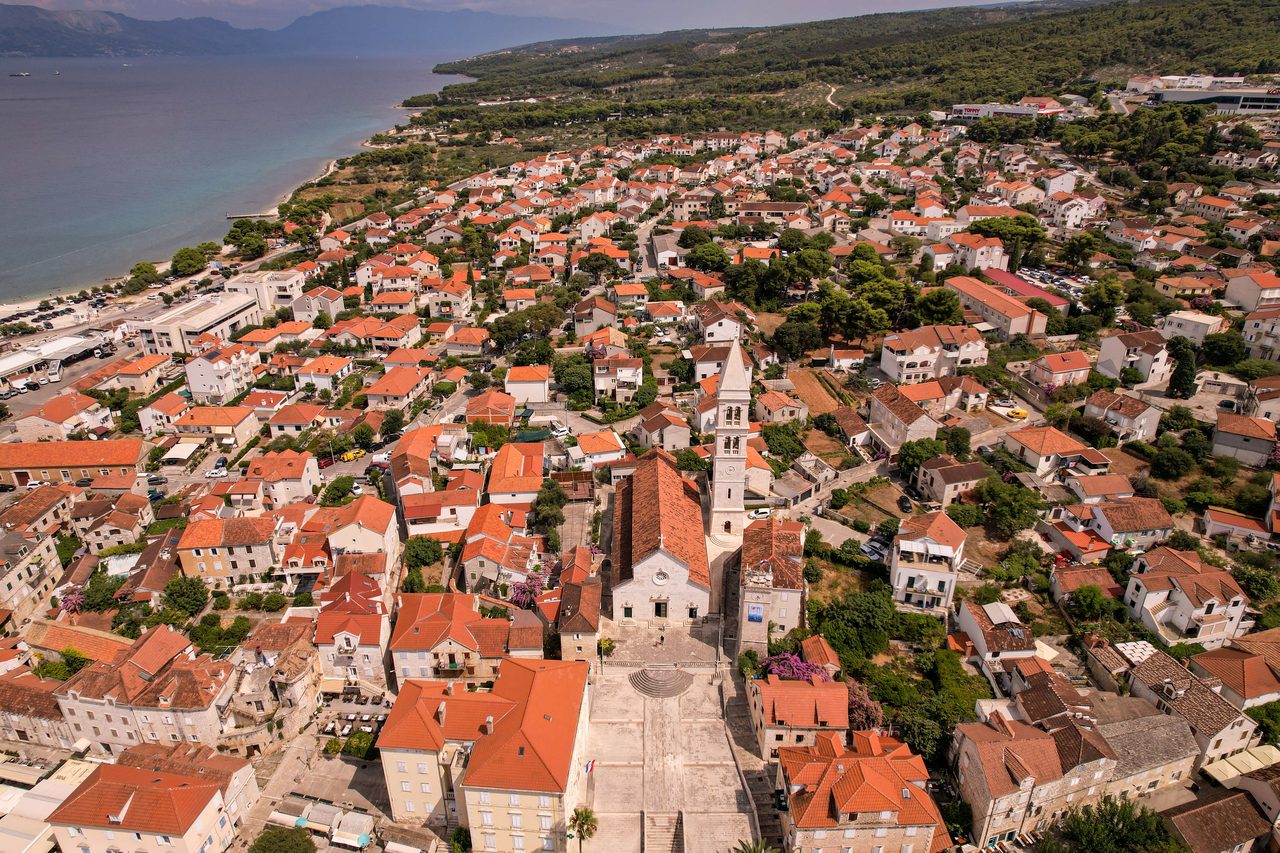
Dalmatia is Croatia's most celebrated coastal region, stretching along the eastern Adriatic from Zadar in the north to the Bay of Kotor in the south. Defined by a dramatic limestone coastline, more than 1,000 islands and islets, and a string of UNESCO-listed historic cities, Dalmatia offers one of Europe's most compelling blends of ancient civilization and natural beauty.
The Dalmatian Coast has drawn seafarers, merchants, and conquerors for over three millennia. Roman emperors built retirement palaces here, medieval Venetians raised cathedral campaniles, and independent city-states negotiated trade routes across the Adriatic. Today visitors explore Diocletian's Palace in Split — a Roman emperor's retirement home that became an entire city — wander the marble-paved lanes of Dubrovnik's Old Town, sail between islands where lavender fields meet turquoise coves, and feast on grilled fish and Plavac Mali wine. Dalmatia comprises four modern counties: Zadar, Šibenik-Knin, Split-Dalmatia, and Dubrovnik-Neretva, each with its own distinct character. The region's Mediterranean climate guarantees long hot summers and mild winters, making it a year-round destination, though the shoulder months of May, June, and September offer the best balance of warmth, accessibility, and manageable crowds.
The 25 destinations our editors recommend — from iconic landmarks to under-the-radar finds.
Diocletian's Palace
A UNESCO World Heritage Site, Diocletian's Palace is a Roman emperor's 4th-century AD retirement complex that evolved into Split's living city centre. Within its massive limestone walls visitors find medieval churches, Roman temples, restaurants, bars, and residents' apartments coexisting with 1,700 years of continuous habitation.
Dubrovnik Old Town
Dubbed the 'Pearl of the Adriatic' by Lord Byron, Dubrovnik's UNESCO-listed Old Town is encircled by medieval limestone walls and towers. The marble-paved Stradun boulevard links two historic gates, while baroque churches, a 16th-century pharmacy, and stunning sea views make this one of Europe's most visited destinations.
Plitvice Lakes National Park
Croatia's most visited national park features 16 terraced travertine lakes connected by roaring waterfalls, boardwalk trails, and electric boats. The park spans 300km² of forest and karst terrain and is listed as a UNESCO World Heritage Site. Colours range from azure to green to grey depending on minerals, organisms, and sunlight.
Krka National Park
Krka National Park protects 109km of the Krka River, featuring seven waterfalls, a lake basin with swimming areas, and a Franciscan monastery on the island of Visovac. The Skradinski Buk waterfall is the most accessible and dramatic. Boat tours navigate upstream to the Roški Slap waterfall.
Hvar Town
Hvar Town is Dalmatia's most glamorous island destination, combining a Venetian-era loggia, a cathedral square, Renaissance arsenal, and hilltop Fortica fortress with vibrant nightlife and yachting culture. Lavender fields and vineyards inland give the island its distinctive scent and flavour.
Korčula Old Town
Korčula's medieval old town occupies a small peninsula shaped like a fish-bone street grid designed by Venetian urban planners to control sea breezes and enemy attacks. Locals claim it as the birthplace of Marco Polo. The Cathedral of St. Mark dominates the main square, and traditional Moreška sword dances are performed in summer.
Recommended itineraries
Pick a length, follow the route. Each itinerary balances headline sights with breathing room.
5-Day Dalmatia Explorer
Day 1Arrive in Dalmatia, explore city center
Day 2Visit top attractions and museums
Day 3Day trip to nearby highlights
Day 4Local markets and hidden gems
Day 5Final sightseeing, departure
7-Day Classic Dalmatia
Days 1-2Dalmatia city highlights
Days 3-4Regional exploration
Days 5-6Cultural immersion and local experiences
Day 7Return and departure
14-Day Ultimate Dalmatia
Days 1-3Dalmatia comprehensive city tour
Days 4-6Northern region exploration
Days 7-9Eastern highlights
Days 10-12Southern attractions
Days 13-14Return to Dalmatia, departure
Where to stay in Dalmatia
Three tiers, every traveller covered — from cost-conscious to flagship hotels.
Budget
Hostels, budget hotels, and guesthouses offer affordable stays without sacrificing experience.
Mid-range
Boutique hotels and well-located accommodations provide comfort and convenience at reasonable prices.
Luxury
World-class resorts and premium hotels deliver unforgettable experiences.
Dalmatia is served by three international airports at Split, Dubrovnik, and Zadar, with excellent ferry connections linking the mainland to dozens of islands. The coastal highway (A1 motorway and D8 coastal road) connects the main cities, while Jadrolinija ferries and catamarans provide essential island access. Car rental is recommended for exploring the interior and reaching smaller villages, but many visitors manage the main cities and islands by public transport and ferry.
Budget breakdown
Daily spend by tier in EUR, broken out by category.
Category
Budget
Mid-range
Luxury
Accommodation
€18–35 per night (hostel dorm or basic private room)
€80–150 per night (3-star hotel or apartment)
€200–800+ per night (5-star hotel or private villa)
Food (per day)
$10-25
$30-60
$80+
Transportation
€8–15 per day (public ferries, buses)
€15–25 per day (mix of ferries, occasional taxi)
€50–200 per day (private transfers, water taxis)
Activities
€5–15 per day (free beaches, walking tours, self-guided)
€20–40 per day (national park entries, boat trips)
€100–300 per day (private charters, exclusive tours)
Daily total
Best time to visit Dalmatia
Weather through the year in Croatia
Best timeShoulderWorth avoiding
Average daytime temperature in °C. Figures are for Croatia.
May and June offer warm sea temperatures (20–22°C), full sun, and manageable crowds at major sights. September and October see smaller crowds, lower hotel rates, and sea temperatures still around 23–24°C from summer heating. July and August are the busiest and most expensive months; Dubrovnik and Hvar in particular can feel overwhelmed with cruise ship passengers and package tourists. Winter (November–March) is quiet, many island businesses close, but Split and Dubrovnik remain open and atmospheric.
Essential travel tips
Book accommodation months in advance for July and August, especially in Dubrovnik and Hvar
The Dubrovnik Card gives unlimited bus rides and free museum entries for 1–3 days
Buy Jadrolinija tickets online to avoid long summer queues at port ticket offices
Dalmatian restaurants typically add a 10% service charge; additional tipping is appreciated but not mandatory
Most beaches are public; private beach clubs charge €10–25 for a sunbed and umbrella
The Split Card offers discounts on museums, restaurants, and activities in Split
ATMs are widely available in all cities; smaller island villages may have only one machine
Tap water is safe to drink throughout Dalmatia
Dress modestly when entering churches — shoulders and knees should be covered
Croatian store hours: typically 8am–8pm Mon–Sat, limited Sunday hours
Hidden gems
Off-the-beaten-path corners most travellers miss.
Stiniva Cove, Vis Island
Blue Cave, Biševo
Sakarun Beach, Dugi Otok
Ston Oyster Beds
Elafiti Islands
Paklenica National Park
Safety information
INFO
Keep valuables in hotel safes, especially in busy Old Town areas
INFO
Wear water shoes on rocky Dalmatian beaches to avoid sea urchins
INFO
Carry sufficient water in summer — dehydration is a real risk at 35°C+
INFO
Check Jadrolinija ferry schedules in advance; cancellations occur during bora wind events
INFO
EU emergency number 112 is reliable throughout the region
INFO
Travel insurance with medical evacuation cover is strongly advised for island activities
Frequently asked questions
What is the best time to visit Dalmatia?
The best time to visit Dalmatia is May–June and September–October.
What currency is used in Dalmatia?
The currency in Dalmatia is the Euro (EUR). ATMs are widely available in cities and tourist areas. Credit cards are accepted at most hotels and restaurants, but carry cash for markets and smaller establishments.
What language is spoken in Dalmatia?
The main language(s) spoken in Dalmatia: Croatian. In tourist areas, English is generally understood. Learning a few basic phrases in the local language is appreciated by locals.
What are the top attractions in Dalmatia?
The top attractions in Dalmatia include Diocletian's Palace, Dubrovnik Old Town, Plitvice Lakes National Park, Krka National Park, and Hvar Town. Each offers a unique experience, from historic landmarks to natural wonders.