About Croatia
Croatia captivates visitors with its stunning Adriatic coastline, over 1,000 islands, and remarkably preserved medieval cities. From the ancient walls of Dubrovnik to the cascading waterfalls of Plitvice Lakes, this Mediterranean gem offers crystal-clear waters, rich history, and exceptional cuisine at surprisingly affordable prices.
Quick Overview
Capital: Zagreb
Largest City: Zagreb
Population: ~4 million
Languages: Croatian
Currency: Euro (EUR)
Time Zone: UTC+1 (Central European Time), UTC+2 in summer (CEST)
Explore Croatia by Topic
Best Places to Visit in Croatia
Discover the top 31 must-see destinations in Croatia, from iconic landmarks to off-the-beaten-path treasures.
Dubrovnik Old Town & City Walls
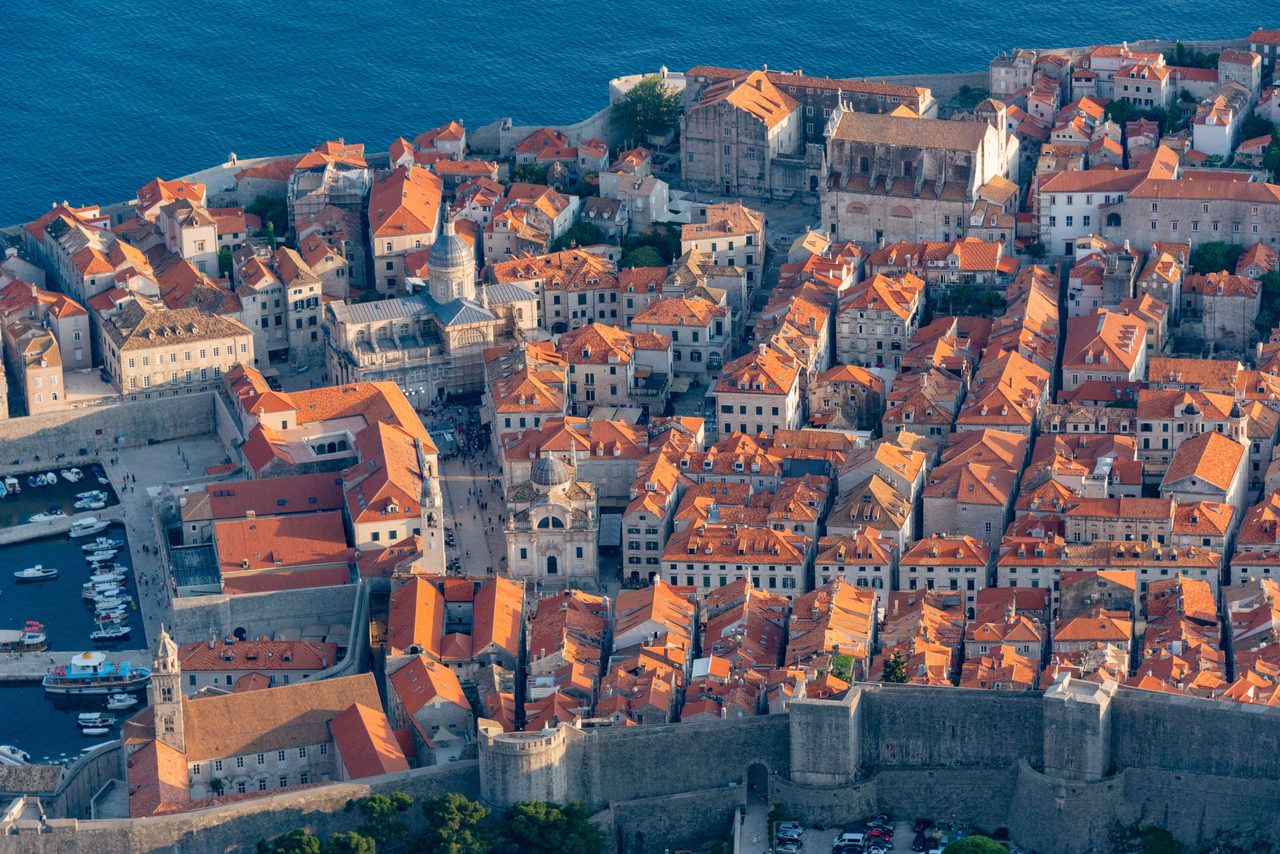
Walk the iconic 2km medieval walls surrounding Dubrovnik's Old Town, offering breathtaking views of terracotta roofs, the Adriatic Sea, and Lovrijenac Fortress. This UNESCO World Heritage site served as King's Landing in Game of Thrones and remains one of Europe's best-preserved fortified cities.
Plitvice Lakes National Park
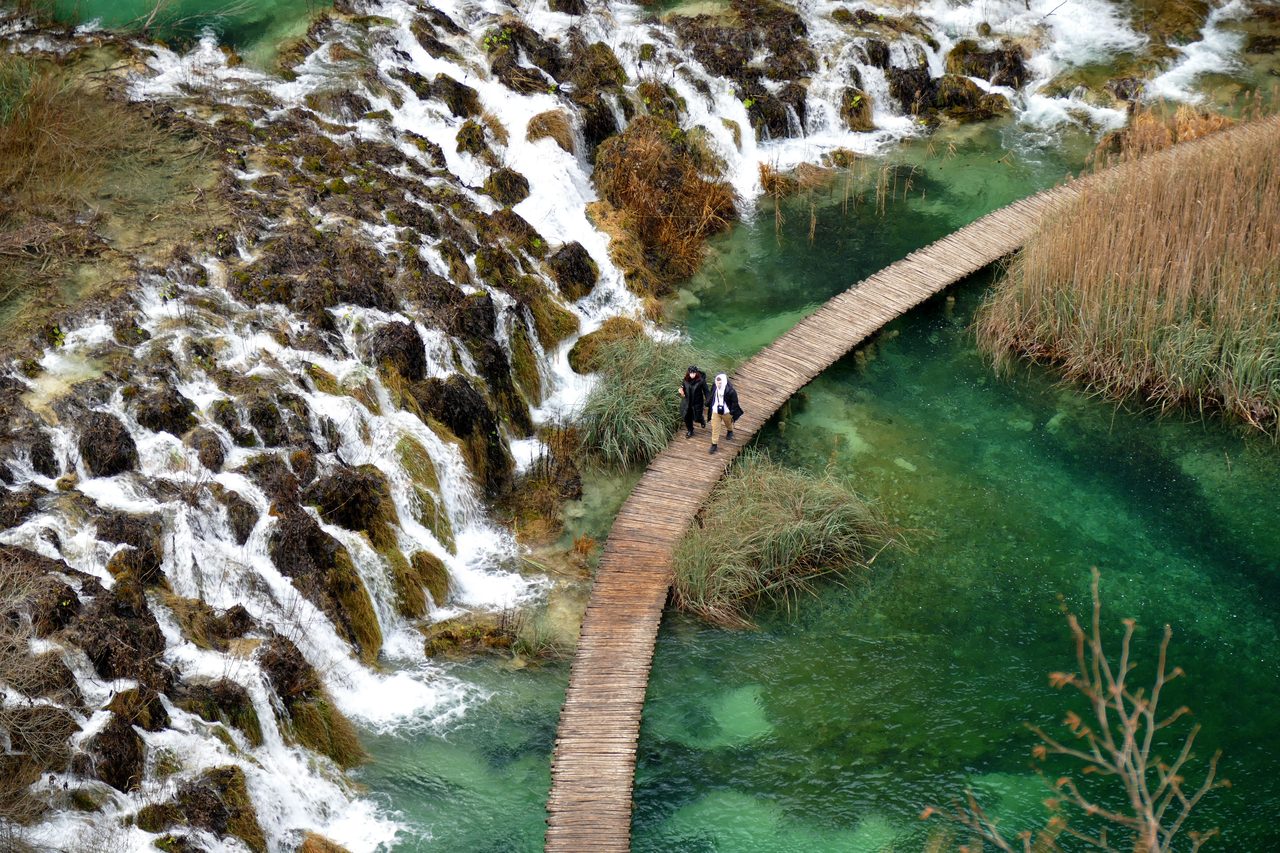
Croatia's most visited national park features 16 terraced crystal-blue lakes connected by spectacular waterfalls cascading through limestone canyons. Wooden walkways allow you to walk directly above the rushing water, surrounded by lush forests home to bears, wolves, and rare bird species.
Diocletian's Palace
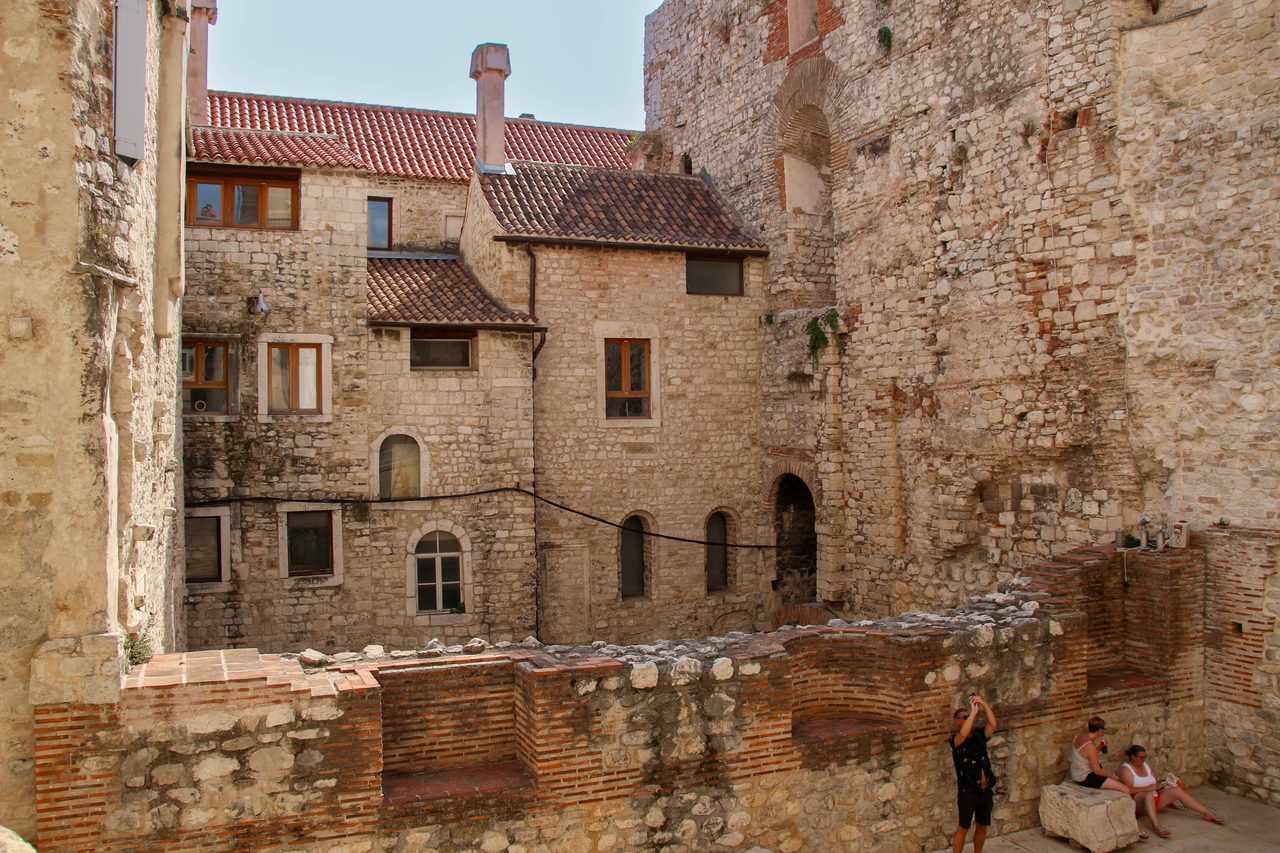
This remarkably preserved 4th-century Roman palace complex forms the heart of Split, with over 200 buildings integrated into the ancient walls. Explore underground cellars, the cathedral built within the emperor's mausoleum, and bustling squares where locals still live and work among 1,700-year-old Roman architecture.
Hvar Island
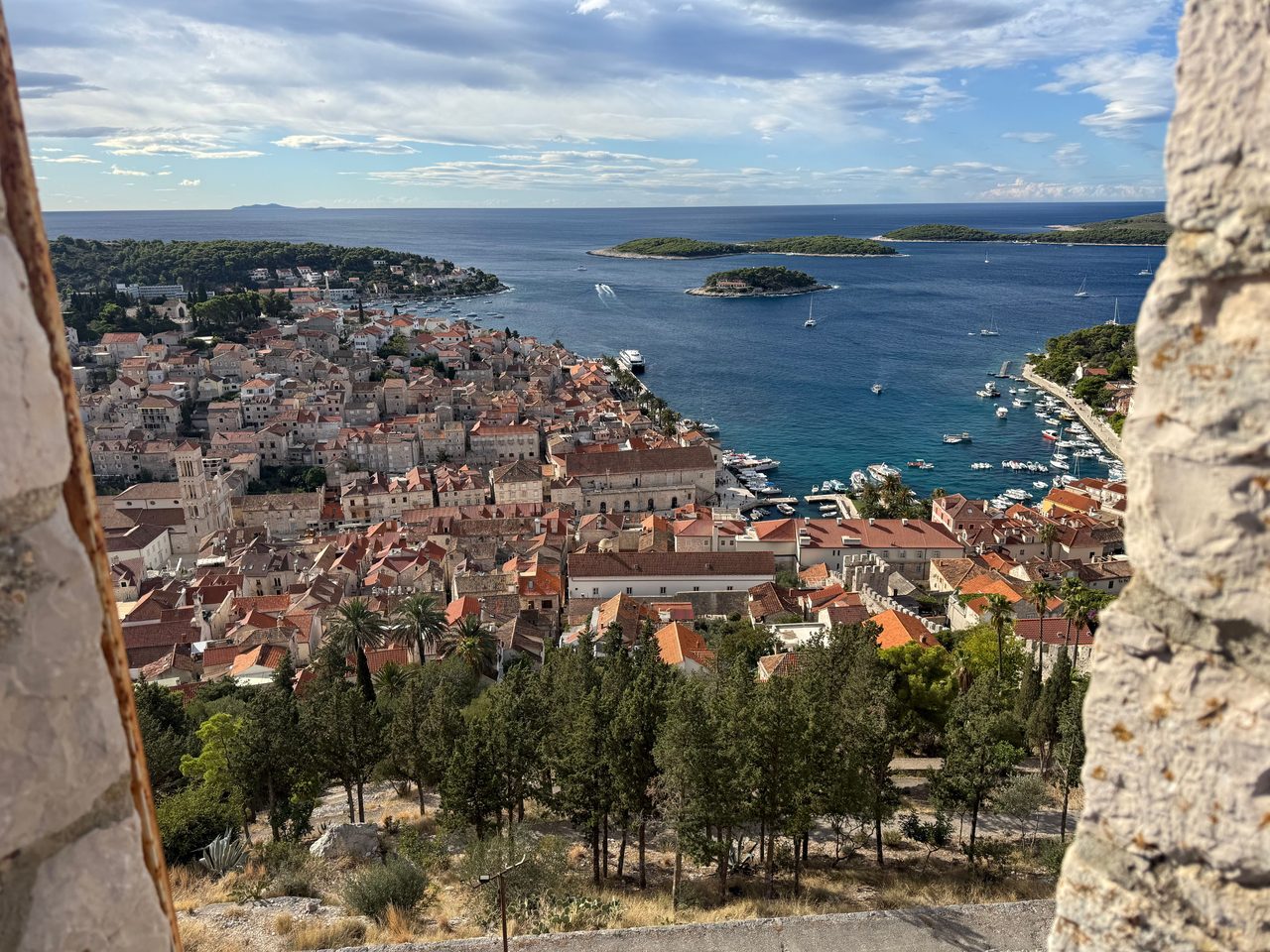
Known as Croatia's sunniest island with 2,724 hours of sunshine annually, Hvar combines stunning beaches, lavender fields, and sophisticated nightlife. The Venetian-era old town features a hilltop fortress, Europe's oldest public theater, and yacht-filled harbor surrounded by restaurants and bars.
Krka National Park
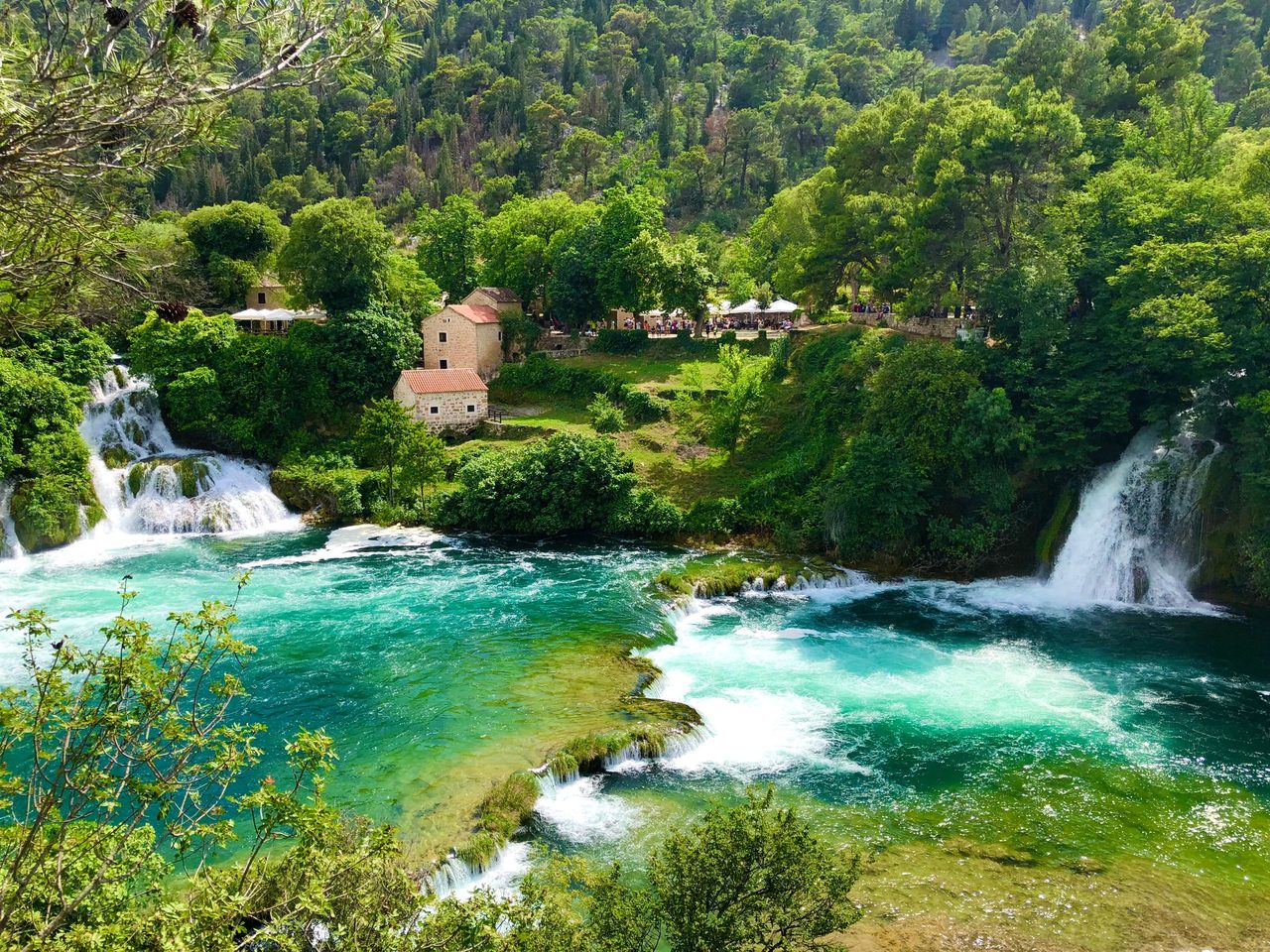
Seven stunning waterfalls cascade along the Krka River, including the magnificent 46-meter Skradinski Buk where visitors can swim in the crystal pools (when permitted). Wooden pathways wind through the park, passing old mills, monasteries, and diverse flora and fauna.
Korčula Old Town
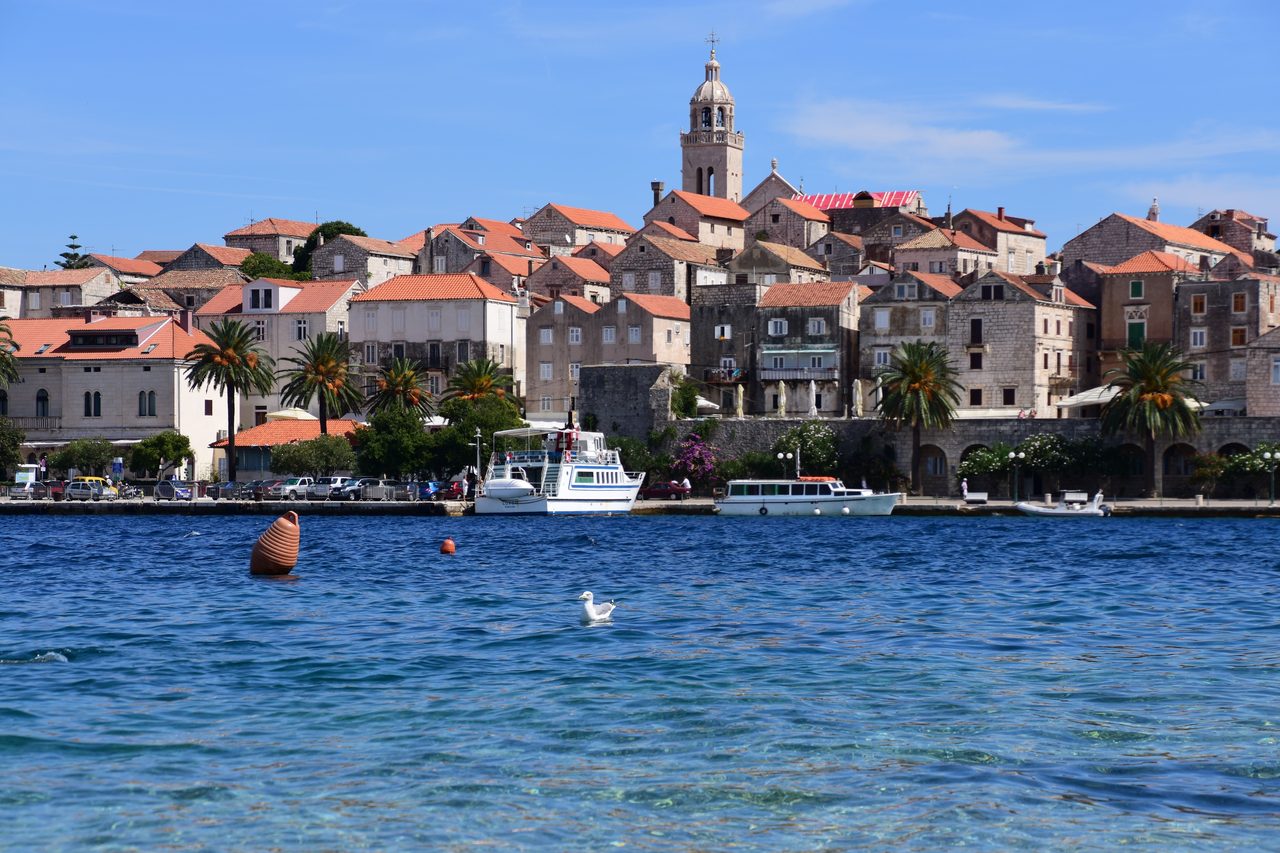
This fortified medieval town on Korčula Island claims to be Marco Polo's birthplace, featuring a unique herringbone street layout designed to protect from wind. Venetian architecture, traditional Moreška sword dance performances, and excellent local wines make this a charming destination.
Rovinj Old Town
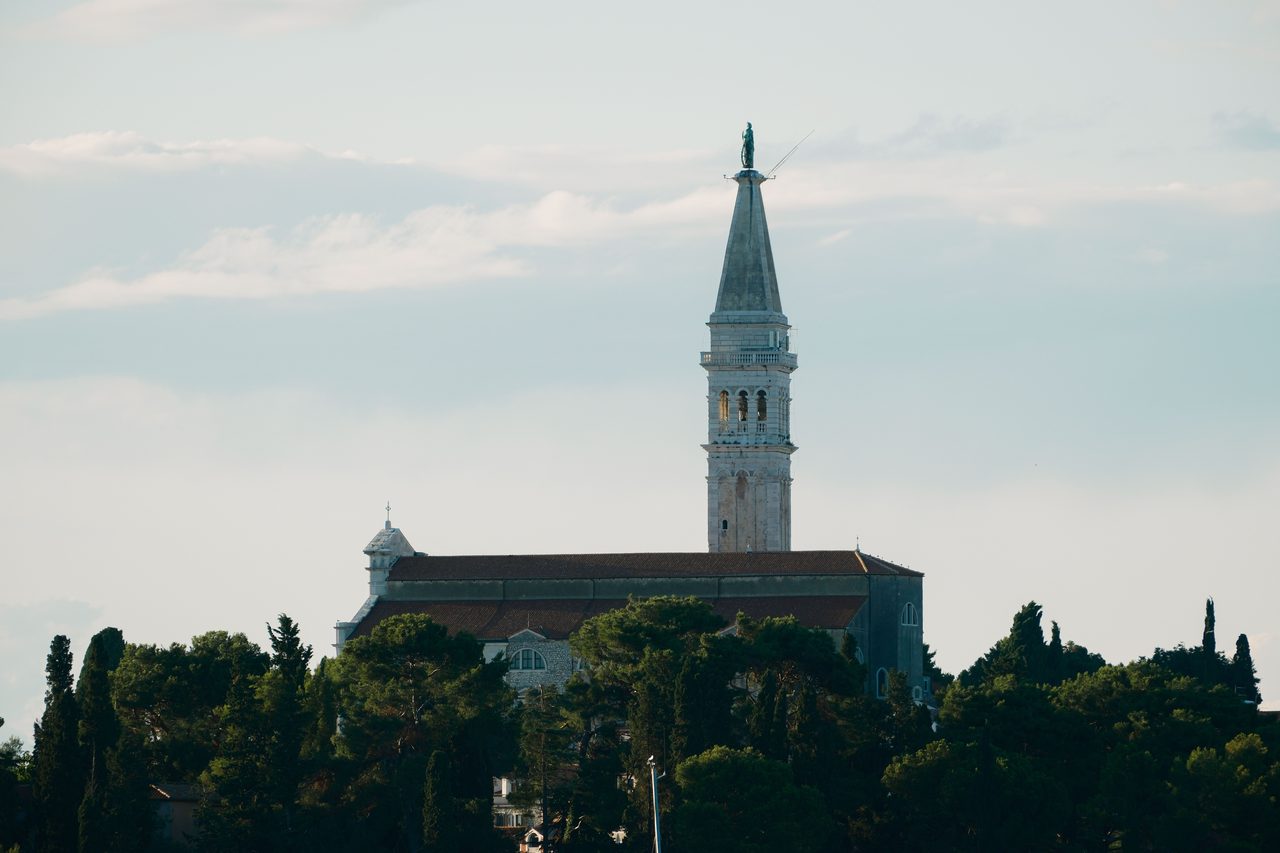
Often called the most romantic town in the Mediterranean, Rovinj's pastel-colored houses cascade down a peninsula to a picturesque harbor. The Venetian-influenced architecture, cobblestone streets, and Church of St. Euphemia dominating the skyline create a postcard-perfect setting.
Pula Arena
This remarkably intact Roman amphitheater is the sixth-largest in the world and one of the best-preserved. Built in the 1st century AD, it once held 20,000 spectators for gladiator fights and now hosts concerts, film festivals, and events beneath its original stone arches.
Recommended Itineraries for Croatia
Plan your perfect Croatia trip with our expertly crafted itineraries for every travel style and duration.
5-Day Croatia Explorer
- Day 1: Arrive in Croatia, explore city center
- Day 2: Visit top attractions and museums
- Day 3: Day trip to nearby highlights
- Day 4: Local markets and hidden gems
- Day 5: Final sightseeing, departure
7-Day Classic Croatia
- Days 1-2: Croatia city highlights
- Days 3-4: Regional exploration
- Days 5-6: Cultural immersion and local experiences
- Day 7: Return and departure
14-Day Ultimate Croatia
- Days 1-3: Croatia comprehensive city tour
- Days 4-6: Northern region exploration
- Days 7-9: Eastern highlights
- Days 10-12: Southern attractions
- Days 13-14: Return to Croatia, departure
Where to Stay in Croatia
From luxury resorts to budget-friendly options, Croatia offers accommodations for every traveler.
Budget Options ($45-65)
Hostels, budget hotels, and guesthouses offer affordable stays without sacrificing experience.
Mid-Range ($100-180)
Boutique hotels and well-located accommodations provide comfort and convenience at reasonable prices.
Luxury ($300-600+)
World-class resorts and premium hotels deliver unforgettable experiences.
Hotel Excelsior Dubrovnik
This iconic 5-star hotel perches on cliffs overlooking the Adriatic with direct views of Dubrovnik's Old Town. Featuring elegant rooms, infinity pools, private beach, Michelin-recommended restaurant, and impeccable service, it epitomizes Dalmatian luxury.
Check rates on Booking.comHotel Vestibul Palace Split
Boutique hotel built into Diocletian's Palace walls offers unique historical experience with modern comfort. Original Roman architecture, contemporary design, central location, and rooftop terrace make it Split's most characterful mid-range option.
Check rates on Booking.comOld Town Hostel Dubrovnik
Clean, well-managed hostel in the heart of Old Town offers dorms and private rooms with air conditioning. Friendly staff, social atmosphere, equipped kitchen, and unbeatable location make it Dubrovnik's best budget choice.
Check rates on Booking.comLe Méridien Lav Split
Sprawling resort on Podstrana Bay features private marina, multiple pools, extensive spa, and direct beach access. Modern rooms with balconies, fine dining options, and water sports make it perfect for luxury family holidays or romantic getaways.
Check rates on Booking.comWhere to Eat in Croatia
Discover the culinary delights of Croatia, from local street food to fine dining experiences.
360° Dubrovnik
Perched on St. John's Fortress with sweeping views of Old Town and Adriatic, this Michelin-recommended restaurant offers innovative tasting menus showcasing Dalmatian ingredients with modern techniques. Sunset dinners are unforgettable experiences.
Proto Dubrovnik
Family-run since 1886, this Old Town institution serves exceptional seafood in elegant setting. Fresh catches displayed daily, traditional preparations, and professional service maintain century-old reputation for quality and authenticity.
Nishta Dubrovnik
Charming vegetarian restaurant in Old Town proves plant-based can be exciting with creative international menu. Fresh ingredients, generous portions, and cozy atmosphere make it essential even for meat-eaters.
Brač Šćapeta
Popular local fast food spot serves šćapeta—open-faced sandwich with cured meats, cheese, tomato. Quick, cheap, and satisfying lunch option beloved by Croatians.
Café Festival Dubrovnik
Elegant café on Stradun offers prime people-watching with coffee, drinks, and light meals. Historic setting, professional service, and convenient location for breaks during Old Town exploration.
Noel Restaurant Zagreb
Zagreb's only Michelin-starred restaurant combines traditional Croatian flavors with contemporary presentation. Chef Goran Kočiš creates seasonal tasting menus in intimate, elegant setting with exceptional wine pairings from Croatian vineyards.
Getting Around Croatia
Budget Breakdown for Croatia
Plan your spending with our comprehensive cost guide. Currency: USD.
| Category | Budget | Mid-Range | Luxury |
|---|---|---|---|
| Accommodation | $20-30 (hostel dorm or budget guesthouse) | $50-90 (private room in guesthouse, 3-star hotel, or Airbnb) | $150-400+ (4-5 star hotel, resort, luxury villa) |
| Food (per day) | $15-20 (supermarket breakfast, lunch specials, street food) | $30-50 (breakfast included, lunch at konoba, nice dinner) | $80-150 (fine dining restaurants, wine with meals) |
| Transportation | $5-10 (local buses, some walking) | $10-20 (buses, occasional taxi/Uber, short ferry rides) | $40-80 (taxis, private transfers, car rental with parking) |
| Activities | $5-10 (free beaches, self-guided tours, occasional entrance fee) | $15-25 (national park entrances, museums, guided tours) | $50-100 (private tours, boat rentals, spa treatments, wine tastings) |
| Daily Total | $45-65 | $100-180 | $300-600+ |
Best Time to Visit Croatia
Best Season: July-August
Peak Season: July-August
Avoid: November-April
Essential Travel Tips for Croatia
- Research visa requirements before your trip
- Learn a few basic phrases in the local language
- Carry cash as cards may not be accepted everywhere
- Respect local customs and dress codes
- Purchase travel insurance before departure
Safety Information
Travel Advisory
Exercise normal precautions. No travel advisories in effect for tourist areas. Avoid unmarked paths in Slavonia and parts of Lika near former conflict zones.
Watch for pickpockets in crowded areas like Dubrovnik's Stradun, Split's Diocletian Palace, and major bus stations especially in peak summer
Avoid unlicensed taxi drivers at Split and Dubrovnik airports - only use official taxi stands or Uber
Be cautious of inflated bills at gentlemen's clubs and late-night bars in Hvar and Split - review every item on the bill before paying
Keep valuables secured on beaches and never leave bags unattended; use waterproof pouches for swimming from rocky shores
Watch for sea urchins when swimming from rocky beaches - wear water shoes especially on Dalmatian coastlines
Stay on marked paths in national parks - landmines may still exist in remote areas near former conflict zones in Slavonia and Lika region
Register with your country's embassy or consulate if staying longer than 2 weeks, particularly for remote island visits
Purchase comprehensive travel insurance including medical evacuation; Croatian hospitals are good but non-EU visitors face full costs
In summer heat (July-August), carry water at all times - dehydration risk is high when hiking Marjan Hill, Plitvice boardwalks, or exploring walled cities
EU citizens should obtain an EHIC card before travel for free or reduced-cost healthcare at Croatian state hospitals
Croatia switched to the Euro in 2023; avoid exchanging currency at airport kiosks or tourist bureau offices for poor rates - use ATMs instead
When renting cars, photograph the vehicle thoroughly before departure and ensure full insurance - rental disputes are common in tourist season
Frequently Asked Questions
Is Croatia safe to visit in 2026?
Croatia is one of Europe's safest tourist destinations with low crime rates and a welcoming attitude toward visitors. Violent crime against tourists is rare. The main risks are petty theft in crowded areas, sea urchins on rocky beaches, summer heat, and residual landmine risk in remote post-war areas. Emergency services: police at 192, medical at 194.
What is the best time to visit Croatia?
The best time to visit Croatia is July-August. Croatia has two distinct climate zones: Mediterranean along the Adriatic coast and islands (hot dry summers, mild wet winters) and Continental inland (Zagreb, Slavonia), with cold winters, warm summer
Do I need a visa to visit Croatia?
No visa required for stays up to 90 days within 180-day period for tourism or business. Passport must be valid for at least 3 months beyond stay. ETIAS authorization will be required from 2026. Requirements vary by nationality, so check with your nearest embassy or the official immigration website before traveling.
What currency is used in Croatia?
The currency in Croatia is the Euro (EUR) (EUR). ATMs are widely available in cities and tourist areas. Credit cards are accepted at most hotels and restaurants, but carry cash for markets and smaller establishments.
What language is spoken in Croatia?
The main language(s) spoken in Croatia: Croatian. In tourist areas, English is generally understood. Learning a few basic phrases in the local language is appreciated by locals.
What are the top attractions in Croatia?
The top attractions in Croatia include Dubrovnik Old Town & City Walls, Plitvice Lakes National Park, Diocletian's Palace, Hvar Island, and Krka National Park. Each offers a unique experience, from historic landmarks to natural wonders.
Explore Croatia by Region
Dubrovnik Neretva
Dubrovnik-Neretva County is Croatia's southernmost county, renowned for the UNESCO-listed walled city of Dubrovnik, the Pelješac Peninsula with its world-class wines and oysters, and the lush Neretva River delta. The region encompasses stunning Adriatic coastline, idyllic islands including Korčula, Mljet, and the Elafiti archipelago, and historic towns that blend Venetian and Ragusan architectural heritage.
Istria
Istria is Croatia's largest peninsula, jutting into the northern Adriatic Sea and bordering Slovenia and Italy. Known as the 'Croatian Tuscany,' it blends Roman heritage, Venetian architecture, medieval hilltop villages, and a world-class culinary scene centered on truffles, olive oil, and indigenous wines.