Beijing · 28 Places · Best April-May, September-October
Beijing
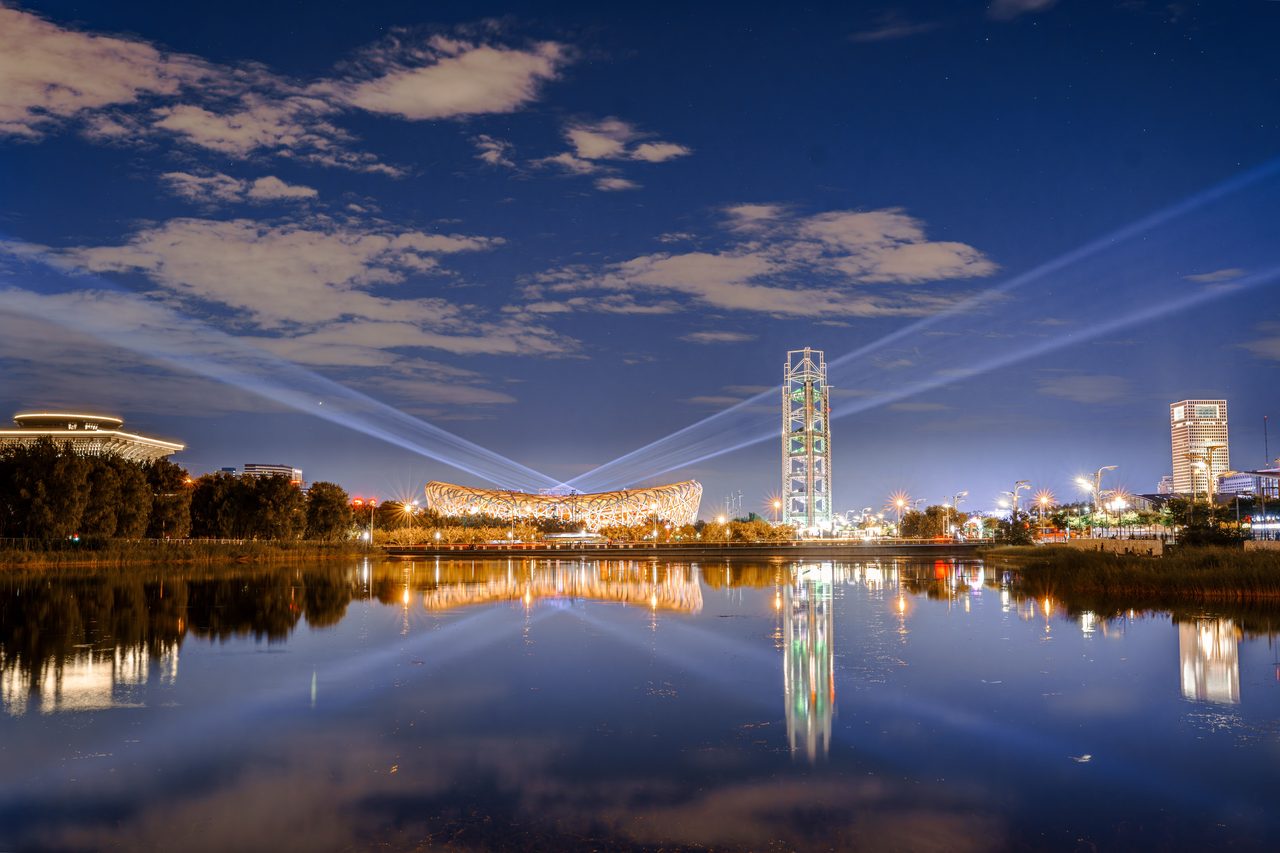
Beijing, the capital of China, is a sprawling metropolis where ancient imperial history meets state-of-the-art modernity. Home to the Forbidden City, the Great Wall, and countless UNESCO World Heritage Sites, it offers an unparalleled window into 3,000 years of Chinese civilization.
Beijing is China's political, cultural, and historical heart, serving as the nation's capital for over 700 years. The city blends imperial grandeur with modern architecture, vibrant hutong alleyways with gleaming skyscrapers, and traditional Peking duck restaurants with world-class fine dining. With seven UNESCO World Heritage Sites within the municipality, Beijing offers an extraordinary depth of cultural experiences.
The 28 destinations our editors recommend — from iconic landmarks to under-the-radar finds.
Forbidden City (Palace Museum)
The world's largest palace complex, the Forbidden City served as the imperial palace for 24 emperors of the Ming and Qing dynasties. Covering 72 hectares with 980 surviving buildings, it houses over a million artifacts and artworks. The Hall of Supreme Harmony is the largest wooden structure in China.
Great Wall at Mutianyu
The best-preserved and most scenic section of the Great Wall near Beijing. Built during the Northern Qi dynasty and restored during the Ming dynasty, Mutianyu features 22 watchtowers along a 2.25km restored section. A cable car and toboggan ride make it accessible to all ages.
Great Wall at Badaling
The most visited section of the Great Wall and the first to be opened to tourists in 1957. Badaling is the most accessible section from central Beijing and the most well-restored. It was the section seen by many world leaders and visited by US Presidents Nixon and Reagan.
Temple of Heaven (Tiantan)
A masterpiece of Ming architecture, the Temple of Heaven was where emperors performed annual ceremonies to pray for good harvests. The circular Hall of Prayer for Good Harvests is Beijing's most iconic building. The complex covers 273 hectares and is surrounded by a large park where locals practice tai chi each morning.
Summer Palace (Yiheyuan)
The largest and best-preserved imperial garden in China, the Summer Palace was the summer retreat of the Qing emperors. Kunming Lake covers three-quarters of the 290-hectare park. The Long Corridor stretches 728 meters along the lake, decorated with 14,000 paintings.
Tiananmen Square
The world's largest public square at 440,000 square meters, Tiananmen Square is the symbolic heart of China. Flanked by the Great Hall of the People, the National Museum, the Mausoleum of Mao Zedong and the historic Tiananmen Gate, the square hosts the famous flag-raising ceremony at sunrise each day.
Recommended itineraries
Pick a length, follow the route. Each itinerary balances headline sights with breathing room.
5-Day Beijing Explorer
Day 1Arrive in Beijing, explore city center
Day 2Visit top attractions and museums
Day 3Day trip to nearby highlights
Day 4Local markets and hidden gems
Day 5Final sightseeing, departure
7-Day Classic Beijing
Days 1-2Beijing city highlights
Days 3-4Regional exploration
Days 5-6Cultural immersion and local experiences
Day 7Return and departure
14-Day Ultimate Beijing
Days 1-3Beijing comprehensive city tour
Days 4-6Northern region exploration
Days 7-9Eastern highlights
Days 10-12Southern attractions
Days 13-14Return to Beijing, departure
Where to stay in Beijing
Three tiers, every traveller covered — from cost-conscious to flagship hotels.
Budget $30-50
Hostels, budget hotels, and guesthouses offer affordable stays without sacrificing experience.
Mid-range $100-150
Boutique hotels and well-located accommodations provide comfort and convenience at reasonable prices.
Luxury $300+
World-class resorts and premium hotels deliver unforgettable experiences.
The Peninsula Beijing
Beijing 100006 · $$$$
One of Beijing's most prestigious addresses, The Peninsula occupies a prime position on Goldfish Lane steps from Wangfujing and a short walk from the Forbidden City. The hotel blends imperial Chinese aesthetics with modern Peninsula luxury. Features a renowned spa, rooftop bar and Jing restaurant.
Occupying floors 63-85 of the China World Summit Wing tower, the Park Hyatt Beijing offers some of the highest views in the city. The sleek, contemporary design complements panoramic Beijing skyline vistas. The rooftop China Bar on the 65th floor is a signature attraction.
The tallest hotel in Beijing, China World Summit Wing crowns the China World Trade Center complex. Ultra-luxury accommodations with floor-to-ceiling windows, a Sky Pool on the 80th floor, and direct access to the China World Mall and office complex. A preferred address for international business travelers.
A contemporary luxury sanctuary that draws inspiration from Beijing's courtyard house architecture. Each room is a spacious suite with residential-feel interiors. The hotel features Sense spa, an innovative Chinese restaurant Yàn and a stylish cocktail bar. The dedicated House Car service enhances the guest experience.
Cafés, neighbourhood gems, and tasting menus worth the table reservation.
Da Dong Roast Duck (Dongzhimen)
Beijing / Peking Duck · $$$
Da Dong is Beijing's most celebrated Peking duck restaurant, known for its 'super lean' roast duck that is lower in fat than traditional preparation. Chef Dong Zhenxiang's duck is roasted in a special oven to achieve crispy skin and tender meat. The contemporary dining room and theatrical service make it a memorable experience.
Quanjude Qianmen
Beijing / Peking Duck · $$$
Founded in 1864, Quanjude is the most historic Peking duck restaurant in the world and Beijing's most iconic culinary institution. The Qianmen flagship can seat over 2,000 diners across multiple floors. The original hanging-oven roasting technique has been maintained for 160 years. A pilgrimage for duck lovers.
Jing Yaa Tang
Beijing Contemporary · $$$
Jing Yaa Tang at The Opposite House is widely considered the most sophisticated Peking duck experience in Beijing. The sleek, design-forward restaurant serves classic Beijing dishes with refined presentations. The duck is served with homemade condiments and the service is impeccable. A perfect blend of tradition and modernity.
Maison Boulud
French-Chinese Fusion · $$$$
Chef Daniel Boulud's celebrated Beijing outpost occupies a stunning 1900s heritage mansion adjacent to Tiananmen Square. French haute cuisine is subtly infused with Chinese flavors and local ingredients. The wine list is exceptional. One of the top fine dining addresses in China.
Bianyifang (Qianmen)
Beijing / Peking Duck · $$$
Bianyifang is even older than Quanjude, tracing its roots to 1416 during the Ming dynasty. It uses the焖炉 (stuffy oven) roasting technique rather than the open-flame hanging oven, producing duck with uniquely tender meat and a different flavor profile. A must-visit for serious Peking duck connoisseurs.
Haidilao Hot Pot (Wangfujing)
Sichuan Hot Pot · $$
China's most famous hot pot chain is renowned not just for its excellent broth and fresh ingredients but for its extraordinary customer service. While waiting, guests receive free snacks, manicures and shoe shines. The tableside noodle-pulling performance is a highlight. An essential Beijing dining experience.
Beijing has one of the world's most comprehensive urban transit systems. The subway network covers 807km with 490 stations across 27 lines. Combined with buses, taxis, DiDi ride-hailing and the airport express, getting around is easy and affordable. Most visitors will rely primarily on the subway.
Budget breakdown
Daily spend by tier in CNY, broken out by category.
Category
Budget
Mid-range
Luxury
Accommodation
$15-25
$60-90
$200+
Food (per day)
$8-12
$25-40
$60-100
Transportation
$3-5
$10-15
$30-50
Activities
$5-10
$20-30
$50-100
Daily total
$30-50
$100-150
$300+
Best time to visit Beijing
Weather through the year in China
Best timeShoulderWorth avoiding
Average daytime temperature in °C. Figures are for China.
Essential travel tips
Get a Beijing Tong card for subway and bus travel
Book Forbidden City tickets online in advance
Learn a few Mandarin phrases
Download WeChat and Alipay for cashless payments
Hidden gems
Off-the-beaten-path corners most travellers miss.
Nanluoguxiang
Historic hutong with local cafes and boutiques
Dongcheng District
Qianmen Street
Traditional commercial street with Ming-era architecture
Dongcheng District
Jingshan Park
Coal Hill with panoramic Forbidden City views
Xicheng District
Safety information
INFO
Use official taxis or DiDi app to avoid overcharging
INFO
Be cautious of 'tea house' or 'art student' scams near Tiananmen
INFO
Keep copies of passport and visa
INFO
Download offline maps as Google Maps may be slow
INFO
Use VPN for accessing foreign websites
Frequently asked questions
Do I need a visa to visit Beijing?
Most foreign nationals require a visa to enter China. Apply at your nearest Chinese embassy or consulate. Citizens of select countries may qualify for 144-hour or 72-hour transit visa-free stays. Requirements vary by nationality, so check with your nearest embassy or the official immigration website before traveling.
What currency is used in Beijing?
The currency in Beijing is the Chinese Yuan (CNY). ATMs are widely available in cities and tourist areas. Credit cards are accepted at most hotels and restaurants, but carry cash for markets and smaller establishments.
What language is spoken in Beijing?
The main language(s) spoken in Beijing: Mandarin Chinese, Beijing dialect. In tourist areas, English is generally understood. Learning a few basic phrases in the local language is appreciated by locals.
What are the top attractions in Beijing?
The top attractions in Beijing include Forbidden City (Palace Museum), Great Wall at Mutianyu, Great Wall at Badaling, Temple of Heaven (Tiantan), and Summer Palace (Yiheyuan). Each offers a unique experience, from historic landmarks to natural wonders.
Explore Beijing by city
The cities below have their own guides — hotels, attractions and where to eat, in depth.