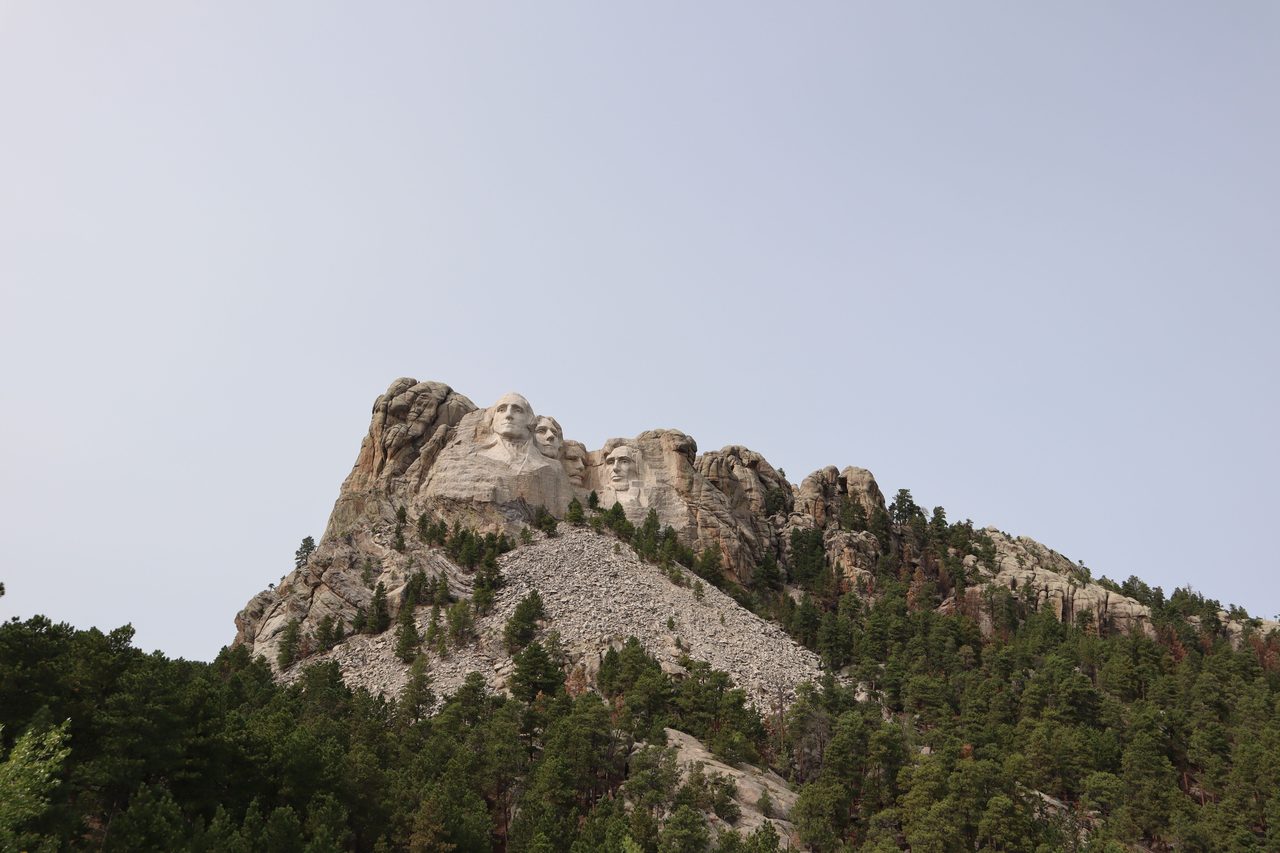
North Dakota is a vast Great Plains state in the northern United States, renowned for the rugged badlands of Theodore Roosevelt National Park, the sweeping prairies, rich Native American heritage, and the largest contiguous waterfowl nesting habitat in North America. Bismarck serves as the capital, while Fargo is the cultural and commercial hub. The state surprises visitors with world-class museums, frontier history, and dramatic landscapes that few tourists know about.
North Dakota offers a genuinely off-the-beaten-path US experience. Theodore Roosevelt National Park's painted badlands host wild bison herds and feral horses. The Enchanted Highway features the world's largest scrap-metal sculptures. Medora, a historic frontier town, comes alive each summer with the Medora Musical. The state's Native American heritage is profound — the Mandan, Hidatsa, and Arikara Nations have called this land home for centuries. Fargo punches above its weight with a thriving arts scene, craft breweries, and excellent dining, while Bismarck balances state government with outdoor access along the Missouri River.
Capital
Bismarck
Largest city
Fargo
Population
780,000
Languages
English
Currency
US Dollar
Time zone
Central Time (UTC-6/UTC-5 DST) for eastern ND; Mountain Time (UTC-7/UTC-6 DST) for western ND
The 22 destinations our editors recommend — from iconic landmarks to under-the-radar finds.
Theodore Roosevelt National Park — South Unit
This is the more visited half of the park split by the Little Missouri River badlands, reachable right off I-94 at Medora. A 36-mile scenic loop drive winds past eroded buttes, petrified wood, and prairie dog towns, with bison and feral horses often visible from the road. Theodore Roosevelt ranched in this area in the 1880s, and the visitor center near the entrance holds some of his personal effects.
Theodore Roosevelt National Park — North Unit
The quieter, less-visited unit of the park along US-85, with a 14-mile dead-end scenic drive through badlands terrain that feels emptier and more rugged than the South Unit. It's known for its longhorn cattle herd, a remnant of the area's open-range ranching era, and for the Cannonball Concretions, unusual round sandstone formations exposed along the river.
Enchanted Highway
A stretch of two-lane highway running roughly 32 miles between Gladstone and Regent in southwestern North Dakota, lined with a series of giant metal sculptures built by local artist Gary Greff starting in the 1990s, including scrap-metal geese, grasshoppers, and a scene of Teddy Roosevelt on horseback. The sculptures were originally built to draw travelers off the interstate and keep Regent's small town from fading.
North Dakota Heritage Center & State Museum
The state's main history museum, on the State Capitol grounds in Bismarck, covering North Dakota's story from the geologic period through Native American history, European settlement, and into the 20th century. Its Adaptation Gallery includes real dinosaur fossils found in the state, including a mummified duck-billed dinosaur, alongside exhibits on Mandan, Hidatsa, and Arikara life along the Missouri River.
Knife River Indian Villages National Historic Site
A National Park Service site preserving the archaeological remains of Hidatsa and Mandan earthlodge villages at the confluence of the Knife and Missouri Rivers, occupied for centuries before smallpox and displacement emptied them in the 1800s. A reconstructed earthlodge near the visitor center gives a sense of how these communities actually lived, and Lewis and Clark passed through and met Sakakawea's people near here.
Fort Abraham Lincoln State Park
A state park south of Mandan along the Missouri River combining a reconstructed 1870s cavalry post, from which Lieutenant Colonel George Custer departed for the Battle of the Little Bighorn, with reconstructed Mandan earthlodges from an On-A-Slant Village site nearby. Costumed interpreters and guided tours run through the reconstructed Custer house and the earthlodge village in season.
Recommended itineraries
Pick a length, follow the route. Each itinerary balances headline sights with breathing room.
5-Day North Dakota Explorer
Day 1Arrive in North Dakota, explore city center
Day 2Visit top attractions and museums
Day 3Day trip to nearby highlights
Day 4Local markets and hidden gems
Day 5Final sightseeing, departure
7-Day Classic North Dakota
Days 1-2North Dakota city highlights
Days 3-4Regional exploration
Days 5-6Cultural immersion and local experiences
Day 7Return and departure
14-Day Ultimate North Dakota
Days 1-3North Dakota comprehensive city tour
Days 4-6Northern region exploration
Days 7-9Eastern highlights
Days 10-12Southern attractions
Days 13-14Return to North Dakota, departure
Where to stay in North Dakota
Three tiers, every traveller covered — from cost-conscious to flagship hotels.
Budget $65
Hostels, budget hotels, and guesthouses offer affordable stays without sacrificing experience.
Mid-range $150
Boutique hotels and well-located accommodations provide comfort and convenience at reasonable prices.
Luxury $400
World-class resorts and premium hotels deliver unforgettable experiences.
Cafés, neighbourhood gems, and tasting menus worth the table reservation.
Pirogue Grille
New American / Farm-to-Table · $$$
Pirogue Grille sits in downtown Bismarck and focuses on North Dakota ingredients treated with a fine-dining touch, pairing bison and walleye with seasonal grains and vegetables from regional producers. The kitchen changes its menu with the seasons rather than running a fixed rotation. The dining room is a converted storefront space with an open kitchen view and a bar area for those who want a lighter meal.
Mezzaluna
Italian-American · $$$
Mezzaluna is a white-tablecloth Italian-American restaurant in downtown Fargo, built around housemade pasta and dry-aged steaks rather than a red-sauce menu. It leans toward special-occasion dining, with a wine list built to match the richer dishes like the lobster bisque and aged beef. The room feels formal by Fargo standards, with the kind of service pacing meant for a full multi-course dinner.
HoDo Restaurant
Contemporary American · $$$
HoDo Restaurant takes its name from the Hotel Donaldson in downtown Fargo, where it operates as the hotel's ground-floor restaurant and bar. The food is contemporary American with a regional streak, evident in dishes like the walleye tacos and North Dakota charcuterie board, served in a room that mixes the historic building's brick and tin-ceiling bones with a modern bar setup. It works equally as a casual dinner spot or a place to sit at the bar for a cocktail and a burger.
Little Missouri Saloon & Dining
American Steakhouse / Western · $$
Little Missouri Saloon & Dining sits on Medora's short main street, in a town whose entire economy revolves around Badlands tourism, and it plays to that with a Western steakhouse menu built around bison and beef. The style is unfussy roadhouse dining, with a saloon-style bar up front and a dining room behind it. Portions and pricing are geared toward travelers refueling after a day in Theodore Roosevelt National Park rather than a destination fine-dining crowd.
Usher's House
American Gastropub · $$
Usher's House occupies a restored historic building in downtown Fargo and runs as a gastropub, pairing a cocktail and local-beer program with a smaller, shareable-plate-driven menu. Dishes like the duck confit flatbread and ahi tuna burger lean more composed than typical bar food. The space keeps some of the building's older architectural character while functioning as a lounge-style bar and dining room.
Wurst Bier Hall
German-American · $$
Wurst Bier Hall is a German-style beer hall in downtown Fargo, built around communal tables, a long beer list heavy on North Dakota craft breweries, and a menu of house-made sausages. The pretzel board and beer cheese fondue are designed for sharing across a table of people drinking rather than a solo quiet dinner. The room has the long-table, high-ceiling feel of an actual European bier hall rather than a themed imitation.
North Dakota is best explored by car. The two main airports are Hector International Airport (FAR) in Fargo and Bismarck Municipal Airport (BIS). Amtrak's Empire Builder crosses northern North Dakota daily, stopping in Grand Forks, Devils Lake, Rugby, Minot, Stanley, and Williston. Interstate 94 runs east–west connecting Fargo, Bismarck, and Medora.
Budget breakdown
Daily spend by tier in USD, broken out by category.
Category
Budget
Mid-range
Luxury
Accommodation
$30
$100
$270
Food (per day)
$18
$30
$80
Transportation
$10
$25
$50
Activities
$7
$20
$60
Daily total
$65
$150
$400
Best time to visit North Dakota
Weather through the year in United States
Best timeShoulderWorth avoiding
Average daytime temperature in °C. Figures are for United States.
June–August for Theodore Roosevelt NP and outdoor activities; September–October for fall colors and wildlife viewing; January–February for ice fishing and winter festivals
The Medora Musical runs June through Labor Day weekend. Sunflower season peaks in late July–August across the Red River Valley. Theodore Roosevelt NP is open year-round but summer offers the best wildlife viewing.
Essential travel tips
North Dakota has no state income tax and a 5% sales tax — listed prices are pre-tax
Tipping 18–20% is standard at restaurants
Fuel up whenever possible in western ND — gas stations can be 50+ miles apart
The Medora Musical (June–Labor Day) requires advance reservations at medora.com
National Park America the Beautiful Pass ($80/year) covers entry to Theodore Roosevelt NP and is worthwhile for multi-park visits
Hidden gems
Off-the-beaten-path corners most travellers miss.
Fort Ransom State Park
Wooded Sheyenne River valley park with excellent hiking, a working pioneer farmstead, and autumn foliage rivaling the Eastern seaboard.
Pembina Gorge State Recreation Area
North Dakota's only significant forest, with 2,000 acres of dense woodland, mountain biking trails, and kayaking in the Pembina River.
Chateau de Mores State Historic Site
The 26-room frontier mansion of Marquis de Mores outside Medora, revealing the life of the French nobleman who pioneered the American beef industry.
Safety information
INFO
Never approach bison in Theodore Roosevelt NP — they can run 35 mph and are unpredictable
INFO
Check weather forecasts before driving in western ND — blizzards can arrive quickly October–April
INFO
Download offline maps (Google Maps or maps.me) — cell service is absent across large portions of the state
INFO
Carry at least 2 gallons of water per person when hiking in the badlands in summer
INFO
Drive with extreme caution on rural roads at dawn and dusk — deer and pronghorn crossings are frequent