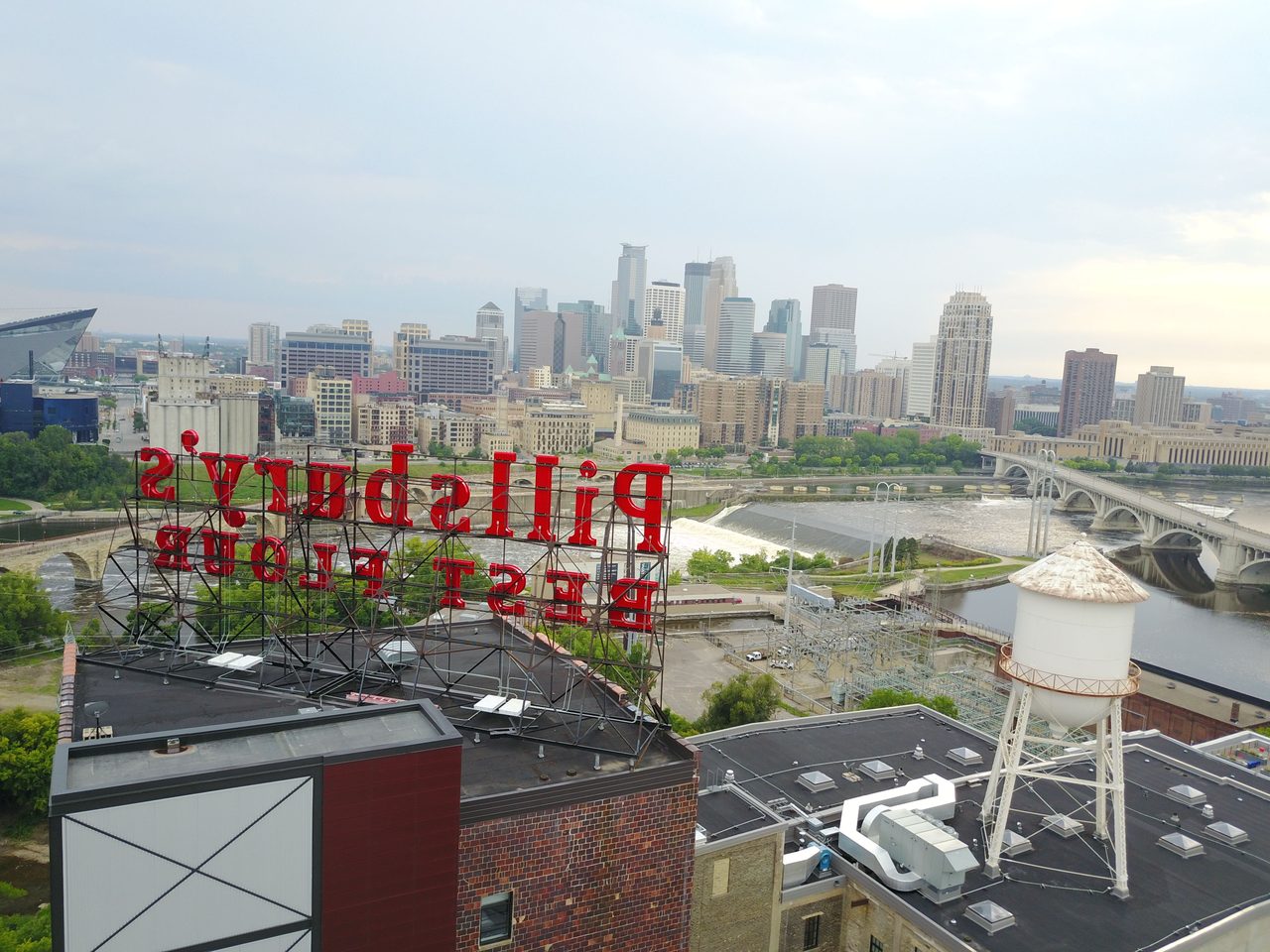
Minnesota, the Land of 10,000 Lakes, stretches from the bluffs and river valleys of the Mississippi's headwaters in the north to the rolling prairies and twin-cities metropolitan energy of the south. Minneapolis and Saint Paul together form one of the most livable metro areas in the United States — renowned for a world-class arts scene anchored by the Walker Art Center and Minnesota Orchestra, a craft beer culture rivaling any city its size, and skyway-connected neighborhoods that let residents and visitors move in comfort year-round. Beyond the cities, the Boundary Waters Canoe Area Wilderness offers 1 million acres of roadless lakes and forest, the North Shore of Lake Superior delivers dramatic basalt cliffs and waterfalls, and the Iron Range preserves gritty mining heritage amid boreal pines.
Minnesota occupies the northernmost tier of the contiguous United States, sharing a border with Canada and anchoring the Great Lakes region. The Twin Cities of Minneapolis and Saint Paul sit at the confluence of the Minnesota and Mississippi rivers and together hold over half the state's population. Minneapolis drives the cultural agenda: the Walker Art Center and Minneapolis Institute of Art are nationally ranked; the Mall of America in Bloomington draws 40 million visitors per year; the Minneapolis Skyway System (the world's longest, at 8 miles) connects 80 city blocks above street level. The North Shore Scenic Drive (US-61) traces Lake Superior's coast from Duluth to the Canadian border, passing Gooseberry Falls, Split Rock Lighthouse, and the Boundary Waters gateway town of Grand Marais. The Boundary Waters Canoe Area Wilderness (BWCAW) is one of the most visited wilderness areas in the country despite being entirely roadless — entry requires a permit system managed by the Superior National Forest. In winter, Minnesota transforms into a snow-sports destination: ice fishing, cross-country skiing, dog sledding, and the celebrated Saint Paul Winter Carnival animate the frozen landscape. The state's food scene reflects a diverse immigrant heritage: Somali rice and sambusa on Minneapolis's East Lake Street, Hmong markets in Saint Paul's Frogtown, Scandinavian lefse and lutefisk in small-town delicatessens, and an exploding craft brewery scene statewide.
The 21 destinations our editors recommend — from iconic landmarks to under-the-radar finds.
Walker Art Center
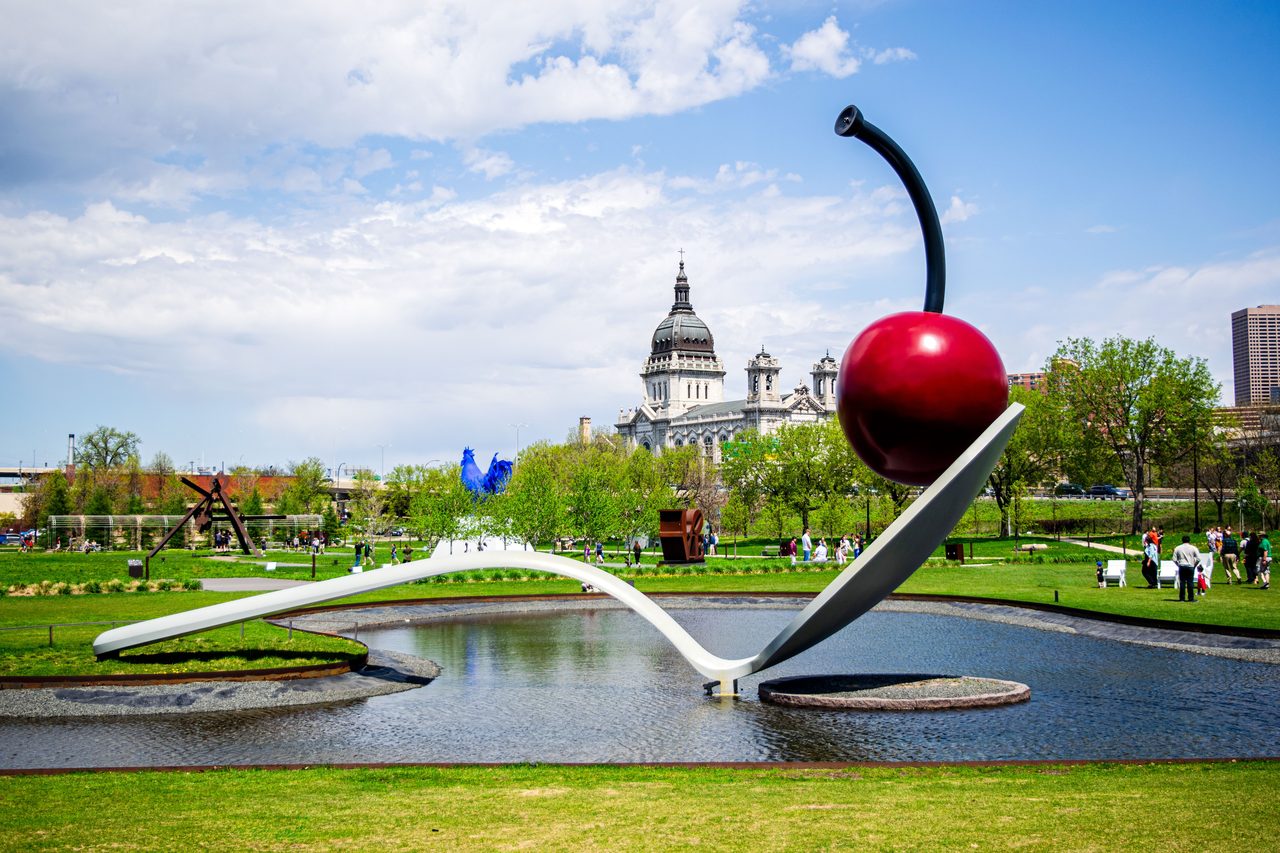
The Walker is a contemporary art museum on the edge of downtown Minneapolis, known for pairing gallery exhibitions with the adjacent Minneapolis Sculpture Garden, home to the Spoonbridge and Cherry fountain sculpture. Its collection and programming lean toward film, performance, and design as much as painting, reflecting the institution's long-running multidisciplinary bent. A visit typically pairs an hour or two indoors with time walking the outdoor sculpture grounds next door.
Minneapolis Institute of Art (Mia)
Mia is a large, general encyclopedic art museum with holdings spanning ancient to contemporary work, including Asian art, European painting, and American decorative arts, housed in a Beaux-Arts building south of downtown Minneapolis. Because general admission is free, it draws a broad local audience rather than being purely a tourist stop, and the collection is large enough to reward more than one visit. Expect to spend at least two hours if you want to cover more than a couple of wings.
Mall of America
Mall of America in Bloomington is one of the largest shopping malls in the United States, built around an indoor amusement park (Nickelodeon Universe) at its center along with an aquarium and hundreds of stores. It functions as a destination in its own right rather than just a shopping stop, drawing visitors specifically for the rides and attractions rather than the retail. It sits close to Minneapolis-St. Paul International Airport, making it a common stop for travelers with a layover.
Split Rock Lighthouse State Park
This state park on Lake Superior's North Shore centers on the 1910 Split Rock Lighthouse, built after a string of shipwrecks and perched on a cliff overlooking the lake. The lighthouse and its keeper's dwellings are preserved as a historic site you can tour, while the surrounding park offers cliffside trails along the shore. It's one of the most photographed spots on the North Shore because of how the light sits directly on the rock outcrop above the water.
Boundary Waters Canoe Area Wilderness (BWCAW)
The BWCAW is a vast wilderness area of interconnected lakes and portages along the Minnesota-Ontario border, managed by the U.S. Forest Service and accessible mainly by canoe rather than road. Motors are banned across most of the area, which keeps it quiet and largely undeveloped compared to other outdoor destinations in the state. Trips typically involve paddling between lakes and portaging gear overland, ranging from single-day outings to multi-day backcountry routes.
Gooseberry Falls State Park
Gooseberry Falls is a North Shore state park built around a series of waterfalls on the Gooseberry River just before it meets Lake Superior, with the falls visible from an easy paved and boardwalk trail system near the visitor center. It's one of the most-visited state parks in Minnesota largely because the main falls are so close to parking and require very little hiking to see. Longer trails continue along the river and out to the lakeshore for those who want more distance.
Recommended itineraries
Pick a length, follow the route. Each itinerary balances headline sights with breathing room.
5-Day Minnesota Explorer
Day 1Arrive in Minnesota, explore city center
Day 2Visit top attractions and museums
Day 3Day trip to nearby highlights
Day 4Local markets and hidden gems
Day 5Final sightseeing, departure
7-Day Classic Minnesota
Days 1-2Minnesota city highlights
Days 3-4Regional exploration
Days 5-6Cultural immersion and local experiences
Day 7Return and departure
14-Day Ultimate Minnesota
Days 1-3Minnesota comprehensive city tour
Days 4-6Northern region exploration
Days 7-9Eastern highlights
Days 10-12Southern attractions
Days 13-14Return to Minnesota, departure
Where to stay in Minnesota
Three tiers, every traveller covered — from cost-conscious to flagship hotels.
Budget $70–$110/day
Hostels, budget hotels, and guesthouses offer affordable stays without sacrificing experience.
Mid-range $150–$250/day
Boutique hotels and well-located accommodations provide comfort and convenience at reasonable prices.
Luxury $350–$600+/day
World-class resorts and premium hotels deliver unforgettable experiences.
Minneapolis–Saint Paul International Airport (MSP) is served by all major US carriers and multiple international routes. The METRO Blue Line light rail connects the airport to downtown Minneapolis ($2.50/ride). The METRO Green Line links downtown Minneapolis and downtown Saint Paul. Metro Transit buses and the Northstar commuter rail extend coverage across the metro area. Rental cars are essential for exploring Greater Minnesota.
Budget breakdown
Daily spend by tier in USD, broken out by category.
Category
Budget
Mid-range
Luxury
Accommodation
$30–$70
$90–$160
$200–$400+
Food (per day)
$20–$35
$40–$65
$90–$150
Transportation
$10–$20
$20–$40
$40–$80
Activities
$10–$20
$20–$40
$50–$100
Daily total
$70–$110/day
$150–$250/day
$350–$600+/day
Best time to visit Minnesota
Weather through the year in United States
Best timeShoulderWorth avoiding
Average daytime temperature in °C. Figures are for United States.
June through September for outdoor activities and lake season; December through February for winter sports and the Saint Paul Winter Carnival
Minnesota's climate is continental with cold winters (average January lows of 4°F/-16°C in Minneapolis) and warm, humid summers (average July highs of 84°F/29°C). Spring arrives late — May is often still cold.
Essential travel tips
A Discover Minnesota State Parks & Trails annual pass ($35) covers day-use fees at all 75 state parks
Metro Transit day passes ($6) cover unlimited light rail and bus rides in the Twin Cities metro
The Minneapolis Skyway connects 80 blocks of downtown Minneapolis — useful in winter
BWCAW permits must be reserved in advance at recreation.gov; quota fills fast for summer weekends
Lake cabin rentals on VRBO book months ahead for July and August weekends
Hidden gems
Off-the-beaten-path corners most travellers miss.
Nerstrand Big Woods State Park
Nerstrand
Jeffers Petroglyphs
Comfrey
Eloise Butler Wildflower Garden
Minneapolis
Pipestone National Monument
Pipestone
Safety information
INFO
Download the Minnesota DNR app before wilderness trips for trail and permit information
INFO
Carry bear spray and a bear canister in the Boundary Waters and BWCAW
INFO
Water temperatures in Lake Superior remain cold (under 50°F/10°C) even in summer — limit swimming time
INFO
Dress in layers — Minnesota weather can change 30°F/17°C within hours
INFO
Keep valuables out of sight in rental cars in urban areas
Frequently asked questions
Is Minnesota safe to visit in 2026?
Minnesota ranks among the safer US states for travelers. Major tourist areas in Minneapolis (Nicollet Mall, North Loop, Uptown) and Saint Paul (Cathedral Hill, Grand Avenue) are safe for walking by day and into the evening. Wilderness travel in the BWCAW and North Shore requires attention to weather
What is the best time to visit Minnesota?
The best time to visit Minnesota is June. Minnesota has a classic humid continental climate with wide temperature swings between seasons. Summers are warm and humid (July highs average 84°F/29°C in Minneapolis); winters are long and cold (Jan
Do I need a visa to visit Minnesota?
Entry requirements follow United States federal rules. Citizens from Visa Waiver Program countries may enter visa-free for up to 90 days under ESTA. All others require a valid US visa. Requirements vary by nationality, so check with your nearest embassy or the official immigration website before traveling.
What currency is used in Minnesota?
The currency in Minnesota is the US Dollar (USD). ATMs are widely available in cities and tourist areas. Credit cards are accepted at most hotels and restaurants, but carry cash for markets and smaller establishments.
What language is spoken in Minnesota?
The main language(s) spoken in Minnesota: English, Somali, Hmong. In tourist areas, English is generally understood. Learning a few basic phrases in the local language is appreciated by locals.
What are the top attractions in Minnesota?
The top attractions in Minnesota include Walker Art Center, Minneapolis Institute of Art (Mia), Mall of America, Split Rock Lighthouse State Park, and Boundary Waters Canoe Area Wilderness (BWCAW). Each offers a unique experience, from historic landmarks to natural wonders.